Tropical Garden Care Calendar: A Year-Round Guide to Lush Paradise
Tropical gardens are a vivid tapestry of life, color, and lush greenery. To maintain the beauty of these vibrant oases, gardeners in…
Tropical Garden Care Calendar: A Year-Round Guide to Lush Paradise
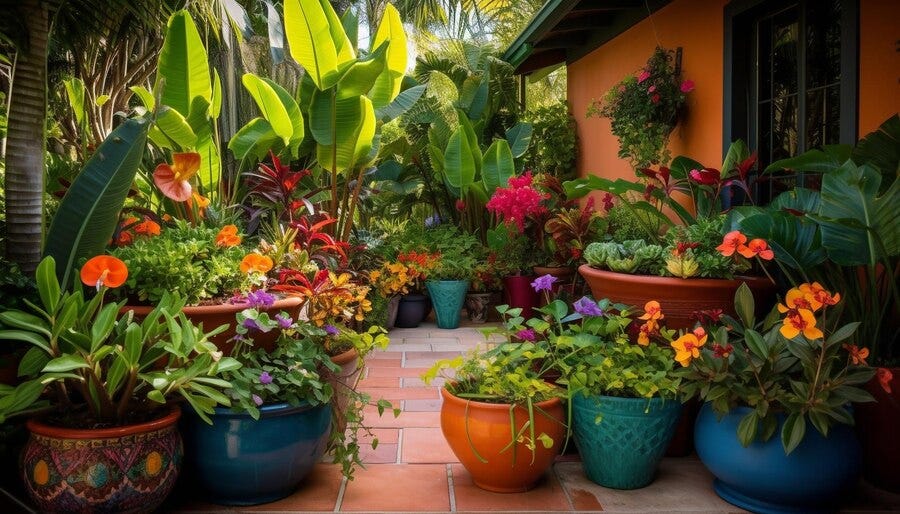
Tropical gardens are a vivid tapestry of life, color, and lush greenery. To maintain the beauty of these vibrant oases, gardeners in tropical regions must adhere to a well-structured care calendar that takes into account the unique climate and conditions. In this blog, we present a year-round gardening calendar tailored for tropical gardens, outlining essential tasks and activities for each month.
January: A Fresh Start for the New Year
- Clean and Prune: Begin the year with a thorough garden clean-up. Remove dead or diseased foliage and prune overgrown branches.
- Plant Maintenance: Check the health of your plants. Re-pot any root-bound plants and consider transplanting if needed.
- Fertilize: Apply a balanced, slow-release fertilizer to promote healthy growth.
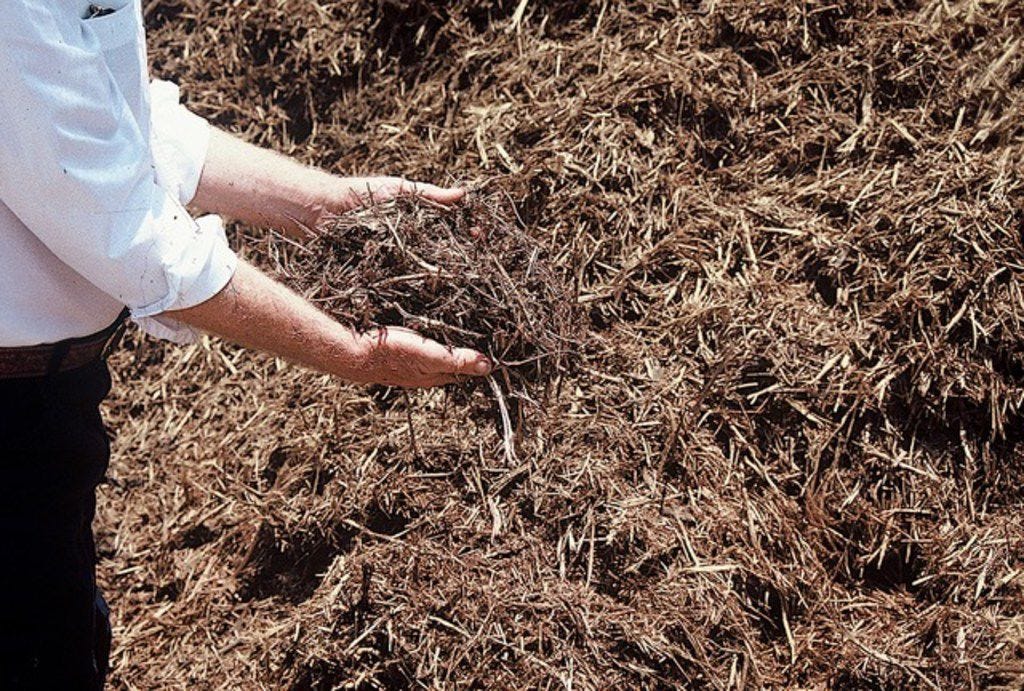
- Mulch: Refresh mulch to help retain soil moisture and suppress weeds.
February: Preparing for the Spring Burst
- Soil Test: Get a soil test done to check nutrient levels and pH. Adjust the soil as needed.
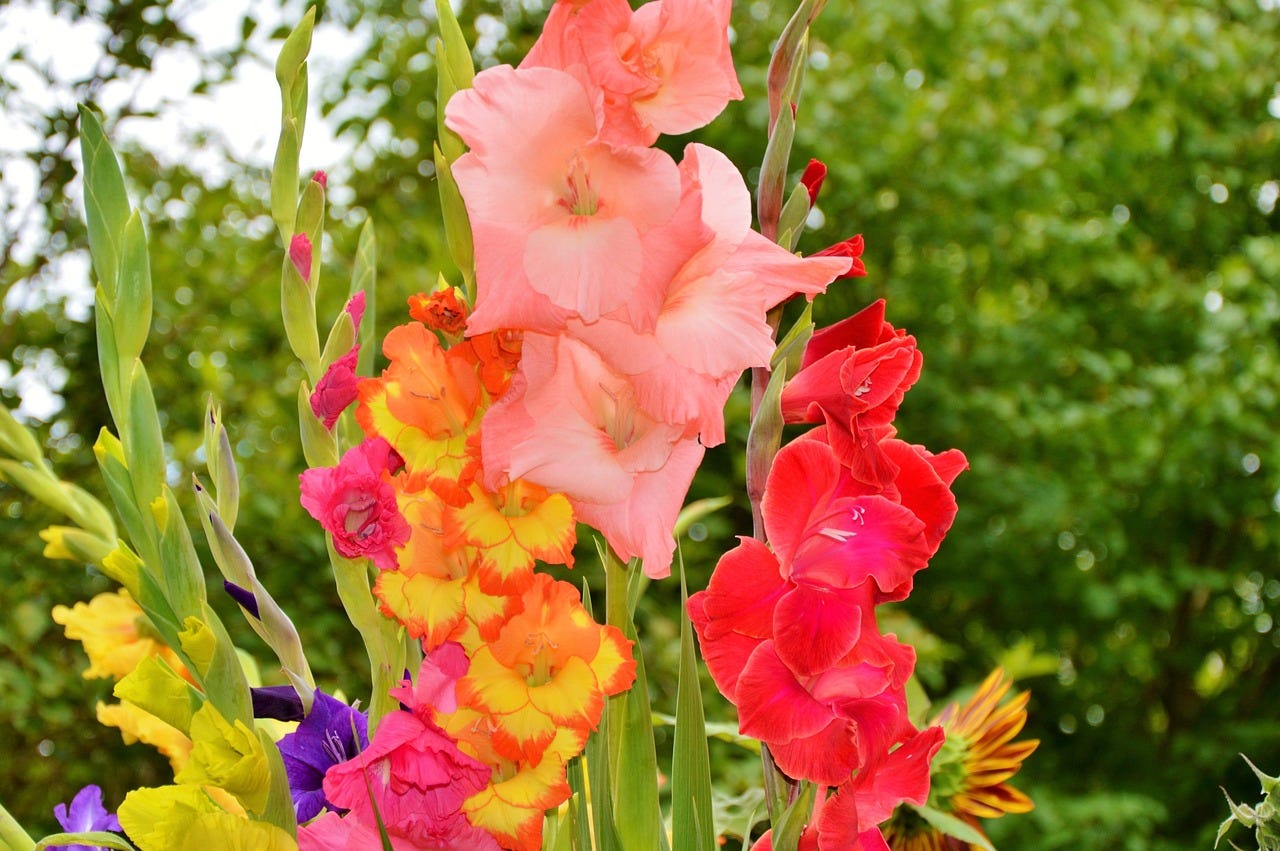
- Planting: Plant heat-tolerant flowers, like hibiscus or bougainvillea, and tropical vegetables, such as okra or eggplant.
- Pest Control: Inspect for pest infestations and take preventative measures.Irrigation: Adjust watering schedules for increased plant growth.

March: Transition to the Growing Season
- Pruning: Trim overgrown branches and remove dead flowers to encourage new growth.
- Lawn Care: Mow your lawn, and ensure it’s adequately watered and fertilized.
- Divide and Conquer: Divide clumping perennials if necessary, ensuring they have adequate space to grow.
- Garden Design: Consider additions or changes to your garden layout.

April: Nurturing Your Tropical Paradise
- Transplant: Transplant any shrubs or trees that need a new home.
- Pest Management: Continue pest control measures to prevent infestations.
- Composting: Start a compost pile or maintain an existing one for rich, organic soil.
- Fertilize: Apply a high-phosphorus fertilizer to support flowering plants.

May: Preparing for the Wet Season
- Rainwater Collection: Set up rain barrels to collect water during the upcoming rainy season.
- Pruning and Deadheading: Continue to trim and deadhead flowering plants to maintain their appearance.
- Pest Control: Watch for fungal diseases and rust in your plants.
- Mulch Renewal: Add more mulch to prepare for increased rainfall.

June: Embracing the Rainy Season
- Weed Control: Weeds flourish during this season. Stay on top of weed management.
- Pruning: Trim branches that may become waterlogged or attract pests.
- Fertilization: Use slow-release fertilizers as needed due to excessive rain.
- Support Structures: Check that stakes and supports are in place to protect plants during heavy rains and winds.

July: Maintaining Lush Growth
- Weed Control: Continue with weed management.
- Fertilization: Apply potassium-rich fertilizers to boost plant resilience.
- Mulching: Renew mulch as needed to maintain moisture levels.
- Inspect Drainage: Ensure proper drainage to prevent waterlogging.

August: Preparing for the Dry Season
- Pruning: Trim back overgrown branches to reduce stress during the upcoming dry season.
- Fertilization: Reduce fertilization as plant growth slows.
- Mulch Refresh: Renew mulch to retain moisture.
- Irrigation Review: Inspect and repair irrigation systems before the dry season begins.

September: The Arrival of the Dry Season
- Watering: Adjust your irrigation schedule for reduced rainfall.
- Pest Management: Check for pests, as dry conditions can lead to infestations.
- Drought-Tolerant Planting: Consider drought-resistant plants for your garden.
- Garden Revival: Revive any plants affected by the changing weather conditions.

October: Embracing the Dry Season
- Watering: Continue with the adjusted irrigation schedule.
- Pruning: Trim and deadhead plants as needed.
- Pest Control: Be vigilant against pests in the dry season.
- Garden Planning: Start planning for next year’s additions or changes.

November: Celebrating the End of the Dry Season
- Pruning: Trim back any overgrowth that may have occurred during the dry season.
- Fertilization: As the rainy season approaches, apply balanced fertilizer.
- Compost Use: Incorporate compost into the soil for enrichment.
- Garden Review: Evaluate the performance of plants and make notes for next year.

December: Wrapping Up the Year
- Garden Clean-Up: Conclude the year with a thorough garden clean-up, removing debris and spent plant material.
- Reflect and Plan: Reflect on the past year and plan for the next, considering garden additions, changes, or improvements.
- Holiday Decorations: Add festive touches to your tropical garden for the holiday season.

A well-structured care calendar tailored to the tropical climate ensures your garden’s continued health and beauty year-round. By following these monthly tasks, you can create a thriving tropical paradise that’s a delight to behold throughout every season.
메타데이터
- post_id
- ec3beb3240ad
- slug
- tropical-garden-care-calendar-a-year-round-guide-to-lush-paradise-ec3beb3240ad
- url
- https://medium.com/@BlossomsNBlissGardening/tropical-garden-care-calendar-a-year-round-guide-to-lush-paradise-ec3beb3240ad
- canonical_url
- https://medium.com/@BlossomsNBlissGardening/tropical-garden-care-calendar-a-year-round-guide-to-lush-paradise-ec3beb3240ad
- author_url
- https://medium.com/@BlossomsNBlissGardening
- status
- ok
- fetched_at
- 2026-06-29 01:02:39