The Pen, The Dupatta, and The Power You Already Carry: Mission Prahar’s Revolutionary Approach to…
When most people think about self defense, the image that comes to mind is martial arts a woman in a performing high kicks in a dojo, or…
The Pen, The Dupatta, and The Power You Already Carry: Mission Prahar’s Revolutionary Approach to Self Defense with Everyday Objects
© MissionPrahar. All rights reserved.
When most people think about self defense, the image that comes to mind is martial arts a woman in a performing high kicks in a dojo, or perhaps someone trained in Krav Maga executing complex joint locks and throws. The assumption is always the same: self defense requires years of training, physical strength, athletic ability, and ideally, some kind of weapon or specialized tool like pepper spray or a taser.
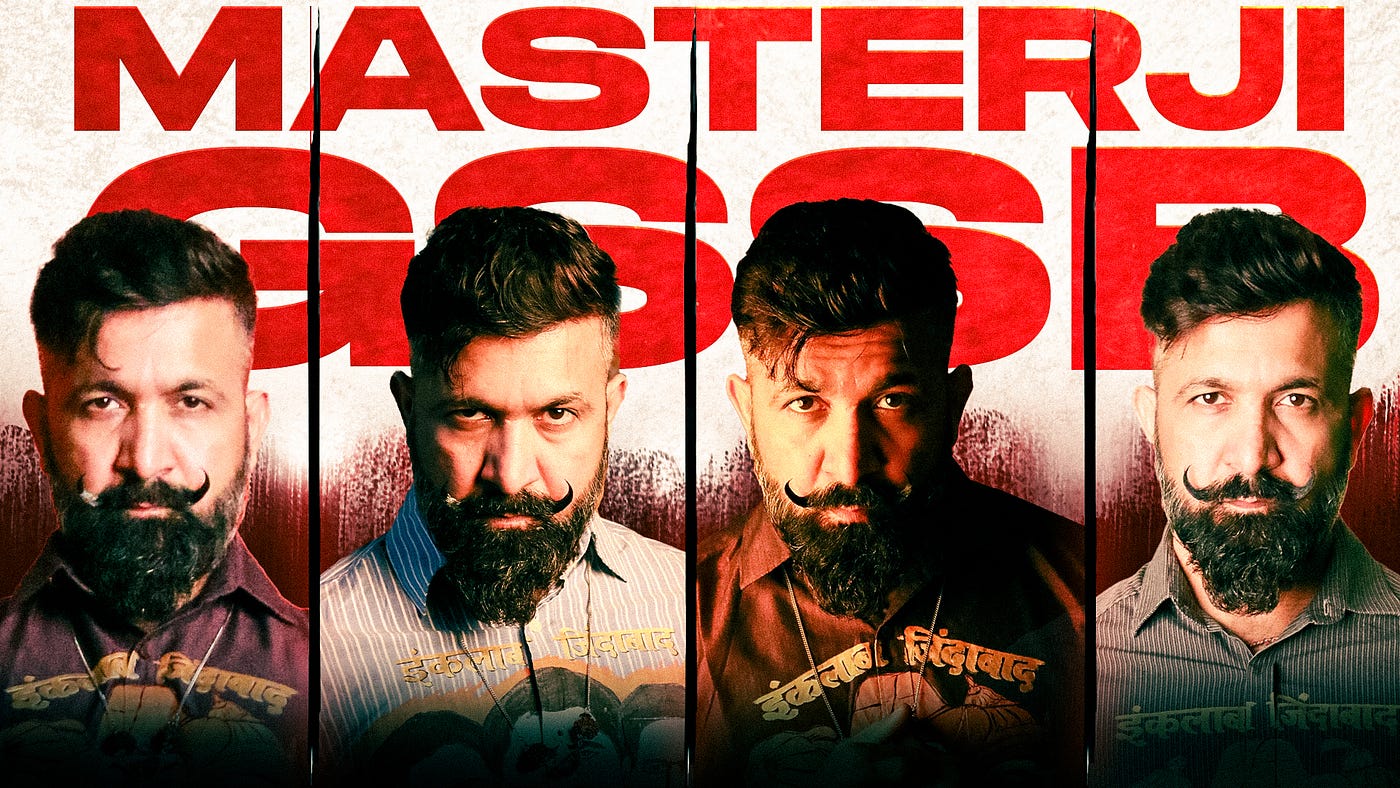
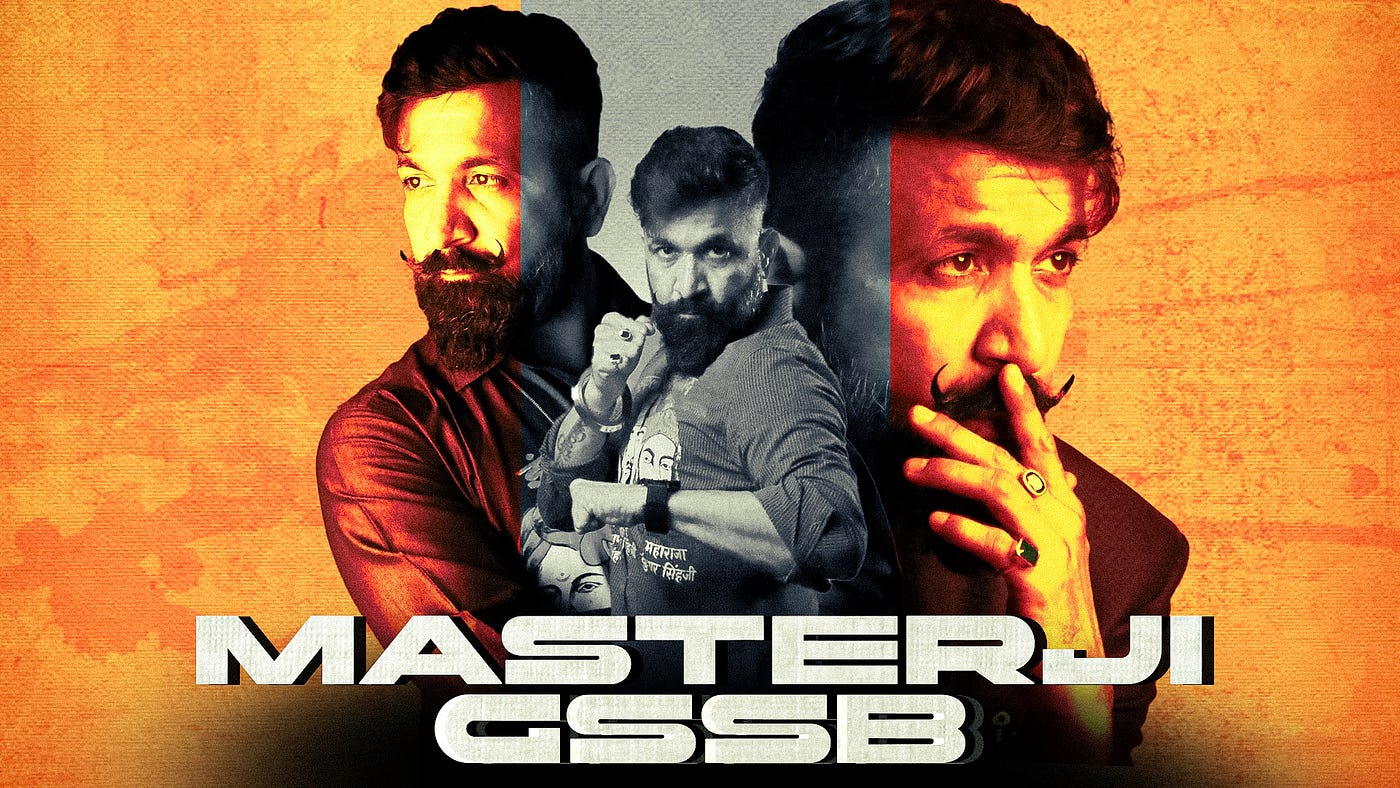
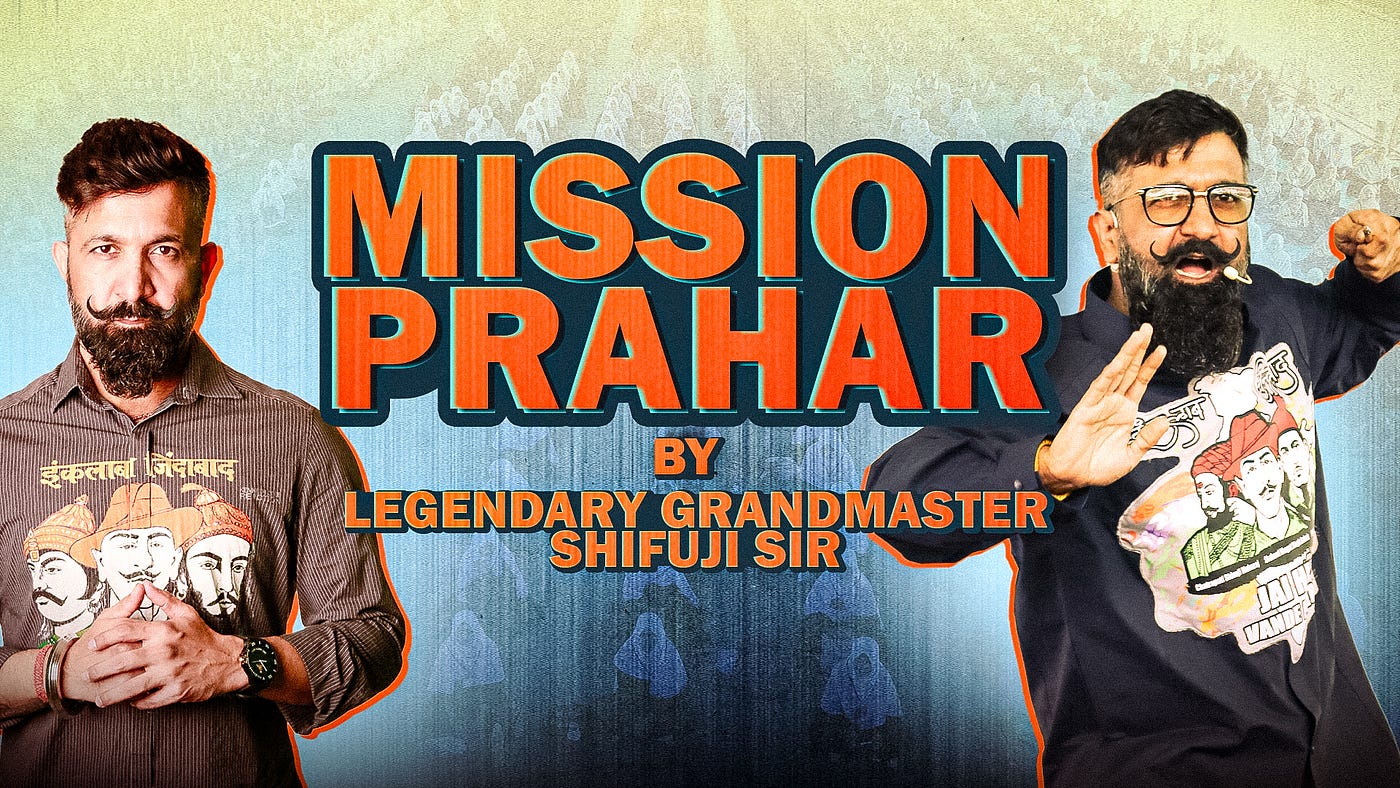
Grandmaster Shifuji Shaurya Bharadwaj rejected that entire premise when he founded Mission Prahar in 1999. Because he understood something that most self defense programs still refuse to acknowledge: the vast majority of women who need self defense training will never set foot in a dojo. They will never own pepper spray. They will never have years to train. And when an attack happens, they will not be carrying a weapon.
But they will be carrying a pen. They will be carrying an ATM card. A dupatta. A mobile phone. A set of bangles. A jooda stick in their hair. A safety pin on their dupatta. A set of keys in their bag. And if they have been trained correctly, those everyday objects objects they already own, objects they already carry, objects that cost nothing and are available everywhere become survival tools as effective as any weapon ever invented.
This is the philosophical and tactical foundation of Mission Prahar’s training system. And it is what makes Mission Prahar fundamentally different from every other self defense program in India. Not just different in degree, but different in kind. Because Mission Prahar does not teach women to be martial artists. It teaches them to be survivors. And survival does not wait for you to get a black belt or buy a weapon. Survival happens with whatever is in your hand right now.
This blog exists to explain exactly how that works. Object by object. Technique by technique. So that every woman reading this can look around at the things she already owns and understand: you are not defenseless. You never were.
The Core Philosophy: Accessibility Over Complexity
Before we examine the specific objects and techniques Mission Prahar teaches, it is essential to understand the philosophy that drives the entire approach. Because the choice to teach self defense using everyday objects is not a convenience. It is a statement about who self defense training should serve.
Most self defense programs assume their participants have access to resources. Access to gyms. Access to equipment. Access to disposable income for pepper spray, whistles, personal alarms, and specialized tools. Access to time for months or years of training. These assumptions immediately exclude the vast majority of Indian women particularly women in rural areas, women from economically weaker sections, women who face cultural restrictions on their mobility, and women who work long hours for low wages and cannot afford the luxury of multi year training programs.
Mission Prahar was designed specifically for the women these programs exclude. And the decision to base the entire training system on everyday objects is what makes that possible. A pen costs five rupees. A dupatta is already worn by millions of Indian women every day. An ATM card is in every woman’s wallet. A mobile phone is in every woman’s hand. These are not things you need to buy. These are not things you need to carry in addition to what you already carry. These are things you already have.
This removes the economic barrier to self defense training entirely. It removes the accessibility barrier. And most importantly, it removes the psychological barrier the belief that self defense is only for women who are physically strong, athletically trained, or equipped with specialized tools. Mission Prahar says: if you can hold a pen, you can defend yourself. If you wear a dupatta, you are already armed. If you carry a phone, you are carrying a weapon.
That shift in mindset from seeing yourself as defenseless to seeing yourself as already equipped is the first and most important lesson Mission Prahar teaches.
The Pen: The Most Underestimated Weapon in Your Hand
The pen is the single most ubiquitous object in Mission Prahar’s training system. And for good reason. A ballpoint pen, when used correctly, is one of the most effective self defense tools a woman can carry. It is small, legal, socially acceptable, and available everywhere. Students carry it. Office workers carry it. Teachers carry it. Homemakers keep it in their bags. And unlike pepper spray or a knife, no one questions why you have it.
But the real power of the pen is not its availability. It is its lethality when applied correctly.
A pen, held in a closed fist with the tip protruding from the bottom of the hand, becomes a stabbing instrument capable of penetrating soft tissue and causing extreme pain. The technique Mission Prahar teaches is simple: grip the pen tightly in your dominant hand with your thumb on top for stability. When an attacker grabs you, strikes you, or corners you, drive the pen downward or upward into the nearest vulnerable point the attacker’s hand, arm, throat, eyes, or solar plexus.
The throat is the primary target. A pen jabbed into the soft tissue of the throat with moderate force causes immediate choking, panic, and loss of focus. The attacker’s grip loosens. Their ability to continue the assault collapses. And you have the three second window you need to escape.
The eyes are the secondary target. A pen thrust toward the attacker’s eyes does not need to make contact to be effective. The instinctive reflex to protect the eyes causes the attacker to raise their hands, turn their head, and break their own attack pattern. If the pen does make contact, even a glancing strike to the eye area causes extreme pain and temporary vision impairment.
The hands and arms are tertiary targets. If the attacker is grabbing your wrist, your arm, or your clothing, a pen jabbed into the back of their hand or the inside of their forearm where nerve clusters are close to the surface causes sharp, immediate pain that forces them to release their grip.
Mission Prahar drills this technique repeatedly until it becomes muscle memory. The goal is not to think about where to strike. The goal is for your hand to know where to strike automatically, without conscious thought, in the chaos of a real attack.
And here is what makes the pen so powerful: it does not require strength. A 50 kilogram woman can deliver the same incapacitating strike as a 90 kilogram man, because the effectiveness comes from precision and speed, not from force. The pen’s tip concentrates all the force of the strike into a single point of contact. That is basic physics. And it is why the pen is Mission Prahar’s most taught everyday object defense.
The Dupatta: From Symbol of Modesty to Tool of Survival
The dupatta is one of the most culturally significant items of clothing in India. Worn by millions of women across every region, every religion, and every economic class, the dupatta is a symbol of modesty, tradition, and cultural identity. It is also, in the hands of a Mission Prahar trained woman, one of the most versatile self defense tools available.
Most women who wear a dupatta see it as fabric. Mission Prahar teaches them to see it as a restraint, a distraction, a choking tool, and a striking instrument all in one.
The most direct application of the dupatta in self defense is as a choking tool. If an attacker approaches from behind or corners you in a confined space, the dupatta can be wrapped around their neck and pulled tight in a choking hold. The technique requires speed and surprise, but it does not require strength. The dupatta, when pulled taut across the throat, restricts airflow and causes immediate panic. The attacker’s hands move to their throat instinctively, releasing whatever grip they had on you. That is the window for escape.
The dupatta can also be used as a distraction tool. If you are being followed or approached by someone whose intentions are unclear, whipping the dupatta toward their face especially their eyes creates a momentary flinch response. Their vision is obscured. Their attention is diverted. And in that split second, you create distance, you scream, you run, or you prepare to strike with another object.
The dupatta can function as a binding tool. If an attacker grabs your wrist or your arm, the dupatta can be looped around the attacker’s hand or wrist and pulled tight, trapping their arm and creating leverage that allows you to break their grip or pull them off balance.
And in a particularly clever application taught in Mission Prahar’s advanced training, the dupatta can be used to protect your own hands and arms when striking. If you need to punch or strike an attacker but you are concerned about injuring your hand, wrapping the dupatta tightly around your fist creates padding and support that allows you to deliver harder strikes without risking broken bones in your own hand.
The dupatta is also psychologically powerful because it inverts a cultural symbol. For generations, Indian women have been told that the dupatta is about modesty, about covering, about making yourself less visible. Mission Prahar teaches that the same piece of fabric can be a weapon. It can be a tool of power. And that inversion from covering to striking is itself a radical act.
The ATM Card and ID Card: Plastic Becomes a Blade
An ATM card or an ID card does not look like a weapon. It is flat. It is small. It is made of plastic. And yet, when held correctly and applied with speed, it becomes one of the most effective striking tools in Mission Prahar’s arsenal.
The technique is based on a simple principle: the edge of a plastic card, when slashed across soft tissue or vulnerable areas of the face, can cause significant pain and shock. The card is held between the thumb and forefinger with a firm grip, flat against the palm, with one edge protruding. The strike is delivered as a slashing motion not a stabbing motion across the attacker’s nose, eyes, or throat.
The nose is the primary target. A hard slash across the bridge of the nose with the edge of a plastic card causes immediate pain, tearing of the eyes, and disorientation. The nose is full of nerve endings and blood vessels, and even a moderate strike causes enough pain to disrupt the attacker’s focus.
The eyes and the area around the eyes are secondary targets. A card slashed across the eyelids or the temples causes a flinch response and temporary vision impairment. The goal is not to cause permanent injury. The goal is to create enough pain and shock to make the attacker stop, recoil, or loosen their grip.
The throat is a more advanced target, used only in situations where the attacker has already made physical contact. The edge of the card, slashed horizontally across the soft tissue of the throat, causes choking, panic, and loss of breath. This is not a technique taught to beginners, but it is part of the Mission Prahar instructor level training for scenarios involving serious physical assault.
What makes the ATM card particularly powerful as a self defense tool is its complete social invisibility. You are holding your ATM card at an ATM. You are holding your ID card at a security checkpoint. No one questions it. No one sees it as a threat. And that invisibility is an advantage, because the attacker does not see it coming.
Mission Prahar also teaches women to keep their cards accessible not buried at the bottom of a purse or a bag, but in an easy to reach pocket or in their hand when walking through a potentially unsafe area. The philosophy is always the same: the best weapon is the one you have in your hand when you need it.
Bangles and Kada: Cultural Jewelry as Impact Weapons
Bangles are worn by millions of Indian women particularly married women as symbols of marital status, cultural identity, and tradition. A kada is a thicker, sturdier bangle or bracelet, often made of metal, worn for religious or cultural reasons. Most women see these as accessories. Mission Prahar teaches them to see these as impact weapons.
The technique is straightforward: bangles, when worn in multiples and gripped together in a closed fist, add weight and hardness to a punch. If you strike an attacker’s face, throat, or temple with a fist wrapped in metal bangles, the impact is significantly greater than a bare knuckle punch. The bangles distribute the force of the strike and protect your own hand from injury.
A kada, being thicker and heavier, can be gripped in the hand and used as a blunt striking tool. The edge of a metal kada, driven into an attacker’s jaw, nose, or temple, delivers a concussive blow that can disorient or incapacitate.
But the most ingenious use of bangles in Mission Prahar’s training is this: bangles can be broken. Glass bangles, when shattered, create sharp edges. If you are grabbed or restrained and you have glass bangles on your wrist, you can intentionally break one by striking it against a hard surface or by crushing it with your other hand. The broken bangle becomes a cutting tool. The sharp edge can be used to slash at the attacker’s hands, arms, or face anywhere skin is exposed.
This technique is taught with extreme caution and only in the context of serious assault scenarios, because the risk of self injury is real. But the point is this: even something as delicate as a glass bangle can become a weapon if you know how to use it.
The cultural significance of teaching women to use bangles and kadas as weapons cannot be overstated. These are objects that women are often required to wear by family or tradition. Mission Prahar reframes them as tools of power. The same bangle that marks you as married can also protect you from assault. That reframing is part of the psychological transformation Mission Prahar creates.
The Mobile Phone: The Weapon You Are Already Holding
The mobile phone is the most universally carried object in modern India. Urban women carry it. Rural women carry it. Students, office workers, homemakers, farmers everyone has a phone. And that makes it the perfect self defense tool.
The technique Mission Prahar teaches is simple: the mobile phone, held in a tight grip with the hard edge or corner facing out, becomes a blunt striking weapon. The corner of a smartphone, driven into an attacker’s temple, jaw, or throat, delivers significant impact. The weight of the phone adds force to the strike, and the hard edge concentrates that force into a small area.
The temple is the primary target. A strike to the temple with the corner of a phone can cause disorientation, dizziness, and loss of balance. The temple is one of the most vulnerable areas of the skull, and even a moderate strike can have an incapacitating effect.
The jaw and the throat are secondary targets. A phone driven into the underside of the jaw or into the soft tissue of the throat causes immediate pain and disrupts the attacker’s ability to continue the assault.
The phone can also be used as a thrown weapon in situations where creating distance is more important than direct contact. A phone thrown at an attacker’s face causes them to flinch, duck, or raise their hands to protect themselves and that moment of distraction is often enough to create the space needed to run.
But perhaps the most important lesson Mission Prahar teaches about the mobile phone is this: do not rely on it to call for help. By the time you unlock your phone, open the dialer, and call someone, the assault may already be over. The phone is a weapon first. A communication device second. Use it to strike. Use it to escape. And then, once you are safe, use it to call for help.
The Jooda Stick: The Hair Pin That Becomes a Pressure Point Tool
The jooda stick also known as a hair stick or a bun pin is a simple, inexpensive hair accessory used by millions of Indian women to hold their hair in place. It is a thin, pointed stick, usually made of wood, plastic, or metal, that slides into a bun and holds it secure.
It is also, in the hands of a Mission Prahar trained woman, a highly effective pressure point tool.
The technique is based on precision, not force. The jooda stick is held like a pen, with the pointed end facing out, and is driven into pressure points on the attacker’s body the back of the hand, the inside of the wrist, the soft tissue between the thumb and forefinger, the base of the neck, or the area just below the ear.
These pressure points are nerve clusters where even light pressure causes sharp, immediate pain. A jooda stick applied to these points with moderate force can cause enough pain to force an attacker to release their grip, pull back, or disengage entirely.
The back of the hand is the most accessible target. If someone grabs your wrist or your arm, the back of their hand is exposed. A jooda stick jabbed into the back of the hand particularly between the bones of the fingers causes sharp pain and an involuntary release reflex.
The area between the thumb and forefinger is another highly sensitive pressure point. A jooda stick driven into this area causes immediate pain and forces the hand to open.
The jooda stick can also be used as a stabbing tool in more serious assault scenarios, targeting the eyes, throat, or other vulnerable areas. But the primary teaching in Mission Prahar is to use the jooda stick as a pain compliance tool something that causes enough discomfort to stop the attack without requiring lethal force.
What makes the jooda stick particularly powerful is that it is invisible. A woman with her hair in a bun is carrying a weapon, and no one knows it. Not the attacker. Not bystanders. Not security personnel. It is completely legal, completely socially acceptable, and completely effective.
Keys, Safety Pins, and Other Small Objects: The Principle of Adaptation
Beyond the primary everyday objects listed above, Mission Prahar teaches women to see almost any small object as a potential tool of self defense. The principle is always the same: sharp objects become stabbing tools, hard objects become striking tools, flexible objects become restraint or distraction tools.
A set of keys, held between the knuckles with the pointed ends facing out, turns a closed fist into a spiked weapon. A punch delivered with keys protruding from the knuckles causes significantly more pain and damage than a bare knuckle punch.
A safety pin, opened and held like a small knife, can be jabbed into an attacker’s hand, arm, or face. The goal is not to cause serious injury but to cause enough pain to disrupt the attack.
A rolled up notebook or magazine, when held tightly, becomes a rigid striking tool similar to a baton. It can be swung at an attacker’s head, face, or arms with significant force.
A handbag, when swung in an arc and driven into an attacker’s face or groin, delivers blunt force trauma. The heavier the bag, the more effective the strike.
Even a water bottle, when gripped tightly and swung, becomes a blunt weapon. A metal water bottle is particularly effective because of its weight and hardness.
The lesson Mission Prahar teaches is this: stop looking at objects as they are labeled and start looking at them as they can be used. A pen is not just for writing. A dupatta is not just for covering. A phone is not just for calling. Everything you carry has a dual purpose. And once you understand that, you are never unarmed.
Why This Approach Works: The Psychology and the Science
The effectiveness of Mission Prahar’s everyday object defense system is not anecdotal. It is grounded in both psychology and biomechanics.
From a psychological standpoint, teaching women to use everyday objects removes the mental barrier that prevents most people from defending themselves. When someone says “I could never fight back,” what they are really saying is “I do not have the tools or the training to fight back.” Mission Prahar removes that excuse. You already have the tools. You carry them every day. And the training is simple enough to be learned in a three day camp.
From a biomechanical standpoint, the effectiveness of everyday objects as weapons comes down to physics. A pen concentrates all the force of a strike into a single point of contact, maximizing pressure. A dupatta creates leverage. An ATM card uses the slashing motion to target nerve rich areas. A phone adds weight to a punch. These are not magical techniques. They are simple applications of force, leverage, and anatomy.
The other reason this approach works is that it is unexpected. Most attackers assume their victims are unarmed. They assume compliance. They assume passivity. When a woman pulls a pen from her bag and drives it into their throat, the attacker’s mental script collapses. That moment of shock is often enough to stop the attack entirely.
You Were Never Defenseless
The most important lesson Mission Prahar teaches is not how to use a pen or a dupatta or a phone. The most important lesson is this: you were never defenseless. You just did not know what you were carrying.
Every day, millions of Indian women walk out of their homes believing they are vulnerable. Believing that if someone attacks them, they have no options. Believing that safety is something that comes from others from police, from family, from luck.
Mission Prahar tells them the truth: safety comes from you. It comes from the pen in your hand, the dupatta on your shoulders, the phone in your pocket, the bangle on your wrist. It comes from knowledge. And knowledge, once learned, can never be taken away.
Forty lakh women have learned this since 1999. And every one of them now sees the world differently. They see a pen and they see a weapon. They see a dupatta and they see a tool. They see their own hands and they see power.
That is what Mission Prahar gives. Not just techniques. Not just training. A complete shift in how you see yourself and what you are capable of.
And that shift is available to every woman in India. Right now. With the objects she already owns.
메타데이터
- post_id
- ec7972f90ba6
- slug
- the-pen-the-dupatta-and-the-power-you-already-carry-mission-prahars-revolutionary-approach-to-ec7972f90ba6
- url
- https://medium.com/@missionpraharteamgssb/the-pen-the-dupatta-and-the-power-you-already-carry-mission-prahars-revolutionary-approach-to-ec7972f90ba6
- canonical_url
- https://medium.com/@missionpraharteamgssb/the-pen-the-dupatta-and-the-power-you-already-carry-mission-prahars-revolutionary-approach-to-ec7972f90ba6
- author_url
- https://medium.com/@missionpraharteamgssb
- status
- ok
- fetched_at
- 2026-06-09 15:37:30