5 Practical Ways to Start Selling Digital Products on Payhip in 2026 (Even If You Have No Audience)
I spent hours designing planners, writing guides, creating product mockups, and setting up product pages. Then I waited days passed then…
5 Practical Ways to Start Selling Digital Products on Payhip in 2026 (Even If You Have No Audience)
I spent hours designing planners, writing guides, creating product mockups, and setting up product pages. Then I waited days passed then weeks followed. I received visitors but no sales.
At first, I thought the problem was the platform.
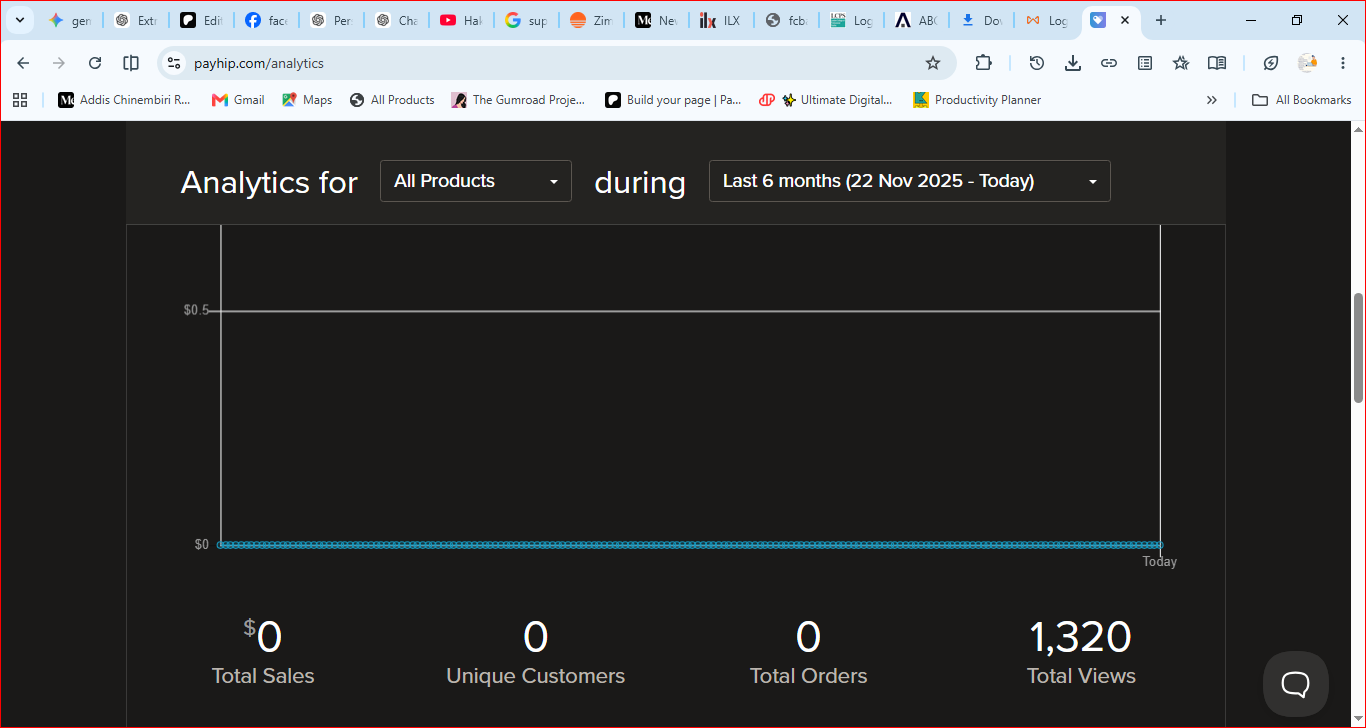
When I personally first opened my Payhip store, I imagined sales would start flowing in automatically. That is very profound from my experience after all I had created what to me looked useful digital products. I spent hours designing planners, writing guides, creating product mockups, and setting up product pages. Then I waited and very unfortunately hours turned into days, before maturing into weeks and later into months and all passed. I received only hundreds of daily visitors but no sales.
At first, I thought the problem was the platform. Then I thought maybe my digital products were too competitive. Eventually, I realized the real issue was not Payhip. The issue was that I did not yet understand how people discover, trust, and buy digital products online.
The good news is that Payhip remains one of the best platforms for beginners in 2026. The creator economy continues to grow, and more people than ever are buying digital products that help them save time, learn skills, solve problems, and improve their lives. The challenge is knowing how to position your products in a crowded marketplace.
These are five lessons I learned that can help any beginner start selling digital products on Payhip more effectively.
1. Start by Solving One Specific Problem
One of the biggest mistakes I made was creating products that tried to help everyone. The problem with helping everyone is that nobody feels like the product was created specifically for them. The products that tend to sell best solve one clear problem for one specific audience.
Consider the difference between creating a generic study guide and creating a study guide specifically for first year university students preparing for final examinations. The second option speaks directly to a target customer who immediately recognizes the value.
In today’s digital economy, buyers are looking for solutions rather than products. A student wants help passing exams. A job seeker wants help landing interviews. A small business owner wants help attracting customers. The more clearly your product solves a problem, the easier it becomes to market and sell.
2. Create Content That Educates Before It Sells
One lesson I learned the hard way is that people rarely buy from strangers. They buy from people they trust. Many beginners spend most of their time promoting products and very little time educating potential customers. In reality, valuable content often generates more sales than direct advertising.
For example, if you sell budgeting templates, you can create LinkedIn posts about saving money, short TikTok videos about budgeting mistakes, or Pinterest content about financial planning. If you sell study materials, you can share study tips and exam preparation advice. This approach allows potential customers to experience your expertise before they ever see your product page. In 2026, attention is expensive. Trust is even more valuable. Educational content helps build both.
3. Make Your Product Pages Look Professional
A surprising lesson I learned was that even a great product can struggle if the presentation looks unprofessional. Many customers decide within seconds whether a product appears trustworthy. Product images, descriptions, titles, and previews play a major role in that decision.
When I improved my mockups, rewrote my product descriptions, and added clearer previews, my products immediately looked more valuable.
Think about it from the buyer’s perspective. If two similar products exist, most people will choose the one that looks polished and professional.
In today’s digital marketplace, presentation is not just about appearance. It communicates credibility.
A clean cover design, attractive mockups, clear product benefits, and a well written description can significantly improve conversion rates.
4. Build an Email List from Day One
If there is one lesson I wish I had learned earlier, it is the importance of building an email list.
Many creators focus entirely on getting sales today and forget about future sales opportunities. Every visitor who leaves without purchasing represents a missed opportunity if you have no way to reconnect with them.
Offering a useful free resource can encourage visitors to join your email list. This could be a checklist, template, mini guide, planner sample, or educational resource related to your niche.
For example, someone selling academic guides could offer a free assignment planning template. Someone selling business templates could offer a free startup checklist.
Over time, an email list becomes one of the most valuable assets in an online business because it allows you to communicate directly with people who have already shown interest in your work.
Many successful digital product creators earn repeat sales not because they constantly find new customers, but because they continue serving existing subscribers.
5. Focus on Consistency Rather Than Virality
One misconception I had was believing I needed a viral post to generate sales.
While viral content can certainly help, most successful Payhip stores grow through consistency rather than overnight success.
The creators earning steady income in 2026 are often the ones who publish helpful content regularly, improve their products continuously, and engage with their audiences over time.
I have seen creators with relatively small audiences generate more revenue than creators with large followings because they consistently provide value and stay visible.
A single LinkedIn article may attract a few visitors. A Pinterest pin may generate traffic months later. A TikTok video might bring attention to a product weeks after publication. Over time, these efforts accumulate.
Success often looks less like a sudden breakthrough and more like a gradual process of building trust, visibility, and authority.
Conclusion
Looking back, the biggest lesson I learned about selling digital products on Payhip is that success is rarely about having the perfect product. It is usually about understanding people.
People buy products that solve real problems. They buy from creators they trust. They respond to consistent value rather than constant sales pitches.
The opportunities available in the digital product market in 2026 are larger than ever before. Students are purchasing educational resources. Entrepreneurs are buying business templates. Professionals are investing in productivity tools. Parents are downloading learning materials for their children.
The demand exists. The challenge is positioning your products where the right people can find them.
If I were starting again today, I would spend less time worrying about making the perfect product and more time focusing on helping a specific audience solve a specific problem. That simple shift in mindset is what ultimately transformed my approach to selling digital products online.
The creators who succeed on Payhip are not necessarily the most talented. They are often the ones who remain patient, continue learning, and consistently create value for the people they serve.
메타데이터
- post_id
- ed9bbc3c4852
- slug
- 5-practical-ways-to-start-selling-digital-products-on-payhip-in-2026-even-if-you-have-no-audience-ed9bbc3c4852
- url
- https://medium.com/@proacademia/5-practical-ways-to-start-selling-digital-products-on-payhip-in-2026-even-if-you-have-no-audience-ed9bbc3c4852
- canonical_url
- https://medium.com/@proacademia/5-practical-ways-to-start-selling-digital-products-on-payhip-in-2026-even-if-you-have-no-audience-ed9bbc3c4852
- author_url
- https://medium.com/@proacademia
- status
- ok
- fetched_at
- 2026-07-13 06:23:13