Winter 2026 Senior Living Guide: Safety, Comfort, Wellness
Winter 2026 Senior Living Guide: Safety, Comfort, Wellness

Preparing for a Safer, Healthier Winter in Senior Living
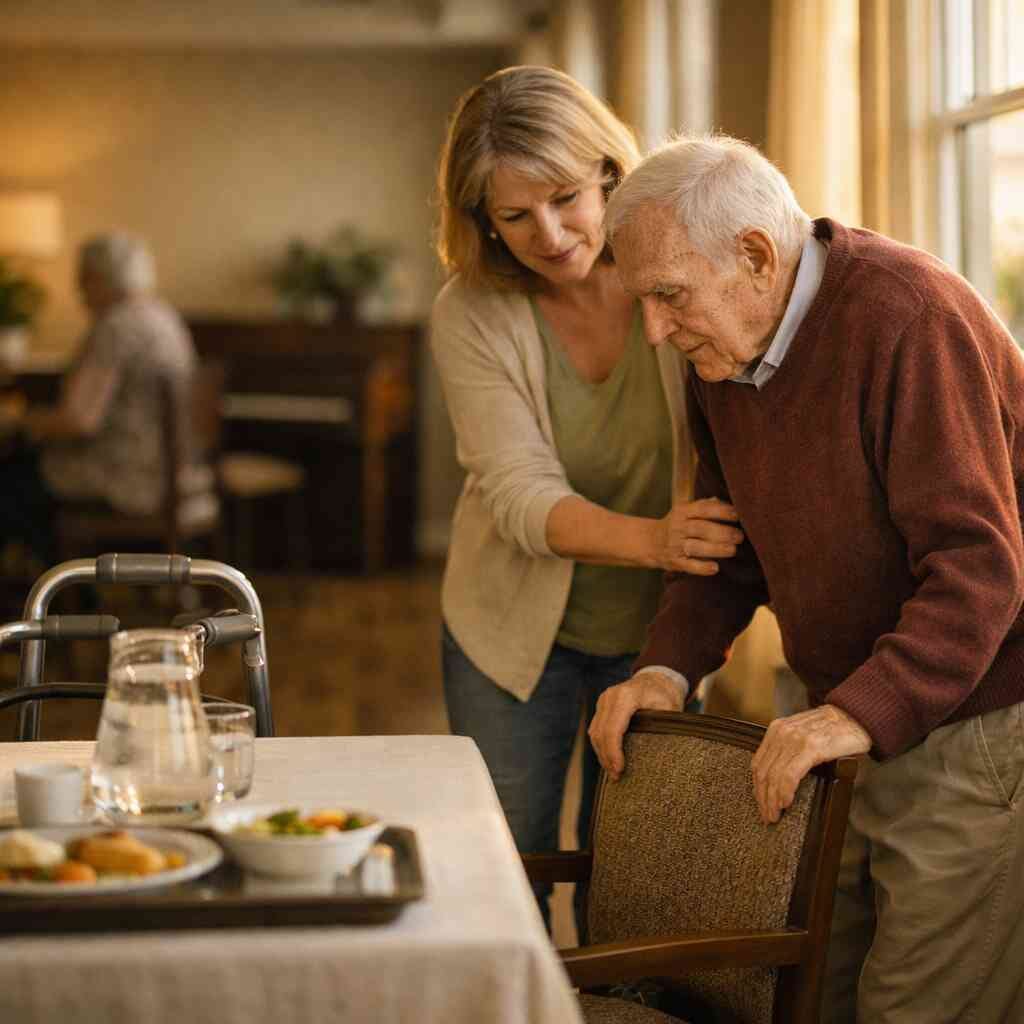
A Mid-Atlantic ice storm can arrive as quickly as a Florida cold front, and both bring the same challenge: keeping older adults safe, warm, and engaged. This guide looks at how senior living communities — independent, assisted, and skilled nursing — are upgrading winter protocols in 2026. From generator drills to virtual beach trips, the goal is the same: protect residents without sacrificing quality of life.
Why Preparation Beats Reaction
Proactive winter planning is more than stocking salt and shovels. When the first snowflake falls, every minute counts. Communities that rehearse response plans well before December report fewer weather-related injuries and less service disruption. Three core areas deserve equal focus:
- Environmental Safety — clear walkways, reliable heat, and backup power.
- Health Protection — flu vaccination strategy, hydration cues, and hygienic common areas.
- Social Connection — events, transportation alternatives, and technology that fights isolation.
Treating these pillars as interconnected creates a culture where prevention feels routine, not restrictive.
Hardening the Physical Environment
Energy-Efficient Apartments
Smart thermostats now come standard in many 55-plus communities. They adjust heat based on time of day, occupancy, and local utility alerts. Residents stay comfortable, and operators avoid unexpected spikes in energy costs.
Backup Power Drills
Most buildings have generators, but reliability hinges on practice. Staff at leading facilities perform quarterly “dark-hallway” drills that simulate a grid failure. Teams map every elevator, medication fridge, and oxygen concentrator to a specific outlet on the backup panel. When an outage does occur, there is no frantic searching — just a practiced switch to standby power.
Slip-Resistant Design
• Heated entrance mats melt light snow before it turns to ice.
• Color-contrasted stair nosing helps residents with low vision detect edges.
• Indoor transition strips are replaced with low-threshold alternatives to reduce trip hazards.
These upgrades rarely make marketing brochures, yet they prevent the majority of winter falls.
Strengthening Health Shields
Layered Flu Defense
Closed windows trap airborne viruses, so communities lean on a multilayer approach:
- Vaccination Dashboard — digital boards show real-time inoculation rates, nudging holdouts toward the on-site clinic.
- Portable HEPA Purifiers — positioned in TV rooms and dining spaces where residents linger the longest.
- Micro-Training Sessions — five-minute demos on mask fit and hand hygiene delivered during activity breaks. Short, frequent reminders improve retention compared with one long lecture each fall.
Telehealth for Treacherous Days
A slick parking lot should not cancel a cardiology follow-up. Tablets with secure video platforms make virtual visits routine. Residents can:
- Stream blood pressure or glucose readings via Bluetooth devices.
- Share wound images with a nurse practitioner for same-day feedback.
- Join psychology sessions that counteract seasonal affective disorder.
High-speed Wi-Fi has become a clinical tool as much as an entertainment perk.
Nutrition That Warms and Heals
Culinary teams shift menus toward:
- Bone broth–based soups rich in collagen.
- Dark-leafy vegetables sautéed in heart-healthy oils.
- Vitamin-D-fortified dairy alternatives for residents who spend fewer hours in natural sunlight.
Hydration stations with warm herbal teas also encourage fluid intake when cold weather reduces thirst cues.
Maintaining Social Vitality
Isolation amplifies winter risk by eroding both mood and immune function. Modern senior living counters the shorter daylight hours with creativity.
Indoor Fitness That Fits Any Mobility Level
ProgramBenefitChair yogaGentle joint lubrication and balance practiceTai chi circuitsLow-impact movement plus mindfulnessGuided resistance band classMaintains muscle mass without heavy equipment
Sessions are live-streamed to resident apartments, removing distance barriers yet still allowing real-time instructor feedback.
Pop-Up Markets and Mobile Services
When roads are icy, communities invite local artisans, pharmacists, and bank representatives inside the clubhouse. Residents shop for gifts, refill medications, and manage finances without leaving campus. Everyone wins: older adults stay safe, while small businesses gain a loyal customer base.
Virtual Reality Escapes
A headset can transport a resident to the Grand Canyon or a Caribbean reef. The immersive setting combats cabin fever and stimulates cognitive engagement. Facilities that invest in multi-user VR lounges report higher participation than traditional movie nights, especially on days when outdoor excursions are canceled.
Aligning Personal Goals With Community Resources
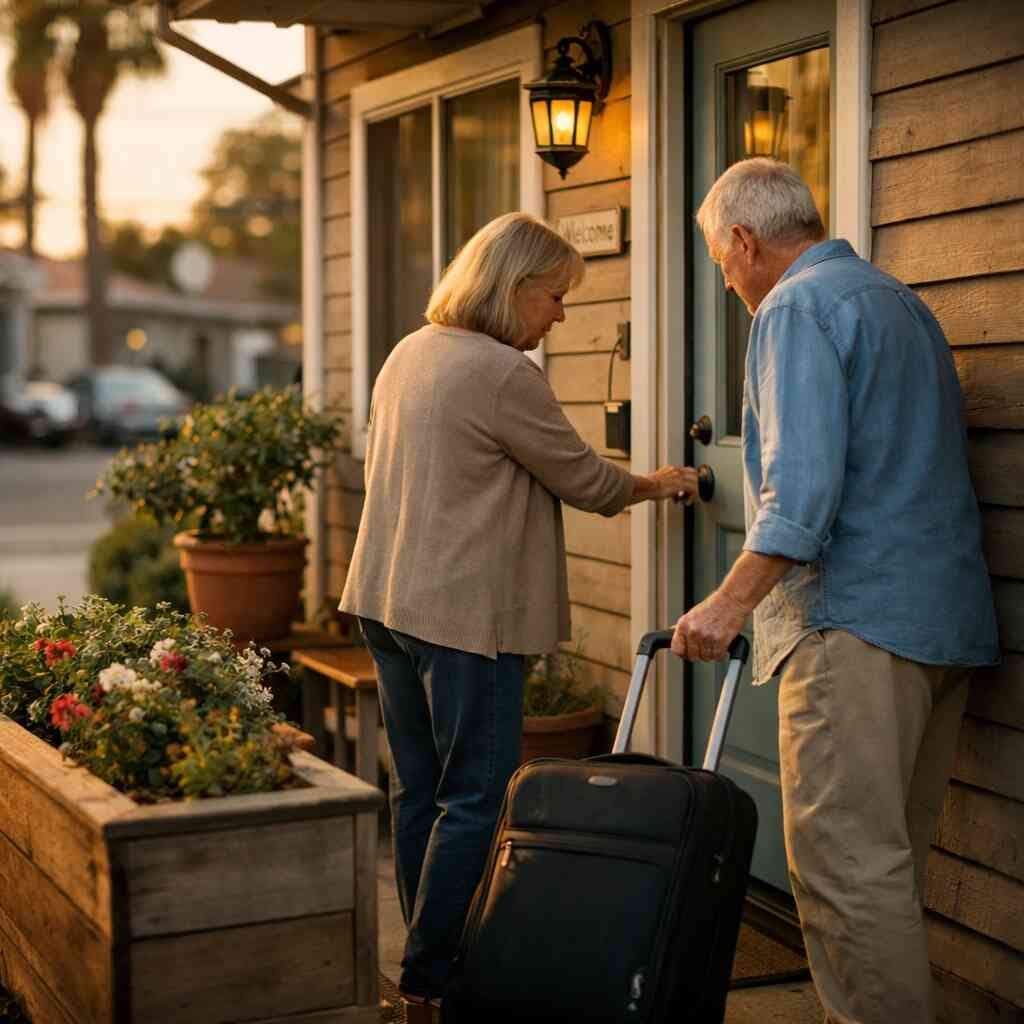
Moving during winter may feel counterintuitive, yet planning ahead often secures the best fit. Prospective residents can use this seasonal checklist:
- List Non-Negotiables — mobility aid availability, pet policies, and proximity to worship services.
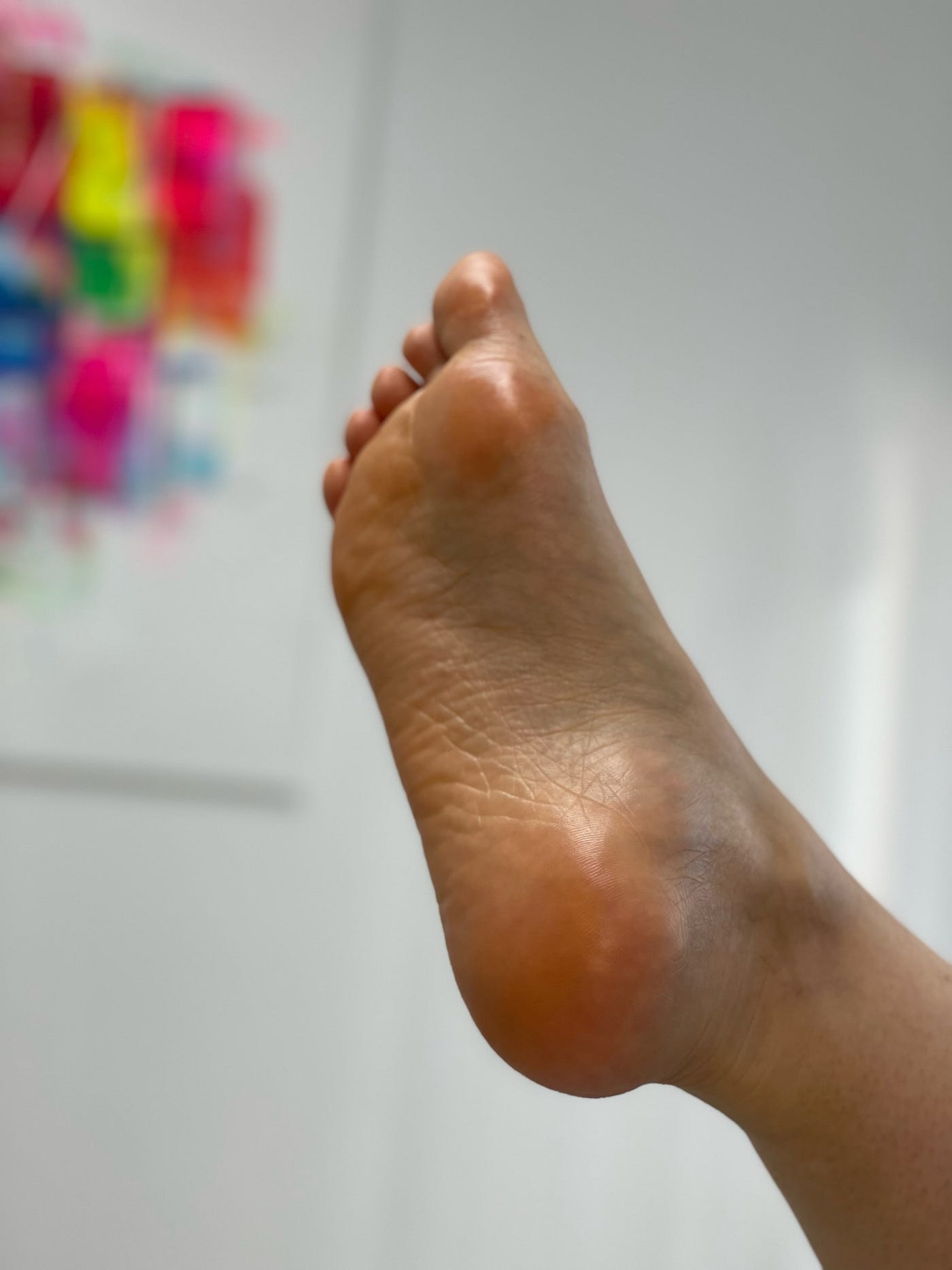
- Review Care Plans — ensure chronic conditions (COPD, diabetes) have winter-specific protocols, such as pulse-ox monitoring or foot care clinics.
- Clarify Utility Costs — ask whether heat is included or whether there are caps on electricity usage.
- Confirm Transportation Options — shuttle vans should have snow tires and lifts inspected before Thanksgiving.
Completing these steps early prevents last-minute rushes when a surprise blizzard hits the moving date.
Financial Safeguards for Heating Season
Utility assistance is not just for homeowners. Many states extend energy-cost relief to renters in senior housing. Residents or their families can:
- Check eligibility for Low Income Home Energy Assistance Program (LIHEAP) benefits.
- Inquire about community group-purchase agreements with local gas or electric providers.
- Explore senior apartment leases that bundle heat into the monthly rent, shielding budgets from market volatility.
Starting the conversation in autumn leaves enough time to gather documents and avoid gaps in service.
A Shared Responsibility Model
The most successful winter strategies rely on collaboration:
- Residents report drafty windows or icy paths promptly.
- Families supply weather-appropriate footwear and encourage adherence to vaccination schedules.
- Staff execute drills, maintain equipment, and deliver empathetic education.
- Administrators allocate funds for upgrades and continuously evaluate outcomes.
When each stakeholder owns their piece, the entire community becomes resilient.
Key Takeaways for 2026
- Smart thermostats, HEPA filtration, and VR lounges are now mainstream tools, not luxury add-ons.
- Regular generator and evacuation drills reduce chaos during real outages.
- Telehealth converts hazardous travel days into safe, productive clinical visits.
- Nutrition, hydration, and social programming are just as critical as shovels and salt.
Winter will always test senior living environments, but preparation, technology, and a wellness mindset have redefined what “snowed in” looks like. With the right systems in place, residents can focus on enjoying hot cocoa by the fireplace rather than worrying about the forecast.
Final Thought
Safety measures work best when they fade into the background of daily life. By embedding prevention into design, culture, and routine, senior living communities ensure that the colder months remain a season of comfort — not compromise.
메타데이터
- post_id
- eda44b36cb69
- slug
- winter-2026-senior-living-guide-safety-comfort-wellness-eda44b36cb69
- url
- https://medium.com/@seniorlivingfacilities/winter-2026-senior-living-guide-safety-comfort-wellness-eda44b36cb69
- canonical_url
- https://medium.com/@seniorlivingfacilities/winter-2026-senior-living-guide-safety-comfort-wellness-eda44b36cb69
- author_url
- https://medium.com/@seniorlivingfacilities
- status
- ok
- fetched_at
- 2026-07-20 19:53:03