Suresh K. Nair: Painting a Path to Sustainable Peace Through Art in a World Torn by Hatred
In a time when the world is engulfed in the flames of war, division, and ideological extremism, the work of Indian artist and muralist…
Suresh K. Nair: Painting a Path to Sustainable Peace Through Art in a World Torn by Hatred
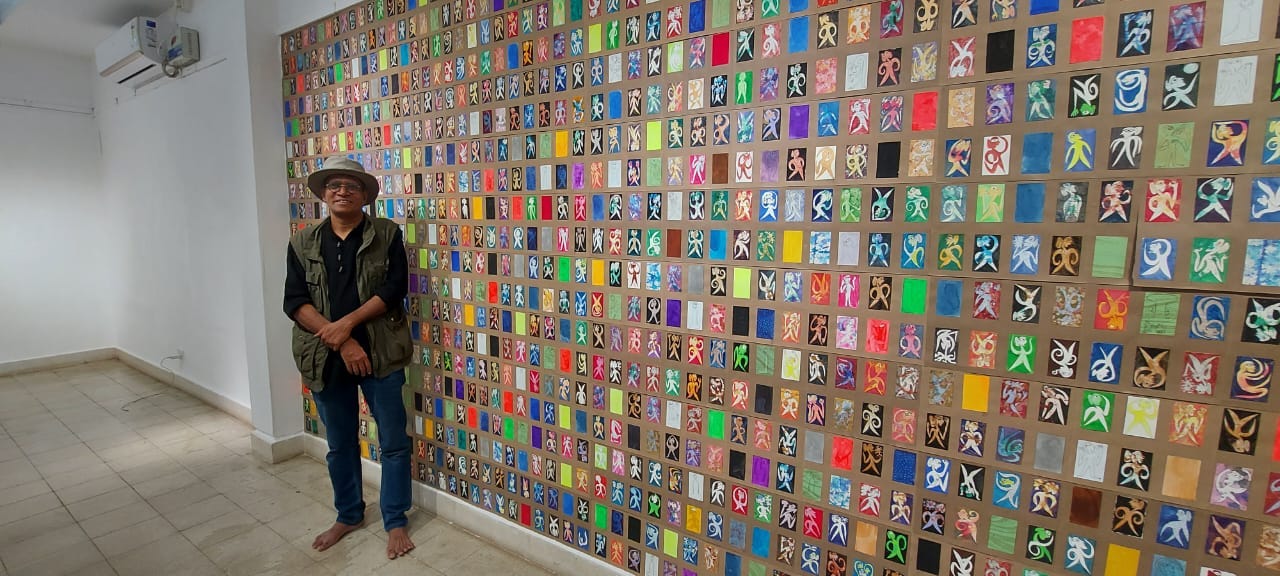
Prof. Suresh K. Nair: an icon of 3 H (Hope, Human Dignity and Honour)
In a time when the world is engulfed in the flames of war, division, and ideological extremism, the work of Indian artist and muralist **Professor Suresh K. Nair offers an enduring message: Art can be the language of sustainable peace, unity, and shared humanity. His creative journey, rooted in the soil of Varanasi and Vellinezhi, blossoms as a profound commitment to the spirit of diversity, inclusiveness, and global solidarity.**
Amid conflict zones and humanitarian crises, where hate festers and borders divide, Suresh’s miniature paintings — each a sacred whisper of harmony — stand as silent but powerful acts of resistance. His work revives the civilizational ethic of “Vasudhaiva Kutumbakam” — the world is one family — and channels the living soul of Varanasi, a city where pluralism has always been sacred.
The Genesis of a Global Peace Project
The pandemic years tested the world’s resilience. But for Suresh, they became the canvas for a groundbreaking idea — to paint 4,500 miniature artworks as tokens of love, spiritual resilience, and peace. Working in isolation, often while confronting the fear of illness himself, he began painting on handmade cards no larger than a visiting card. What emerged was a monumental collection of small works — each representing gestures from Buddhist traditions, classical Indian dance, Kerala’s ancient shadow puppetry (Pavakkoothu), and yogic postures.
On the reverse of each painting, he inscribed: “Loka Samastha Sukhino Bhavantu” — May all beings, in all worlds, be happy.
These miniatures are not merely decorative. They are spiritual seeds of hope — planted in the hearts of villagers across India, Bangladesh, and Nepal. Each recipient becomes a participant in a movement that speaks in the universal language of art, compassion, and coexistence.
Varanasi: A Living Tapestry of Coexistence
It is no coincidence that Suresh lives and teaches in Varanasi, one of the oldest living cities in the world and a crucible of India’s philosophical, spiritual, and cultural pluralism. In this city, where the call to prayer from mosques blends with Vedic chanting from temples, and where the songs of Kabir echo in every ghat, art has always been a reflection of diversity and dialogue.
As a Professor of Painting at Banaras Hindu University, Suresh integrates this multi-religious, multi-lingual, and multi-cultural ethos into his pedagogy and practice. His students are not just taught to paint — they are taught to listen, feel, and interpret the rhythms of a shared life.
Varanasi’s Ganga Aarti, its cycle-rickshaw bells, its Ramleela, Drupad Mela, and Sufi qawwalis — all form a sonic and visual vocabulary that Suresh translates into his art. His calligraphic drawings of Indian classical music, his murals inspired by dance and gesture, and his miniatures born of silence and meditation all carry the spirit of inclusive sacredness.
From Walls to Cards: An Artist Adapts, But the Message Remains
Best known for his large-scale murals — including the Wall of Peace in Kerala, a peace mural on the India-Pakistan border, and government-sponsored works in Nepal and literary festivals across India — Suresh had to turn inward during the lockdown. With walls inaccessible, he turned to cards no bigger than a palm, distilling grand visions into intimate reflections.
Yet, these tiny artworks may be his most profound. They remind us that peace does not always roar — it often whispers. In a world where hate is loud, these gestures are deliberate, meditative, and deeply human.
In fact, his Thousand Gestures project, formed during days of self-isolation and health panic, became a kind of visual autobiography of living through uncertainty. It was also a collective diary of the global human condition during a time of crisis.
A Public Art Movement for Peace
Suresh’s ongoing World Peace Public Art Project is both local and global. It includes the distribution of miniature artworks in:
- Vellinezhi Village, Kerala (4500 artworks)
- Kushtia Village, Bangladesh (2000 artworks)
- Kumbhadaara, Nepal (1800 artworks)
- Santiniketan, West Bengal (2000 artworks)
- Cholamandalam, Tamil Nadu (1000 artworks)
- Auroville, Pondicherry (3000 artworks)
- Varanasi, India (2000 artworks — supported by our own initiative)
Each village becomes a node in a network of global peace, a repository of shared memory and a testament to art as a democratic, healing force.
These paintings are not just distributed — they are gifted. The act of giving is as important as the painting itself. In each exchange, a relationship is formed — across language, faith, geography, and ideology.
[embed]
Peace Is a Verb: Art in Action
Suresh does not stop at symbolism. He is committed to collaborative art-making. He works with masons, laborers, students, and local artisans. He invites Tech artists, AI developers, dancers, musicians, and environmentalists to co-create public art that is accessible, inclusive, and rooted in lived experience.
This isn’t just about aesthetics — it’s about activism through art. It’s about replacing propaganda with presence, and war cries with whispers of compassion.
In the age of climate crisis, digital surveillance, and armed conflict, Suresh is quietly demonstrating that sustainable peace begins not in political treaties, but in transformed human relationships. His work embodies the principle that every act of artistic expression is also an act of hope.
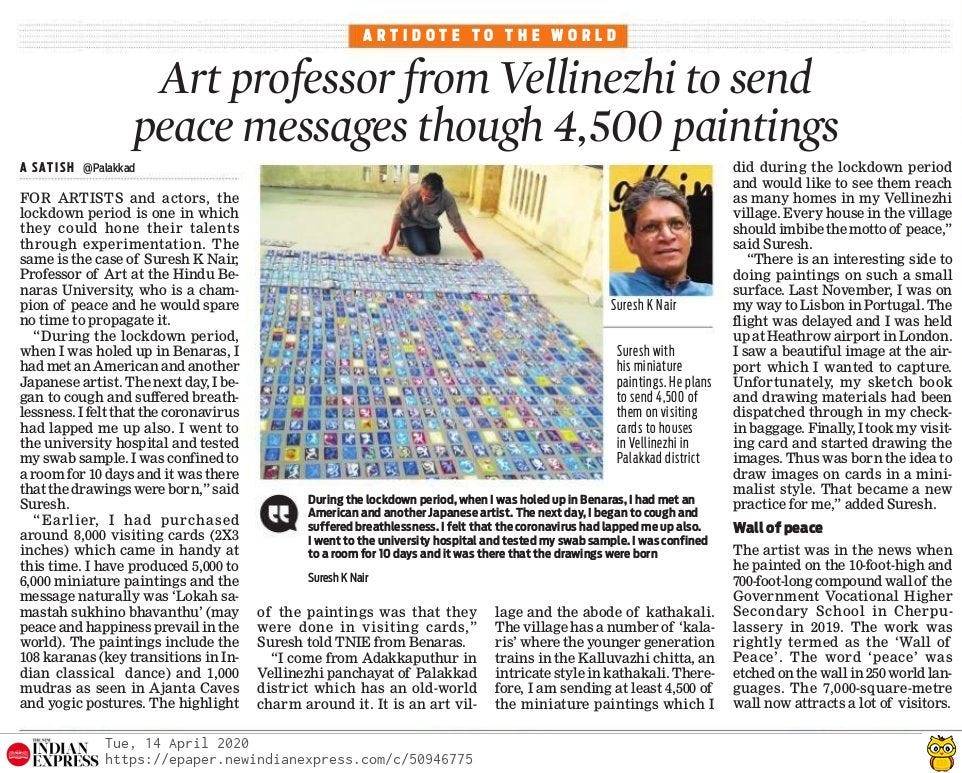
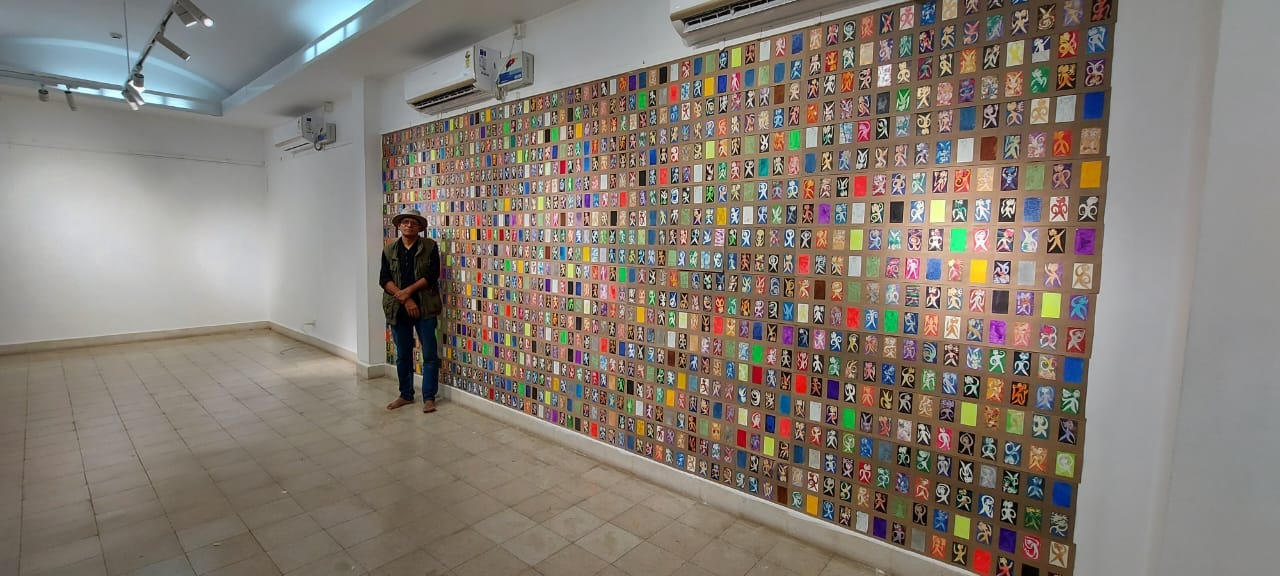
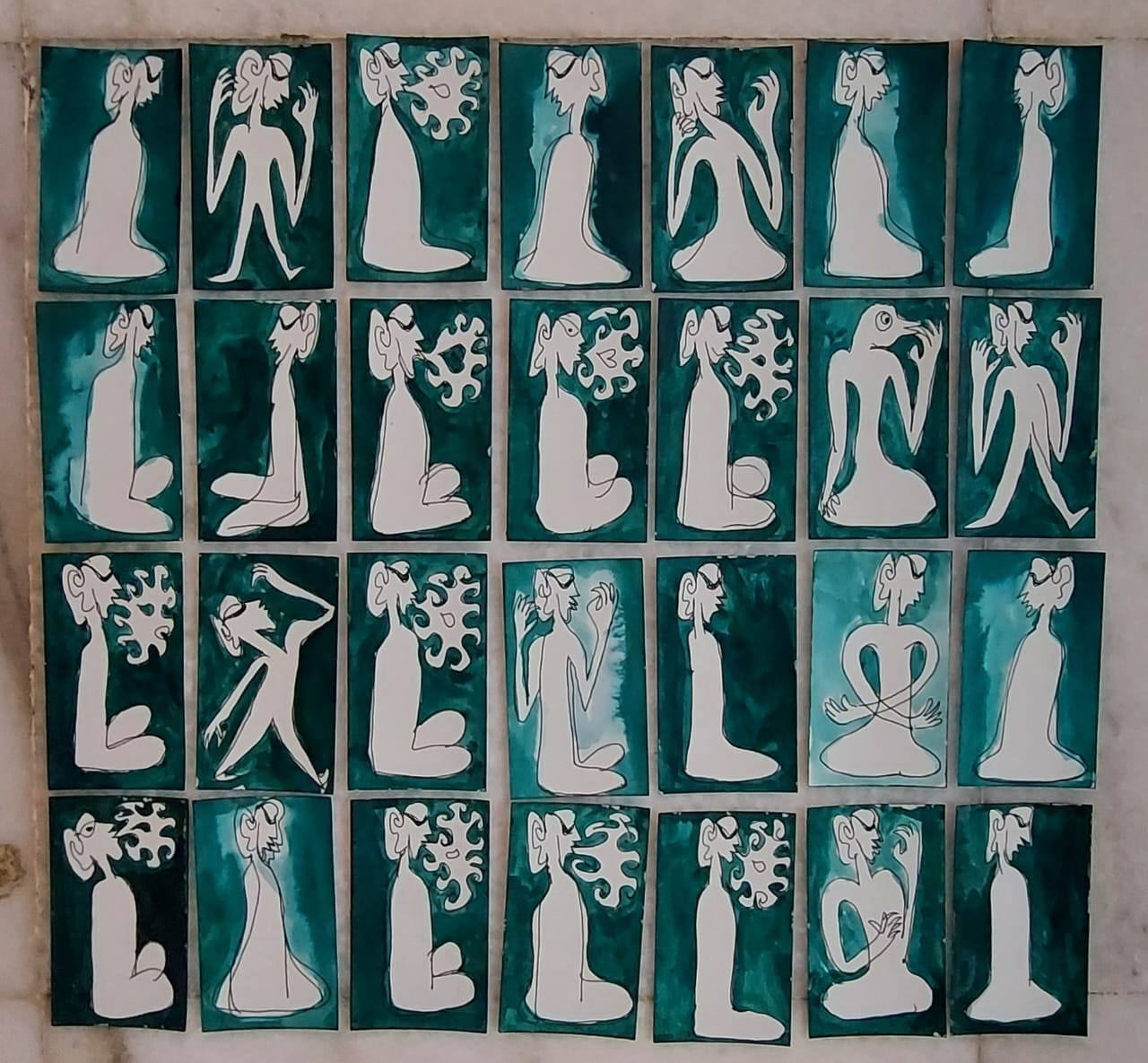
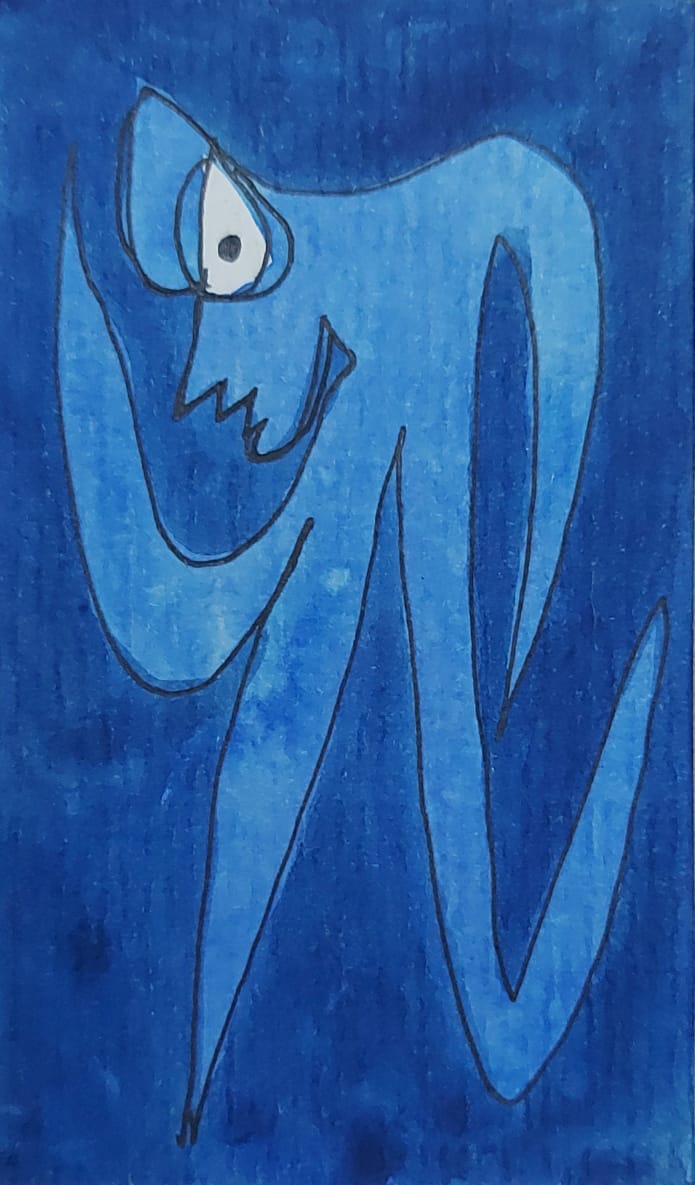
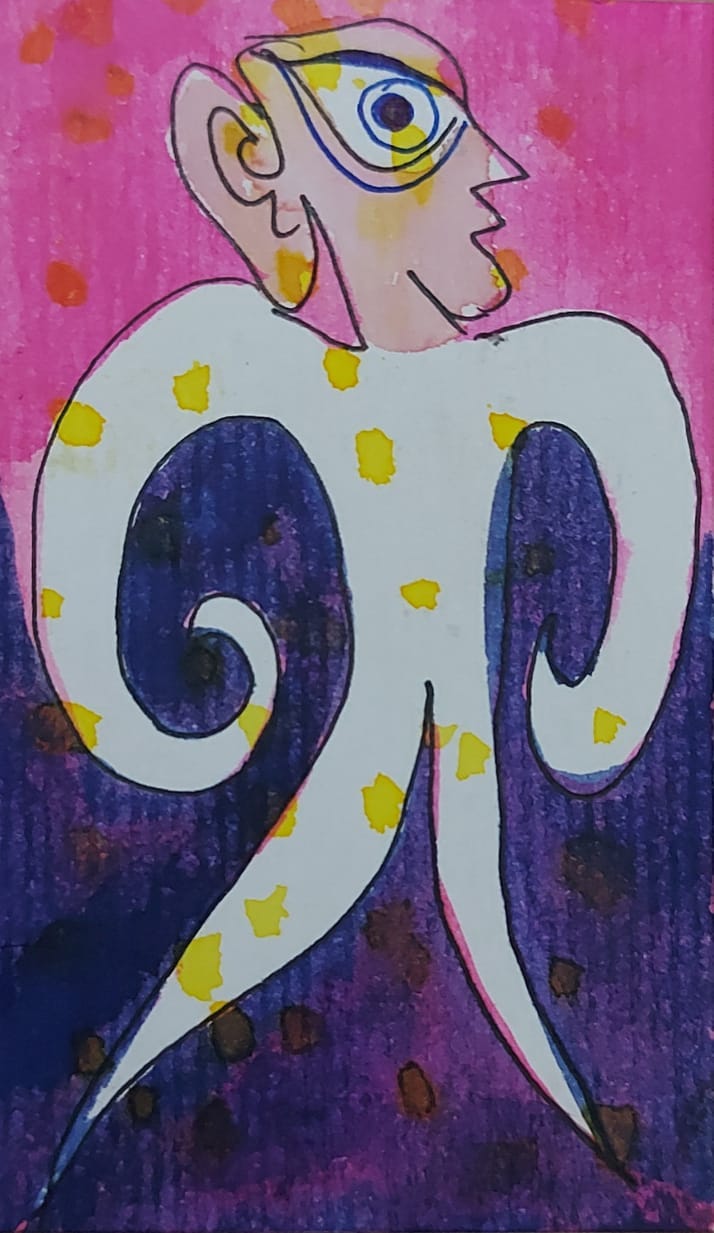
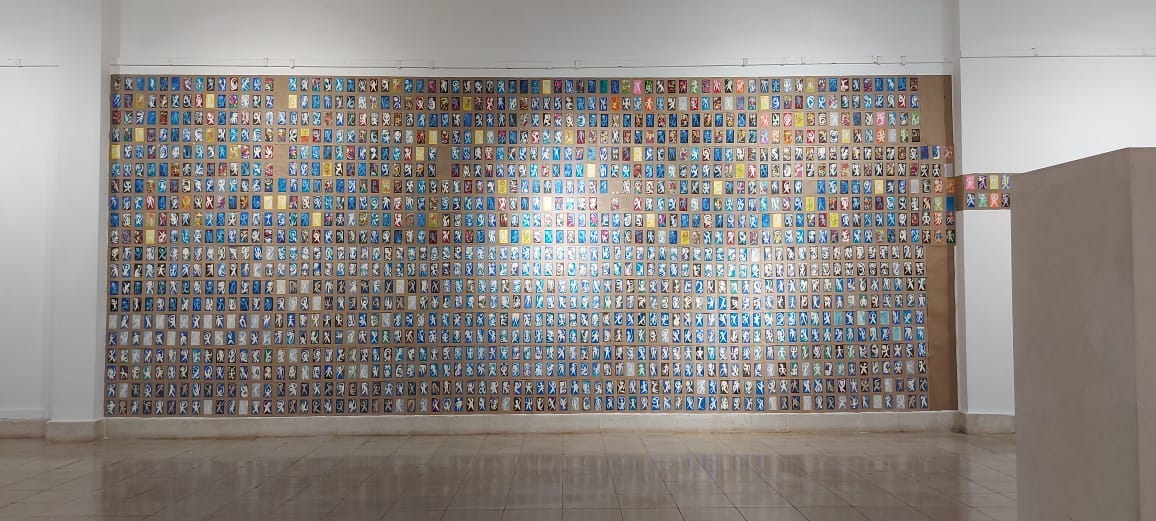
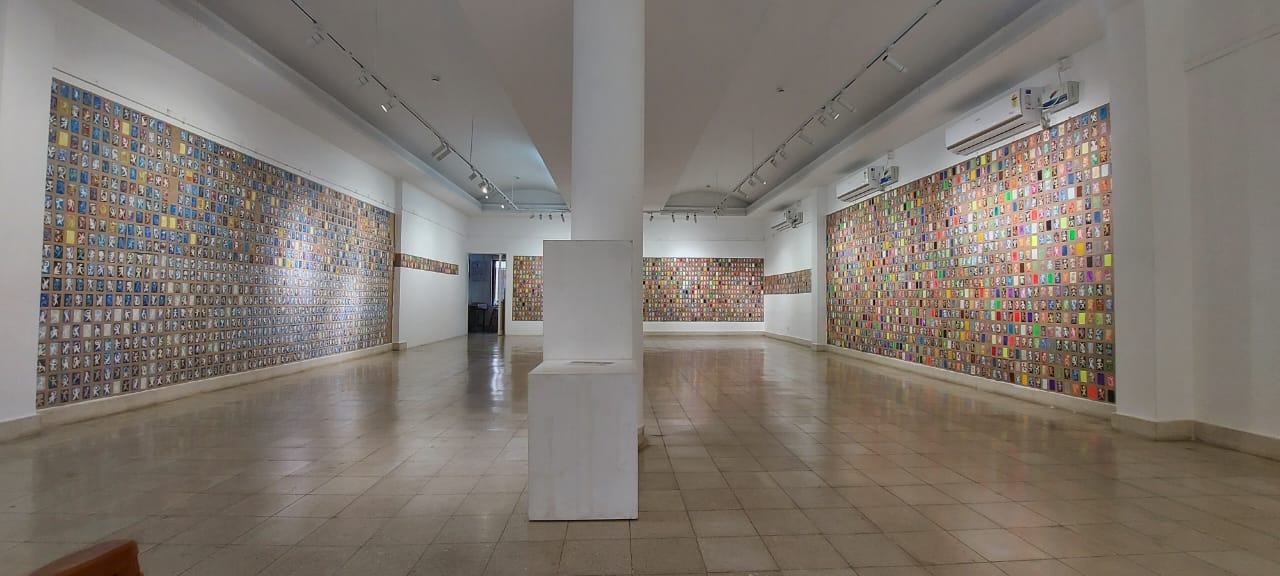
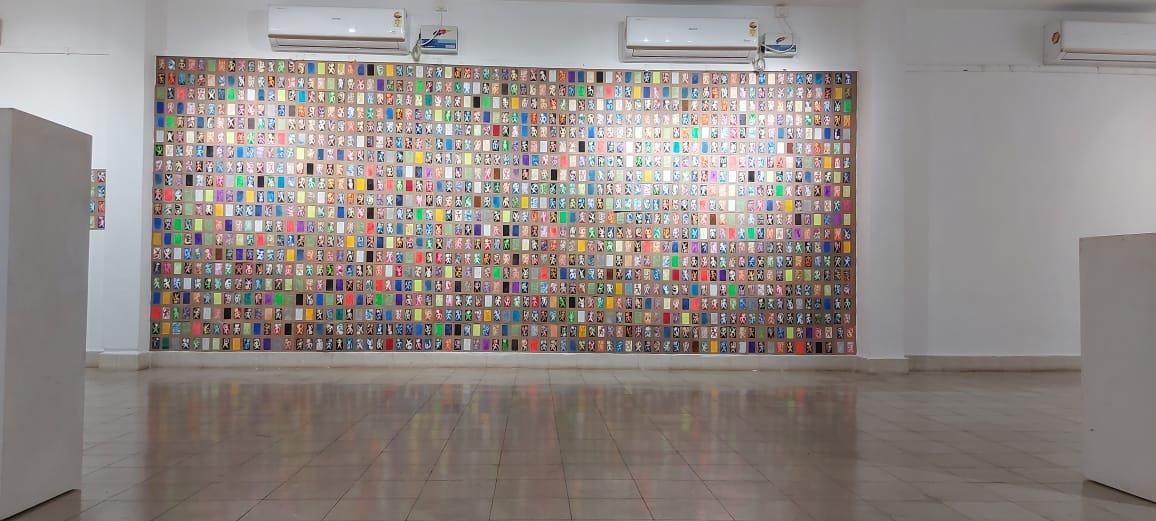
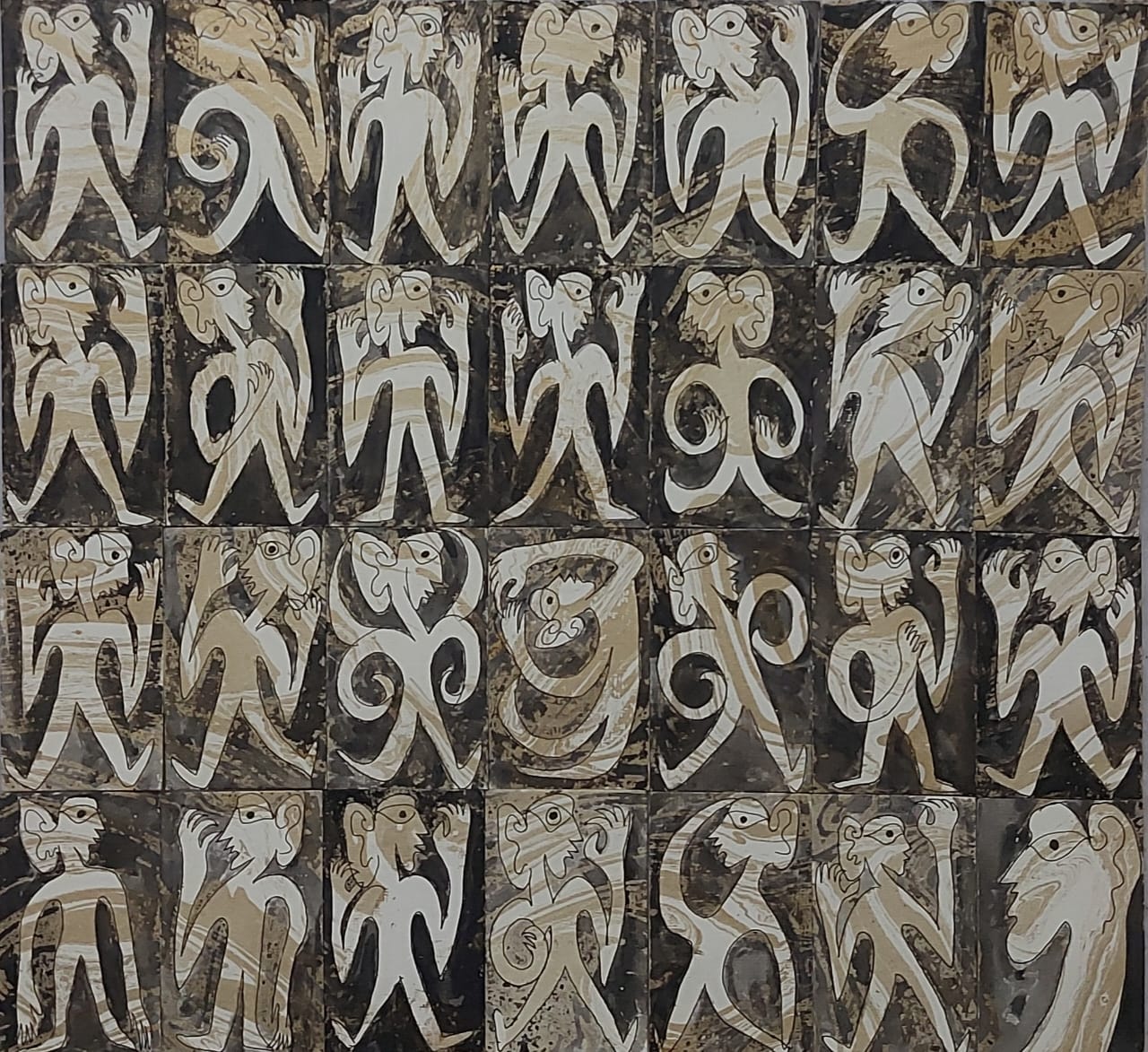
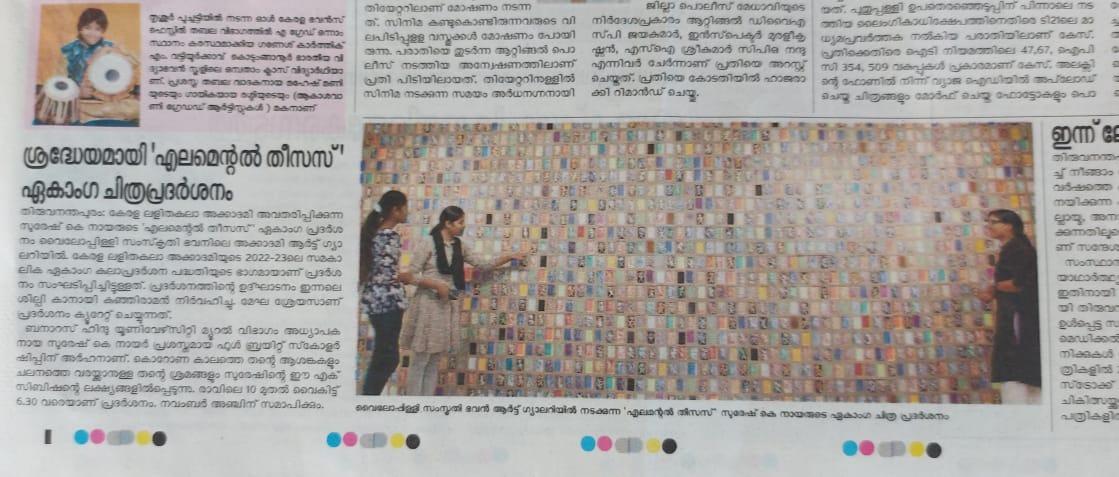
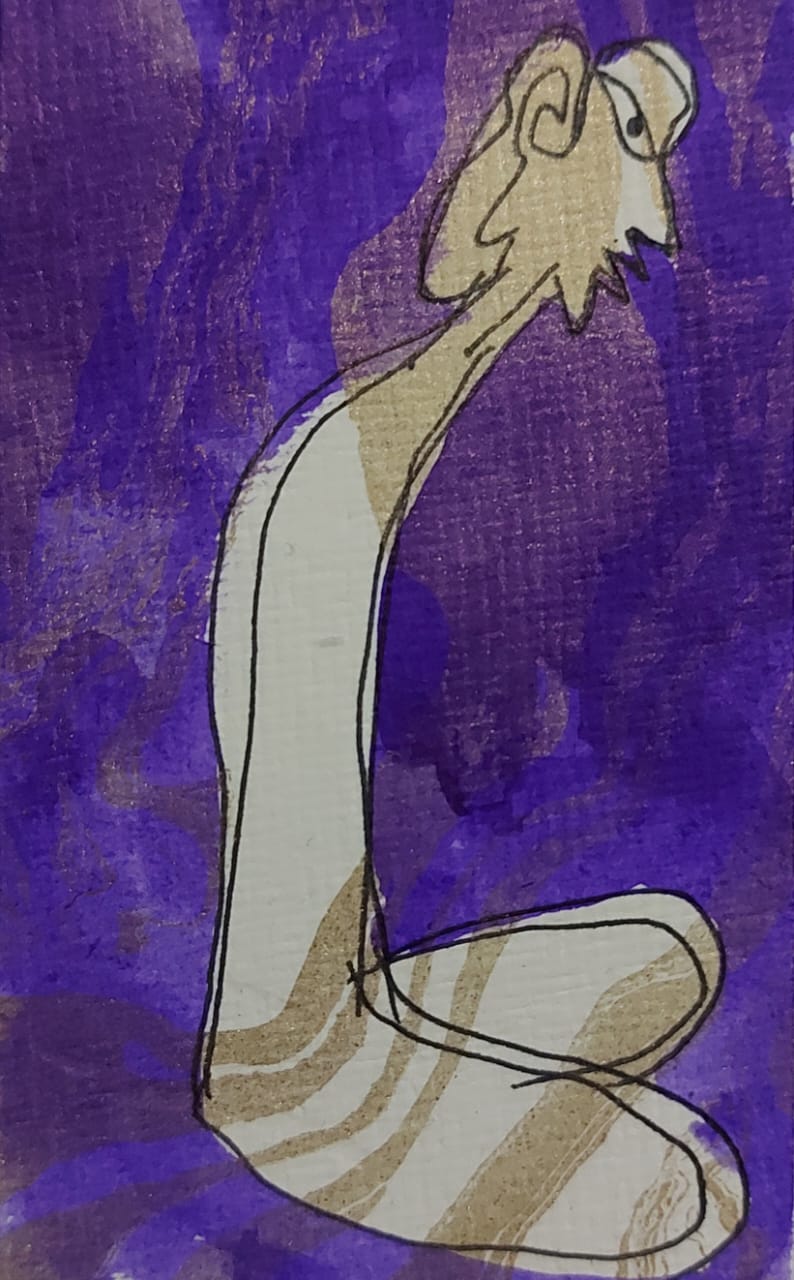
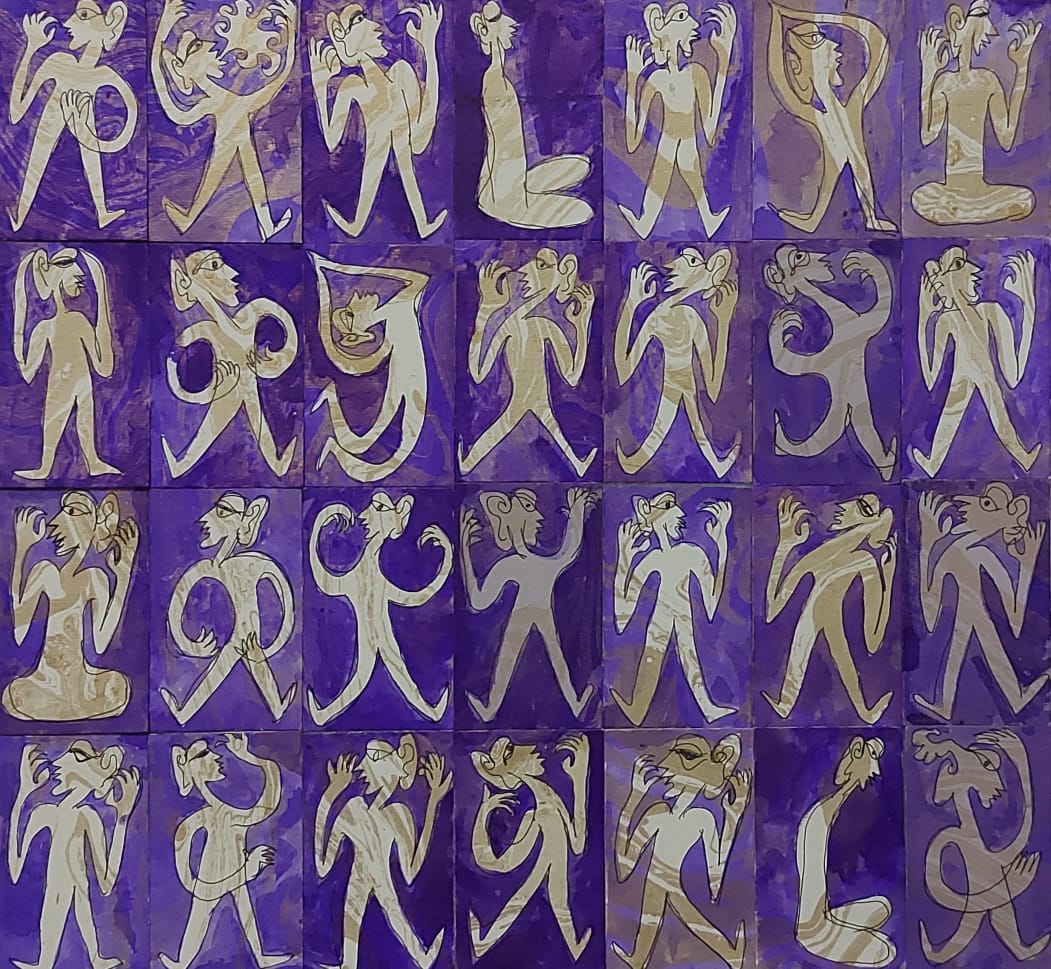
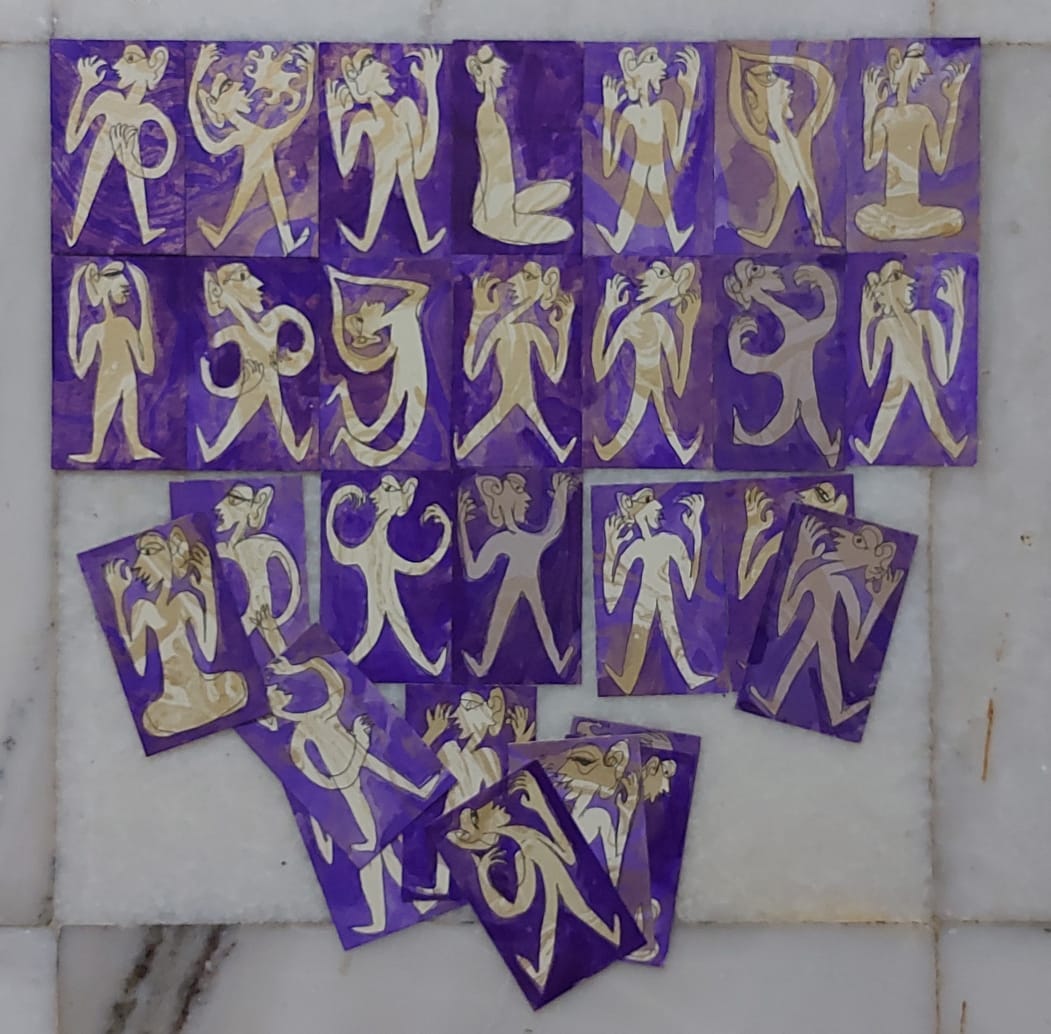
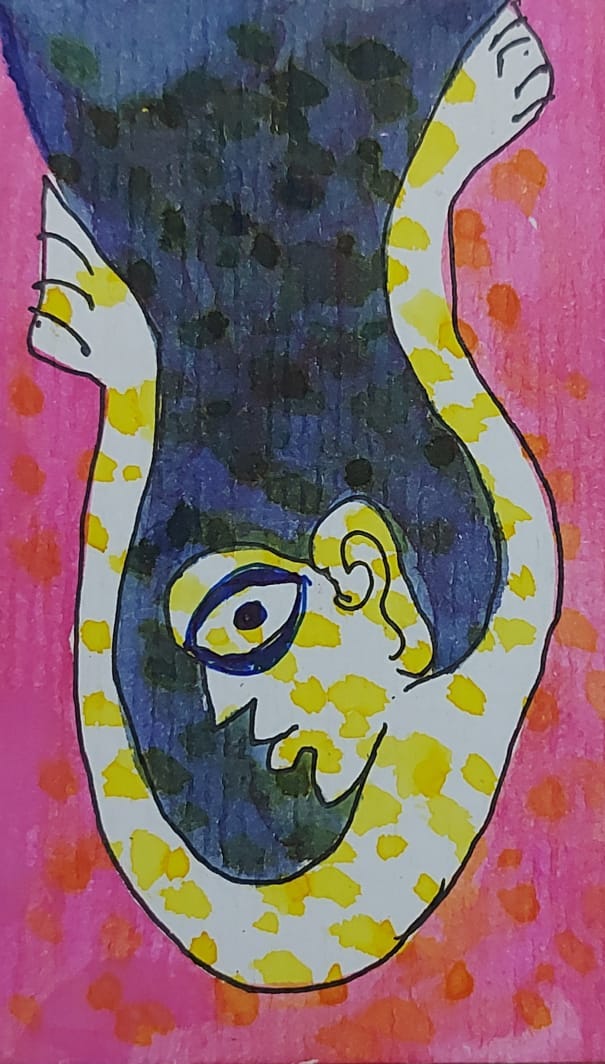
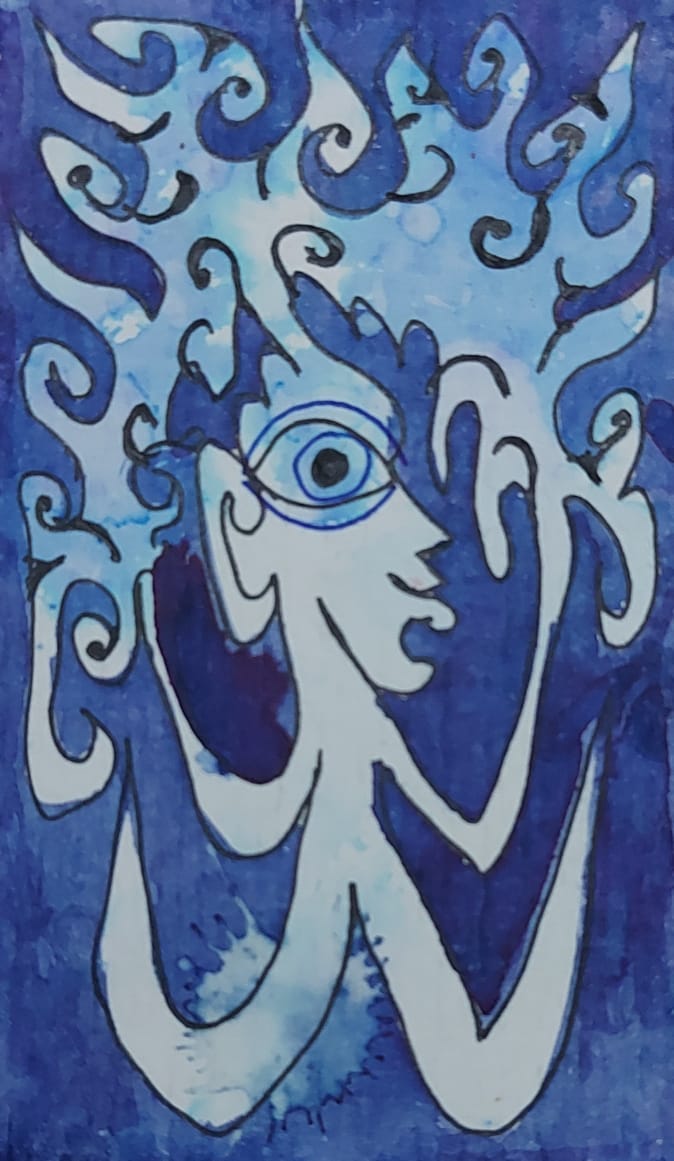
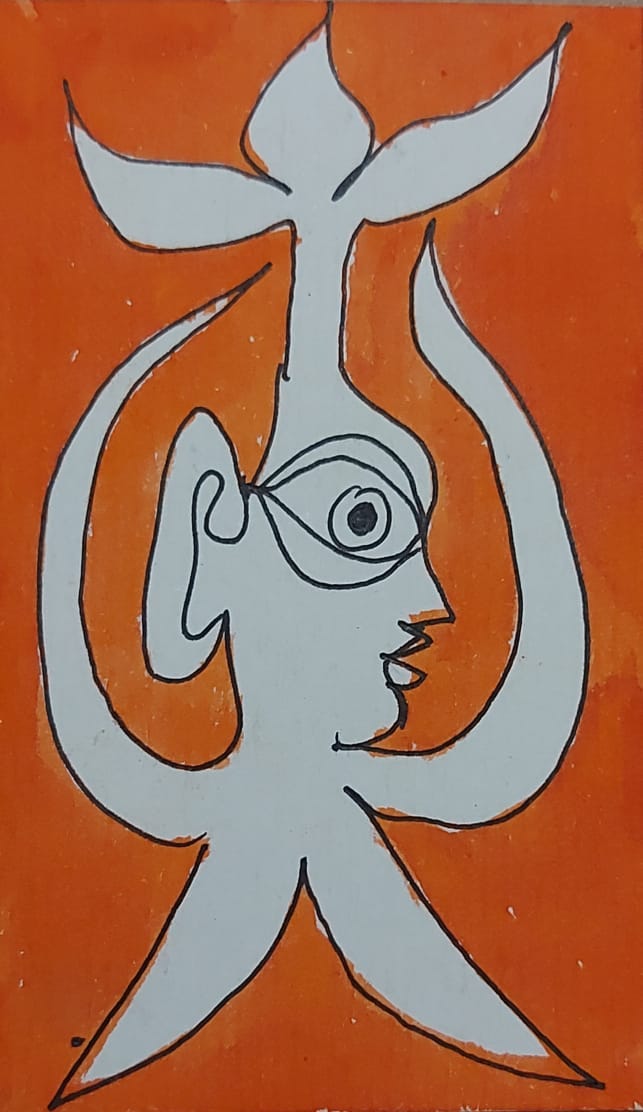
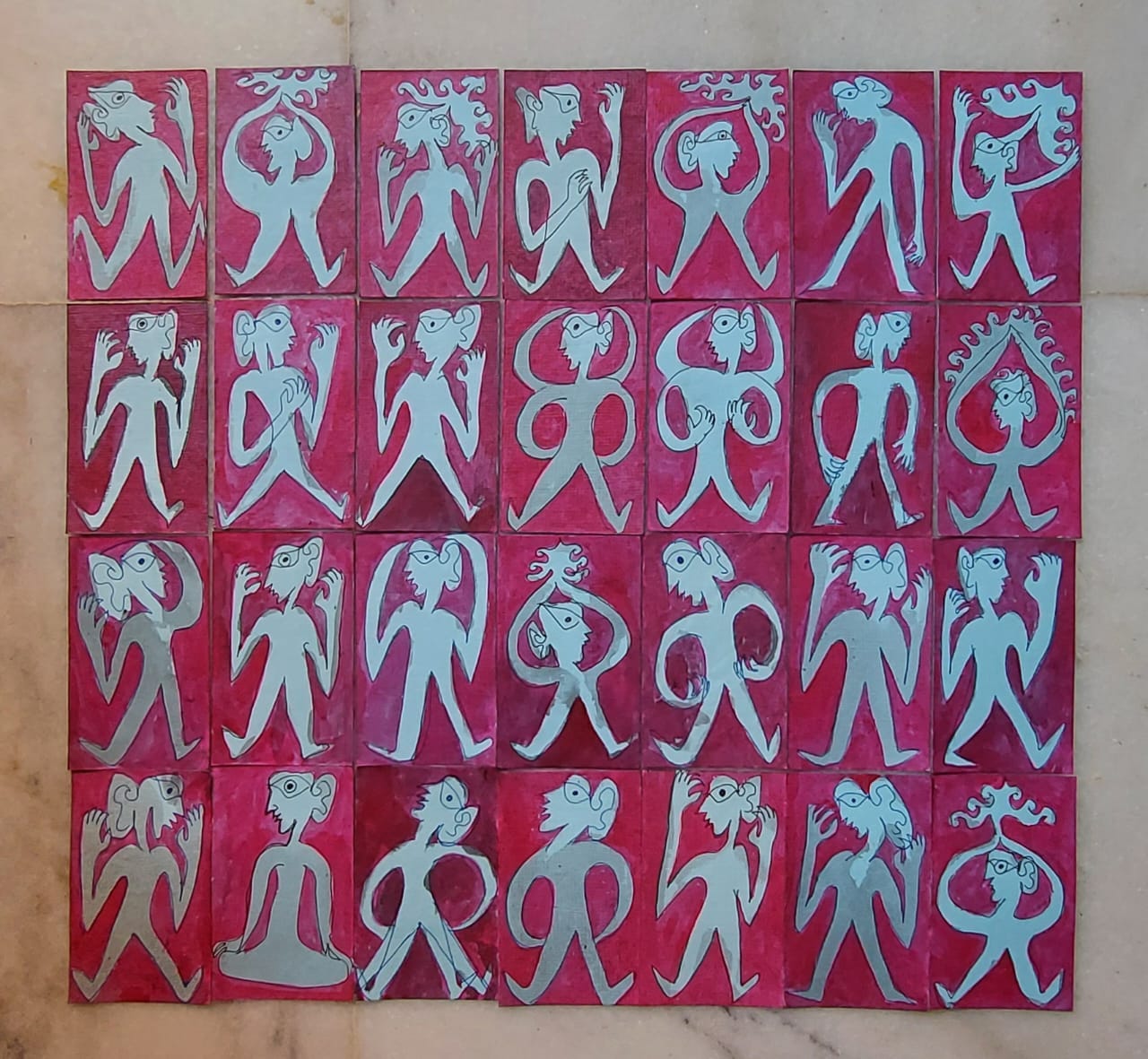
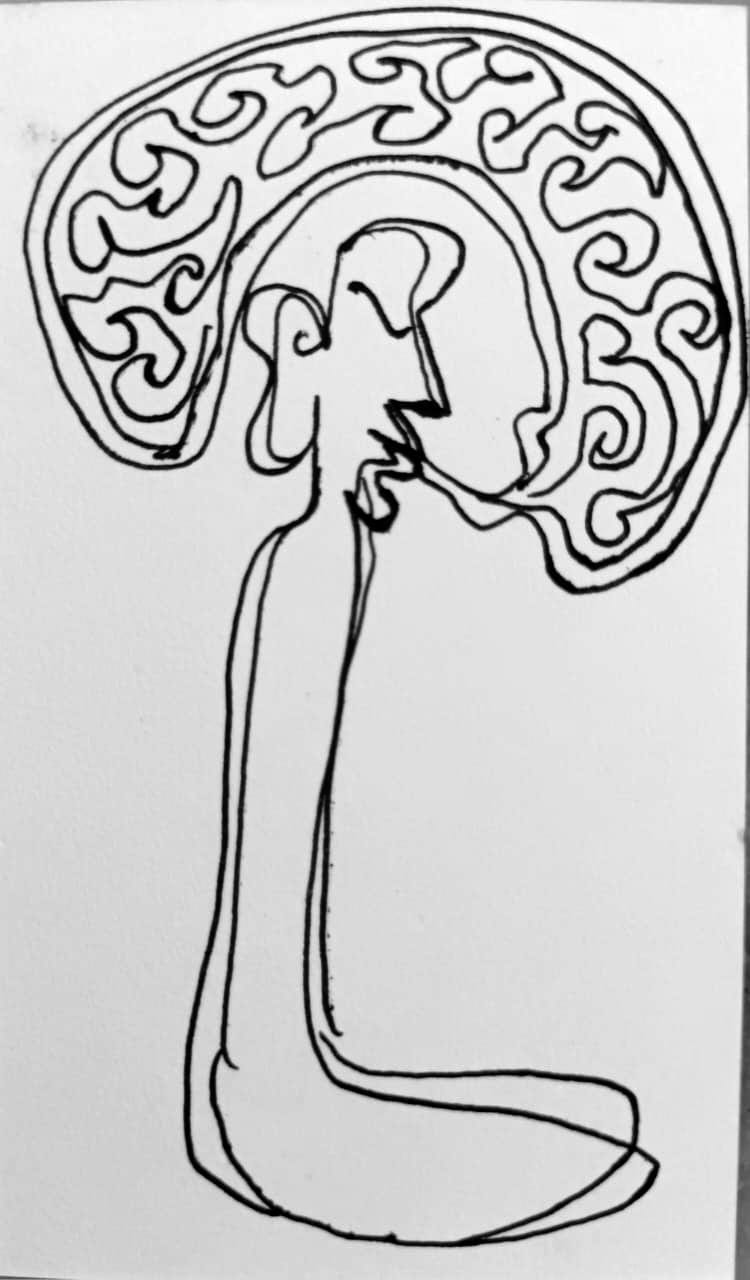
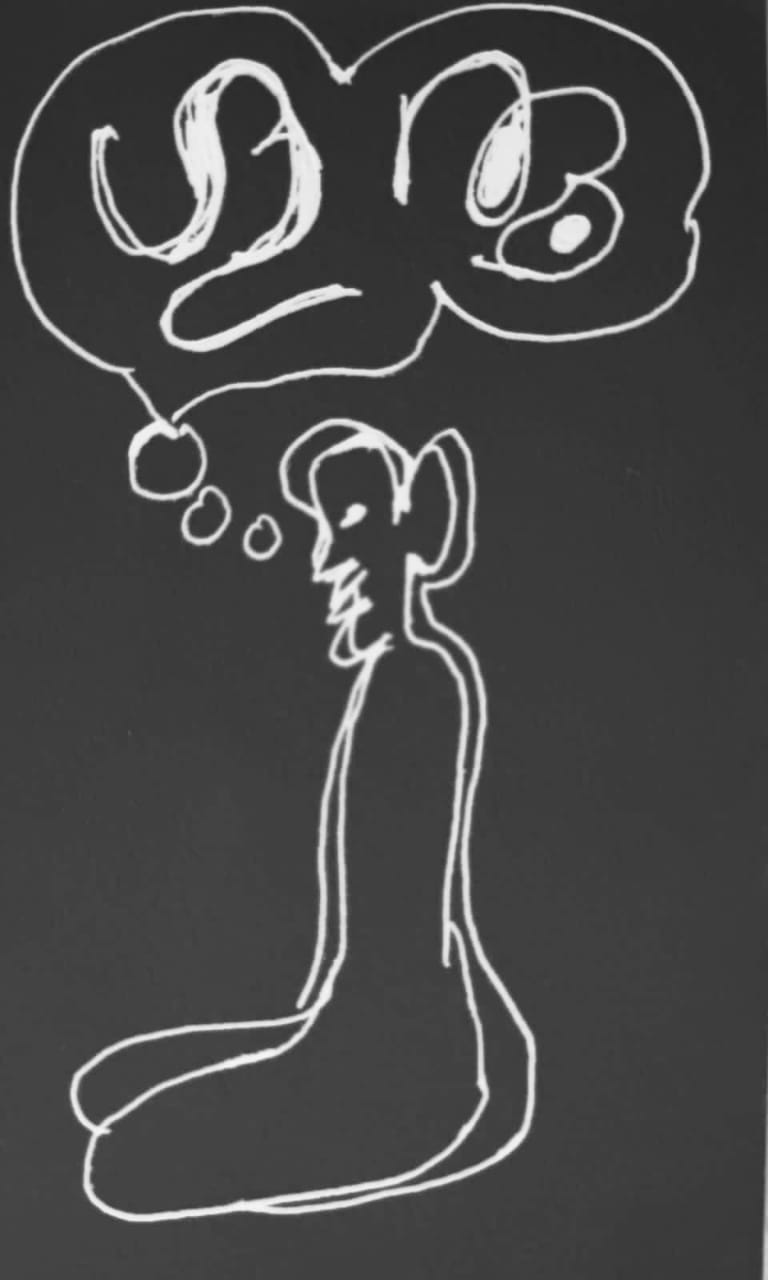
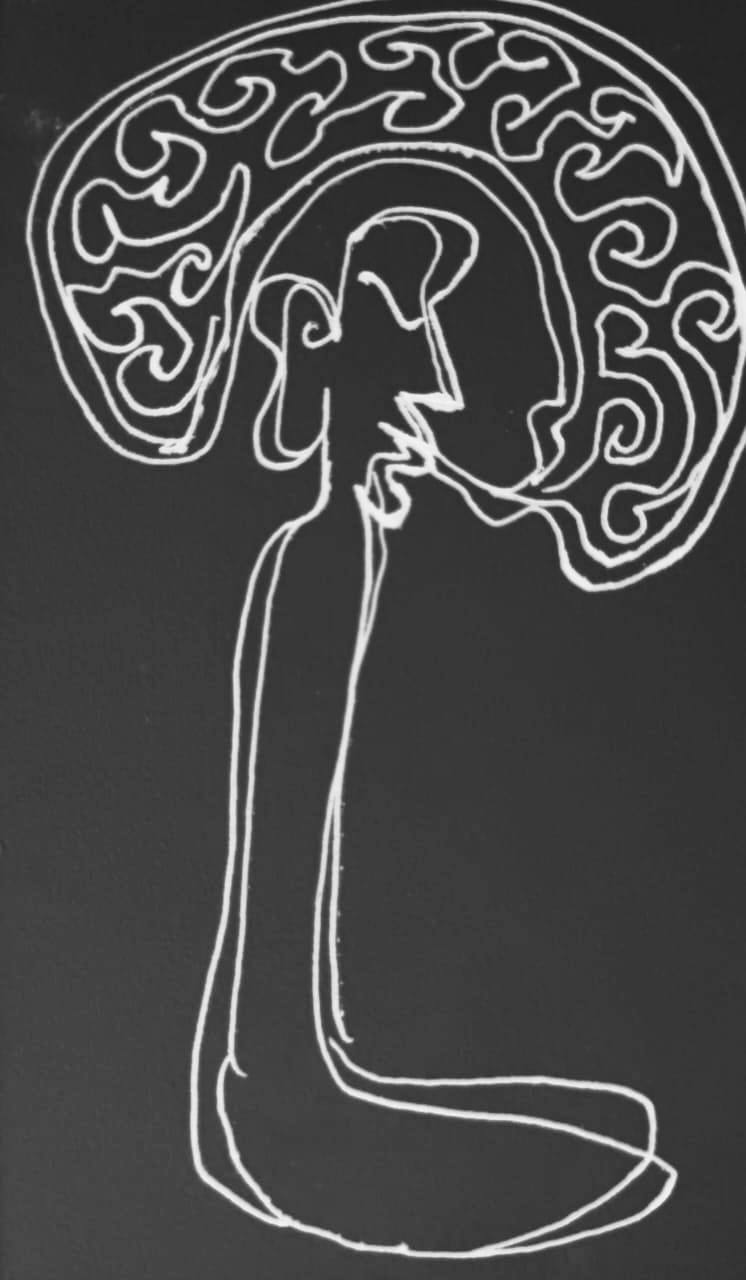
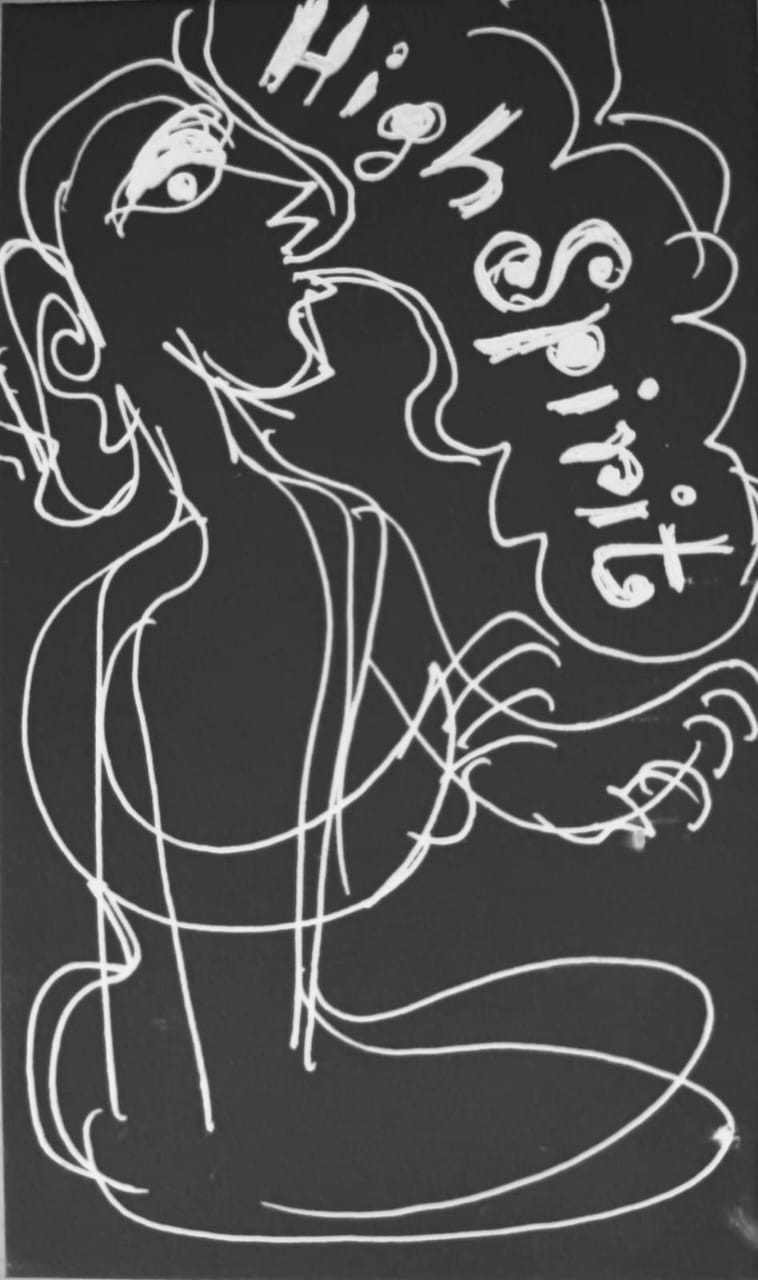
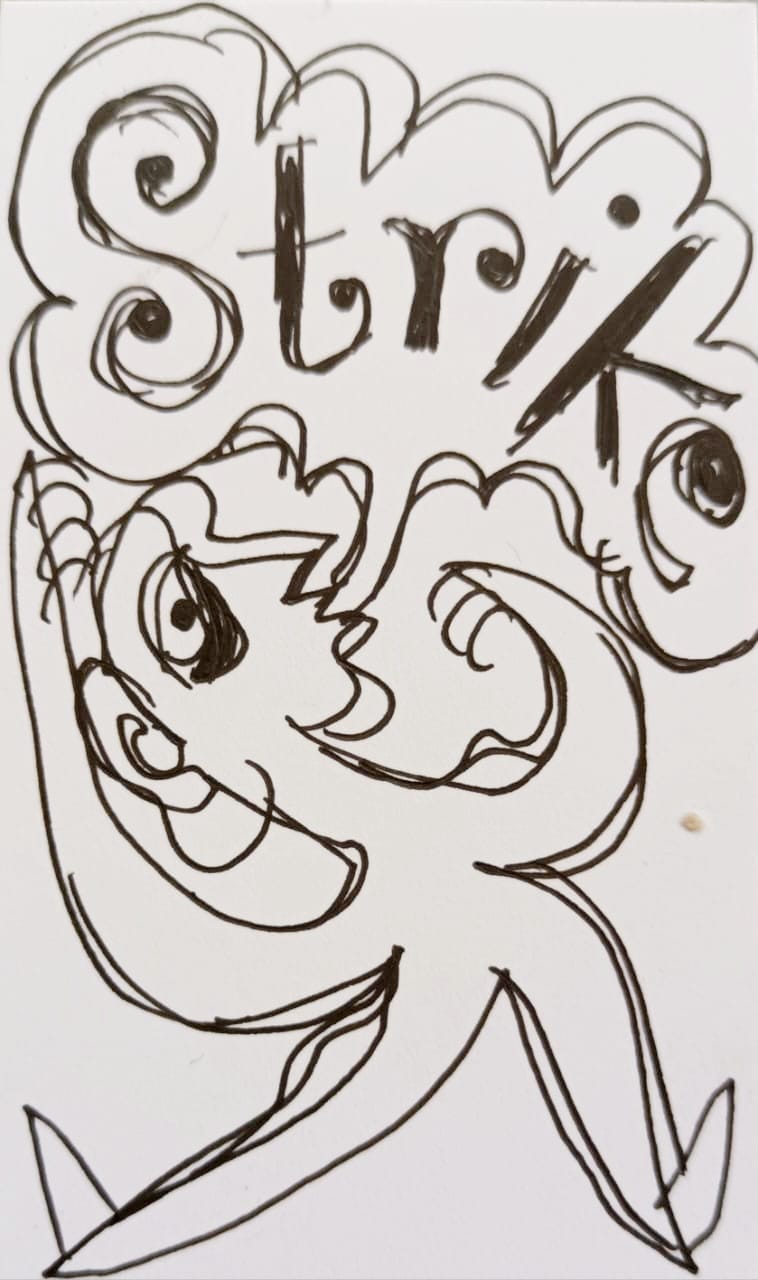
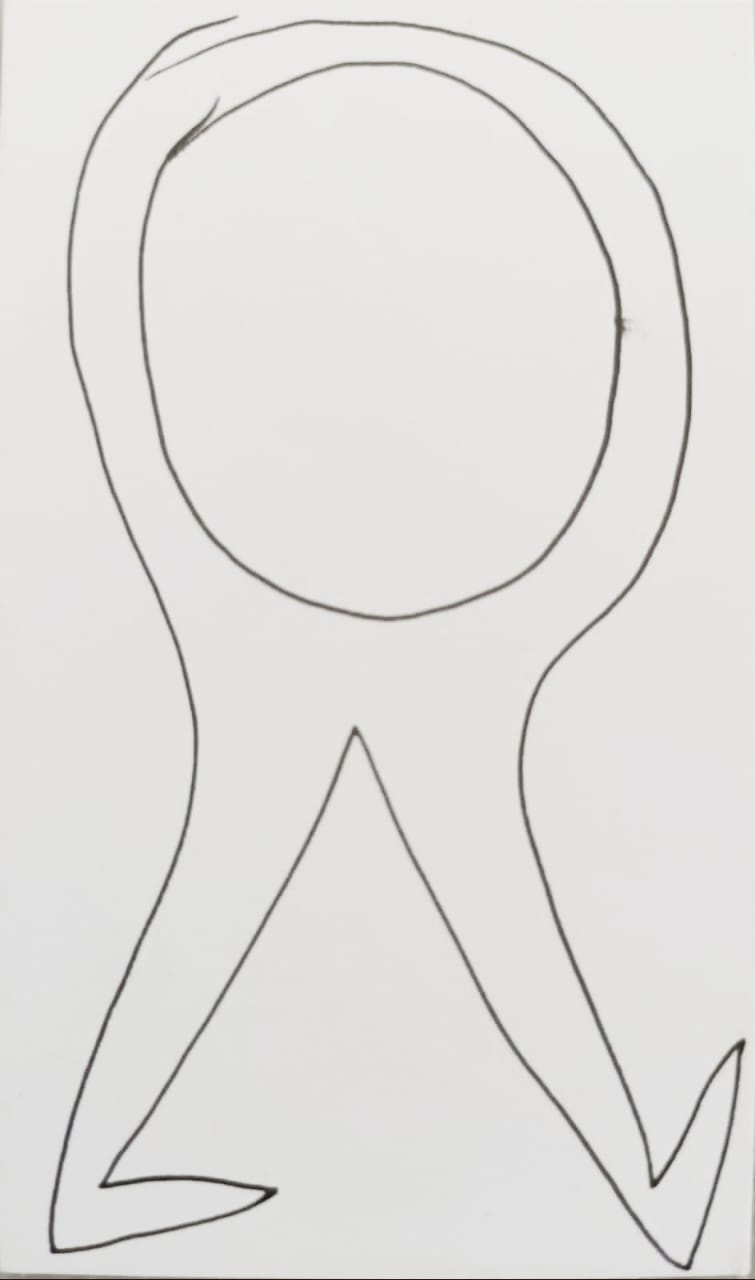
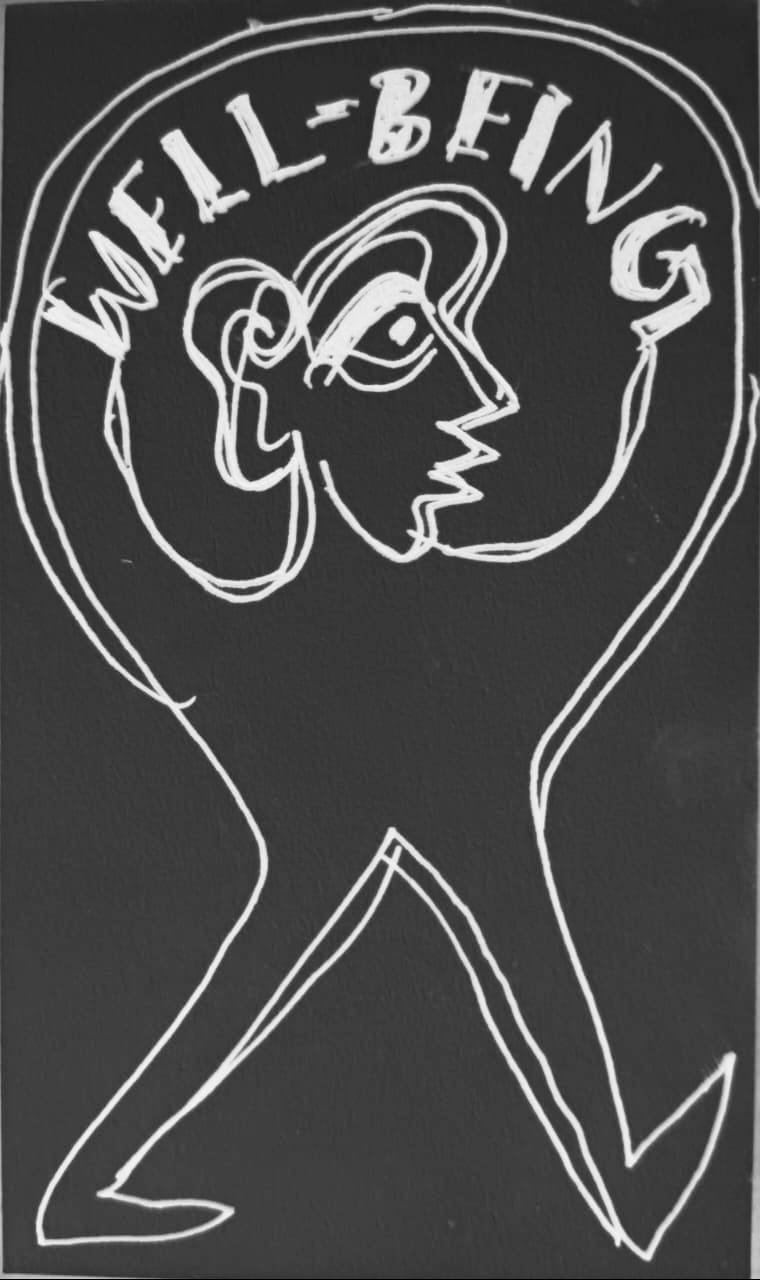
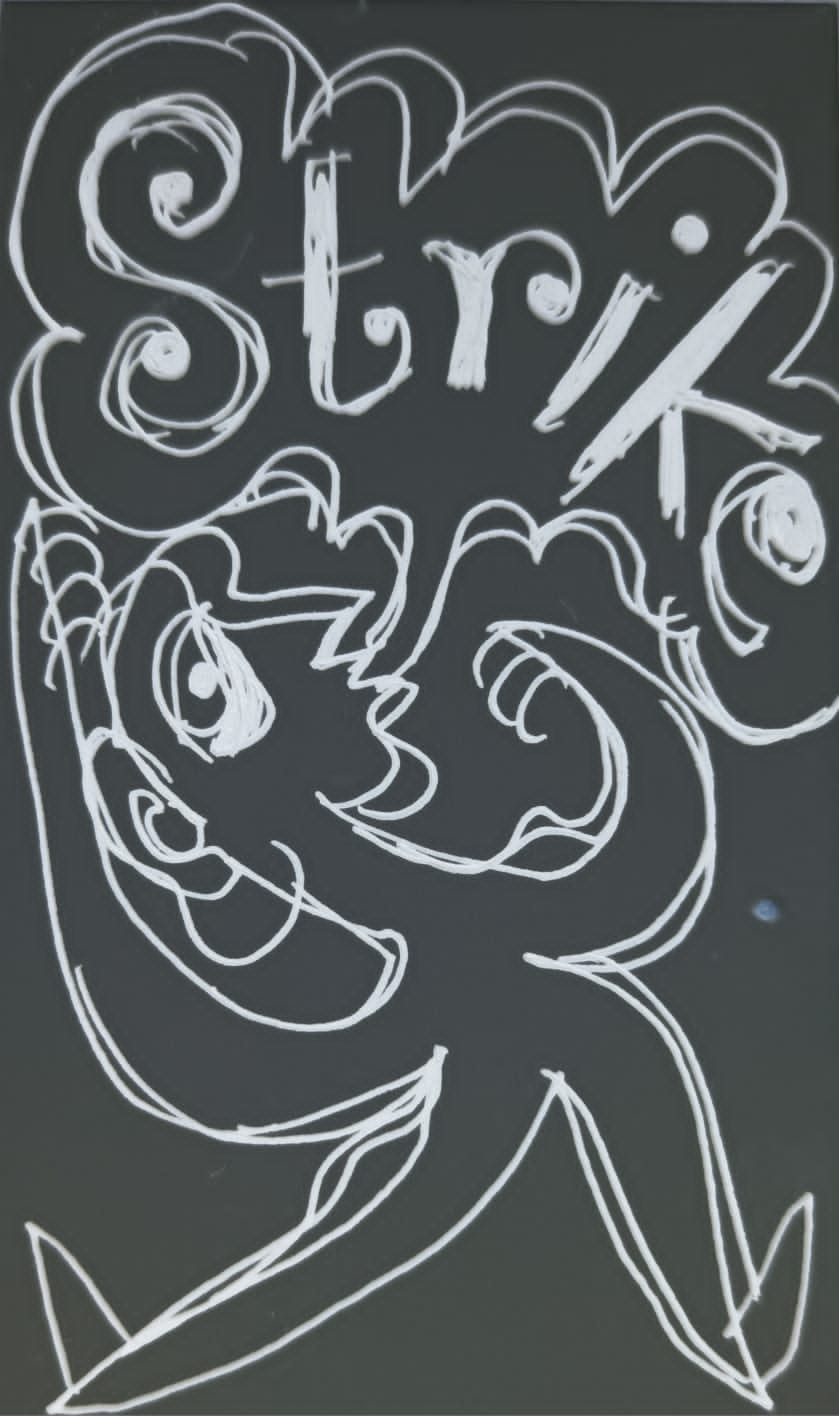
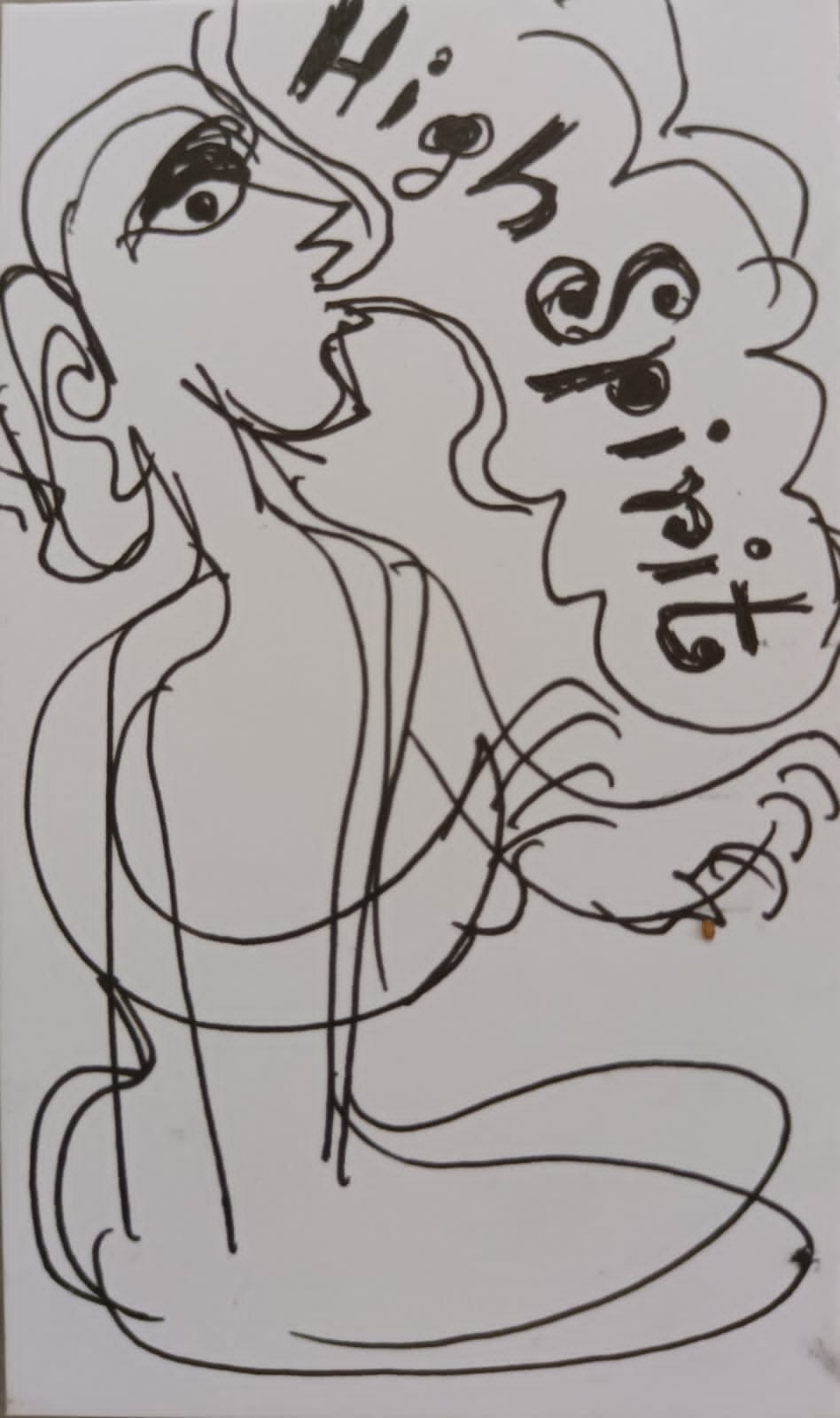
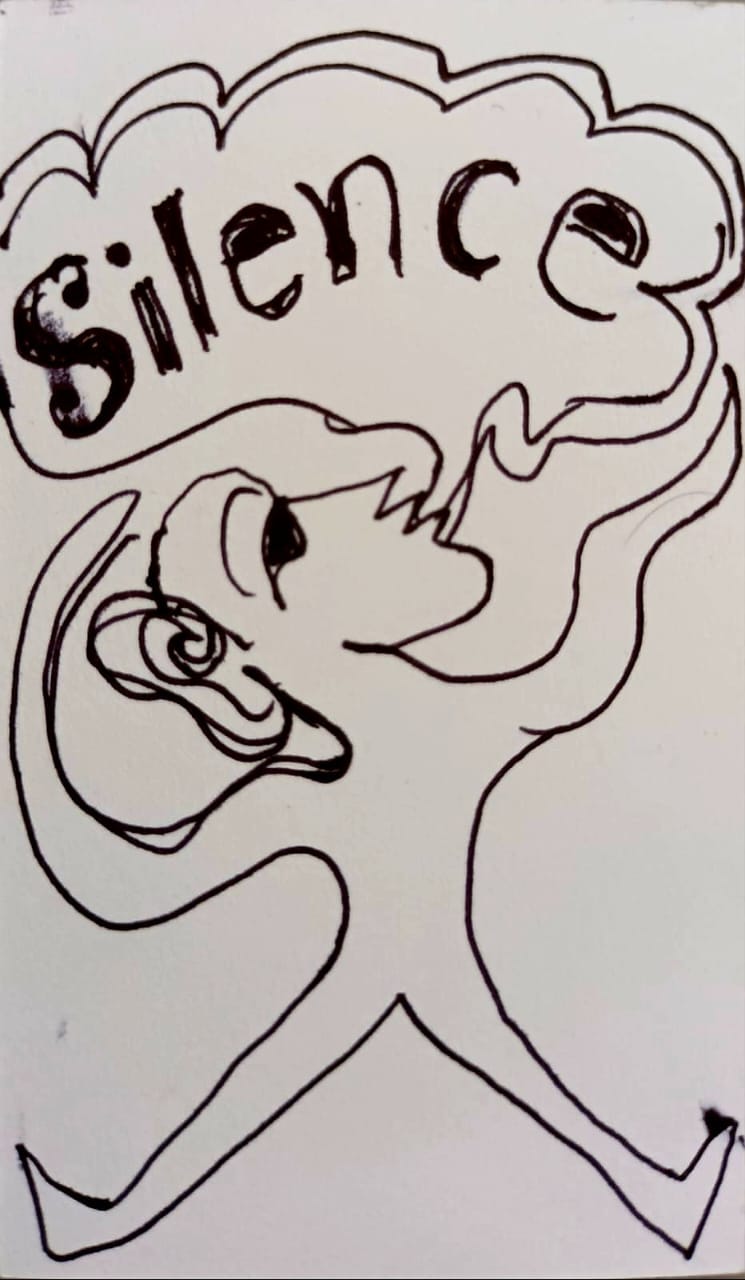
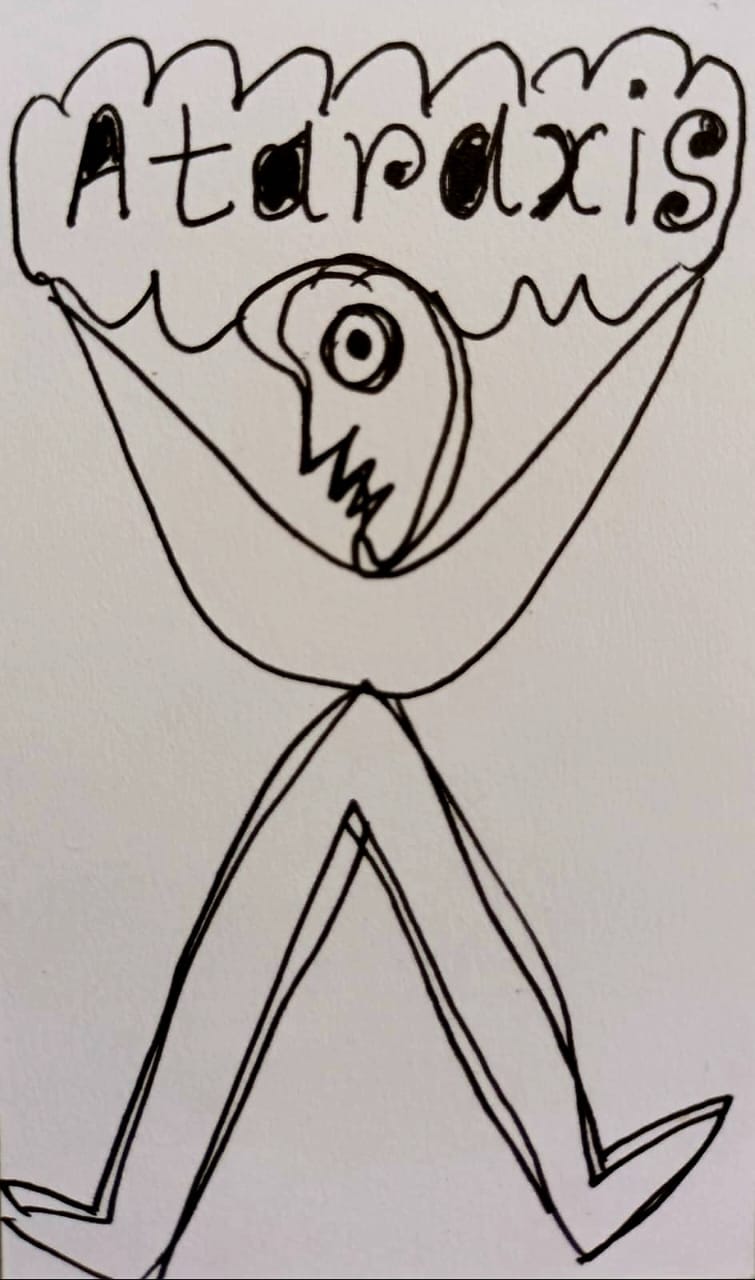
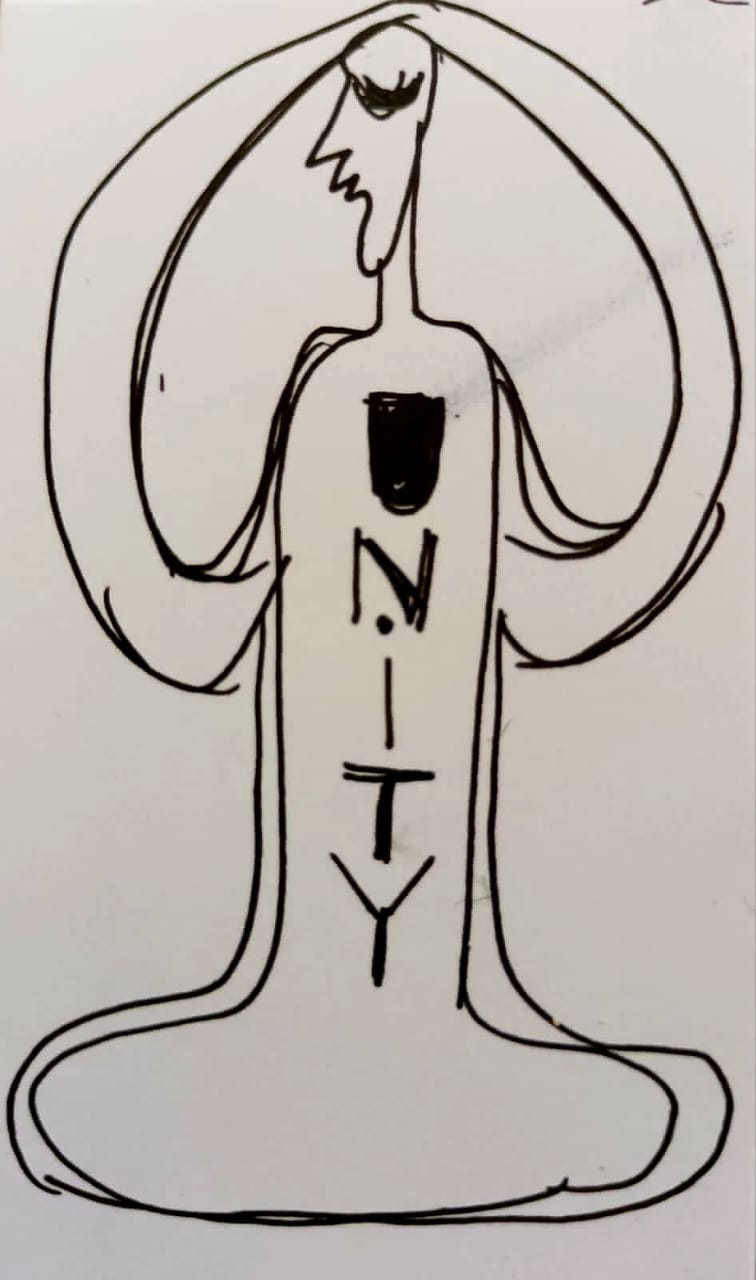
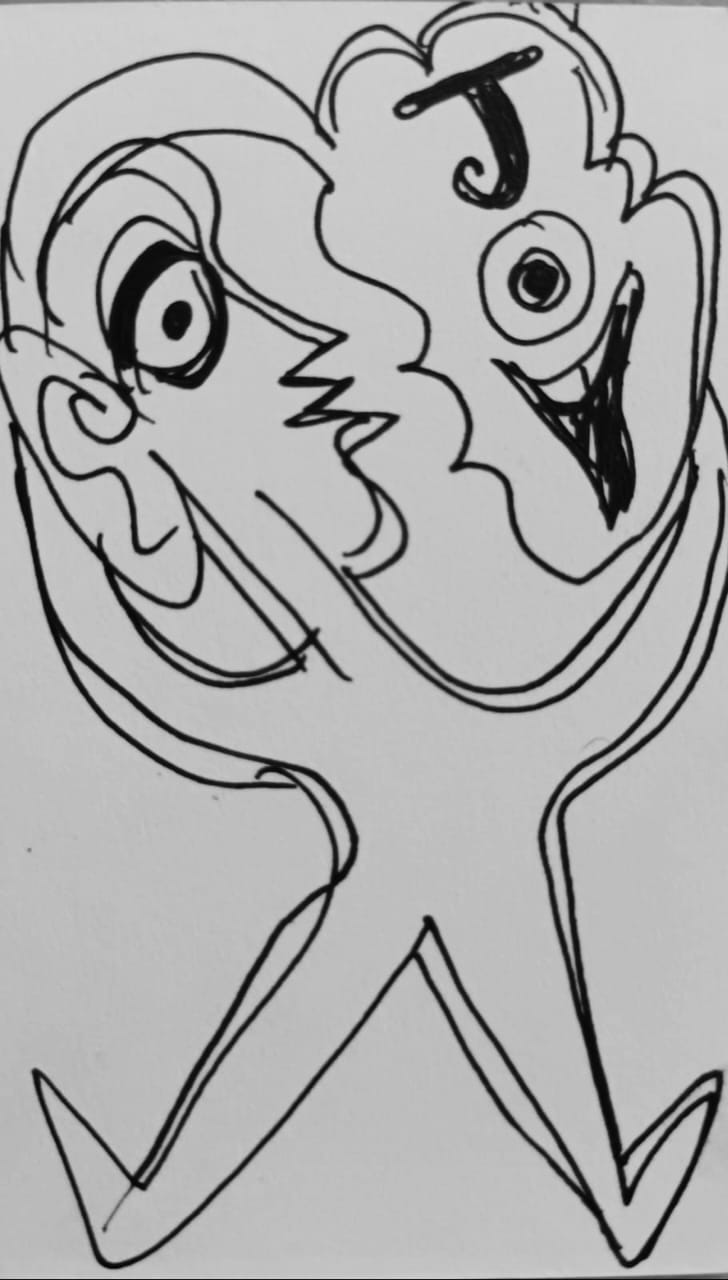
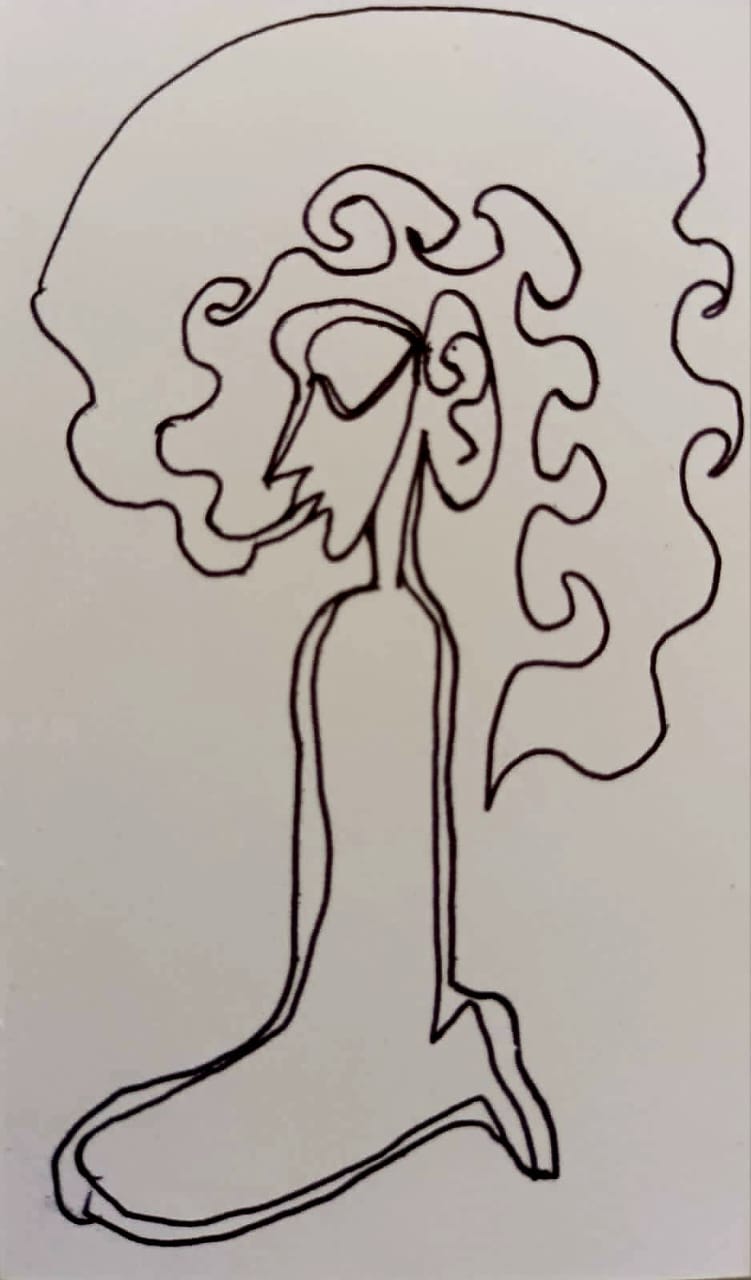
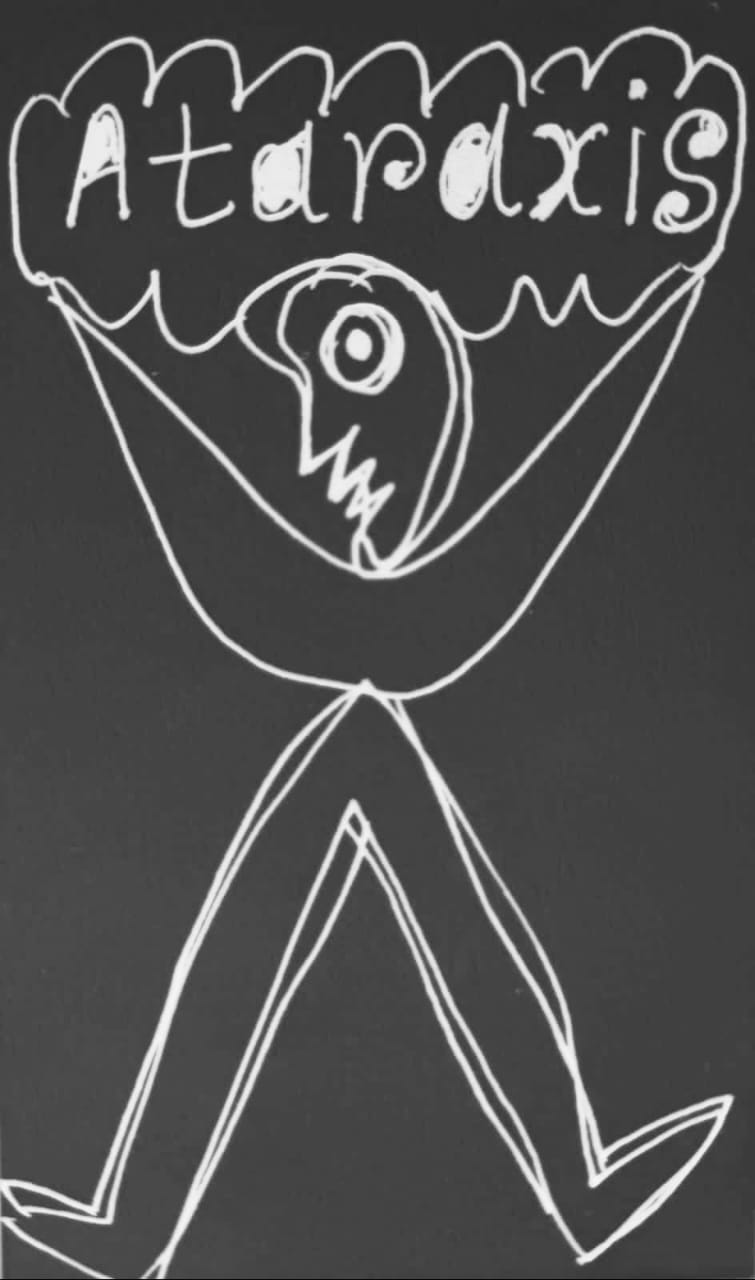
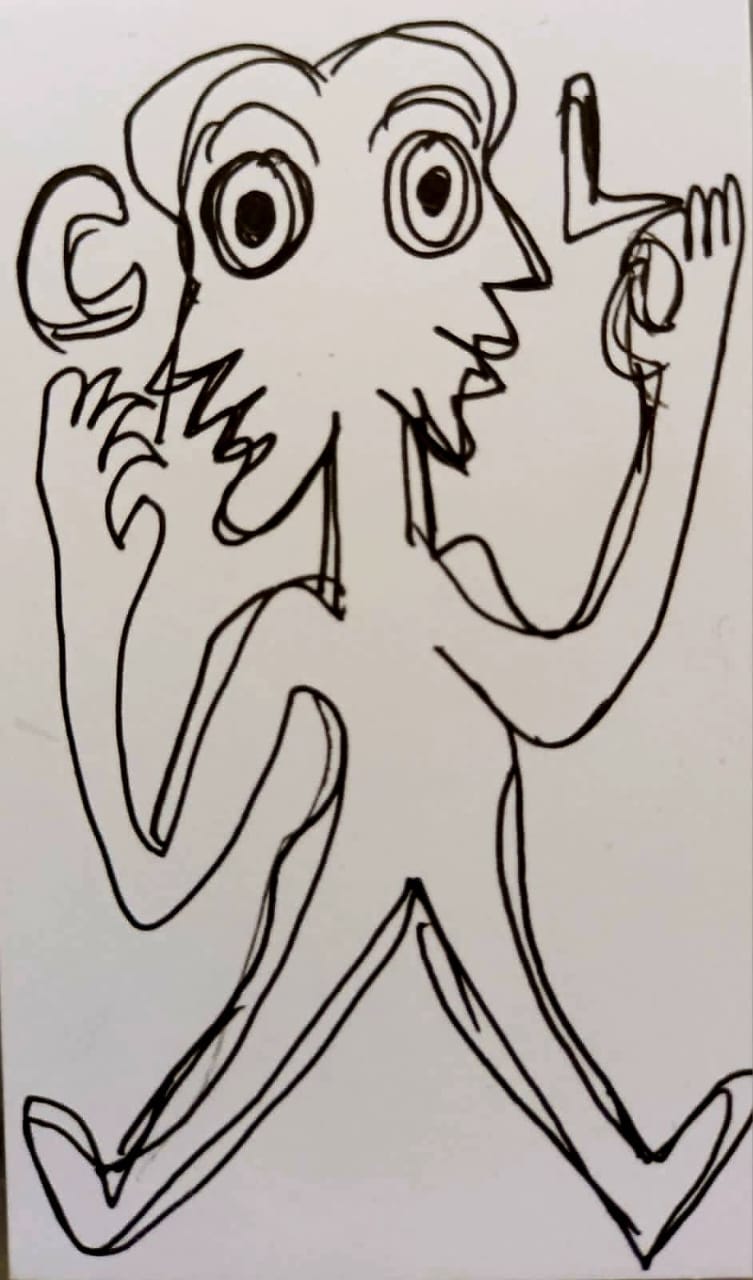
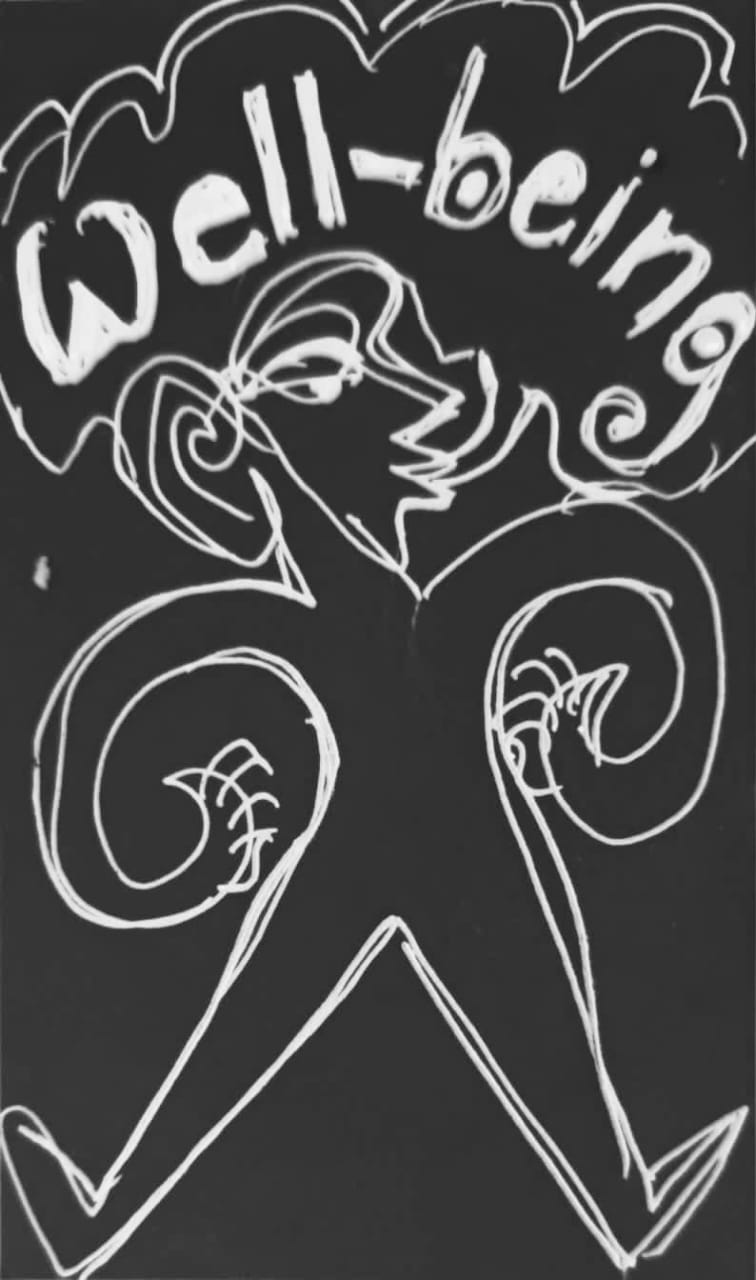
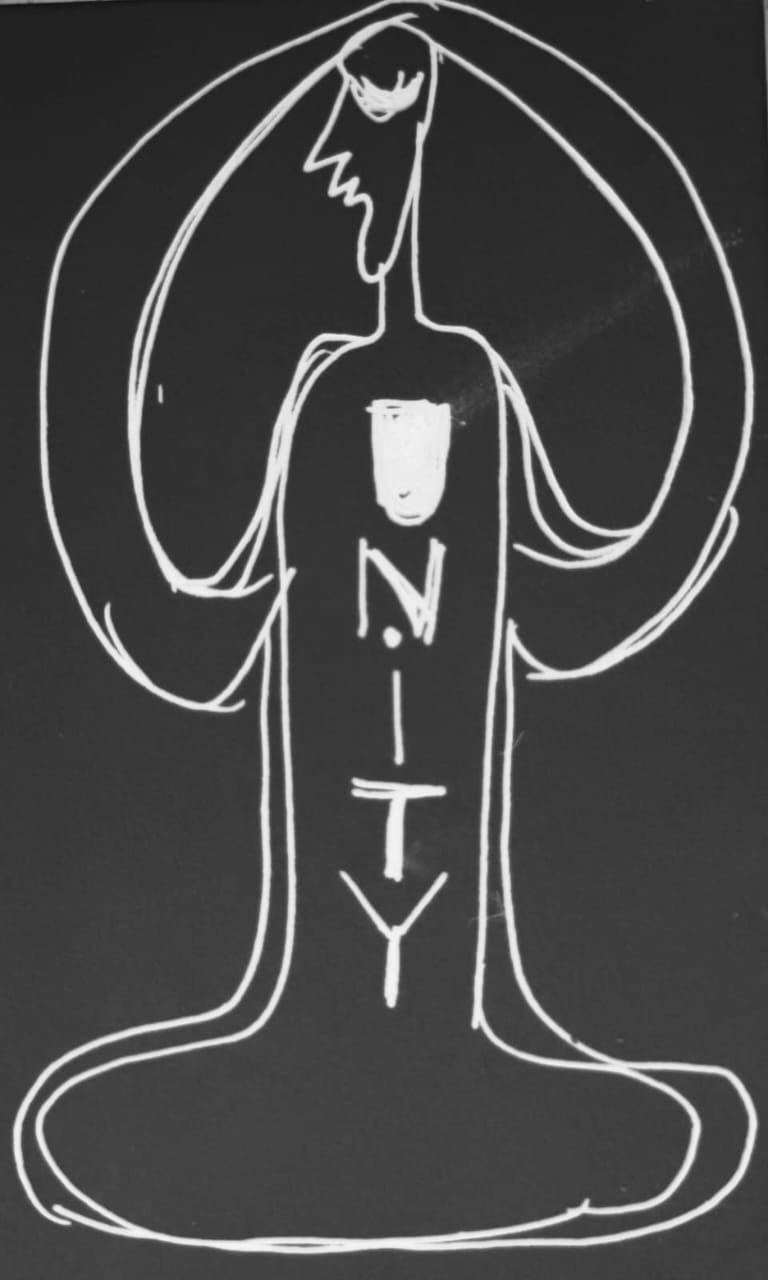
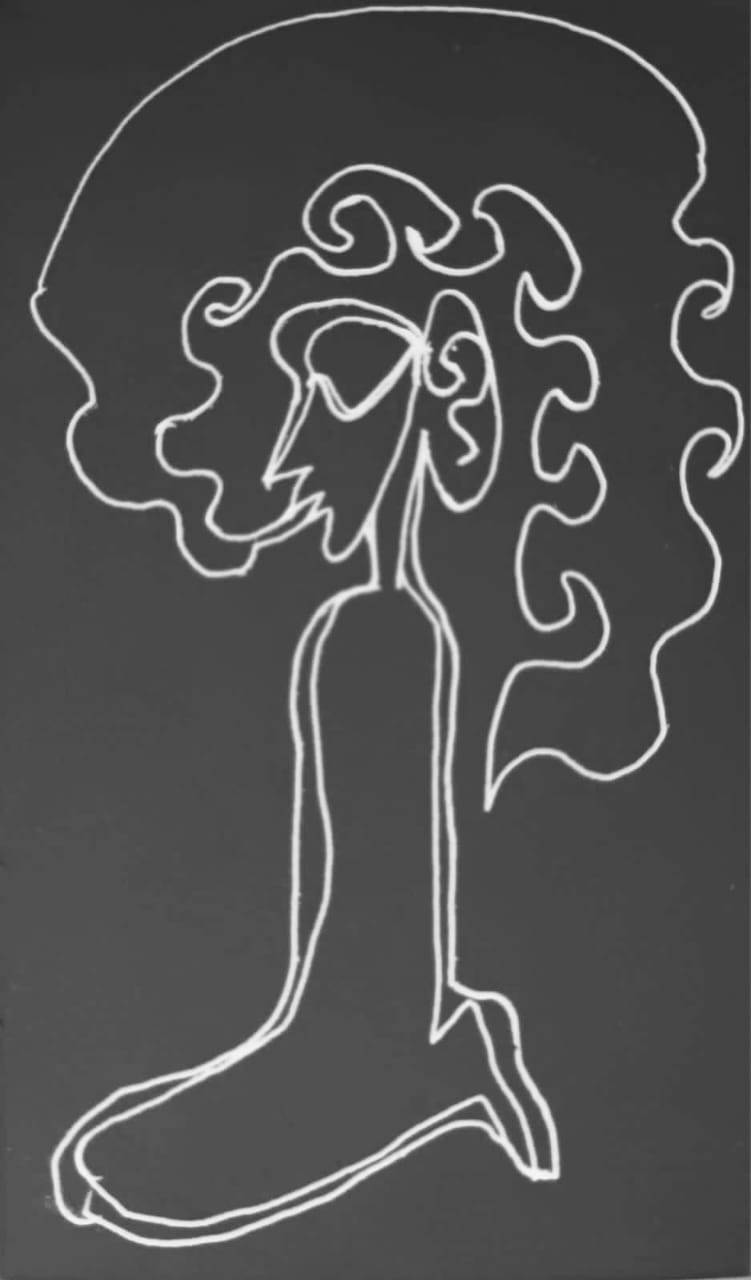
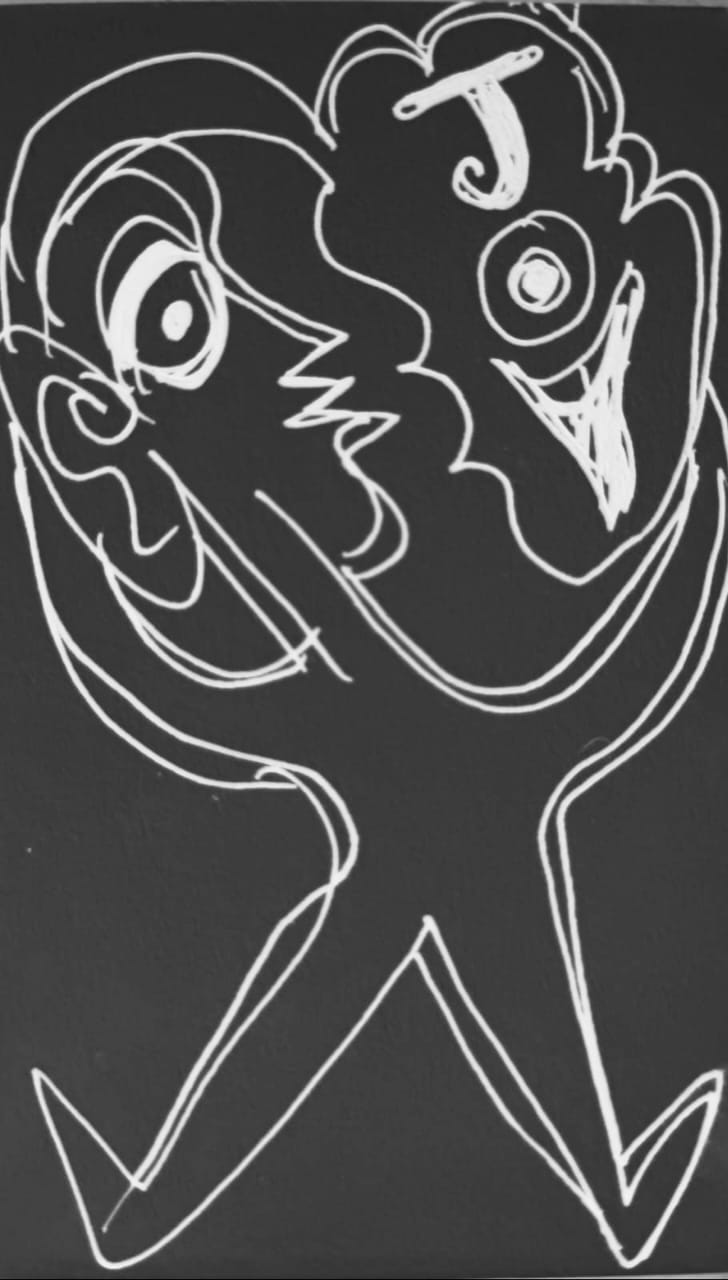
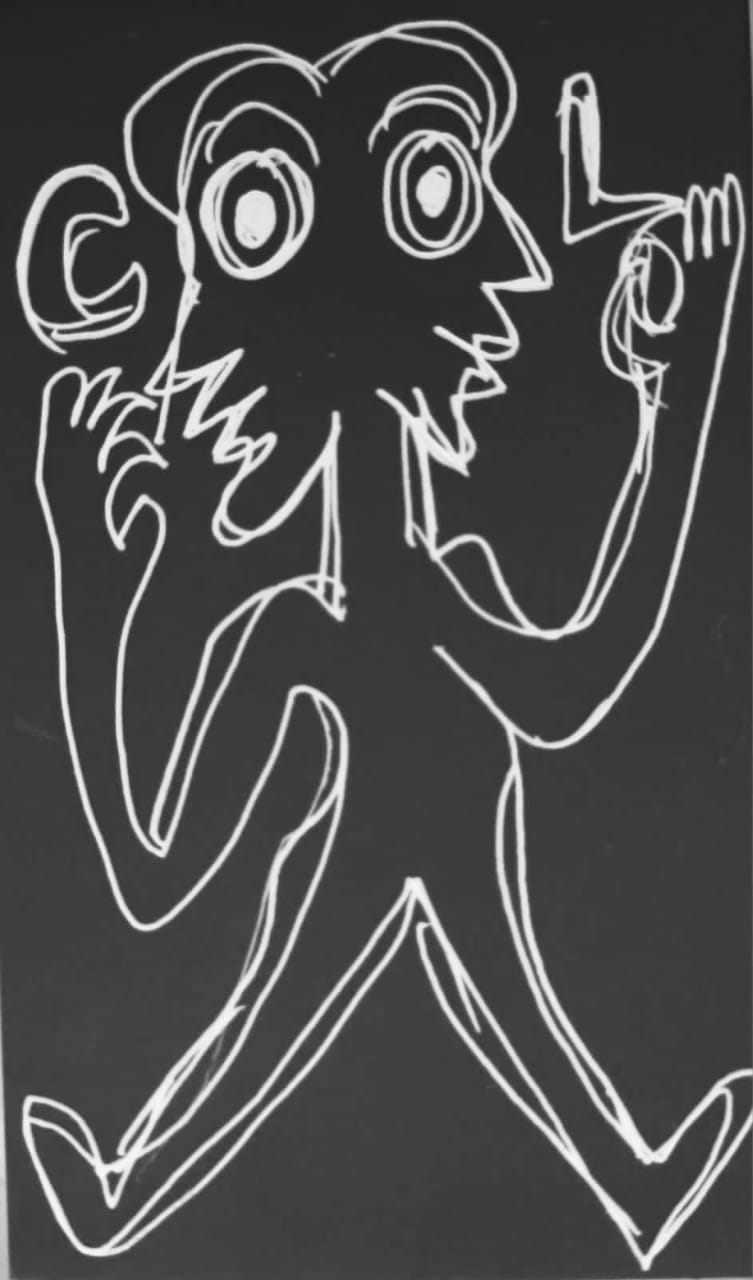
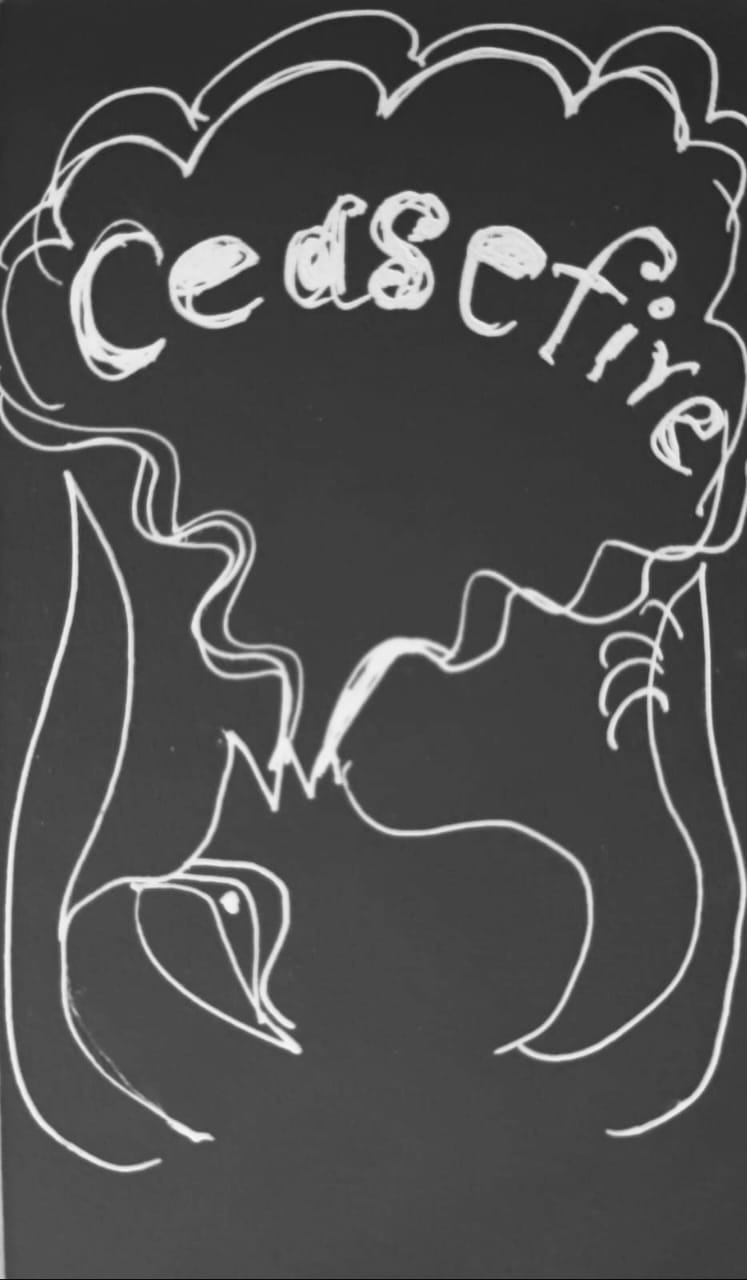
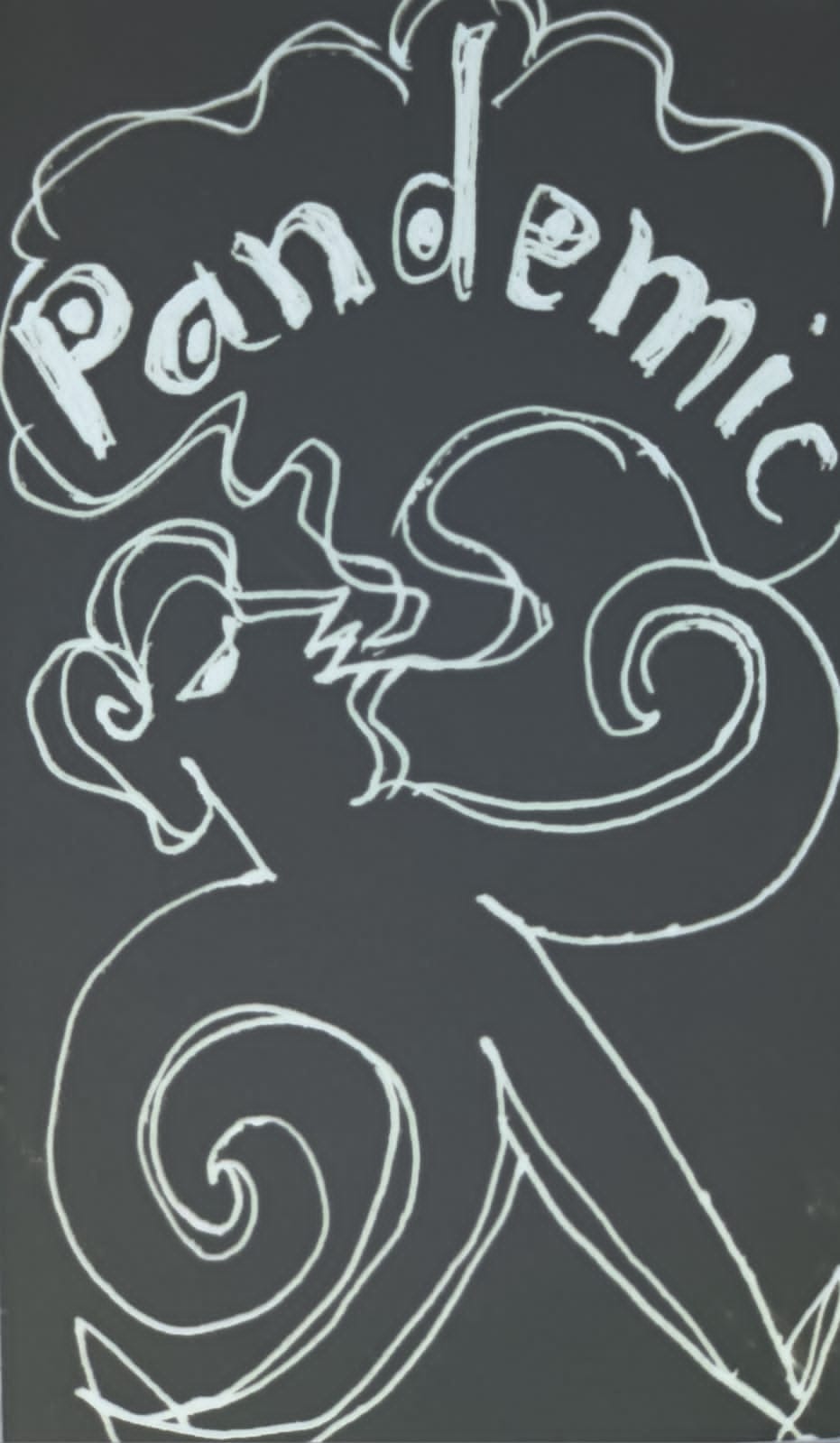
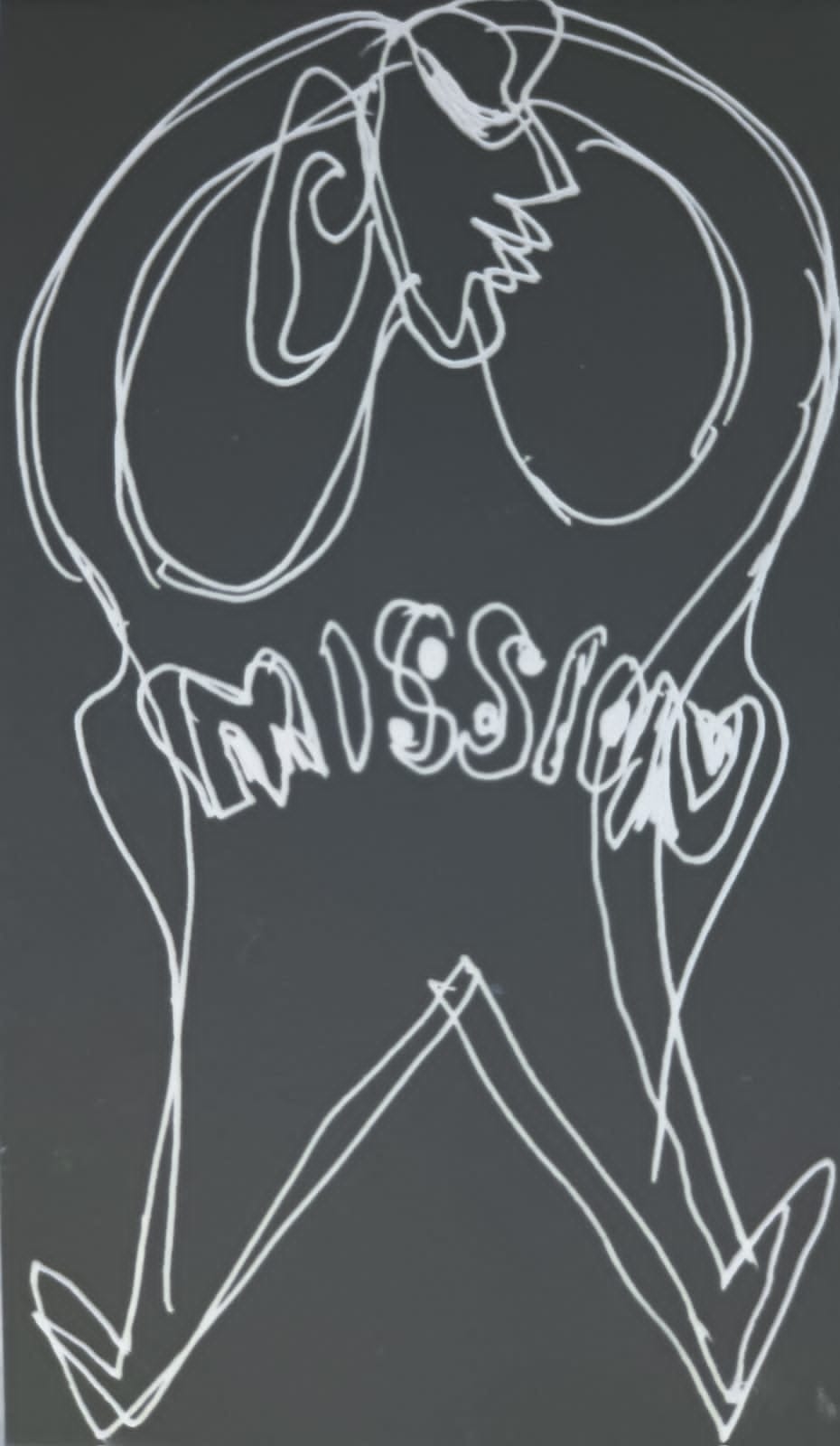
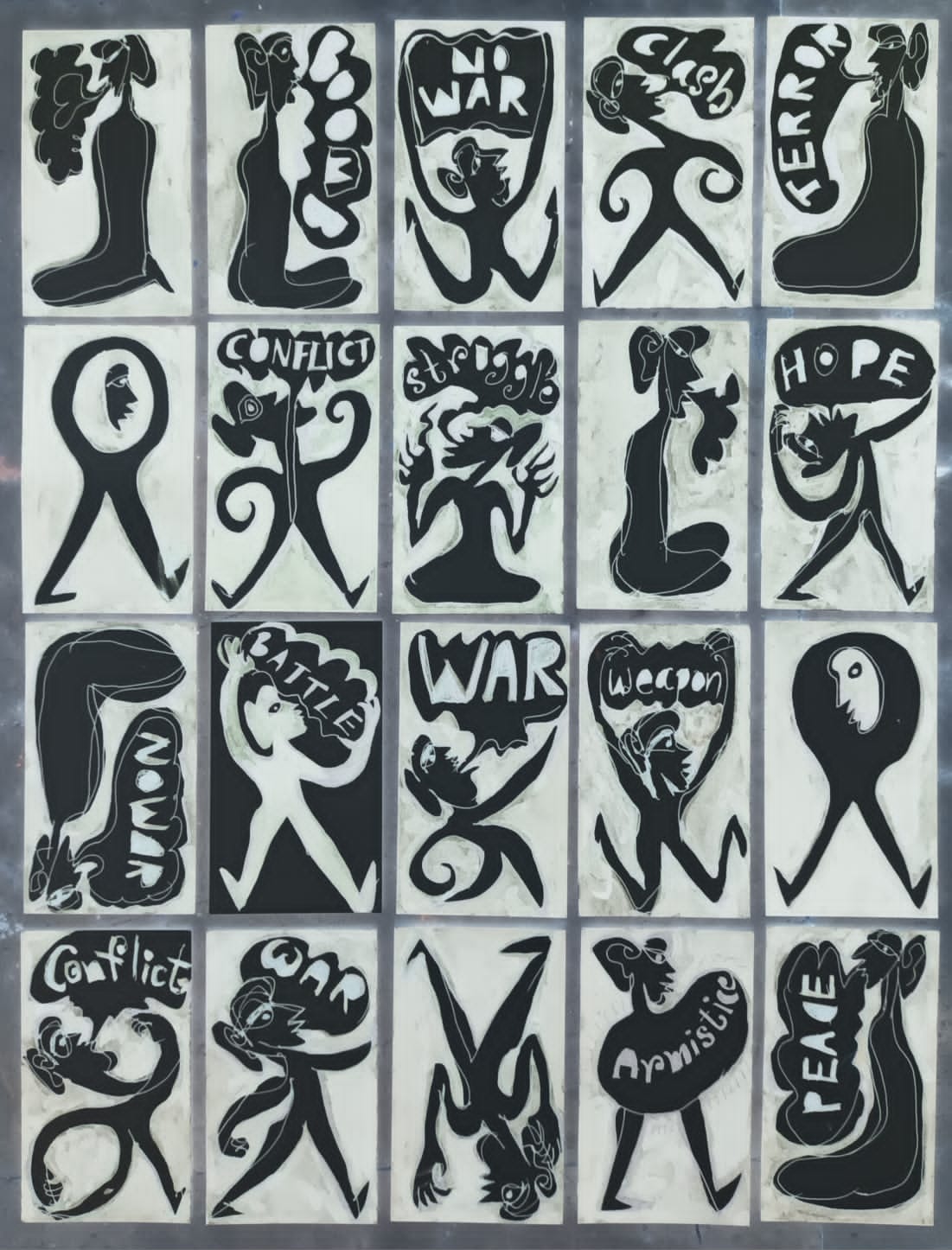
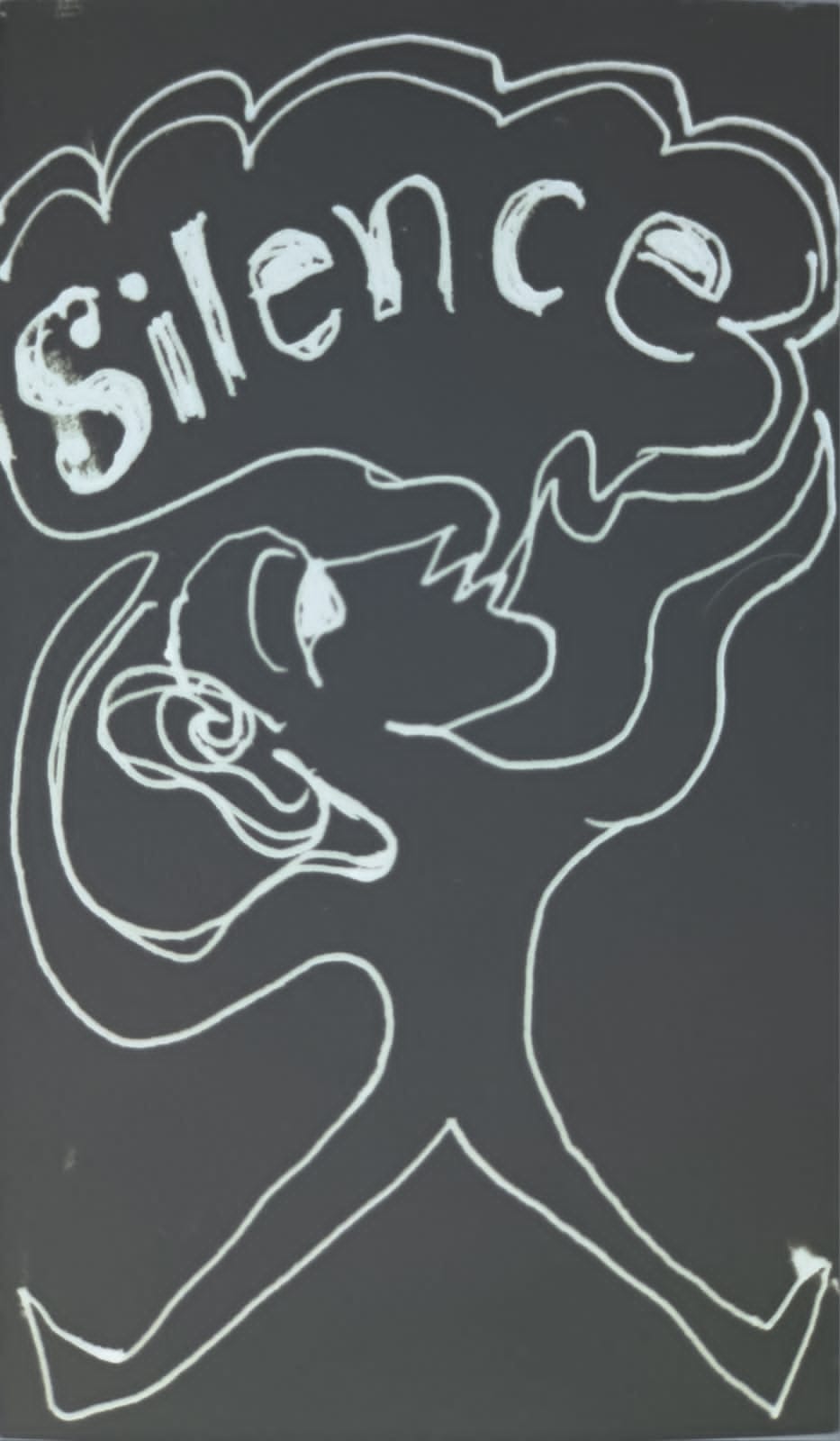
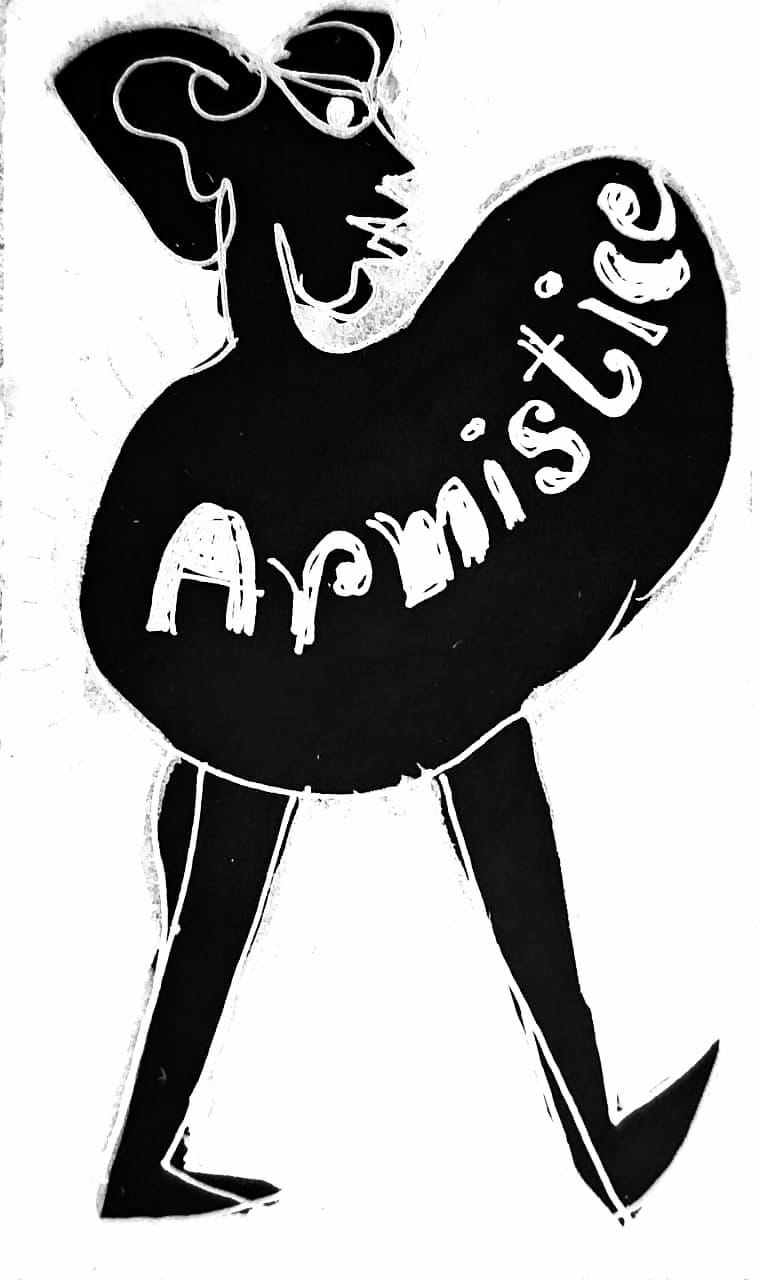
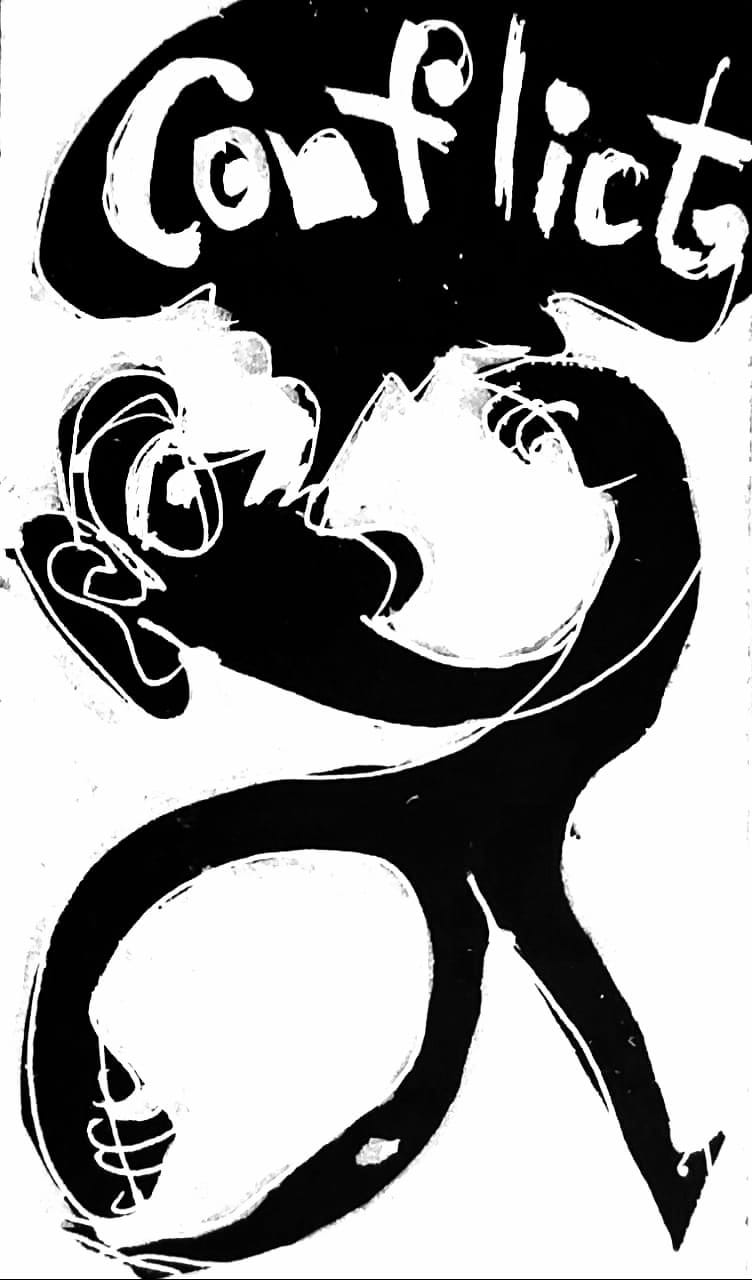
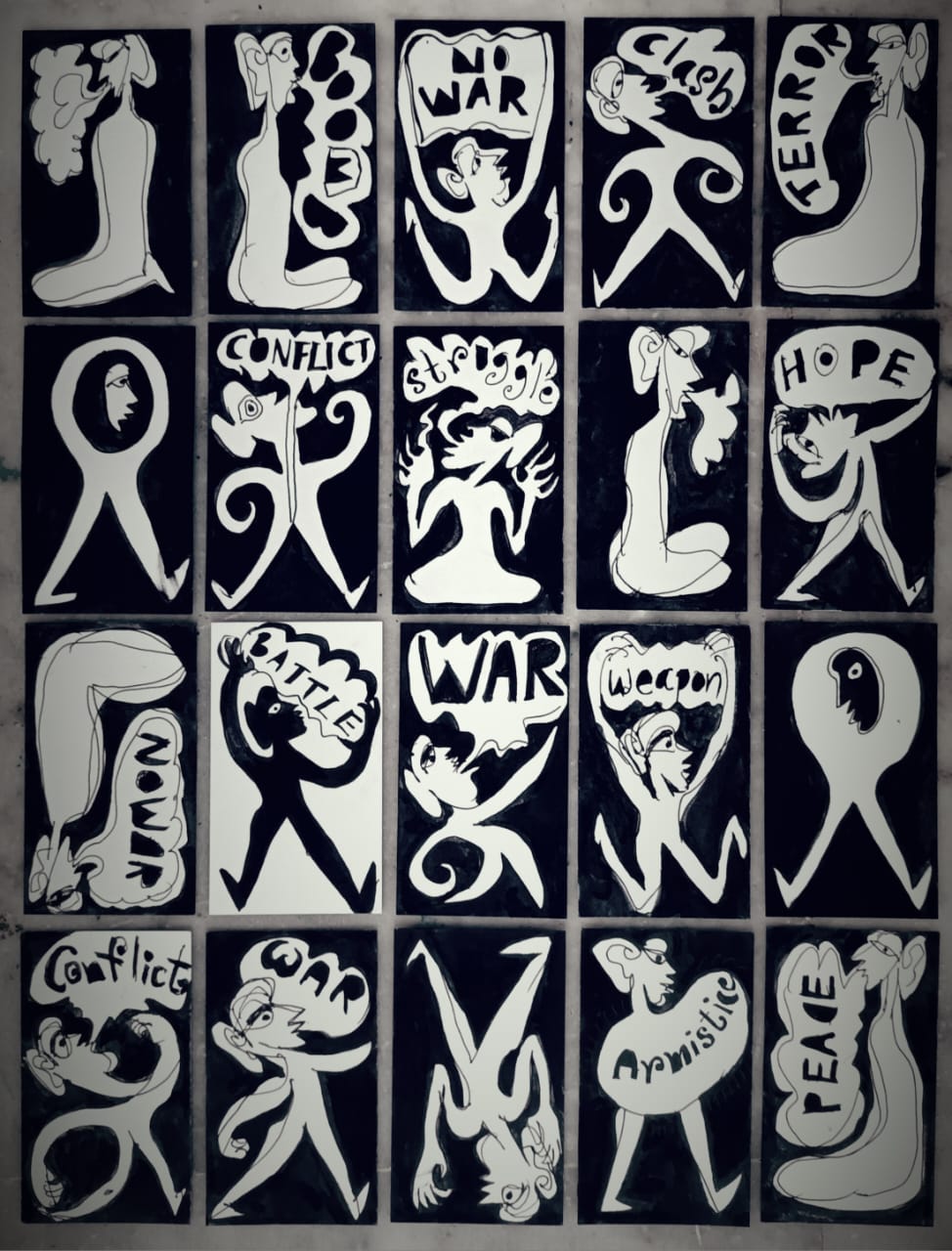
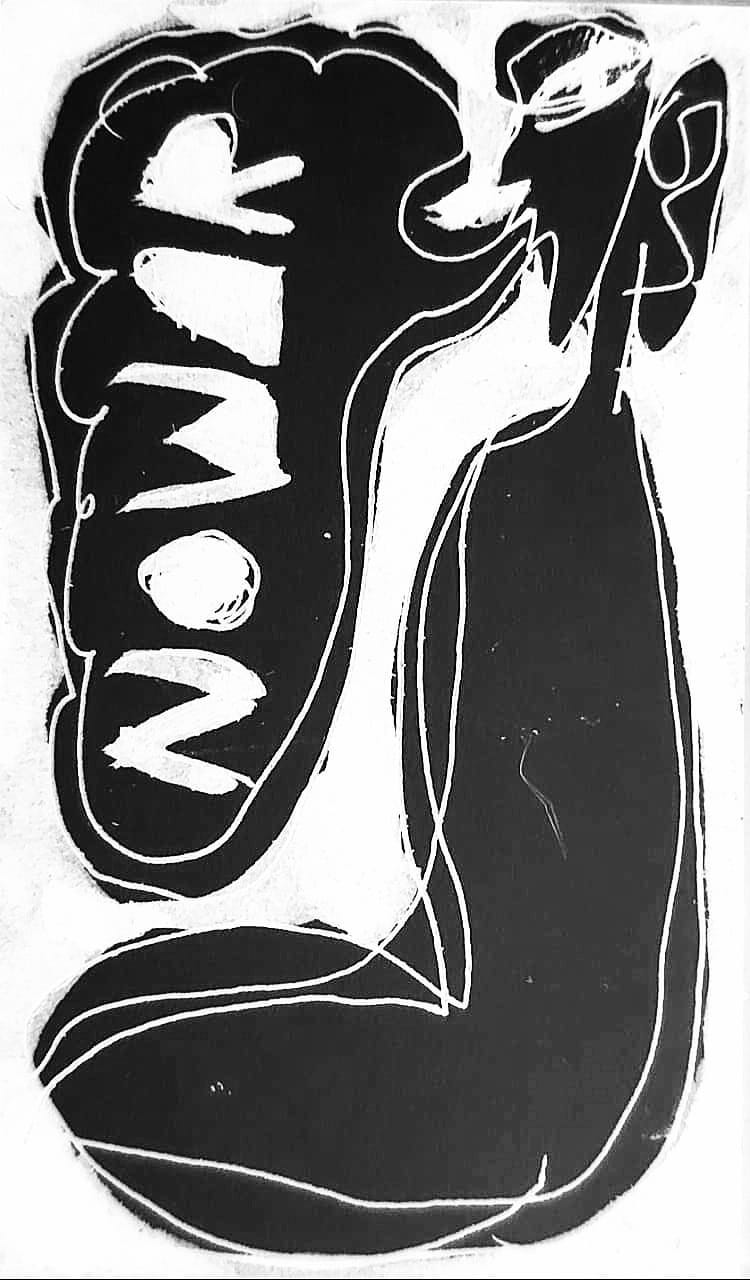
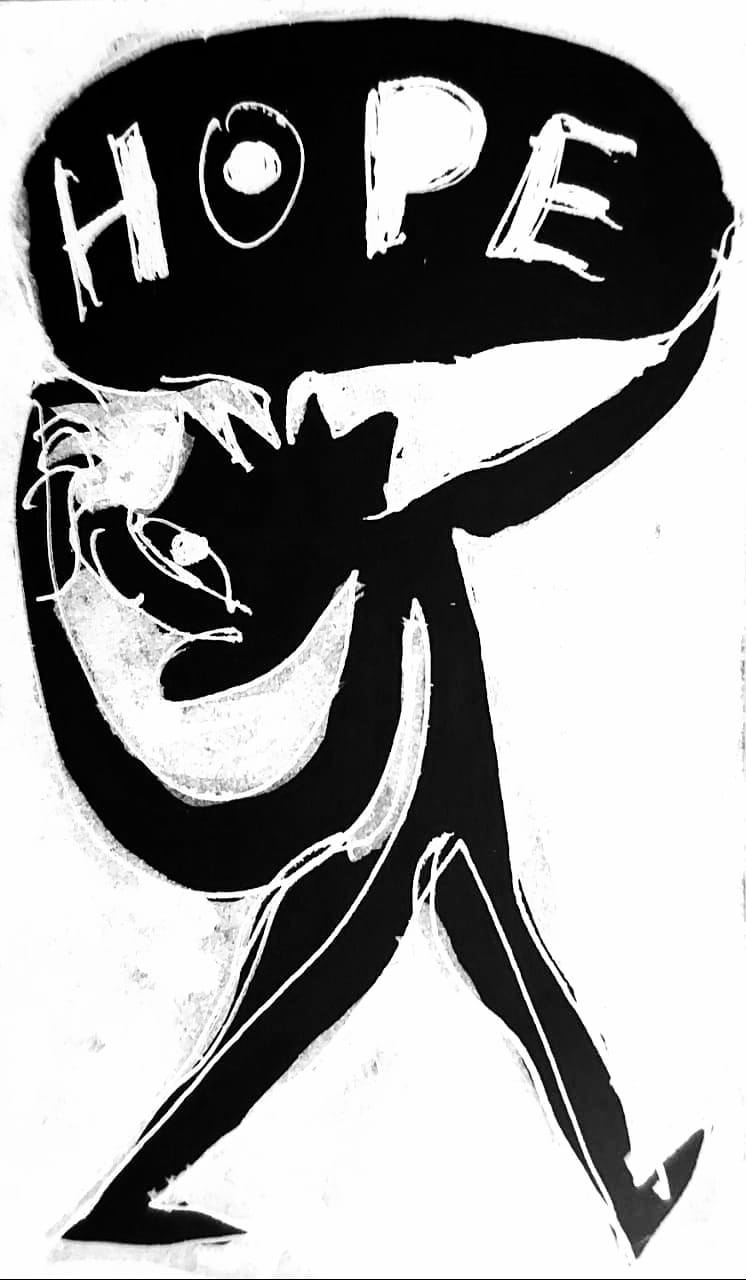

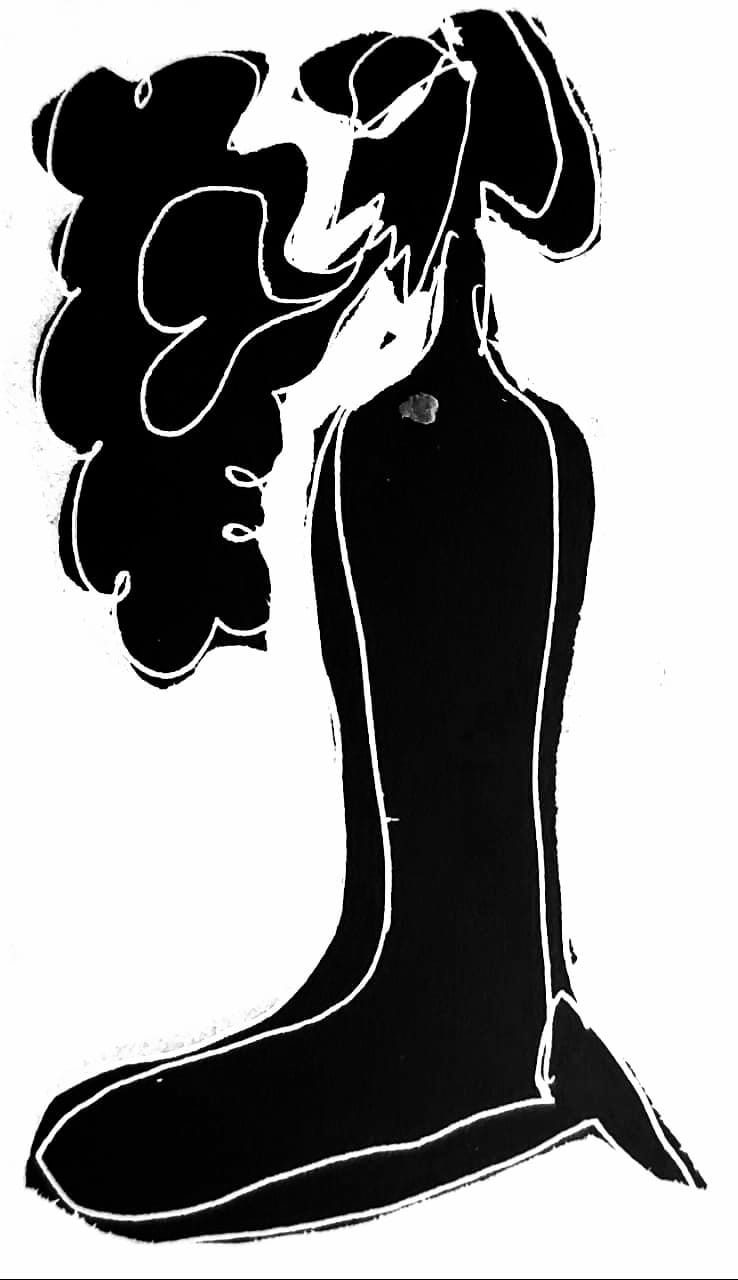
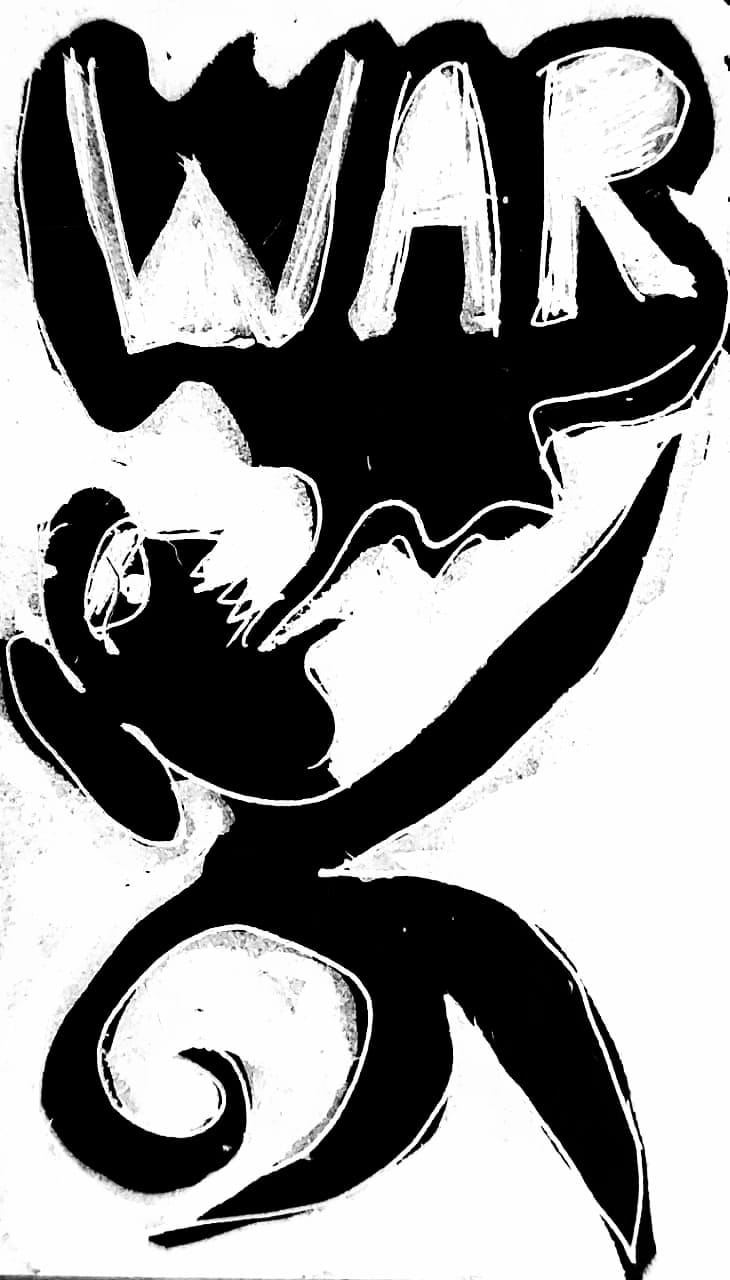
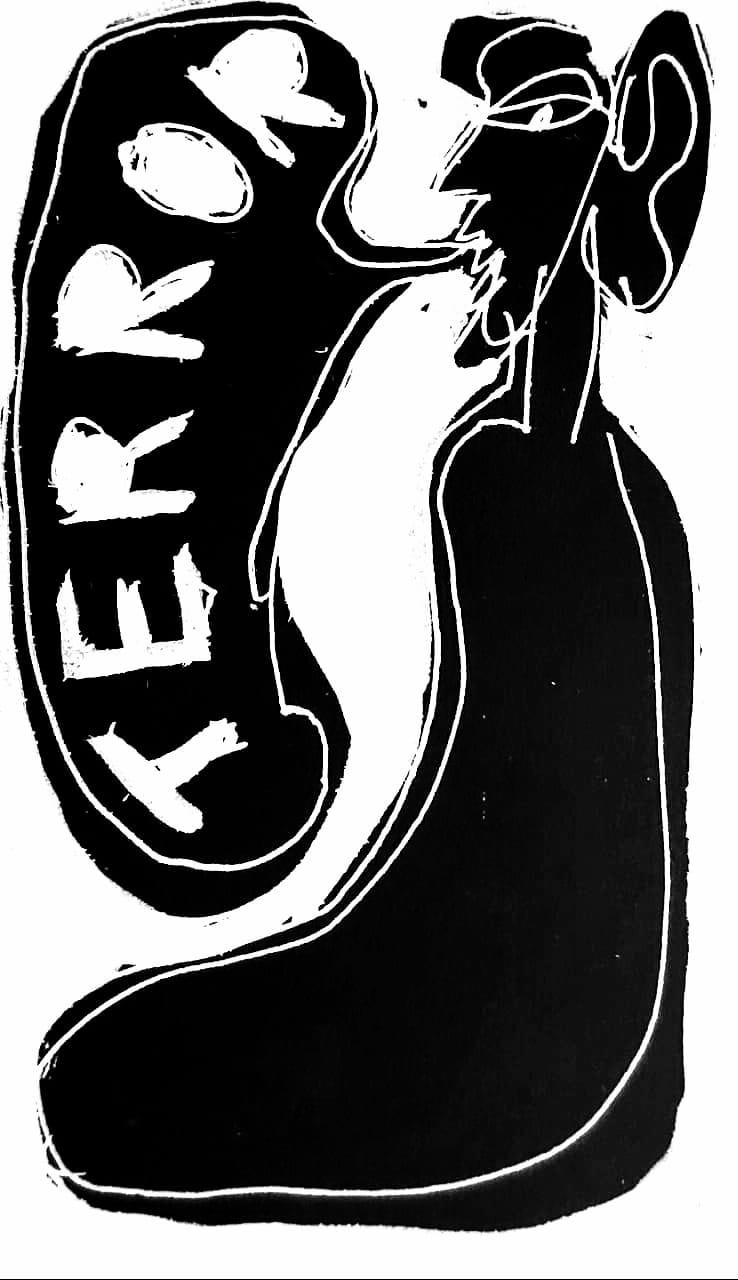
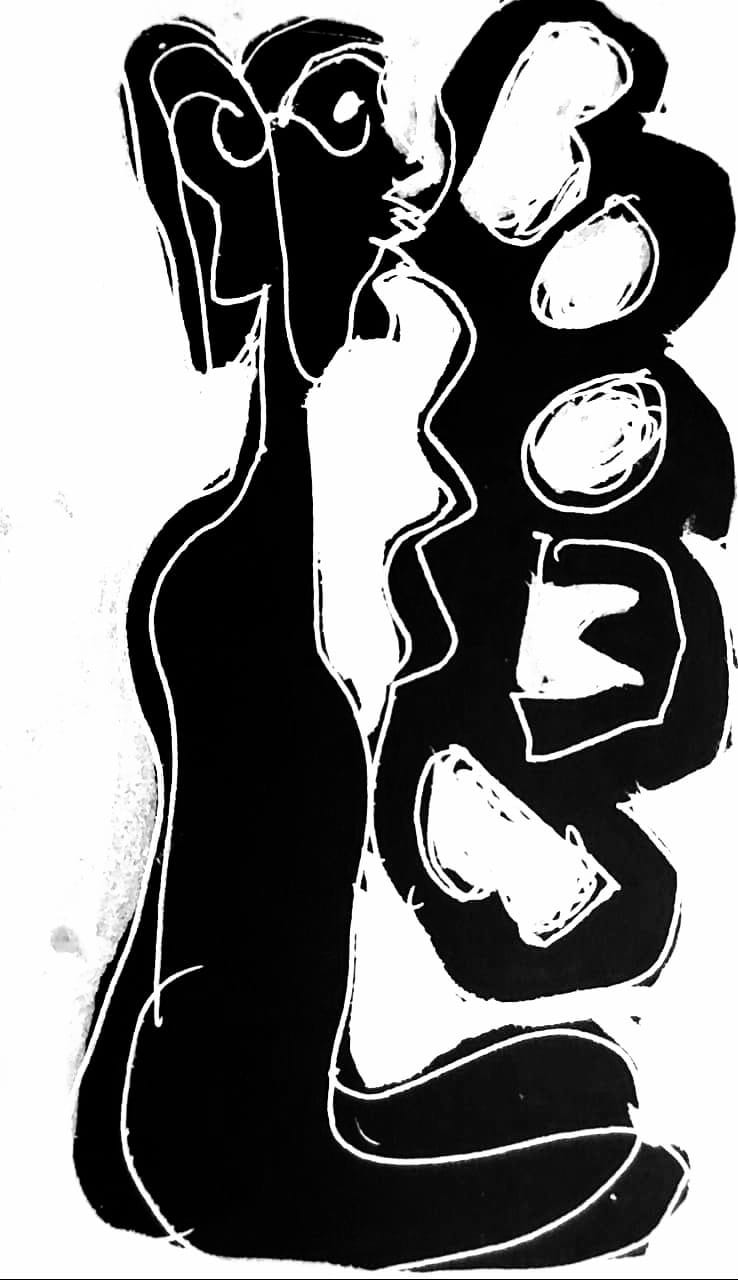
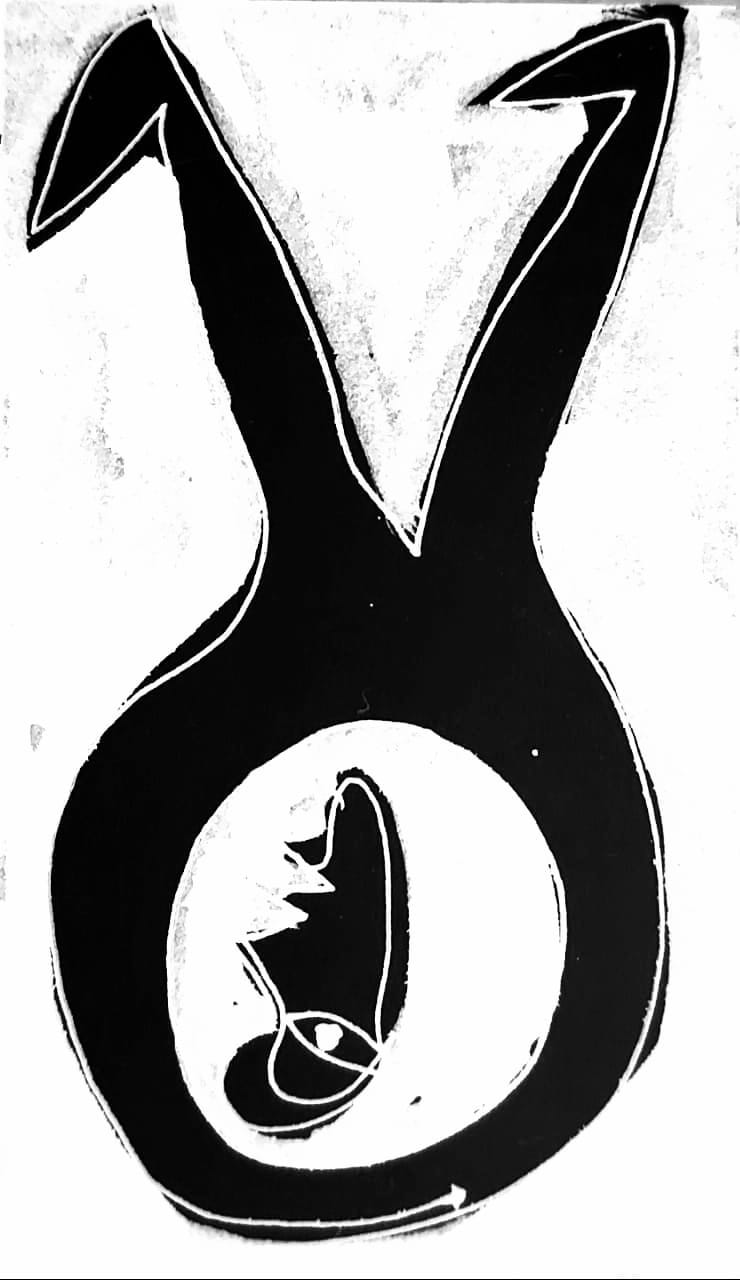
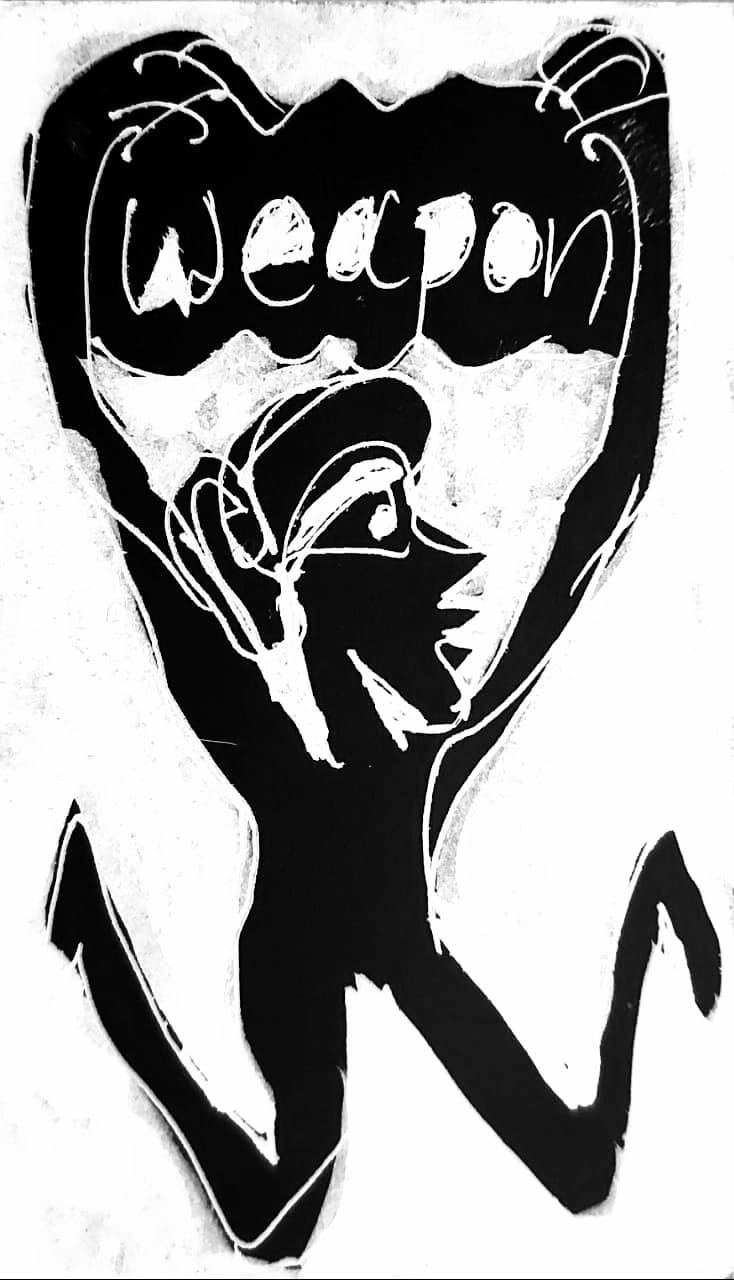

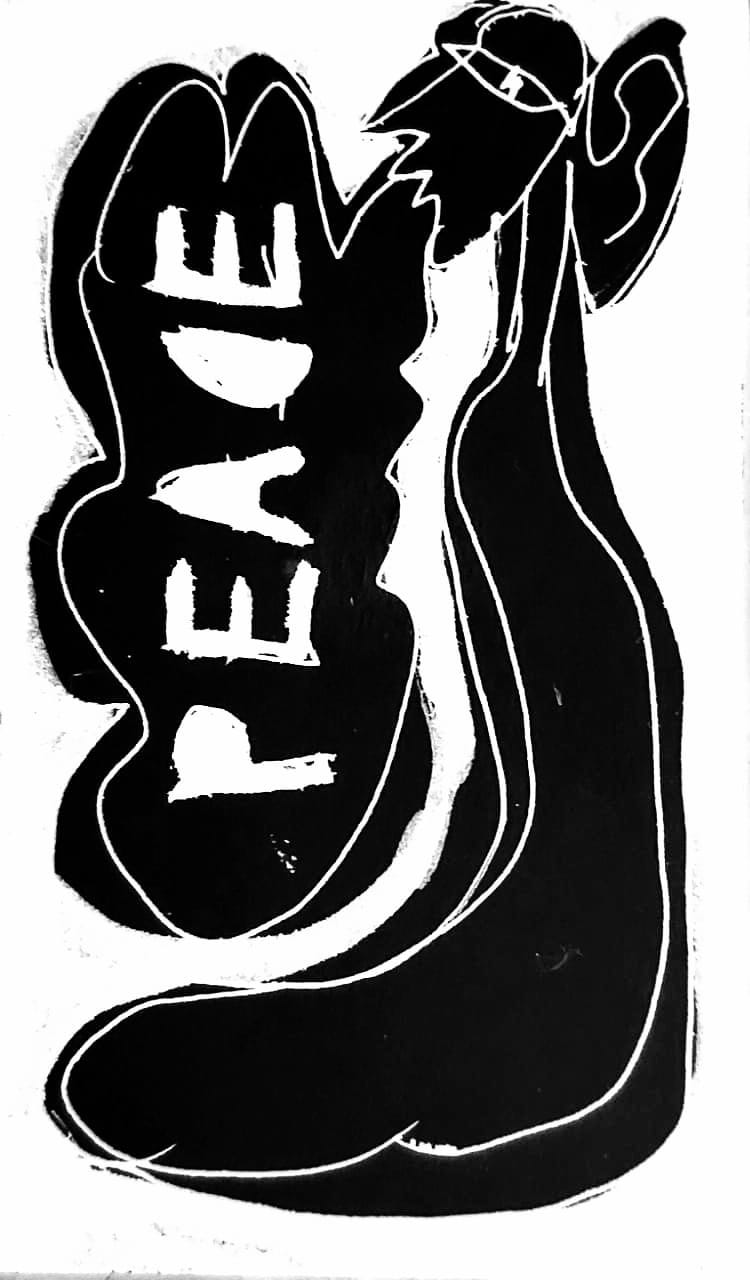

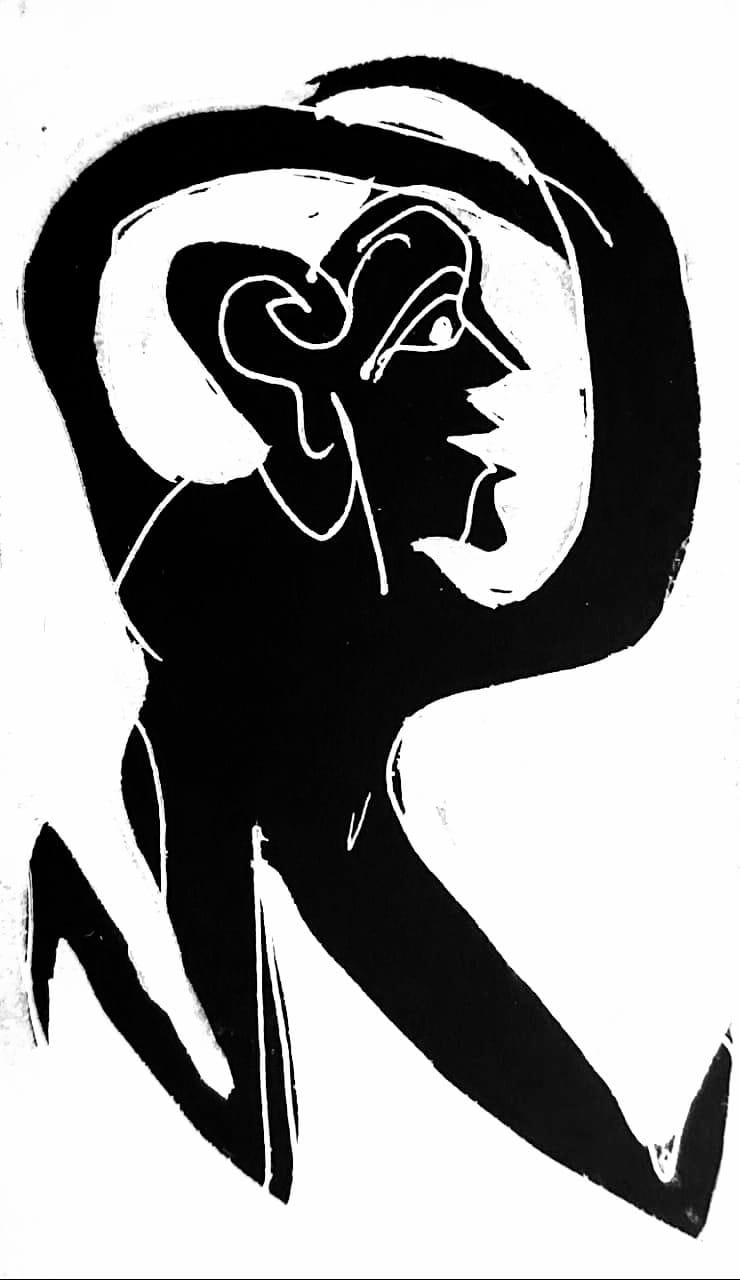
“Through the lens of Prof. Suresh K. Nair, each photo becomes a silent poem — expressing art, peace, and hope for a better world.”
A Personal Note: Art and Human Rights Walk Together
As a human rights defender, I see in Suresh’s practice a powerful complement to our own struggle — to defend dignity, equity, and freedom for the most marginalized. Where we fight legal battles, he paints moral visions. Where systems fail, he invokes the sacred. Where the world forgets, he remembers through brushstroke and color.
In supporting the distribution of his peace miniatures in Varanasi, I witnessed first-hand how a single piece of art can move a weaver, a child, or a widow — evoking not just beauty, but belonging. These are not just paintings — they are promises.
Conclusion: Becoming the Art We Need
The world today needs more than diplomacy. It needs deep listening, healing gestures, and creative re-imaginings of what it means to live together. The miniature art of Suresh K. Nair is monumental not because of its size, but because of its spirit — a spirit that echoes the soul of Varanasi, where everything coexists: river and ritual, chaos and calm, tradition and tomorrow.
In Suresh’s hands, art becomes a sanctuary and a summons. He reminds us that peace is not an absence of war, but a presence of shared humanity — and that we must create it together, one gesture at a time.
Let us not merely admire his work. Let us live it.
메타데이터
- post_id
- ee60856eb991
- slug
- suresh-k-nair-painting-a-path-to-sustainable-peace-through-art-in-a-world-torn-by-hatred-ee60856eb991
- url
- https://medium.com/@lenin_75290/suresh-k-nair-painting-a-path-to-sustainable-peace-through-art-in-a-world-torn-by-hatred-ee60856eb991
- canonical_url
- https://medium.com/@lenin_75290/suresh-k-nair-painting-a-path-to-sustainable-peace-through-art-in-a-world-torn-by-hatred-ee60856eb991
- author_url
- https://medium.com/@lenin_75290
- status
- ok
- fetched_at
- 2026-06-10 12:26:30