The Rise of Autonomous Shopping: What Retailers Need to Know
See how autonomous shopping is transforming retail with AI and automation. Learn about the benefits, challenges, and future trends for…
The Rise of Autonomous Shopping: What Retailers Need to Know

See how autonomous shopping is transforming retail with AI and automation. Learn about the benefits, challenges, and future trends for retailers.
Autonomous shopping is transforming the retail industry by making the buying process faster, smarter, and more convenient. With technologies such as Artificial Intelligence (AI), smart assistants, and automated checkout systems, customers can discover, choose, and purchase products with minimal effort. As consumers increasingly expect seamless shopping experiences, retailers must adapt to these changing preferences. Learning about autonomous shopping can help businesses keep customers happy, make daily tasks easier, and stay competitive in the market.
In this blog, we’ll explore what autonomous shopping is, why it’s growing, and what retailers need to do to prepare for this new era of retail.
What Is Autonomous Shopping?
Autonomous shopping is a modern shopping experience in which technologies such as Artificial Intelligence (AI), automation, and smart systems help customers find, compare, choose, and buy products with minimal effort. Instead of spending time searching through countless options, shoppers can rely on AI-powered tools and smart assistants to recommend suitable products, compare prices, and even assist with purchases. By reducing manual tasks and simplifying decision-making, autonomous shopping makes the buying process faster, easier, more personalized, and more convenient for customers.
How Autonomous Shopping Works
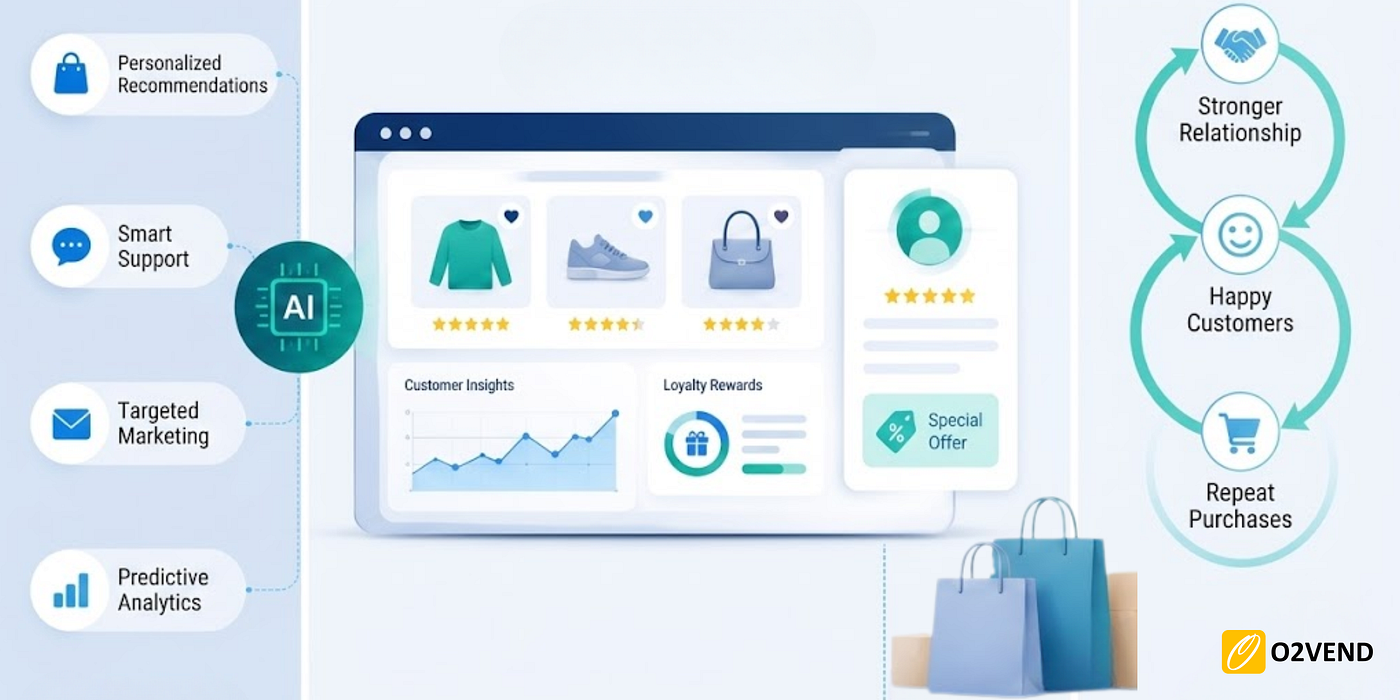
Autonomous shopping uses AI and automation to simplify and streamline the shopping process. The technology learns from customer behavior and uses data to provide personalized recommendations and shopping assistance.
Here’s how it works:
▫ Analyzes customer preferences: AI studies browsing history, past purchases, and shopping habits to understand what customers are looking for.
▫ Recommends relevant products: Based on the collected data, the system suggests products that match individual needs and interests.
▫ Compares options automatically: AI can evaluate different products, prices, and features to help customers make informed decisions.
▫ Assists with purchases: Smart shopping assistants can help add items to carts and complete purchases with minimal effort.
▫ ***Tracks orders and deliveries***: Automated systems provide updates on order status and delivery progress.
By handling these tasks automatically, autonomous shopping creates a faster, more personalized, and more convenient shopping experience.

Get Started Now!
Why Autonomous Shopping Is Growing Rapidly

Autonomous shopping is growing quickly because people want faster, easier, and more convenient shopping experiences. Today’s customers have busy schedules and prefer solutions that save time and reduce effort. Instead of spending hours searching for products, comparing prices, and reading reviews, shoppers can use AI-powered tools that do much of the work for them. These systems can suggest relevant products, provide personalized recommendations, and simplify the buying process.
As technology becomes more advanced and widely available, more consumers are becoming comfortable with using automated shopping tools, encouraging retailers to adopt autonomous shopping solutions to meet changing customer expectations and stay competitive.
How Autonomous Shopping Helps Retailers Grow
Autonomous shopping helps retailers run their businesses more smoothly, provide a better shopping experience for customers, and increase their chances of growing sales and profits. By using AI and automation, retailers can better understand customer needs, streamline operations, and make smarter business decisions. It includes:
▪ Improved Customer Experience: Personalized product recommendations help customers find what they need more quickly and easily.
▪ Higher Sales Opportunities: Relevant suggestions and smoother shopping experiences can encourage customers to make more purchases.
▪ Better [Inventory Management:](https://o2vend.com/inventory?utm_source=MEDIUM&utm_medium=MEDIUM+BLOG&utm_campaign=The+Rise+of+Autonomous+Shopping%3A+What+Retailers+Need+to+Know&utm_id=721) AI can analyze demand patterns and help retailers maintain the right stock levels.
▪ Reduced Operational Costs: Automation reduces the need for manual tasks, saving time and lowering business expenses.
▪ Faster Decision-Making: Retailers can use real-time data and insights to make informed business decisions.
▪ Increased Customer Loyalty: Convenient and personalized experiences can encourage customers to return and shop again.
By adopting autonomous shopping technologies, retailers can improve both customer satisfaction and overall business performance.

For Free Demo Contact Us!
Technologies Powering Autonomous Shopping
Autonomous shopping is made possible by advanced technologies that help customers shop more quickly and conveniently. These technologies work together to understand customer needs, recommend products, automate tasks, and create a smoother shopping experience. Some of the most important technologies behind autonomous shopping include Artificial Intelligence (AI), Machine Learning, automated checkout systems, and AI shopping agents.

Artificial Intelligence and Machine Learning
Artificial Intelligence (AI) enables computers and systems to perform tasks that normally require human intelligence. Machine Learning, a branch of AI, helps systems learn from data and improve over time. In autonomous shopping, AI and Machine Learning analyze customer behavior, shopping history, and preferences to provide personalized product recommendations, predict future needs, and improve the overall shopping experience.
Discover how AI and Machine Learning are helping retailers improve customer experiences, automate operations, and make smarter business decisions.
Read More: *AI and Machine Learning Transform the Retail Industry* → Start exploring how intelligent technologies are reshaping the future of retail.
Automated Checkout Systems
Automated checkout systems allow customers to complete purchases quickly without waiting in long lines or interacting with a cashier. These systems use technologies such as sensors, cameras, barcode scanners, and mobile payment options to identify products and process payments automatically. This helps retailers reduce checkout times, improve convenience, and create a faster shopping experience.
AI Shopping Agents
AI shopping agents are smart digital assistants that help customers throughout the buying process. They can search for products, compare prices, recommend suitable options, answer questions, and even assist with placing orders. By understanding customer preferences and needs, AI shopping agents make shopping more personalized, efficient, and convenient while saving customers valuable time.
Read More: ***AI Shopping Agents: The Future of eCommerce Automation*** → Learn how intelligent shopping agents are helping businesses deliver faster, smarter, and more personalized shopping experiences.
Challenges Retailers Should Consider
While autonomous shopping offers many benefits, retailers may face some challenges when adopting these technologies. Understanding these challenges can help businesses plan better and ensure a smooth transition.
Data Privacy and Security
Autonomous shopping systems collect and analyze customer data to provide personalized experiences. Retailers must protect this information from unauthorized access, data breaches, and cyber threats. Customers also expect their personal information to be handled safely and responsibly. Strong security measures and clear privacy policies are important for building customer trust.
Integration with Existing Systems
Many retailers already use systems for inventory management, sales, payments, and customer information. Adding new autonomous shopping technologies can be challenging if these systems are not compatible. Retailers need to ensure that new tools work smoothly with their existing technology to avoid disruptions and maintain efficient operations.

Start Designing Themes
How Retailers Can Prepare for Autonomous Shopping
As autonomous shopping becomes more common, retailers should take steps to prepare their businesses for this growing trend. Adopting the right technologies and improving customer experiences can help businesses stay competitive and meet changing customer expectations.
Invest in AI-Powered Retail Solutions
Retailers can start by adopting AI-powered tools that help automate tasks and improve decision-making. These solutions can provide personalized product recommendations, analyze customer behavior, improve inventory management, and support better business planning. Investing in AI can help retailers improve efficiency and deliver better shopping experiences.
Create Seamless Omnichannel Experiences
Today’s customers often shop across multiple channels, including websites, mobile apps, social media platforms, and physical stores. Retailers should ensure that customers have a smooth and consistent experience across all these channels. A seamless omnichannel experience allows customers to browse, purchase, and receive support easily, no matter where they choose to shop.
The Future of Autonomous Shopping
The future of autonomous shopping looks promising as technology continues to evolve. Advances in Artificial Intelligence (AI), automation, and smart shopping tools will make the shopping experience even more personalized, efficient, and convenient. In the coming years, AI shopping agents may be able to handle more tasks on behalf of customers, from finding products to completing purchases automatically.
Retailers that embrace these innovations will be better positioned to meet changing customer expectations, improve operational efficiency, and remain competitive in an increasingly digital retail environment.
Conclusion: Preparing for the Future of Retail
Autonomous shopping is becoming an important part of the retail industry, changing the way customers discover, select, and purchase products. Technologies such as Artificial Intelligence (AI), automated checkout systems, and AI shopping agents are helping create faster, more convenient, and personalized shopping experiences. As customer expectations continue to evolve, retailers need to stay updated with these technological advancements.
By investing in the right tools, protecting customer data, and creating seamless shopping experiences across different channels, retailers can successfully adapt to this new retail landscape. Businesses that embrace autonomous shopping today will be better prepared to meet future customer needs, improve operational efficiency, and achieve long-term growth in an increasingly competitive market.

Signup Now!
메타데이터
- post_id
- ee6d2ee08cf8
- slug
- the-rise-of-autonomous-shopping-what-retailers-need-to-know-ee6d2ee08cf8
- url
- https://medium.com/@hema.rajkamal/the-rise-of-autonomous-shopping-what-retailers-need-to-know-ee6d2ee08cf8
- canonical_url
- https://medium.com/@hema.rajkamal/the-rise-of-autonomous-shopping-what-retailers-need-to-know-ee6d2ee08cf8
- author_url
- https://medium.com/@hema.rajkamal
- status
- ok
- fetched_at
- 2026-07-27 06:00:26