Questions to Ask Before Hiring an SBA Loan Broker
Getting an SBA 7(a) loan approved is hard enough without picking the wrong guide to get you there. About three in four small business…
Questions to Ask Before Hiring an SBA Loan Broker
Getting an SBA 7(a) loan approved is hard enough without picking the wrong guide to get you there. About three in four small business owners (77%) told a national small-business survey they know where to find capital, which still leaves a large share who do not, and many of them hand the whole thing to the first broker who answers the phone. That is a mistake. The right questions up front tell you whether an SBA loan broker actually places deals with real lenders or just collects your information and disappears.
This is a buyer’s guide, not a sales pitch. Below are the questions to ask an SBA loan broker before you sign anything, the answers a credible broker gives, and the red flags that should send you looking elsewhere. Use them in a first call the same way you would interview any professional you are trusting with a five, six, or seven figure loan.
What an SBA Loan Broker Actually Is
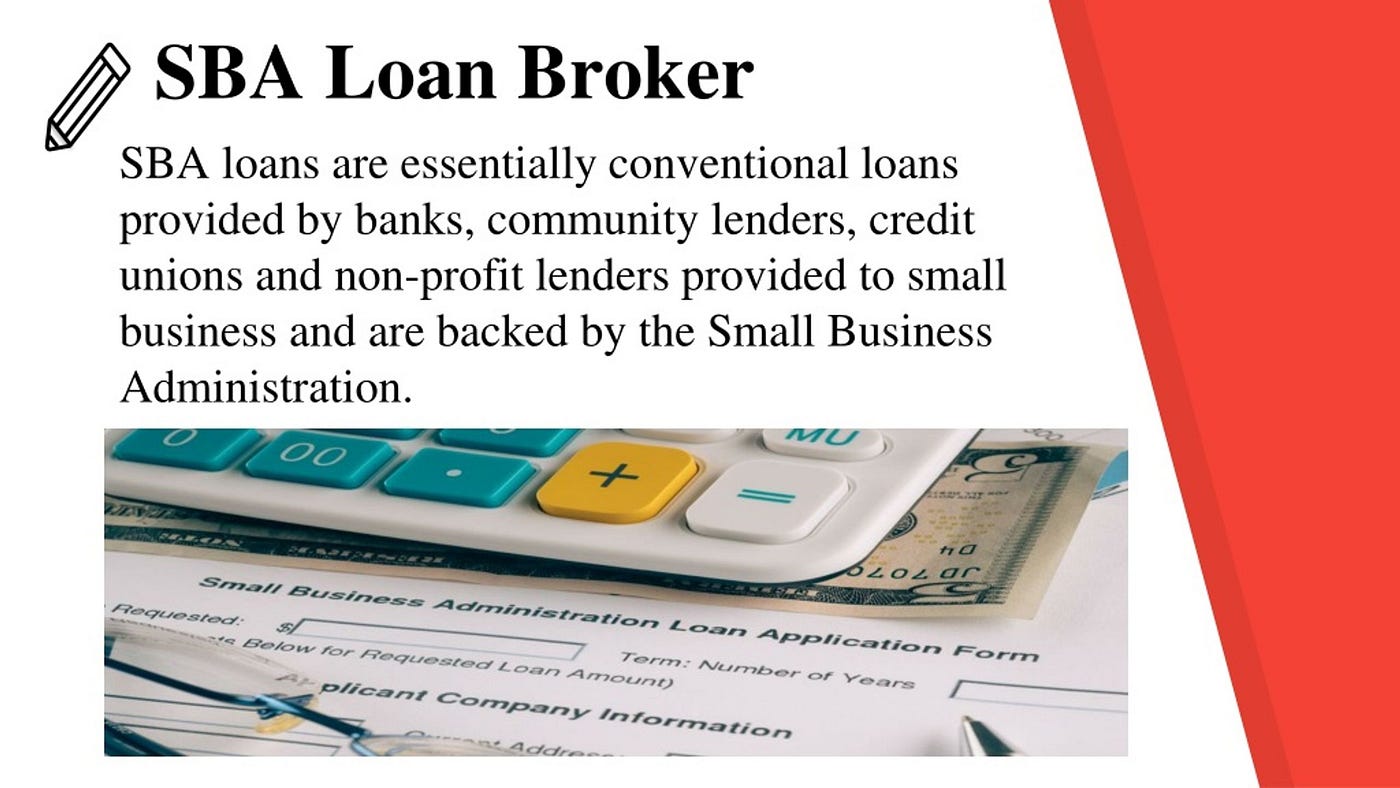
An SBA loan broker is an intermediary who helps a business owner find the right lender for an SBA loan, makes the introduction, and works the file toward closing. A broker is not the lender and does not approve or fund the loan; the bank or non-bank SBA lender does that. A good SBA 7(a) loan broker earns their keep by knowing which lenders say yes to which deals, so you are not cold-calling branches and hoping.
A few terms come up in almost every screening call, so define them before you dial:
- SBA authorization or agent status. The Small Business Administration treats a paid intermediary as an “agent.” Ask any broker to confirm, in writing, how they operate and that they follow current SBA agent rules. This is basic buyer diligence, not an accusation.
- SBA Form 159. This is the SBA’s fee-disclosure form that lists any agent or broker fees tied to a 7(a) loan and who pays them. It exists so fees are transparent to you and to the SBA.
- Lender network. The set of banks and non-bank SBA lenders a broker actually places loans with. The value of an SBA loan broker rises and falls on how deep and how matched this network is.
- Success rate or funded volume. How often the broker’s referred deals actually get funded, backed by evidence rather than a slogan.
The 10 Questions to Ask Before Hiring an SBA Loan Broker
Work through these in order. You are listening for specific, confident answers, not vague reassurance.
- Are you a broker or a lender? A straight answer matters. An SBA loan broker matches you to a lender and works the deal; a lender underwrites and funds it. If someone blurs the line, slow down.
- How do you get paid, and will you show me the SBA Form 159? You want to hear exactly who pays the fee and see it disclosed on paper.
- How many lenders do you actively place loans with? One or two is thin. A real lender network spans banks and non-bank SBA lenders across different appetites.
- Have you funded deals like mine? Same loan size, same industry, same use of funds. Buying a business is a different animal than a real estate purchase or a working-capital line.
- Will you place my loan in my state? Some lenders quietly avoid certain states. Ask directly whether they have lenders who lend where you are.
- What is your funded rate on deals you take on? Ask for a real figure and how they define it, then ask what typically kills the deals that fall through.
- Who works my file after the match, and through closing? A match is the start, not the finish. You want to know a human stays on the deal until the money hits.
- What do you need from me, and what will the timeline look like? A broker who knows the process can tell you the documents and the rough sequence without stalling.
- What happens if my deal gets declined? A credible SBA loan broker has a next move, not a dead end.
- Can I speak with a past client? References are fair game for anyone asking to steer your financing.
Across the conversations 7aSavvy has with small business owners looking for SBA 7(a) financing, the same theme comes up: the broker’s whole value is knowing which lender fits your specific deal. As Brett Smith, who spent roughly two decades bringing SBA loans in as a business development officer, put it on an internal strategy call, placement “depends on the loan, depends on the borrower, depends on the location.” A broker who cannot speak to all three is guessing.
Questions About Fees and Disclosure
Fees are where borrowers get surprised, so this is the section to slow down on. The questions to ask an SBA loan broker here are simple and the answers should be simpler.
- Who pays your fee, me or the lender? On many SBA 7(a) deals the lender pays the broker, which means the service is free to the borrower. That is how 7aSavvy operates as an SBA loan broker: the lender pays the fee, so a small business owner gets the matching and deal support at no cost. Brett Smith described the model plainly on an internal call: “we get paid by the lender, and so it’s free, and so they get all this expertise for free.” Confirm which arrangement your broker uses.
- Will any fee I owe appear on SBA Form 159? If a borrower-paid fee exists, it belongs on that disclosure. A broker who resists putting fees in writing is telling you something.
- Is there anything to pay before closing? For a legitimate SBA 7(a) loan broker, the answer is almost always no. Upfront “application,” “processing,” or “guarantee” fees are a classic warning sign, covered below.
- Are there fees if the loan does not close? Get this in writing too, so a declined deal does not turn into a surprise invoice.
Transparent fee answers are the cheapest way to separate a real SBA loan broker from a lead-seller. If the money story is murky in the first call, it will not get clearer after you sign.
Questions About Lender Network and Approval Odds
A broker is only as useful as the lenders they can actually reach. This is where a strong SBA 7(a) loan broker earns the fee, so press on it.
- How deep is your lender network, really? You want banks and non-bank SBA lenders with different appetites, not a single relationship. Brett Smith described keeping “several lenders that are knocking on my door all the time” and ranking them into a hierarchy, then placing each deal with the lender most likely to fund it.
- Do you have lenders for hard-to-place deals? Some states and some industries scare off conservative banks. On an internal call, Brett Smith noted that many lenders will not lend in New York because it is operationally painful, yet the deals still get done through the lenders who will. A broker with a deep network turns a “no” at one bank into a “yes” at another.
- How do you decide which lender gets my deal? The honest answer is that it depends on the loan type, your profile, and your location, because different lenders have different expertise. A broker who matches on fit rather than convenience is doing the job.
- What are realistic approval odds for a deal like mine? No one can promise approval, and anyone who does is a red flag. A credible SBA loan broker will talk in ranges and name the factors that move the needle.
The point of asking an SBA 7(a) loan broker about their network is to find out whether they are shopping your file to the right desks or simply forwarding it to whoever is closest. Instead of rolling the dice at your local branch, a matched borrower gets sent to the lender that actually wants the deal.
Red-Flag Answers to Walk Away From
Some answers should end the conversation. Watch for these when you ask an SBA loan broker the questions above.
- They ask for a large upfront fee to “get started.” For an SBA 7(a) loan, this is the biggest warning sign. A broker paid by the lender has no reason to charge you before anything closes.
- They guarantee approval. Nobody controls a lender’s credit decision. A guarantee is a sales tactic, not a fact.
- They will not put fees in writing or mention SBA Form 159. Disclosure is standard. Dodging it is a choice.
- They cannot name a single lender or describe their network. A broker with no real lender relationships is just a lead form.
- They pressure you to sign today. Real deals survive a night’s sleep. Urgency is a manipulation, not a benefit.
- They dodge the “broker or lender” question. Anyone unwilling to state plainly what they are should not be steering your financing.
If a broker trips two or more of these, keep looking. The whole reason to ask questions before hiring an SBA loan broker is to catch this early, before your time and your deal are tied up.
What Happens After the Match
One question deserves its own beat, because borrowers forget to ask it: what does the broker do once you are introduced to a lender? A match is not a finish line. The strongest SBA loan brokers stay on the file, chase the lender for updates, and keep the deal moving toward closing, escalating their involvement as the loan gets larger and more complex. Ask your broker directly whether they disappear after the introduction or work the deal through to funding. The difference shows up in how fast, and whether, you close.
Frequently Asked Questions
What should a broker never ask me to pay upfront?
On an SBA 7(a) loan, be very wary of any upfront “application,” “processing,” “guarantee,” or “retainer” fee charged before the loan closes. Many legitimate SBA loan brokers are paid by the lender, which makes their service free to the borrower. If a broker wants money before anything is funded, ask exactly what it is for, get it in writing, and treat it as a reason to shop around.
How do I confirm a broker’s SBA standing?
Ask the broker to describe, in writing, how they operate as an agent and to point you to the SBA fee-disclosure form (SBA Form 159) for your loan. You can also ask for references from recent funded borrowers. Confirming these things is normal buyer diligence for any SBA 7(a) loan broker, and a credible one will not flinch at the questions.
How many lenders should an SBA loan broker work with?
There is no magic number, but one or two relationships is thin. You want a broker whose lender network spans multiple banks and non-bank SBA lenders with different risk appetites, because the whole value of an SBA 7(a) loan broker is matching your specific deal to the lender most likely to fund it.
Is it cheaper to skip the broker and go straight to a bank?
Not necessarily. When the lender pays the broker’s fee, using an SBA loan broker costs the borrower nothing, and you gain someone who knows which lenders fund deals like yours. Going direct to one bank means you get that bank’s answer only. A broker shops the file across a network.
What is SBA Form 159 and why does it matter?
SBA Form 159 is the SBA’s fee-disclosure form for 7(a) loans. It records any agent or broker fees connected to the loan and who pays them. It matters because it puts fees on the record for both you and the SBA, so ask any broker how fees will appear on it before you commit.
Key Takeaways
- Interview the broker before you commit. The questions to ask an SBA loan broker cover fees, lender network, SBA authorization, and track record, and the answers separate a real broker from a lead-seller.
- Follow the money. Confirm who pays the fee, ask to see SBA Form 159, and be very cautious about any upfront charge on an SBA 7(a) loan.
- Judge the lender network. A strong SBA 7(a) loan broker places deals with many lenders and matches your loan on type, profile, and location, not convenience.
- Watch the red flags. Guaranteed approval, big upfront fees, no named lenders, and refusal to disclose fees are reasons to walk away.
- Ask what happens after the match. The best brokers work the file through closing instead of disappearing after the introduction.
Conclusion
Ask these questions of any broker you talk to, and the good ones will welcome them. If you want a straight read on which lender actually fits your deal, 7aSavvy works as an SBA loan broker for small business owners seeking SBA 7(a) financing, matching you to lenders across a broad network with the lender paying the fee. See how the approach works at 7aSavvy.
메타데이터
- post_id
- eea4ecc2c2dd
- slug
- questions-to-ask-before-hiring-an-sba-loan-broker-eea4ecc2c2dd
- url
- https://medium.com/@7asavvy/questions-to-ask-before-hiring-an-sba-loan-broker-eea4ecc2c2dd
- canonical_url
- https://medium.com/@7asavvy/questions-to-ask-before-hiring-an-sba-loan-broker-eea4ecc2c2dd
- author_url
- https://medium.com/@7asavvy
- status
- ok
- fetched_at
- 2026-08-21 13:44:58