Running out of water
Mc Ritchie run at 5:30am
Running out of Water
MacRitchie at 5:30am does not try to inspire anyone. It is dark, humid, and usually less romantic than the version you imagined when setting the alarm the night before. The legs are rarely fresh. The mind is not heroic. Most mornings begin quietly, one foot after another under yellow street lamps before the city fully wakes up.For almost ten years, running was mainly maintenance for me. Consistent. Familiar. Long enough distances that half and full marathons stopped feeling intimidating a while ago. But lately I have been turning toward trail running, and the trails have been quietly correcting many assumptions I did not realize I was carrying.
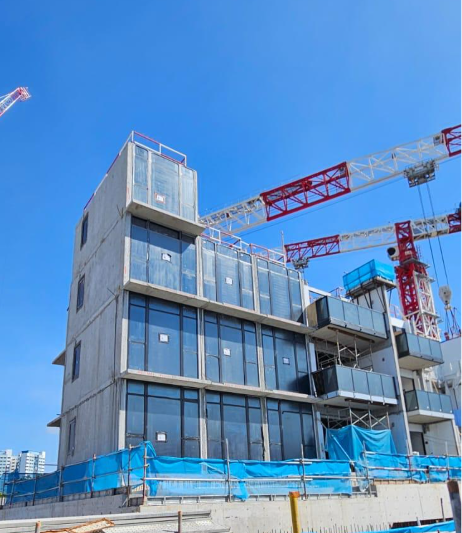
Anyone who has delivered construction projects for long enough will recognize this feeling immediately.
Running is what you do to maintain. Training is what you do when preparing for something that will honestly expose your gaps. The distinction sounds subtle until the mountain makes it painfully concrete.
In late April 2026, I joined the Penang Sky Race as a preparation run for Taiping UTMB. Thirty kilometres through jungle terrain, with roughly 2,400 metres of elevation gain across steep ridgelines, technical descents, exposed humidity, and terrain that does not particularly care how confident you arrived feeling.
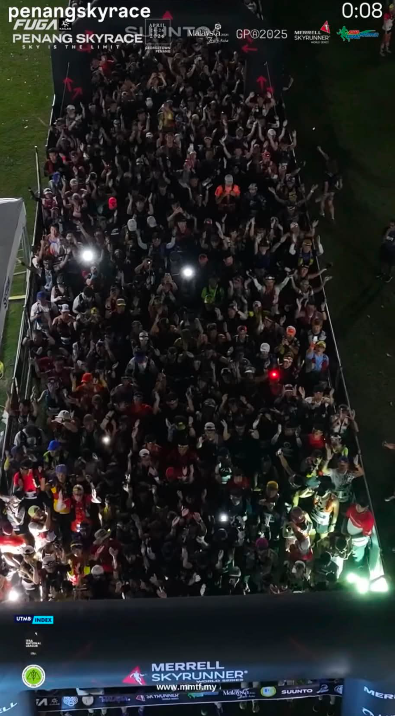
The start of Penang Race at 6am
I arrived fairly confident. The mountain was not impressed.
By kilometre three, I had already made the first serious mistake. Not hydration itself. The assumption behind it. I carried two 500ml soft flasks, expecting water points the way road races condition us to — predictable replenishment, support never far away. Trail racing operates on different logic. The mountain assumes self-sufficiency first.
Both flasks emptied much earlier than expected. The race stopped feeling athletic and became logistical.
At the ten-kilometre checkpoint, I barely made the cut-off. Standing there dehydrated, aware of how much mountain still remained, something became very clear. This was not a bad day. This was under-preparation revealing itself in the least negotiable environment possible.
So I stopped. DNF. Did not finish.
Continuing would have been stubbornness disguised as discipline. In construction, we have another name for that. We call it a variation order arriving late enough to become expensive.
What stayed with me afterwards was not disappointment. It was how familiar the mistake felt.
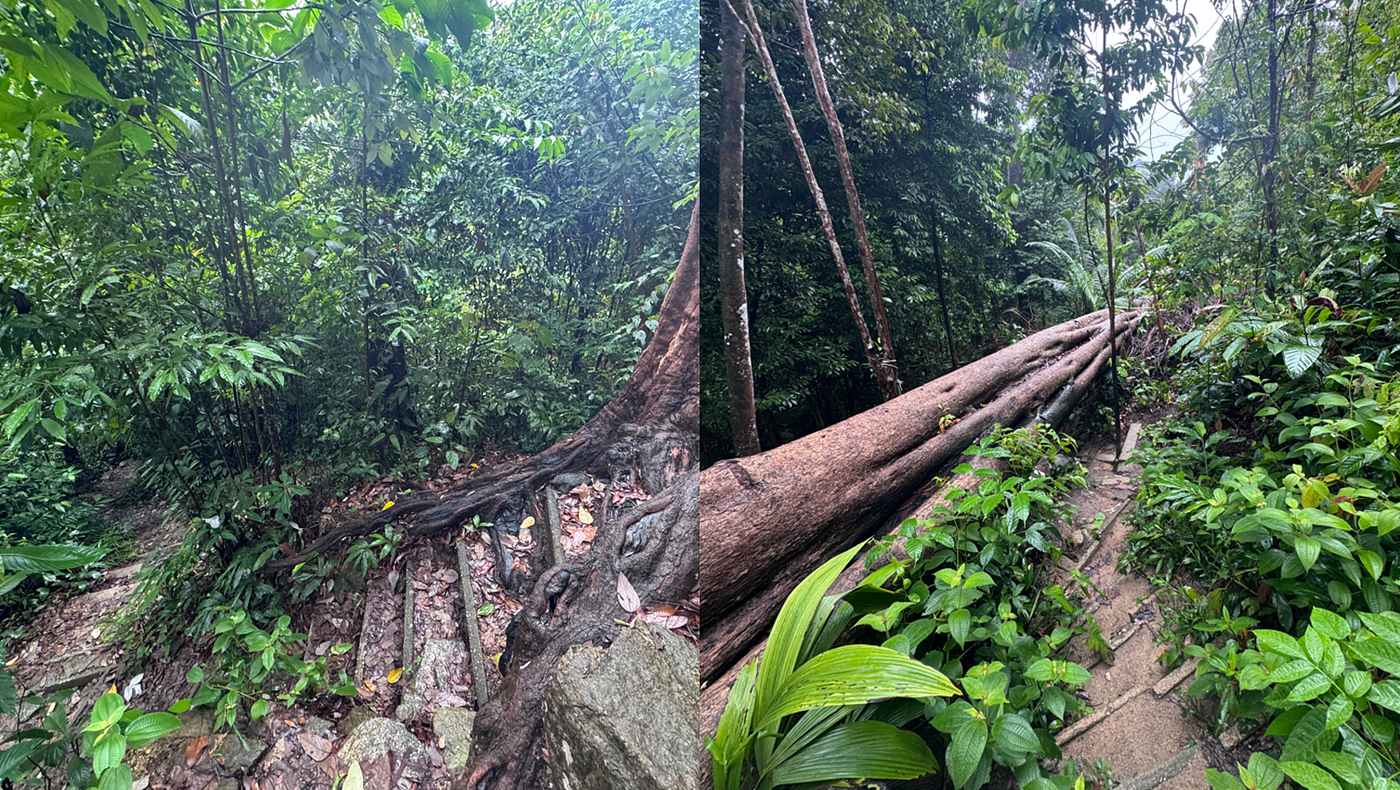
Immerse in the nature, and take a deep breath
Road running and trail racing are not variations of the same operating system. Road rewards rhythm. Trail punishes assumptions. So do projects. Teams move into new environments carrying old frameworks all the time, and the assumptions are usually reasonable — until the terrain changes.
That realization quietly changed how I train now.
Preparation no longer starts at the race line. It starts much earlier, almost the same way major projects begin long before piling works arrive on site. Hydration planning starts days before long runs — elevation profiles, water-point intervals, salt intake, weather forecasts. Small details that heat and fatigue will multiply later.
The gear preparation became strangely familiar to my work life.
Before trail sessions now, I lay everything out almost like a mock-up inspection before mass production begins on site. Running vest. Hiking sticks with carrier. Soft flasks. Gloves. Emergency blankets. Electrolyte tablets. Gels. Mandatory gear. Backup headlamp. Anti-chafe cream. Shoes already tested under wet descents. Nothing experimental on race day unless absolutely necessary.
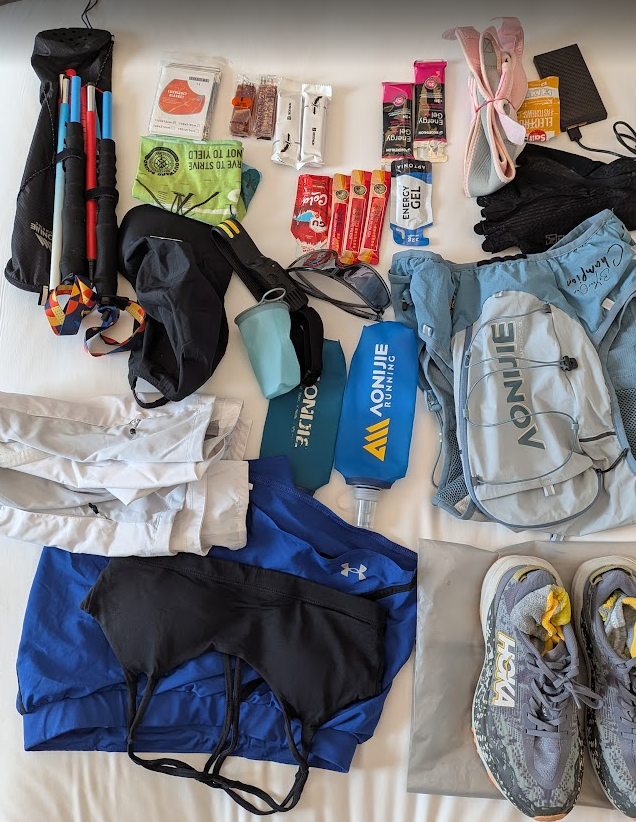
Gears with nutrition gels laid out for trail race
Mock-ups in construction were never really about aesthetics alone. They are where uncertainty gets compressed early before repetition magnifies mistakes across hundreds of units — whether the drainage slope actually works outside drawings, whether the concealed panel can realistically be maintained, whether the system behaves under real conditions rather than specified ones.
Trail preparation behaves similarly. You test gels during training because race day is the worst moment to discover your stomach rejects them after two hours. You test hydration volume because humidity changes consumption rates. You test shoes under wet roots because gravity conducts very unforgiving inspections. The mountain has very little sympathy for untested assumptions.
Long runs have started feeling less like exercise and more like operational rehearsals. Not fitness sessions — calibration exercises. Carrying full vest loads. Practising gel timing. Observing hydration consumption under climb after climb.
It reminded me of TOP preparation periods on projects.
The final months before TOP are never simply about finishing works. They are integrated stress tests for the entire system. Fire engine access. Lift commissioning. Water pressure balancing. Authority walkthroughs. The project eventually reveals whether the invisible preparation layers were real or merely cosmetic. And like trail races, problems rarely arrive individually — a delayed delivery ripples into sequencing, manpower, workmanship, inspections, float. Eventually the issue is no longer the original delay. The whole system becomes fatigued.
Nutrition became another quiet lesson. During road running, I could get away with minimal fueling. Long climbs under heat and elevation consume energy steadily and without announcement. Waiting until you feel hungry is already too late.
Now I fuel earlier and more consistently, even when I still feel comfortable. Not because gels are enjoyable — most taste suspiciously close to overly sweet expired melted candy. But because prevention works better than recovery. The strongest project teams I have worked with carry the same logic. They do not wait for visible failure before intervening. From outside, this sometimes looks excessive. From inside, it is usually what keeps the system stable.
When Taiping UTMB registration opened, I downgraded from 50km to 25km. For about one day, that felt uncomfortable. Then it felt obvious. The goal is not to enter the distance that sounds impressive. The goal is to finish honestly.
Real estate professionals will recognize the equivalent immediately — the project scope that remains ambitious on paper long after everyone privately understands the timeline cannot absorb it.
Every morning when I run, the answer is usually small. One foot after another over uneven ground before the day begins asking for other things. Some mornings feel strong. Some mornings are maintenance. Some mornings simply prove the chain was not broken.
Capacity is rarely built in visible moments. It is built beforehand. Before inspections. Before race day. Before the outcome becomes visible to anyone else.
The public sees the race. Buyers see the launch. Authorities see the inspection.
What they rarely see are the rehearsals beforehand — the mock-ups, failed tests, hydration planning, repeated calibrations, and invisible adjustments quietly preventing larger failures later.
That invisible preparation is usually where the real work sits.
Training for Taiping UTMB, 12 September 2026, Jalan Kota, Taiping. Twenty-five kilometres. Still more gaps to close than I would like.
메타데이터
- post_id
- eeac7d2ddcab
- slug
- macritchie-at-5-30am-eeac7d2ddcab
- url
- https://medium.com/@hcl.writes/macritchie-at-5-30am-eeac7d2ddcab
- canonical_url
- https://medium.com/@hcl.writes/macritchie-at-5-30am-eeac7d2ddcab
- author_url
- https://medium.com/@hcl.writes
- status
- ok
- fetched_at
- 2026-07-10 13:01:02