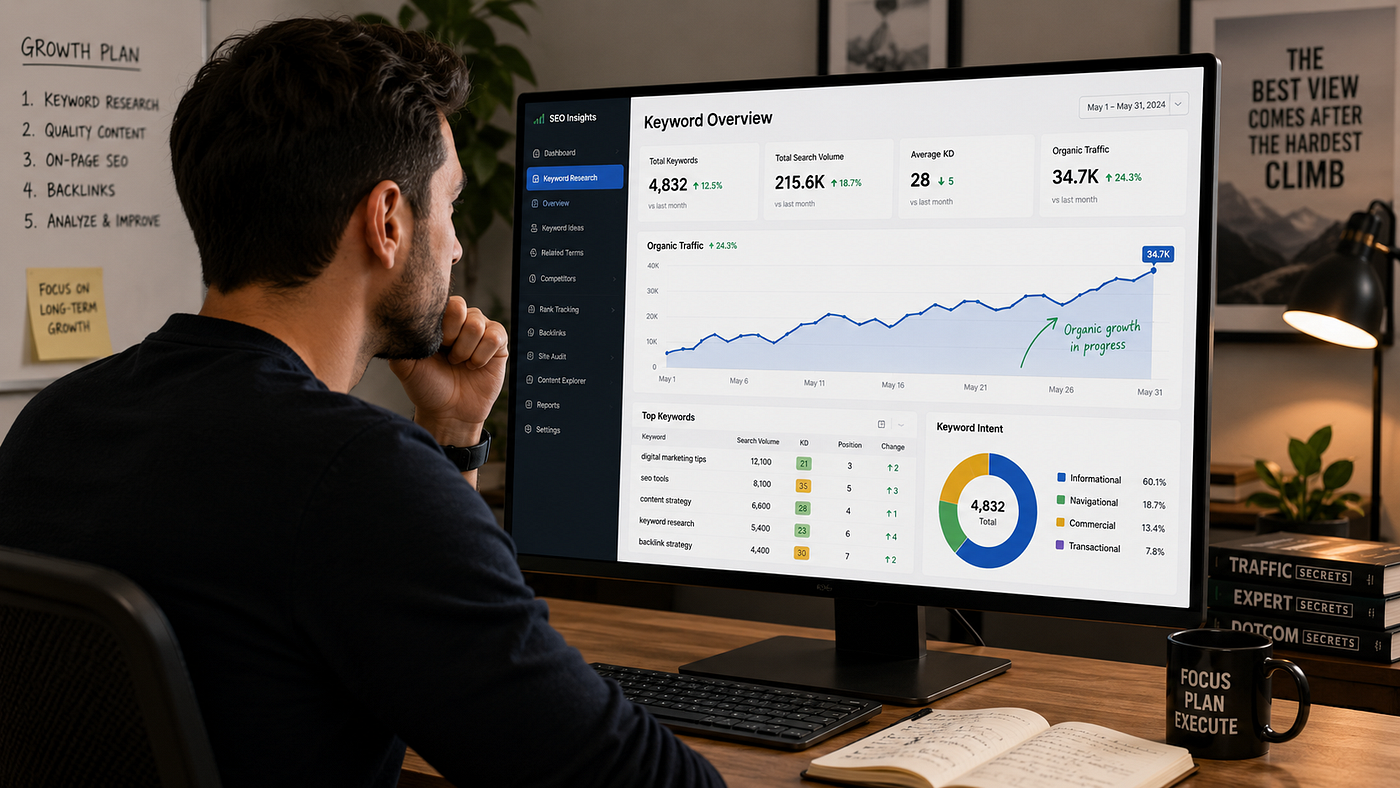
Lead Generation Cheat Code: The Google Search Ads Blueprint for Real Results
Most businesses run Google Ads. Very few generate consistent, high-quality leads from it.
Lead Generation Cheat Code: The Google Search Ads Blueprint for Real Results
Most businesses run Google Ads. Very few generate consistent, high-quality leads from it.
Clicks are easy. Leads are hard. Profitable leads? Even harder.
This series — Lead Generation Cheat Code — is a practical blueprint for turning Google Search Ads into a predictable lead generation system. No fluff. No “secret hacks.” Just strategy, structure, tracking, and smart optimization.
In this series, I’ll break down:
- How to plan campaigns based on real business goals
- How to structure accounts the right way from day one
- How to set up proper conversion and lead tracking
- How to write ads that attract buyers, not just visitors
- How to choose the right bidding strategy
- How to use remarketing to recover lost opportunities
- How to read data and scale what works
If you’re a business owner, marketer, or Google Ads specialist who wants real leads, not vanity metrics , this series is for you.
Let’s turn Google Search Ads into a lead generation machine.
Lead Generation Cheat Code #1: Strategic Campaign Planning
Most Google Ads campaigns don’t fail because of bad ads. They fail because of bad planning.
Before you run a single ad, you need a clear plan. Campaign planning is where real lead generation starts. If you skip this step, you’re just spending money and hoping for results.
Let’s break it down in simple words.
1️⃣ Set a Clear Budget and Goal
First question: What do you actually want?
More form submissions? More booked calls? More demo requests?
Define one clear goal. Not “more traffic.” Not “brand awareness.” If you’re running a lead generation campaign, your goal is leads.
Now set a budget. Think about:
- Average cost per click (CPC) in your industry
- Your expected conversion rate
- Your target cost per lead (CPL)
For example: If clicks cost $2 and 1 out of 10 people convert, your estimated cost per lead is $20.
As the campaign runs, don’t just let it run blindly. Monitor results. Increase budget where leads are profitable. Reduce budget where performance is weak.
Planning your numbers before launching saves you from surprises later.
2️⃣ Build the Right Campaign Structure
Structure decides control.
Start with Search campaigns if your goal is leads. Search captures high-intent users, people actively looking for your service. Later, you can test Display or Video.
Inside your campaign:
- Create separate ad groups for each service.
- Add at least 2 ads per ad group for testing.
- Send traffic to a relevant landing page, not your homepage.
Your landing page must match your ad message and have one clear action: Fill the form. Book a call. Request a quote.
Good structure makes optimization easy. Bad structure creates confusion.
3️⃣ Know Exactly Who You Want as a Lead
Not everyone is your customer.
You must understand your ideal client:
- What problem do they have?
- What are they searching for?
- What stage are they in?
Use Google’s targeting options:
- Location
- Demographics
- Interests
- Remarketing audiences
If you serve different audiences, separate them into different ad groups. Different audience = different message.
Test different messaging and see what connects best. Then double down on what works.
4️⃣ Create a Keyword Strategy Focused on Intent
Keywords are the foundation of Search campaigns.
Start with proper keyword research. Then focus on:
- High-intent keywords (example: “hire Google Ads expert”)
- Long-tail keywords (more specific, less competition)
- The right match types (phrase and exact bring better quality leads)
Broad match can help expand reach, but control it carefully.
Review performance regularly. Remove keywords that waste money. Add new ones that bring conversions.
Remember: Traffic is easy. Buying intent is powerful.
5️⃣ Choose the Right Geographic Targeting
Where are your best leads coming from?
Analyze your current customer data. If you serve specific cities or countries, target them directly.
Use:
- Location targeting
- Bid adjustments for high-performing areas
- Radius targeting if you’re a local business
Regularly check which areas generate real leads. Stop spending in locations that don’t convert.
Geographic planning protects your budget.
6️⃣ Build a Strong Negative Keyword List
This is one of the biggest secrets.
Negative keywords stop your ads from showing to the wrong people.
For example: If you sell premium services, you might add “free” as a negative keyword.
Regularly check your Search Terms Report. Add irrelevant or low-quality terms to your negative list.
This alone can dramatically improve lead quality.
Less junk traffic = better CPL.
7️⃣ Use a Clear Naming System
This sounds small, but it’s powerful.
Name your campaigns and ad groups clearly: Campaign Type — Service — Location — Objective
Example: Search | Web Design | UK | Lead Gen
This helps you:
- Analyze faster
- Report clearly
- Scale confidently
When your account grows, you’ll thank yourself.
Final Thoughts
Strategic campaign planning is not exciting. It’s not flashy.
But this is where real lead generation begins.
When you:
- Set clear goals
- Structure campaigns properly
- Target the right audience
- Choose the right keywords
- Filter out bad traffic
You don’t “hope” for leads.
You build a system for them.
In the next article, we’ll go deeper into campaign setup and settings.
This is just the beginning of the Lead Generation Cheat Code.
메타데이터
- post_id
- eeb22506ae9f
- slug
- lead-generation-cheat-code-the-google-search-ads-blueprint-for-real-results-eeb22506ae9f
- url
- https://medium.com/@hunte3965/lead-generation-cheat-code-the-google-search-ads-blueprint-for-real-results-eeb22506ae9f
- canonical_url
- https://medium.com/@hunte3965/lead-generation-cheat-code-the-google-search-ads-blueprint-for-real-results-eeb22506ae9f
- author_url
- https://medium.com/@hunte3965
- status
- ok
- fetched_at
- 2026-06-09 15:37:30