Dental Sealants for Sensitive Teeth: Do They Work?
Quick Answer:
Dental Sealants for Sensitive Teeth: Do They Work?
Quick Answer:
Do dental sealants help with tooth sensitivity?
Dental sealants may help reduce tooth sensitivity by covering exposed areas and limiting contact with triggers like cold or sweet foods.
Key Takeaways:
- Dental sealants create a protective layer over vulnerable areas
- They may reduce tooth sensitivity caused by exposed enamel
- Sealants support cavity prevention and long-term oral health
- They are a cost-effective option for added protection
- Regular dental visits help maintain results and comfort
Tooth sensitivity can make simple things like eating and drinking uncomfortable. Cold drinks, sweet foods, or even brushing can trigger sharp pain. Many people look for ways to manage this without complicated treatments.
One option that is often discussed is a dental sealant for sensitive teeth. While commonly used for cavity prevention, sealants may also help reduce sensitivity. Understanding how they work can help you decide if they are right for your dental care routine.

Understanding Tooth Sensitivity and Its Causes
Tooth sensitivity happens when the inner layer of the tooth becomes exposed. This can be due to worn enamel, gum recession, or minor damage to the tooth surface. When this layer is exposed, nerves react more easily to hot, cold, or sweet foods.
Daily habits and aging can also contribute to sensitivity. Brushing too hard, grinding teeth, or skipping regular dental visits may increase the risk. Addressing the cause is important before choosing any treatment.
How Dental Sealants Work for Sensitive Teeth
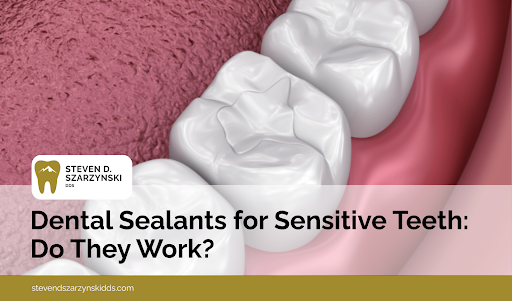
Dental sealants are thin coatings applied to the chewing surfaces of teeth. They are usually placed on molars, but they can also be used in areas where extra protection is needed.
When used as a dental sealant for sensitive areas, the goal is to create a protective barrier that shields the tooth from outside triggers. This barrier helps reduce direct contact between the tooth and foods or drinks that cause discomfort.
Sealants help sensitive teeth by covering small grooves or weak spots. While they are not a cure, they can provide relief and support better oral health over time.

Benefits of Dental Sealants for Everyday Comfort
Many people choose dental sealants for sensitive teeth because they are simple and non-invasive. They fit easily into routine dental services and can be done during a regular dental visit.
Key benefits include:
- Protection against sensitivity triggers
- Added support for cavity prevention
- A smooth protective layer over the tooth surface
- A cost-effective option compared to more complex treatments
- Improved comfort during everyday activities
Sealants help sensitive teeth by covering small grooves or weak areas on the tooth surface. This added protective layer can reduce exposure to triggers that cause discomfort while also supporting protection against tooth decay.
When Sealants May Be Recommended
Not everyone with sensitivity will need sealants, but they may be helpful in certain situations. A dental professional will assess your condition before recommending this option.
Sealants may be considered if you have:
- Mild to moderate tooth sensitivity
- Deep grooves on teeth that trap food
- Early signs of enamel wear
- Increased risk of tooth decay
- Difficulty with eating and drinking due to discomfort
After placement, it is important to maintain good dental care habits. Brushing gently, flossing, and attending regular dental visits help keep the sealants effective.
Final Thoughts
Managing sensitivity is about protecting your teeth and reducing discomfort in daily life. Dental sealants offer a simple way to add an extra layer of protection without invasive procedures.
While they are not a solution for every case, dental sealants can support comfort and improve your overall oral health when used correctly. A professional evaluation will help determine if this option fits your needs.
Protect Your Teeth From Sensitivity With Preventive Care
Taking steps to manage sensitivity early can help you stay comfortable during daily activities like eating and drinking. Understanding your options, including sealants, makes it easier to protect your teeth and avoid future issues.
Steven D. Szarzynski DDS, provides guidance on preventive dental services, including solutions for tooth sensitivity and long-term oral health. Our team focuses on helping patients understand their options and feel confident in their care decisions. Call (909) 946–6868 to learn more about treatment options and schedule your visit.
Frequently Asked Questions
Do you recommend dental sealants for sensitive teeth?
Dental sealants may be recommended if sensitivity is linked to enamel wear or exposed grooves. A proper exam helps determine if they are suitable.
I feel pain when eating and drinking. Can sealants help?
Sealants may reduce discomfort by covering sensitive areas, but the cause of sensitivity should be evaluated first.
Do dental sealants last long for sensitivity relief?
Sealants can last several years with proper care, but regular dental checkups are needed to monitor their condition.
I already have good oral health, should I still consider sealants?
If sensitivity is present, sealants may still provide added protection and comfort even with otherwise healthy teeth.
Do you combine sealants with other treatments?
Sealants are often used along with fluoride treatment and routine dental care to improve results and maintain protection.
메타데이터
- post_id
- eeca2e776615
- slug
- dental-sealants-for-sensitive-teeth-do-they-work-eeca2e776615
- url
- https://medium.com/@DrSzarzynski/dental-sealants-for-sensitive-teeth-do-they-work-eeca2e776615
- canonical_url
- https://medium.com/@DrSzarzynski/dental-sealants-for-sensitive-teeth-do-they-work-eeca2e776615
- author_url
- https://medium.com/@DrSzarzynski
- status
- ok
- fetched_at
- 2026-06-29 01:02:39