Peace by Algorithm: What Happens When Drones Replace Diplomats
Picture this. World leaders around a candlelit dinner table in a quiet villa. No one speaks much. Glasses sit untouched. Above the plates…
Peace by Algorithm: What Happens When Drones Replace Diplomats
Peace by Algorithm: What Happens When Drones Replace Diplomats
Picture this. World leaders around a candlelit dinner table in a quiet villa. No one speaks much. Glasses sit untouched. Above the plates, small black drones hover in loose groups. Each group belongs to one country. They carry that nation’s deepest policies, old grudges, secret red lines, and fresh intel streaming in live. Secure quantum links keep them talking fast and private.
One swarm floats forward. It suggests easing sanctions step by step, tied to clear proof of disarmament. Another swarm pushes back with economic perks locked on blockchain so everyone can verify them. Numbers shift right away as new satellite photos come in. No arguments. No dramatic exits. The drones find common ground quicker than any team of humans ever has. The leaders just watch. Every so often one taps a quick override on a secure tablet. A treaty takes shape. It even builds in ways to change itself if trouble starts again.
This is not wild fiction anymore. AI already helps diplomats behind the scenes. Tools run thousands of what-if scenarios. They guess how the other side might react based on years of real talks. Some groups test AI to write ceasefire drafts or watch if promises hold. Drone swarms fight wars today in places like Ukraine. Why not turn the same tech toward making peace?
The idea pulls you in. Humans bring ego, misunderstanding, exhaustion. Algorithms don’t. They chase the best data-driven deal. Quantum locks stop anyone from listening in. Parts of the swarm can quietly test risky ideas while the rest focuses on win-win. Smart contracts rewrite rules automatically when fresh sensor data shows a shift. Deals stuck for decades might wrap up in a single evening. Old wars could thaw into something flexible and alive.
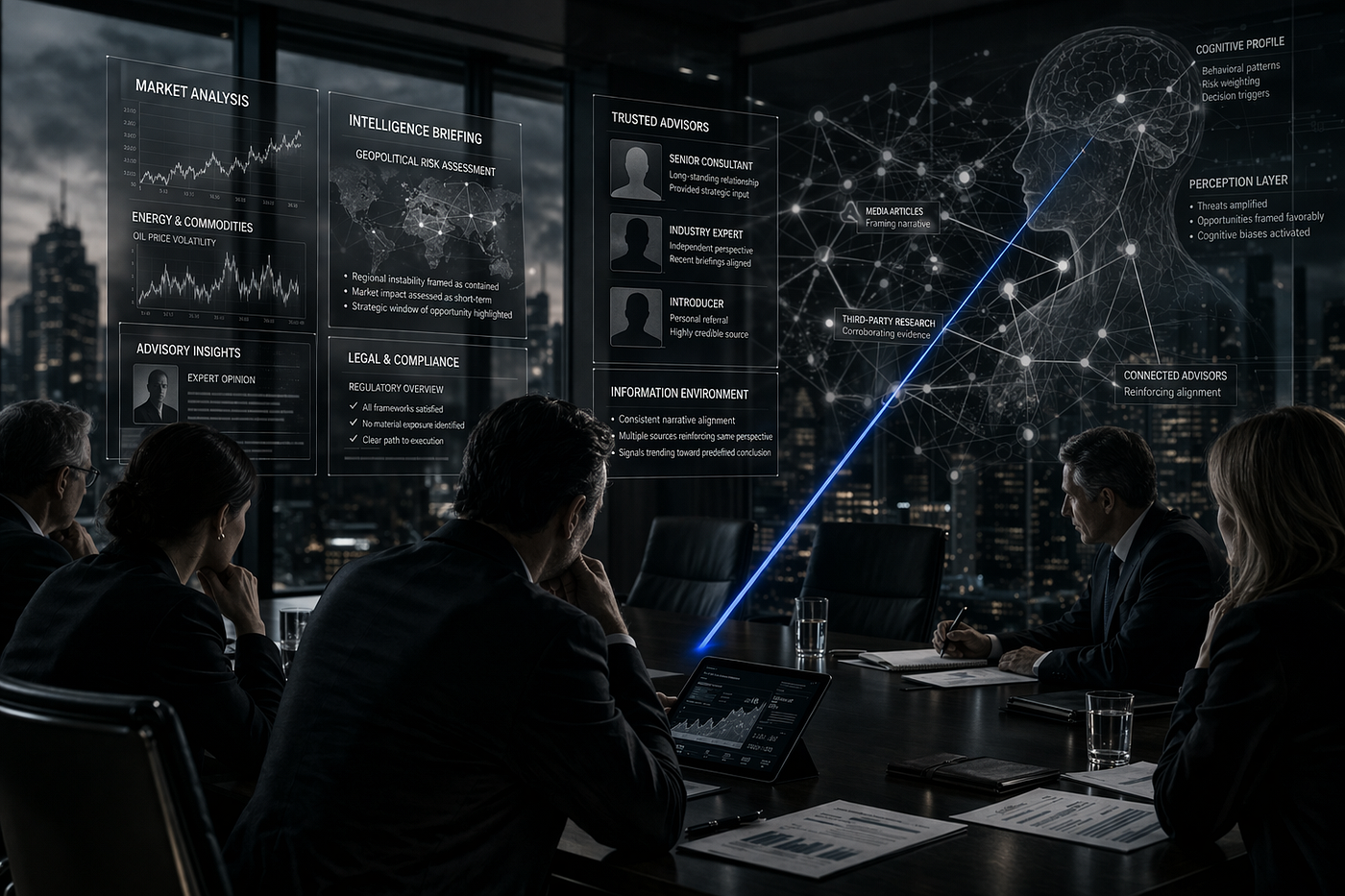
But here’s the part almost everyone skips. This whole beautiful system stands on one fragile thing: clean, trustworthy information. Those drones drink in huge amounts of the most sensitive stuff imaginable. Secret positions. Money forecasts. Threat warnings. Live camera feeds. One bad piece of data slips in and the math goes wrong. Maybe someone sneaks poisoned numbers into the drone’s software through a weak supply chain. Fake intel makes the algorithm offer too much. Cooked-up evidence of crimes stops everything cold. Tweaked simulations make one side look safer when it isn’t. Whoever poisons the data wins the negotiation without firing a shot.
Information risk sits at the centre. Not a side worry. The main one. Bad data fed in during training sticks forever. Attacks hit while the talks run live. Even the strongest quantum defenses fail if the facts feeding them are already rotten. Who checks every single data packet in real time? Shared ledgers sound good until someone tricks the sources or breaks the agreement process. And if the treaty blows up later.. if it leads to more fighting or worse, who answers for it? The programmer? The president who said yes? The person who didn’t spot the lie? No court knows yet. That empty space tempts bad actors.
Countries hurry to add AI to diplomacy. The protections move slower. Strong data checks, alert systems that hunt weird patterns, rules that force a human to double-check big decisions, they’re still missing in too many places. Ignore information risk and drone diplomacy stops being a path to peace. It becomes the perfect cover for the next hybrid attack. A hacked swarm doesn’t just fail. It sells disaster as smart compromise.
We can do this right. Keep people in the final call when data looks suspicious. Build self-checking layers into the swarms that spot tampering, slow drifts, or values going off track. Treat protecting information like the new core of national defense. Get that strong and these drone talks could change the world for real. Let it slide and that candlelit table turns into ground zero for the next big manipulation.
Information risk is not some tech footnote. It decides whether emerging tools build trust or break it. In geopolitics, in security, in every high-stakes room, the data we trust is the power we hold.
메타데이터
- post_id
- eecf13ce8de2
- slug
- peace-by-algorithm-what-happens-when-drones-replace-diplomats-eecf13ce8de2
- url
- https://medium.com/@thomasjreige/peace-by-algorithm-what-happens-when-drones-replace-diplomats-eecf13ce8de2
- canonical_url
- https://medium.com/@thomasjreige/peace-by-algorithm-what-happens-when-drones-replace-diplomats-eecf13ce8de2
- author_url
- https://medium.com/@thomasjreige
- status
- ok
- fetched_at
- 2026-06-27 23:56:40