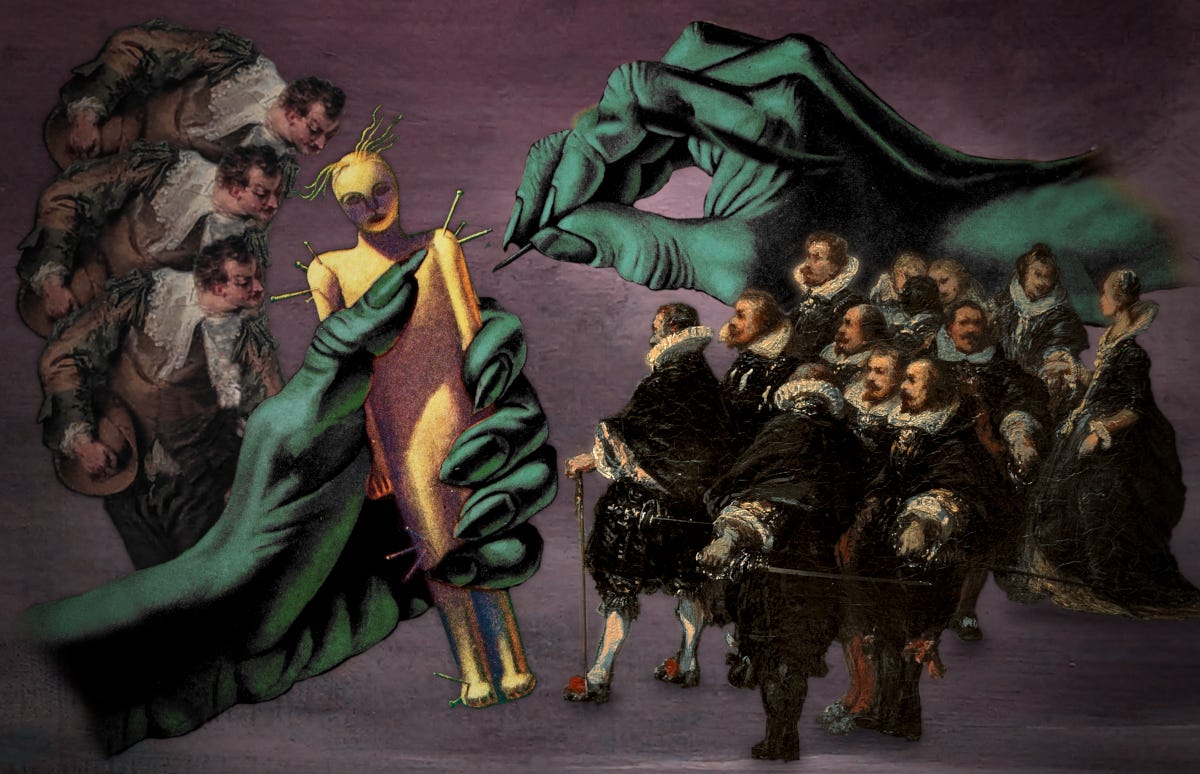
White Coat, Silver Carabiner
This is a three-part-essaay I wrote in honor of celebrating Pride month, as a doctor, in one of the most homophobic country imaginable.

White Coat, Silver Carabiner
This is a three-part-essaay I wrote in honor of celebrating Pride month, as a doctor, in one of the most homophobic country imaginable.
Part 1: White Coat
I was fresh out of the shower when my phone constantly buzzed. One notification turned five, then eight, then ten more.
I grabbed the phone. Water dripped from my frizzy hair strands as I squatted on the bathroom floor. My eyes glued to the screen. It was messages after messages referring to a long list of names. List of ‘new doctors’. Of thousands exam takers, only around three quarters passed the national competency exam to finally become a doctor.
I scanned the names twice, when I finally found my name. I had passed the God-awful test.
Seven years of studying, seven years of sacrificing my sanity, seven years of canceling weekend plans, and sacrificing sleep, finally leads up to this single moment. And… nothing really happened. Aside from the storming messages of Proficiat (meaning congratulations in Latin), there was no dramatic release, no tears of relief, nothing. There was only me, living life like usual and thinking; Well, this is far more anticlimactic than what I expected.
I guess I expected more. After all, from those seven years, I had gained ten kilograms from stress and lost all of it within a month. I had countless anxiety attacks. I went through an adult acne phase that hasn’t heal properly until now. I had watched my hair fall out pieces by pieces and literally got diagnosed with Telogen Effluvium. Surely this was supposed to be THE moment I realise that the war was finally over, right?
Wrong.
In reality the real game just started. The more I think about the new title attached to my name, the more anxious I became. The more difficult it is to breath freely. Along with it came a set of invisible chains, neatly tucked beneath my white coat I had worked so hard to earn.
What if I lose myself trying to climb the career ladder? What if I spend the rest of my life hiding from who I truly am? What if becoming a doctor requires sacrificing my identity altogether?
Throughout medical school, we were taught to be polished. No jeans. No T-shirts. No sandals. Not an inch of visible tattoos. No nail polishes. No dyed hair. No excessive jewelry. Just rule after rule after rule. Some of it made sense, of course. Hygiene and patient safety matters, but much of it felt unnecessary.
We were told that discipline was reflected in appearance. We were told that patients would trust us more if we looked professional and normal, that credibility could be measured by how neatly we present every single day. The message was always subtle, but on a bigger scale, unmistakable. As debilitating days pass, individuality became something to suppress rather than celebrate.
At the same time, as if loosing our identity was not enough, lies a quieter reality. Relationships, platonic or romantic, became dreading to fully participate in. The endless hours spent within hospital walls steal time from the people we love. As we ignore fatigue to be present when each shift started, relationships fade under the weight of canceled plans, unanswered text messages, missed birthdays, and in short, exhaustion.
Not long after officially declared a doctor, the smell of 70% alcohol hand rub start to nauseate me the same way they ruin the skin on my hands. It reminded me of my suppressed emotions in turn of being little miss perfect for every single patients, which only by this point of my entry-level career, had already been thousands. Our professionalism is traded for our individuality, and still then, it was never enough.
Part 2: Silver Carabiner
The first day I stepped into a hospital as a doctor rather than a student, I was wearing my navy scrubs and carrying my white coat over my left forearm. As expected, I was greeted with smiles that conceal unspoken questions.
“You must already have a boyfriend, don’t you?”
Well, technically, no. A partner? Yes. But she identify as a woman, and so am I. Out of fear, I didn’t tell the truth. Instead, I nodded like a bobblehead and smiled, hoping that would be enough to stop them from asking any more uncomfortable questions.
The next question came from a patient. Something rather unexpected from someone in so much pain.
“You’re quite a tomboy, aren’t you? You’re pretty and should wear more makeup. Maybe some lipstick so you don’t look so pale.”
It was 4:00 p.m. on a Tuesday. Every bed in the ER was full of patients. And here you are, suggesting that I lather on lipstick to look more presentable? Last time I checked, this wasn’t a fashion runway, and I was literally here to help save your existence. But none of that escaped my pale lips. I simply nodded and smiled (again), before continuing to ask about the tummy ache that had brought her here in the first place.
Over the next few months, I became a brick wall against words that questioned my entire personality. Most of the time, I simply nodded and smiled. Back in medical school, we were taught to separate our personal and professional lives. A piece of adulthood everyone in any field was told to master. So I did that. I did what I was told, and yet people still plead more answers from me.
In reality, on the field of medicine, health workers are still human. And no matter how much of “treat everyone equally” doctrine was spat to us during our training, we still make judgements (sometimes baseless,) when we work. Behind our smiles, behind our care. Patients, friends, or foe. We still judge, that’s the truth and that’s human. The difference lies in what actions or words spilled after the thought. Unfortunately, too often in this country, most of the sentiments after the stare had a harrowing tone to it. In short, you will never be enough as a cisgender heterosexual men or women, let alone a queer.
Queer. A concept so foreign to a poorly polished country. It is seen as new, taboo, a religious deviation, overly Westernized, and should be extinguished. Maybe they have forgotten that Indonesia was, historically, a hotspot for international trade. In other words, much of our culture originated elsewhere in the world, including our language and even the religions we so proudly preach today. If “Westernized” was a thing and is considered a valid criticism, then why can’t “Easternized” be? That is a question I still cannot answer. Perhaps even, we were never ready to have that conversation.
One day, I was eating lunch in a small stall next to my ER. I sat with a silver carabiner dangling from my pants with my keys and name tag attached to it. For the longest time, that carabiner had been a symbol of my queer identity. Discreet enough that nobody ever noticed.
That day was scorching hot. I sat on a plastic stool in front of a poorly cleaned, plastic-covered table beneath a metal-sheet roof. A dry breeze carried dust that might as well suffocate your lungs. Clearly it’s not a comfortable place to enjoy my 30 minutes of freedom at the Hospital, but at least I’m not alone. I’m with someone I called a friend. Or, so I thought.
“What do you think of gays and lesbians? .. I think, they all should die.”
I look up with rage filling the pupils of my eyes. Thanks to the 7 years of medical training I stayed calm. After all, we were told to stayed calm even at the most horrendous tragedies. This was one of them, so I choose to stay silent. Until another comment struck again.
“It really is a disease. They’re stupid and have no value to this country.”
Oh... if only I weren’t tired. I could’ve list hundreds of reason to oppose such senseless opinion. I could argue day and night. I could fight for my own rights. Alas, my stupid, stupid self stay silent. Finished my meal in silence and walk away.
I wasn’t walking away because I was a coward. I was walking away because this so-called friend of mine is a doctor. They should have known better. It wasn’t a disease. And even if it were, what would we do to treat it? It wasn’t something that needed to be cured. It wasn’t hypertension or nasopharyngitis or schizophrenia. Hell, even the WHO (World Health Organization) removed homosexuality from the ICD (International Classification of Diseases) ever since the 1990s. So why would they still call it a disease?
I walked away because I was simply, disappointed.
They’re speaking out of opinions while disregarding evidence-based research. Something all medical professionals are taught to always bring to the table. Maybe it’s the instinctive judgement that all humans possess, and I can understand that. But how could you spread hatred so confidently?
People often forgot that queers are more than just labels plastered with rainbows. We live among everyone else. We are present in every social class. Every workplaces. Every restaurants and cafes. Every public spaces. We are everywhere. I think we were just accustomed to adapt to the unwritten rules that God knows who wrote. We stayed silent. And unfortunately, that became the sharpest weapon on which homophobia thrive off of.
And besides, “they’re stupid and have no value to this country,” they said. Well… I’m queer and I do have value, don’t I?
I work in a government-led regional hospital for little to no pay. I spent the same number of years earning the same degree. I treat my patients with respect and dignity regardless of their identity. If my cisgender heterosexual colleagues consider themselves smart, then why am I suddenly stupid and worthless simply because I’m queer? How many degrees and titles would then be enough to stop homophobia from growing? I would say, endless.
Part 3 : White Coat, Silver Carabiner
Maybe I was, and still am, afraid to fully reveal my identity. But losing much of my twenties to medical school while enduring the relentless comments directed towards my community taught me something important.
I did not survive seven years of hell to learn how to hate, I survived seven years of hell to become a voice.
A voice for those who are forced into silence. A voice for patients who fear being judged before they are even heard. A voice that remembers that compassion should never be conditional. And while in this country, some doctors may still speak ill of the LGBTQ+ community, just know a small amount of others celebrate it with pride.
Your sexual orientation, your gender identity, the clothes you wear, the way you speak, the person you love, should never determine whether you are treated with dignity. Because at the end of the day, as every patient who walks through a hospital door is human, so does every doctors and medical professionals behind it.
So even if I must remain discreet, even if the pressure to hide parts of myself never fully disappears, know that we, queer professionals (and allies of the community), are still here. We will continue to exist, to care, to heal, and to fight for more than the understanding that we inherited.
I still wear my silver carabiner every day, hidden beneath my white coat. Most people may never see it. But it is there, just as my pride is there.
I may fight in silence, but I fight nonetheless. And I am proud.
Happy Pride Month, from one proud queer to another.
메타데이터
- post_id
- eef378b42aee
- slug
- white-coat-silver-carabiner-eef378b42aee
- url
- https://medium.com/@middleclassandminority/white-coat-silver-carabiner-eef378b42aee
- canonical_url
- https://medium.com/@middleclassandminority/white-coat-silver-carabiner-eef378b42aee
- author_url
- https://medium.com/@middleclassandminority
- status
- ok
- fetched_at
- 2026-06-29 22:44:20