Why Do We Feel Closer to Fictional Characters Than Real People?
On grief for people who never existed, and what it says about the ones who do.
Why Do We Feel Closer to Fictional Characters Than Real People?
On grief for people who never existed, and what it says about the ones who do.

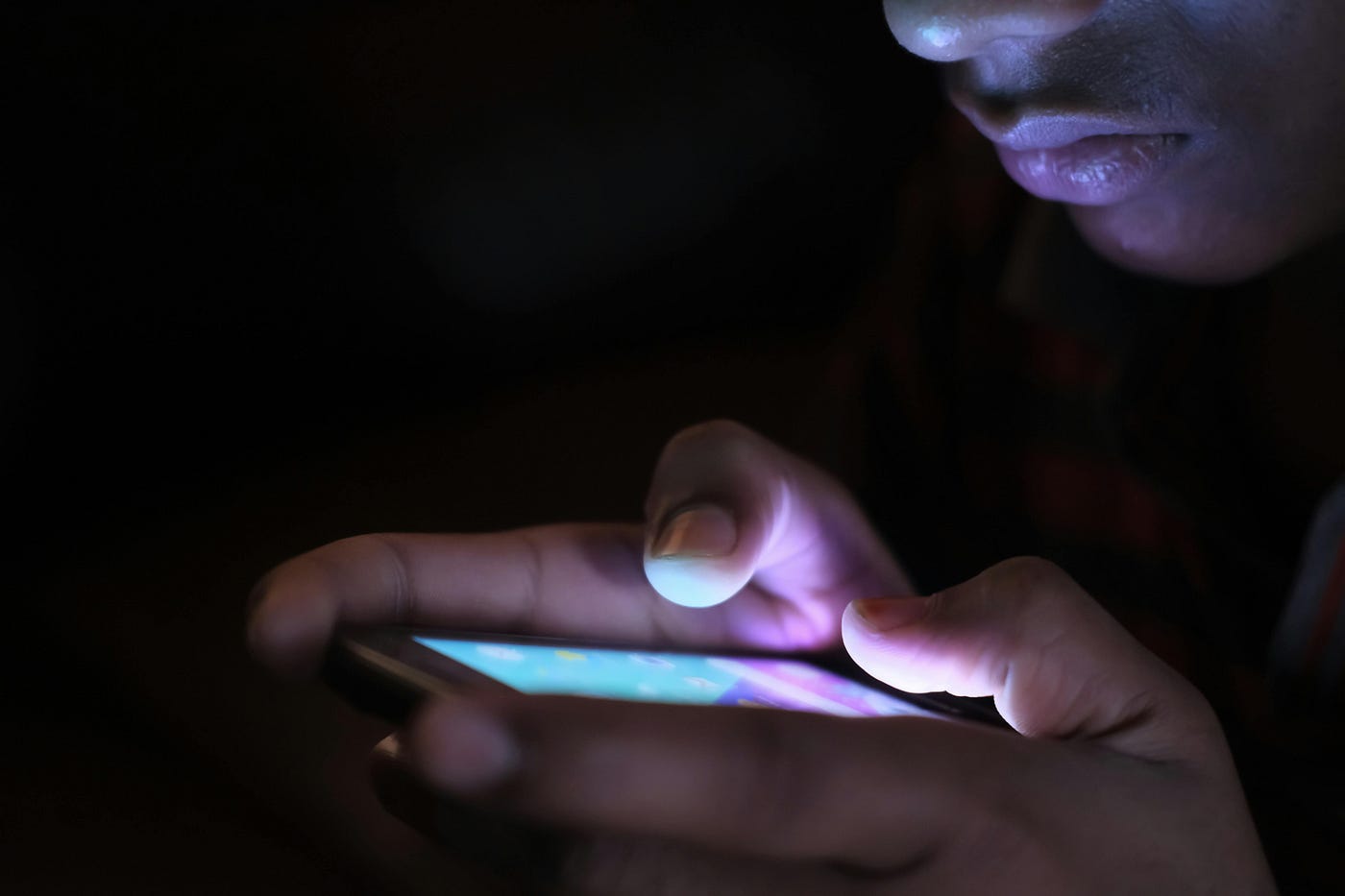
“Sometimes saying goodbye to a fictional character feels like losing a real friend.” Source: Photo by Ron Lach from Pexels
The screen fades to black. Not literally the TV’s still glowing, paused on that last frame but that is exactly how it feels. The show is over. The credits are already rolling somewhere behind your eyes, and you are sitting in a strangely quiet room, hit by something that resembles grief.
Not for a person you know. For someone who never existed.
You do not say this out loud. It sounds a little unreasonable. But you know it happened, because it’s happened before every time a story ends and you are the one left standing in the wreckage of a goodbye you were not ready for.
This should not make sense
Somewhere, a character is about to die on a page you have not turned to yet, and you already know you will cry when you get there. Nobody has to warn you. Some part of your mind has already decided this person matters.
Ask a room of adults if they have ever cried over a fictional death, and hands go up before anyone feels embarrassed about it. Ask if they have cried over a real coworker’s minor disappointment last week, and the room goes quiet. That gap should not exist. And yet it does, in almost all of us.
The strange part is not that we feel this. It is how easily we do.
Your brain is not fooled it is just fully invested
Here’s the quiet, slightly humbling truth: the mind does not sort experience into neat folders labeled “real” and “imagined.” It responds to the shape of a relationship attention, familiarity, vulnerability shared over time more than it responds to whether the other person has a pulse.
And fiction is very good at building that shape. We do not just meet a character once. We spend six seasons with them. We watch them make coffee badly, lie to someone they love, apologize too late, try again anyway. We see them at their most unguarded more unguarded, often, than most real people ever let us see them.
That is the part nobody tells you: fiction frequently shows us more of a person than reality does. In real life, we rarely get access to someone’s private thoughts. In fiction, that access is the entire point.
A thought worth pausing on
Familiarity is not about how long you have known someone. It is about how much of them you have actually been allowed to see.
Stories let us see ourselves
We do not only watch characters. We recognize ourselves inside them. The best ones are not perfect they are specific. Someone who avoids conflict the exact way you do. Someone who wants to be chosen the exact way you have never admitted you want to be chosen.
When they get hurt, something in us responds before we have had time to intellectualize why. That is not really us witnessing a stranger’s pain. It’s us recognizing a rehearsed feeling of our own, finally given a shape and a name.
A feeling with no bill afterward
Fiction hands us enormous emotional experiences love, loss, courage, grief without the invoice real life usually attaches to them. We can grieve a character and still make it to work on time. We can fall for someone who will never disappoint us in the specific, cumulative ways real people eventually do.
That does not make the feeling lesser. It makes fiction a kind of rehearsal space somewhere the nervous system gets to practice feeling deeply, on purpose, without real-world risk attached.
Why the goodbye is the hard part
This is why endings hit harder than they should. It was never really about the character. It was about the ritual built around them the fifteen minutes before bed, the group chat that lit up every Sunday night, the version of you that only existed in relation to that story.
When the story ends, that small, story-shaped version of yourself quietly disappears too. And there is no socially accepted way to mourn a habit, so the sadness just sits there, slightly embarrassed, looking for somewhere to go.
What this actually says about us
None of this means fictional relationships are replacing real ones. Mostly, they are meeting needs that real relationships do not reliably meet to be fully known, to witness someone’s interior life without negotiation, to feel something enormous on an ordinary Tuesday without asking anyone’s permission first.
Real relationships ask for reciprocity, risk, repair. Fiction only asks for attention. Most of us need both kinds of connection, and needing the second does not mean we are failing at the first.
If anything, the intensity of these attachments says something hopeful about us. It suggests our capacity for empathy is larger than our daily circumstances ever give it room to be. It suggests we already know how to love someone we have never met which is, in its own quiet way, good evidence that we know how to love the people we have.
Maybe fictional characters were never powerful because they were real. They are powerful because what they made you feel was.
메타데이터
- post_id
- ef0bd3941b63
- slug
- why-do-we-feel-closer-to-fictional-characters-than-real-people-ef0bd3941b63
- url
- https://medium.com/active-minds-hub/why-do-we-feel-closer-to-fictional-characters-than-real-people-ef0bd3941b63
- canonical_url
- https://medium.com/active-minds-hub/why-do-we-feel-closer-to-fictional-characters-than-real-people-ef0bd3941b63
- author_url
- https://medium.com/@hruthvikwrites
- status
- ok
- fetched_at
- 2026-07-08 19:15:55