A Little Jazz Then…And Now
Head Hunters; Herbie Hancock; Columbia/Legacy; Catalogue # CK 47478; Recorded 09/??/1973; Time: 00:41:44; Release Date: 10/26/1973…
A Little Jazz Then…And Now

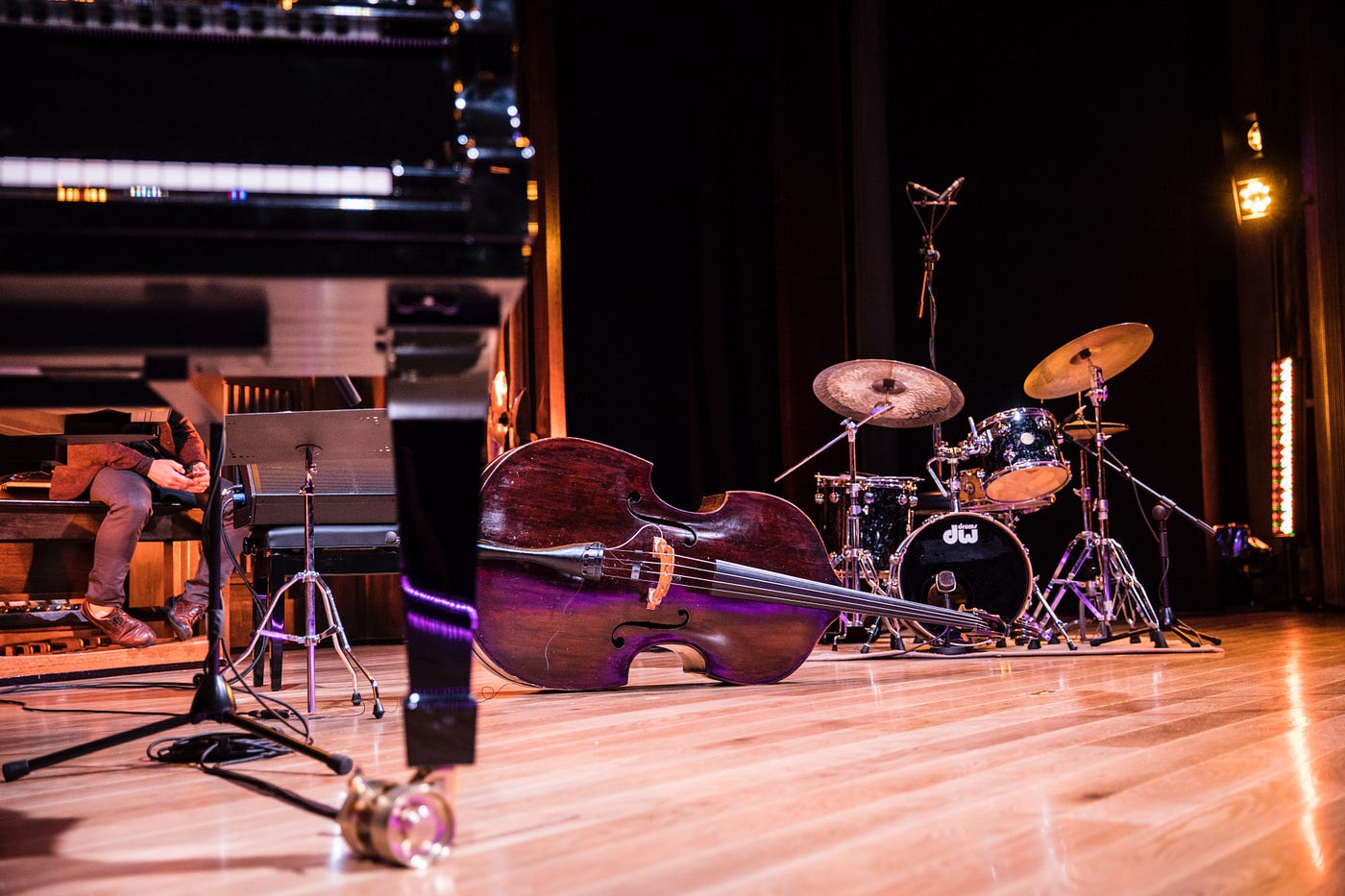
Photo by Gabriel Barletta on Unsplash
Head Hunters; Herbie Hancock; Columbia/Legacy; Catalogue # CK 47478; Recorded 09/??/1973; Time: 00:41:44; Release Date: 10/26/1973; Re-released 05/04/1992.
Musicians: Herbie Hancock (Fender Rhodes Electric Piano, Hohner D6 clavinet, ARP Odyssey & Soloist synthesizers, and pipe); Paul Jackson (electric bass, marimbula); Bernie Maupin (soprano & tenor saxophones, saxello, bass clarinet, alto flute; Harvey Mason (drums).
Track 1: Chameleon (Bernie Maupin, Harvey Mason, Herbie Hancock, Paul Jackson, 1973); Even if the song’s title is unknown to you, the iconic intro of Mason’s drums, Hancock’s ARP Odyssey synthesizer bassline, the D6 clavinet complete with a wah-wah pedal, and Jackson’s electric bass will most likely sound familiar. When it was composed, the Fusion movement was in its infancy, so the genre was commonly referred to as either Jazz-Funk, or Jazz-Rock. The elements of either description were present, and this combination drives the song until the introduction of the saxophones at the 1:30 mark. When I listened to this cut for the second time, just before I started this draft, I heard a subtle interplay among the instruments in this brief interval. It had always been there, but somehow now added a delicate undertone to the composition.
Mason’s playing throughout is solid and with the bass and synthesizer, give the rest of the band a firm foundation to expand the melody and rhythm of the chart. Hancock’s solo is the perfect vehicle for the soloists to do some extemporaneous exploration. The drum/bass duet is exceptional, especially given the experimental nature of the genre.
Hancock generates another melodic change, encouraging the band to either follow, or generate another melodic tangent. Even if you’re undecided whether the music appeals to you, the genius of the composition is compelling. You know it will continue, but which melodic or harmonic thread will next be pulled?
Track 2: Watermelon Man (Herbie Hancock, 1962); The intro to this chart is different. As a musician, I’ve usually been able to identify an unknown instrument by its pitch or phrasing, but I was mystified by this one. I learned that beer bottles were now considered musical instruments! It was an imitation of a musical style which alternates between a sung note and a single-note whistle. It was a cooperative effort between Hancock and percussionist Bill Summers, who blew into the bottle to produce the unique sound which became the rhythmic foundation of the introduction. It disappears at the 1:45 mark, where Herbie’s keyboard is reintroduced.
The next interlude is dedicated to saxophone, bass, guitar and drums, with Hancock’s keyboard providing a firm foundation until the 4:11 mark, where the keyboard returns to prominence in various forms with the synthesizer and the electric piano. Those contributions add yet another texture along with the hindewhu imitation with the whistle and bottles heard earlier. The sound is as different as it is mesmerizing.
Track 3: Sly (Herbie Hancock, 1973); This composition was written to pay homage to Sylvester Stewart, AKA Sly Stone (1943–2025), the founder and driving force behind Sly and the Family Stone. His band merged the genres of Funk, Jazz, Psychedelic Rock, Soul, Gospel and Latin-influenced music. Their performances were dynamic, musical, solid, and one of the few bands that didn’t practice gender discrimination. I think that in some ways that drove the dynamic force with which they performed. They were great musicians, and it always appeared they enjoyed playing together. If there were conflicts or ego issues among them, they were left offstage.
They were there to work, and to entertain.
This arrangement captures that philosophy perfectly, as well as the drive, musical textures, and professionalism of the Family Stone.
Track 4: Vein Melter (Herbie Hancock, 1973); There’s speculation the melody represents a heroin high, then simulates descending from that plateau. It starts with a bass-drum beat, then slowly escalates. A sinister melody instruments fade until the only sound is the bass drum simulating a heartbeat, which fades out at the 9:10 mark. A very unsettling conclusion to an interesting collection of music.
This work was created very early in the Fusion timeline. The difference in technology now versus what was available in 1973 is stark. I wrote this review to illustrate that while the technology is more advanced now, conceptually and musically, the execution of this recording was nothing short of brilliant. ‘Newer’ is not always ‘better’.
Enjoy!
Disclaimer: The materials used in the composition and maintenance of this blog are from my personal music archives. Neither the content, nor the comments regarding the artists or the quality of the music, are influenced, supported, or compensated by any outside entities. The observations made are based solely on my experiences as a musician.
메타데이터
- post_id
- ef10c79b46a3
- slug
- a-little-jazz-then-and-now-ef10c79b46a3
- url
- https://medium.com/@Jazzdrummer/a-little-jazz-then-and-now-ef10c79b46a3
- canonical_url
- https://medium.com/@Jazzdrummer/a-little-jazz-then-and-now-ef10c79b46a3
- author_url
- https://medium.com/@Jazzdrummer
- status
- ok
- fetched_at
- 2026-08-02 00:44:42