Teachers Beware! Somebody’s Watching
Social Media can make or break a teacher’s reputation. Here are some tips to avoid embarrassing or legal situations
Teachers Beware! Somebody’s Watching
Social Media can make or break a teacher’s reputation. Here are some tips to avoid embarrassing or legal situations
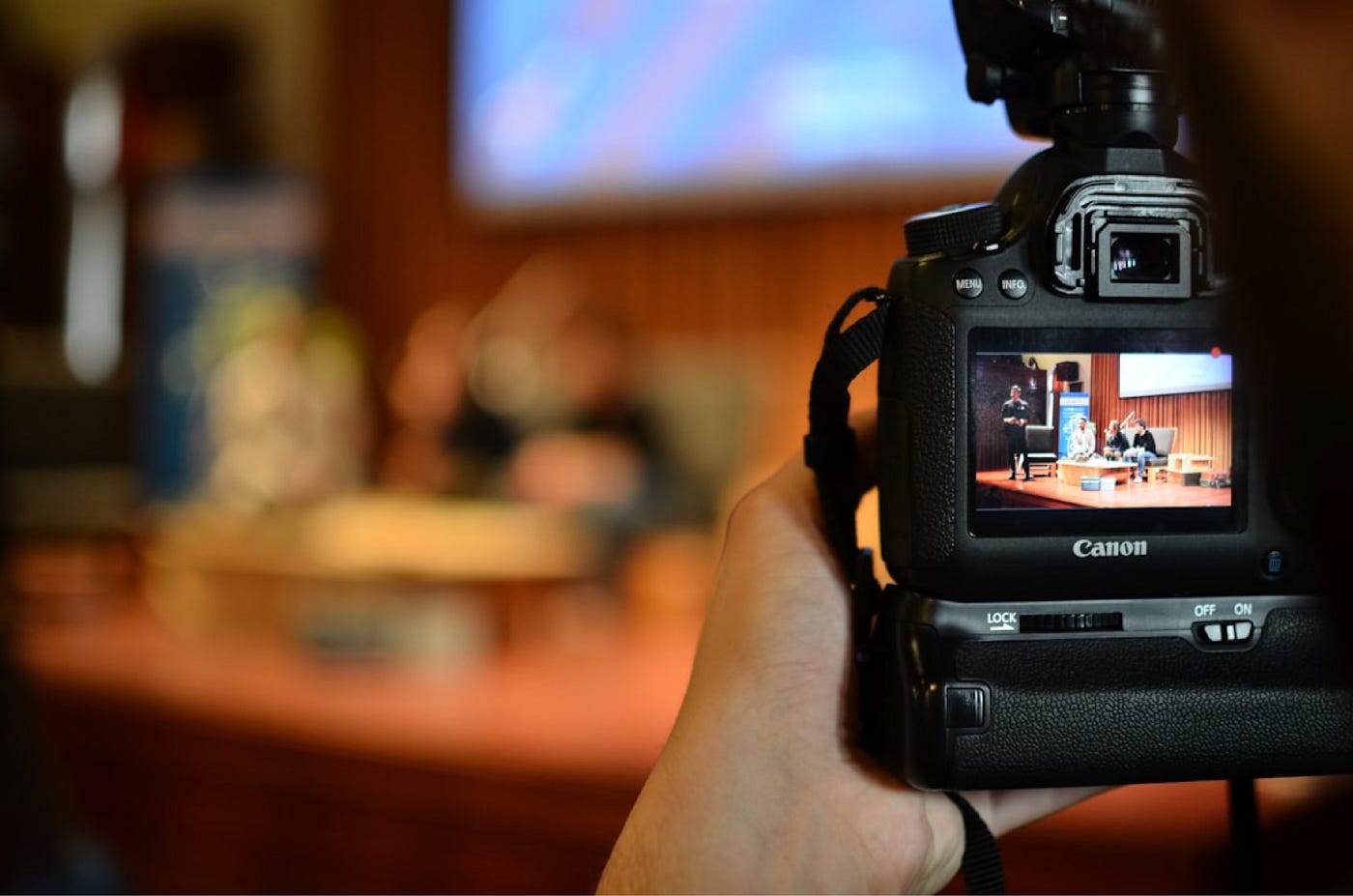
Photo by Halil Ibrahim Cetinkaya on Unsplash
Not a Joke
It was supposed to be a joke. An Ohio middle school teacher took and posted a controversial photo onto her personal Facebook page. However, the “joke” has placed her on unpaid administrative leave by her school district.
The photo in question was of her students seated at their desk with duct tape placed on their mouths. In addition, it had a caption stating, “Finally found a way to get them to be quiet!!!”
While it may sound like a gag (and was done with students’ permissions) the humor was lost among members of the Akron Board of Education. As a result, she is (at the time of this writing) expected to have her case sent before the school board where her fate will be decided.

Dean Traylor
This incident illustrates a point often overlooked by many educators; appearance and action in public can have profound effects on their careers. Teachers, more than any group that serves the public, are placed under a microscope. Their appearance, mannerism, comments, and actions — whether it’s in the classroom or on social media sites — are not going unnoticed. Even a teacher’s past actions can fall under close scrutiny by concerned parents, community leaders and school board members.
What are teachers and other educators to do under increased scrutiny? Simply put, they must:
- avoid embarrassing situations that can jeopardize their careers as well as their standing in the community. And,
- they have to realize that the public will hold them to a higher ethical and moral code than any other group.
Also, they need to realize that in the 21st century, it’s not just the students in the classroom who are watching them; it’s the rest of the world, thanks to technology. So what should educators do?
Use Common Sense in the Classroom
The “new normal” of education is that teachers do not teach in isolation anymore. Almost any infraction can be taped by students with hidden cameras or cell-phones. Also, a teacher’s words or comments can be posted onto the Internet for everyone to see and hear. Even a teacher’s past can be found by Googling it.
Now, more than ever, teachers must use some common sense:
- watch what they say,
- keep a lid on their anger, and
- always be professional.
Even without the presence of a recording device, reports of their actions in the classroom can spread by word of mouth. In many cases, teachers’ reputations will be slightly tarnished, meaning future students may try to avoid taking their classes or show little disregard for them.

gumpelmaier.net
In severe cases, administrators may take punitive actions, such as a write-up or termination of the educator’s teaching contract. In a worst case scenario, law enforcement may be called in to investigate; especially if the action had abused a student, physically or sexually.
Thus, it’s always advisable that teachers must be professional in the classroom. This includes restraint of verbal and physical actions, maintenance of composure, and ideal manners.
Keep your Opinions to Yourself
Too many teachers get in trouble for their Facebook comments. They make the mistake of believing that their personal page is a place to vent frustrations they have for students or colleagues. Often, they don’t realize that the comments can easily be leaked to the public; especially if certain built-in protocols within the social media are not followed (such as sharing the comment publicly).
Facebook is not alone. Personal blogs or web-pages have landed numerous teachers in hot water. Most notably, it centered on comments they made about the teachers, administrators, and students at their school.
Also, some teachers have made the mistake of placing their opinions on the reader comments of an online community newspaper. Today, many of these forums give the readers a chance to post their comments via social media. As a result, the comment goes way beyond its intended audience.
Go to the popular site and type in “teacher meltdown”. There will be countless postings of teachers hitting students, destroying cell-phones, or screaming at children
One example happened In 2010. A teacher lost her job after writing several negative remarks about students in general. These remarks found their way onto a local online newspaper (it originated on her personal blog).
It was quite a list. Some of the comments were:
- “Frightfully dim”;
- “Rat-like”;
- “A complete and utter jerk in all ways”;
- “There’s no other way to say this, I hate your kid”; and
- “Dresses like a streetwalker”.
While she received some recognition (she was given “thumbs-up” by some of her readers), she did raise the ire of parents, students, and administrators at her school. It wasn’t long before somebody complained and the teacher’s contract was not renewed for the coming year.
Smile! You’re On Someone’s Camera
Teacher meltdowns are inevitable. There are simply days when a lesson is not going in the right direction, or the students are extremely rambunctious. The flustered educators may scream, yell, or simply lose their cool. It happens to the best, from time to time.
Still, those meltdowns can have dire effects on teachers, especially in the age of YouTube and cell-phone cameras.
[embed]
Go to the popular site and type in “teacher meltdown”. There will be countless postings of teachers hitting students, destroying cell-phones, or screaming at children. In one memorable post, a teacher literally destroyed his desk and threw several chairs against the wall. The situation got so bad that students fled the classroom.
Through it all, a student recorded the event and placed it on YouTube for the entire world to see.
Think Before You “Act”
The Internet has a way of exposing one’s past. Take the story of a teacher in southern California whose past “job” was exposed.
Students of the Oxnard science teacher discovered that she was once an adult film actress. The acting career had been brief and had taken place a decade earlier when she was a struggling college student trying to find a way to make ends meet.
Although her discretion were not illegal, she broke an unwritten law pertaining to a community’s concept of morality
It’s not clear exactly how students found out. In any case, word spread quickly. and eventually reached school board members. She was promptly removed from the classroom. Although her discretion were not illegal, she broke an unwritten law pertaining to a community’s concept of morality.
The school board voted to terminate her employment.
A Personal Story
It’s one thing to report about these events. It’s another thing to have experienced it . Several years ago, I ran afoul with my school and district administrators. And, it was due to a student taping an incident that happened in my classroom.
The course I taught was a special education government/economics class that was hastily created four weeks after school started. The course replaced my study skills class in order to:
- keep class size down in a similarly titled course at the time;
- Avoid hiring an extra teacher; and
- Prevent the creation of a sixth period assignment in which a teacher may get extra pay for teaching an extra course;
Also, my study skills course was deemed expendable since it was just a class allotted for extra time for students with learning disabilities to complete classwork. In addition, the administrators were aware that I taught special education social studies in the past (even though I did not like teaching any courses within this field).
This class was a disaster in the making. All but two students added to my new class were formally from an ED (emotional disorder) program that had been disbanded the year before.
ED courses (sometimes referred to as the behavioral class) often required :
- a teacher with a moderate to severe credential (which I didn’t have),
- two to three paraprofessionals (was never assigned one) , and
- some expertise in dealing with extreme behavioral problems (which I was barely trained to do at the time).
I think you can figure out what it was like on a daily basis. Not a lot of teaching happened due to constant disruptions. To top it off, there was not a lot of support coming from administrators. In fact, the students learned early that an inept assistant principal took their words over mine.
Ultimately, a student known for compulsive lying filmed two students play-fighting in the classroom. It appeared to show me walking away from them as if I was not going to do anything about it. What wasn’t shown was that I was heading to the phone to call security to have them removed. Still, it was damning enough for the assistant principal.
This student (who was also chronically absent to her classes) turned the cellphone video over to the administration as a way to justify why she wasn’t showing up to class (and for the record, she only showed up for four classes before making this video. She never showed up after she gave it to them).
As a result, I was put on administrative leave for two weeks.
Eventually, my name was cleared of wrongdoing. A DIS counselor revealed that the student that made the accusation was a compulsive liar with a known history of making false statements against teachers.
Also, log records revealed the two “play-fighting“ boys used to do the same thing in the ED classes the previous year. Finally, logs I made on the two revealed the day and time I called security on them. This perfectly countered the accuser’s claim I did nothing to stop the “fight”.
How to Keep Safe
A colleague once told me that you log everything and keep emails. In this instance, that helped to clear myself from accusations. It was my way of keeping myself as transparent as possible.
For the other teachers mentioned in this article the solution to their problems were simple, they needed to realize that technology is at the touch of a button — and that’s all it takes to ruin one’s reputation.
Other tip to teachers:
- If you have a blog and want to complain about students, wait until you retire or just keep it to yourself in a hand-written diary.
- Think before you act;
- Be aware that students have smartphones with cameras and apps for social media.
- Don’t bring up your past or make sure that your past isn’t scandalous;
- Find another profession if the stress gets to you.
It’s not a perfect list; however, knowing some of these tips may help you to be more vigilant when you are in the classroom.
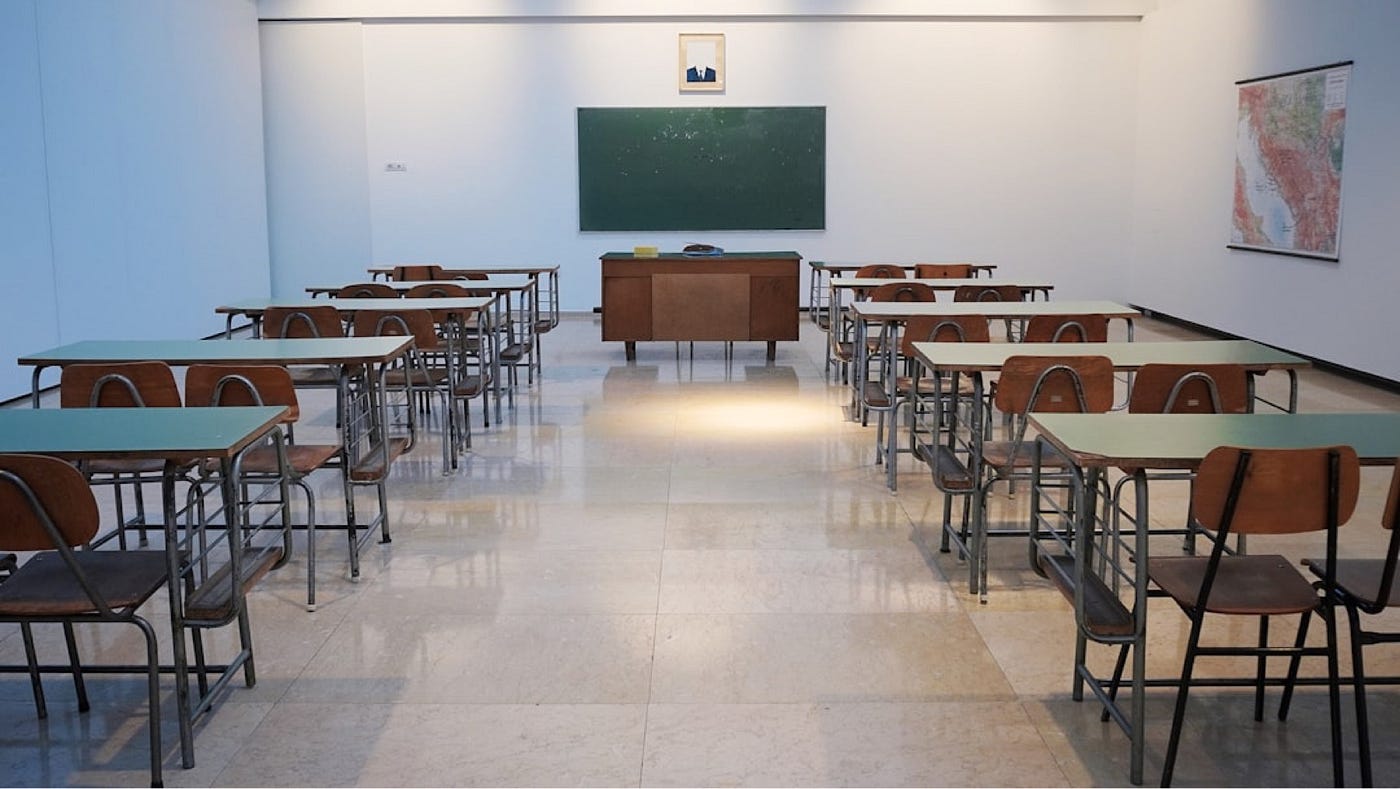
Photo by Ivan Aleksic on Unsplash
Work Cited
메타데이터
- post_id
- ef5713d2d036
- slug
- teachers-beware-somebodys-watching-ef5713d2d036
- url
- https://medium.com/the-geopolitical-economist/teachers-beware-somebodys-watching-ef5713d2d036
- canonical_url
- https://medium.com/the-geopolitical-economist/teachers-beware-somebodys-watching-ef5713d2d036
- author_url
- https://medium.com/@ds_traylor
- status
- ok
- fetched_at
- 2026-08-01 12:40:08