How HDMI Matrix Switch Systems Improve Modern AV Infrastructure
Modern businesses rely heavily on multimedia communication systems for presentations, digital signage, collaboration, security monitoring…
How HDMI Matrix Switch Systems Improve Modern AV Infrastructure
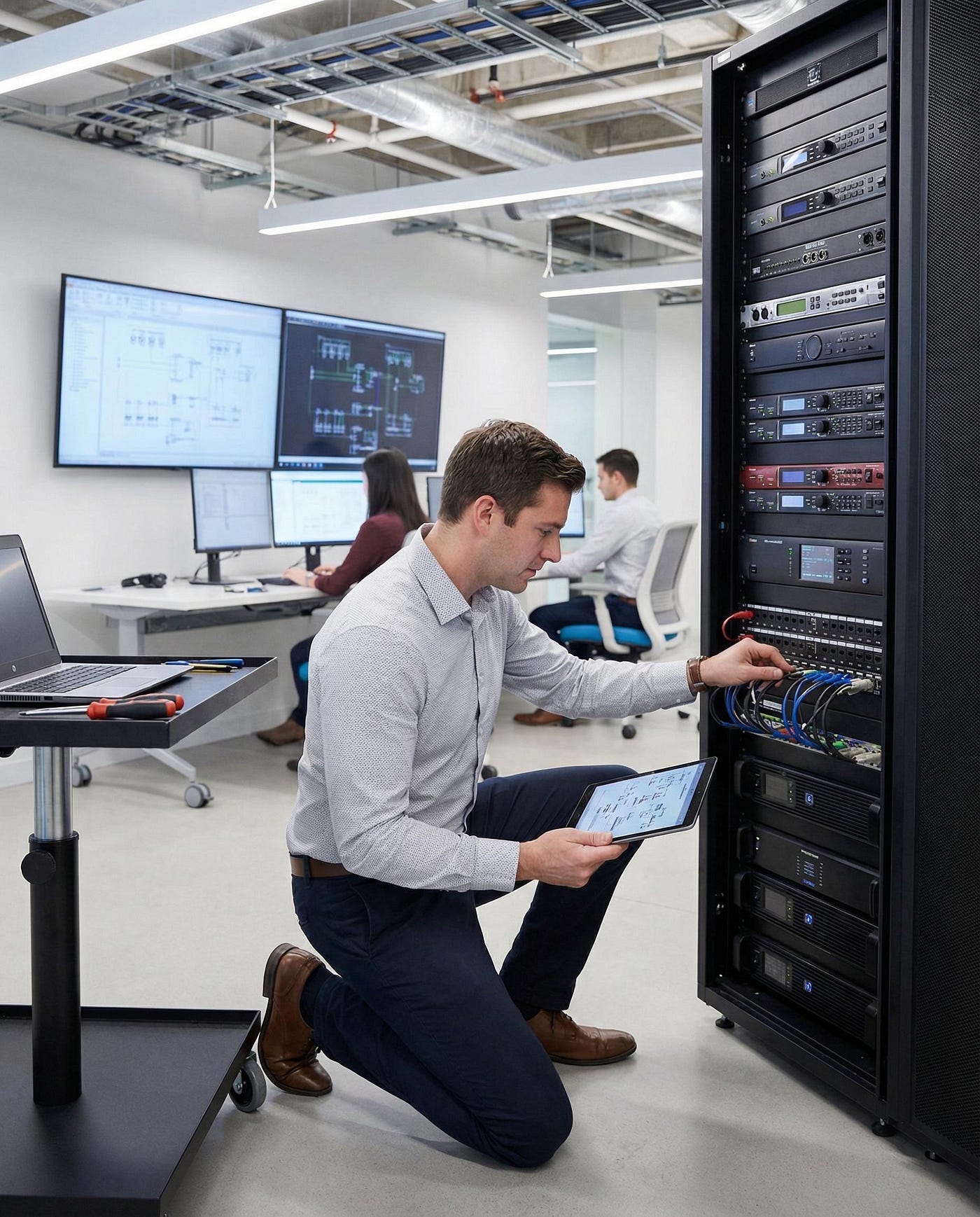
Modern businesses rely heavily on multimedia communication systems for presentations, digital signage, collaboration, security monitoring, and enterprise communication. As AV environments become more advanced, managing multiple HDMI sources and displays efficiently becomes increasingly important. Traditional AV setups often create cable clutter, complicated signal routing, and operational inefficiencies.
This is where an **HDMI Matrix Switch** plays a critical role. It provides centralized signal management, flexible display control, and scalable AV infrastructure for modern multimedia environments.
From conference rooms to command centers, HDMI matrix technology helps organizations simplify connectivity and improve multimedia performance.
What is an HDMI Matrix Switch?
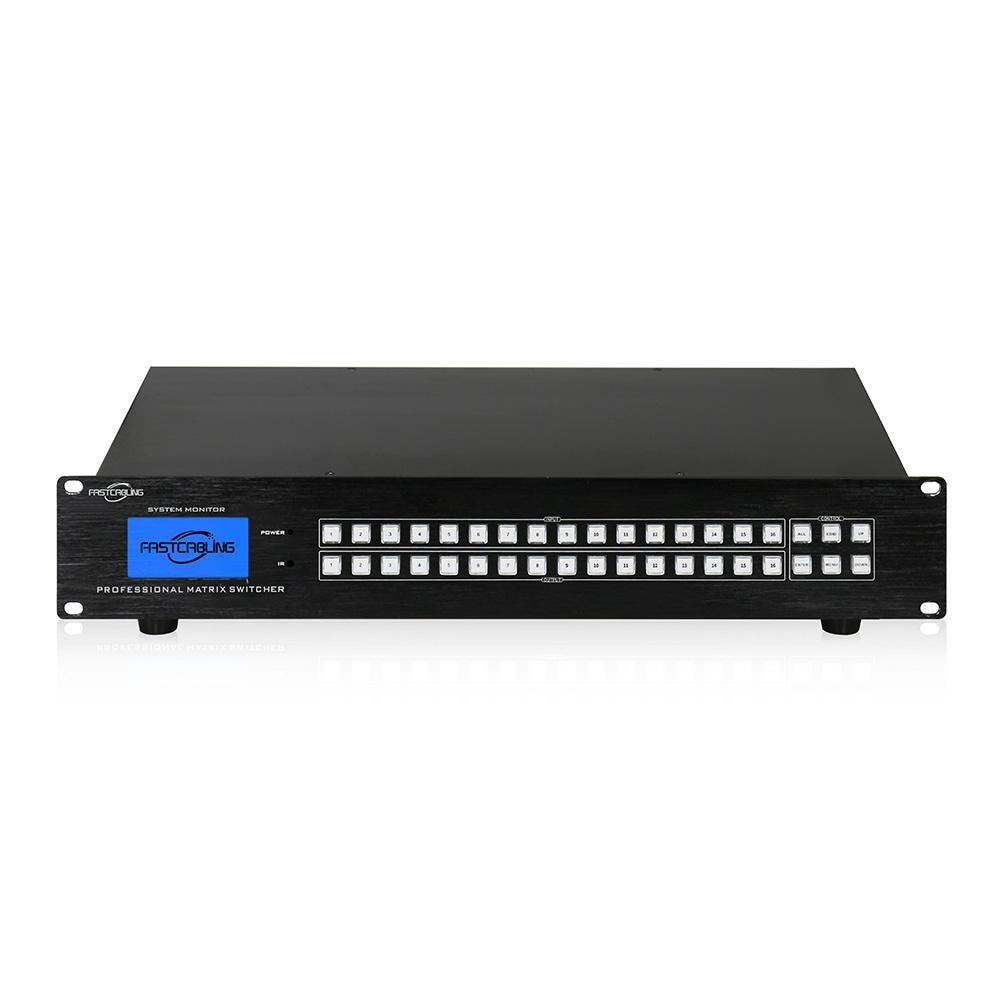
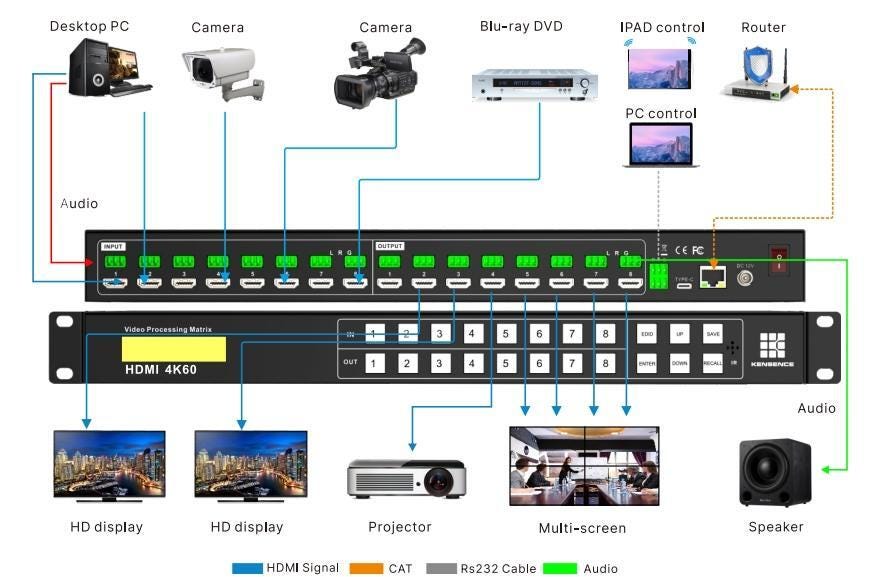
An HDMI Matrix Switch is an AV device that routes multiple HDMI input sources to multiple displays independently. Unlike standard HDMI splitters, matrix switches allow users to select which input appears on which display.
For example:
- A laptop can display on one screen
- A media player can display on another
- Multiple displays can show the same content simultaneously
This flexibility makes HDMI matrix systems ideal for:
- Enterprise offices
- Conference halls
- Educational institutions
- Digital signage networks
- Control rooms
- Event venues
Organizations can manage video distribution more efficiently while maintaining centralized control over multimedia systems.
Why Businesses Need HDMI Matrix Technology
Modern AV environments require:
- Reliable video distribution
- Organized infrastructure
- Scalable connectivity
- Centralized management
Traditional setups with direct HDMI connections often become difficult to manage as systems grow larger. **HDMI matrix technology** solves these challenges by simplifying signal routing and reducing infrastructure complexity.
Key Benefits Include:
✔ Flexible Signal Routing
Any input source can connect to any display independently.
✔ Centralized AV Control
Manage multiple displays and devices from one system.
✔ Reduced Cable Clutter
Organized infrastructure improves workflow efficiency.
✔ Scalability
Expand multimedia environments without replacing the entire setup.
✔ Improved Operational Efficiency
Faster switching and easier display management.
Importance of HDBaseT Technology
One of the most valuable features in professional **HDMI matrix systems** is HDBaseT support.
HDBaseT technology allows HDMI signals to transmit over:
- Cat5e cables
- Cat6 cables
This provides:
- Long-distance video transmission
- Reduced cable complexity
- Cleaner infrastructure
- Easier installations
An advanced 16x16 HDMI Matrix Switch with HDBaseT is especially useful for:
- Large conference halls
- Enterprise campuses
- Stadiums
- Command centers
- Digital signage systems
Instead of relying on long HDMI cables, organizations can distribute signals efficiently through structured cabling systems.
TCP/IP Control for Smarter AV Management

Modern enterprise AV systems often require remote and centralized control capabilities. **HDMI matrix switches** with TCP/IP control allow organizations to manage AV routing through network-based systems.
Benefits include:
- Remote AV management
- Easier troubleshooting
- Faster configuration changes
- Improved operational flexibility
This is particularly useful for businesses operating multiple rooms or large multimedia networks requiring centralized monitoring and signal control.
Applications of HDMI Matrix Systems
Conference Rooms
Businesses use HDMI matrix systems for presentations, video conferencing, and collaborative communication across multiple displays.
Digital Signage Networks
Retail stores, airports, hotels, and corporate environments use centralized AV routing for advertising and informational displays.
Educational Institutions
Schools and universities use HDMI matrix technology for classroom presentations, multimedia learning, and campus-wide **AV distribution**.
Command Centers
Security monitoring systems require reliable multi-display management for real-time surveillance and data visualization.
Event Venues
Large venues and entertainment environments rely on HDMI matrix systems for seamless multimedia management across multiple screens.
Case Study: Conference Room AV Upgrade

A large enterprise faced recurring issues with their conference room AV setup. Employees experienced:
- Signal delays
- Manual switching problems
- Cable clutter
- Limited scalability
The organization decided to implement a **16x16 HDMI Matrix Switch with HDBaseT and TCP/IP control**.
Results Achieved:
✔ Faster Meeting Setup
Presentations could be switched instantly between displays.
✔ Cleaner Infrastructure
HDBaseT technology reduced excessive HDMI cabling.
✔ Centralized Management
IT teams could control AV systems remotely.
✔ Improved Productivity
Meetings started faster with fewer technical interruptions.
The company also gained future scalability by using a modular AV infrastructure capable of supporting additional displays and multimedia systems.
Choosing the Right HDMI Matrix Solution
Before selecting an HDMI matrix system, organizations should evaluate:
Number of Inputs & Outputs
Choose a configuration suitable for current and future requirements.
HDBaseT Support
Important for long-distance signal transmission.
Resolution Compatibility
Ensure support for modern 4K environments.
Control Features
TCP/IP, RS232, and web-based management improve usability.
Scalability
Expandable systems provide better long-term value.
Future of AV Infrastructure
As businesses adopt:
- Hybrid workplaces
- Smart conference rooms
- Digital collaboration systems
- Large multimedia networks
the need for scalable HDMI matrix technology continues to grow.
Professional AV environments require:
- Faster signal management
- Reliable connectivity
- Centralized display control
- Future-ready infrastructure
HDMI matrix systems provide the flexibility and performance needed to support modern multimedia communication.
Final Thoughts
An HDMI Matrix Switch is more than just a signal routing device. It is a centralized AV management solution that helps organizations improve multimedia efficiency, simplify infrastructure, and support scalable display environments.
Whether used in conference rooms, educational campuses, digital signage systems, or command centers, HDMI matrix technology provides reliable and organized AV connectivity for professional environments.
Businesses looking to modernize their multimedia infrastructure can benefit significantly from advanced HDMI matrix solutions with HDBaseT and TCP/IP functionality.
Call to Action
Looking for a reliable HDMI Matrix Switch solution for your AV infrastructure?
Explore advanced HDMI Matrix Systems designed for conference rooms, enterprise multimedia, command centers, and digital signage environments.
👉 https://www.kvmswitchtech.com/product-group/video-matrix-switches
메타데이터
- post_id
- ef6d3f2b66b5
- slug
- how-hdmi-matrix-switch-systems-improve-modern-av-infrastructure-ef6d3f2b66b5
- url
- https://medium.com/@kvmraza/how-hdmi-matrix-switch-systems-improve-modern-av-infrastructure-ef6d3f2b66b5
- canonical_url
- https://medium.com/@kvmraza/how-hdmi-matrix-switch-systems-improve-modern-av-infrastructure-ef6d3f2b66b5
- author_url
- https://medium.com/@kvmraza
- status
- ok
- fetched_at
- 2026-06-17 08:20:12