I Saw Something at 11,000 feet – and It Broke My Model of Evidence
What happens when the data you’re trained to trust isn’t the only data you receive?
I Saw Something at 11,000 feet – and It Broke My Model of Evidence
What happens when the data you’re trained to trust isn’t the only data you receive?
⸻

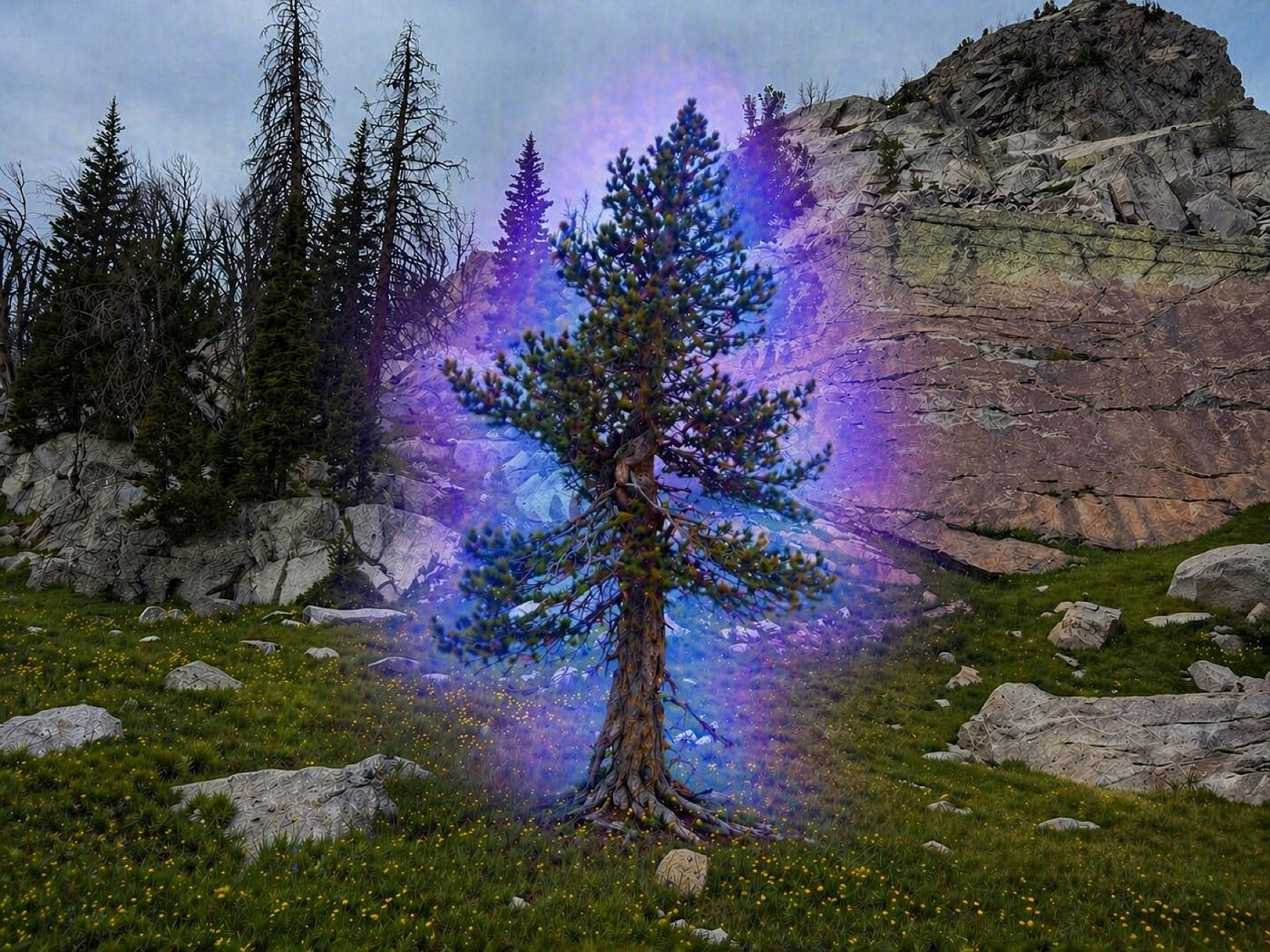
I went into the Wyoming Wind River Range to get away from noise, and I found another evidence.
At 11,000 feet, the world simplifies.
No city glow.
No hum of infrastructure.
No notifications, no signal, no background chatter.
Just cold air, granite, and a sky so dense with stars it stops feeling like distance and starts feeling like structure.
That’s where I saw it.
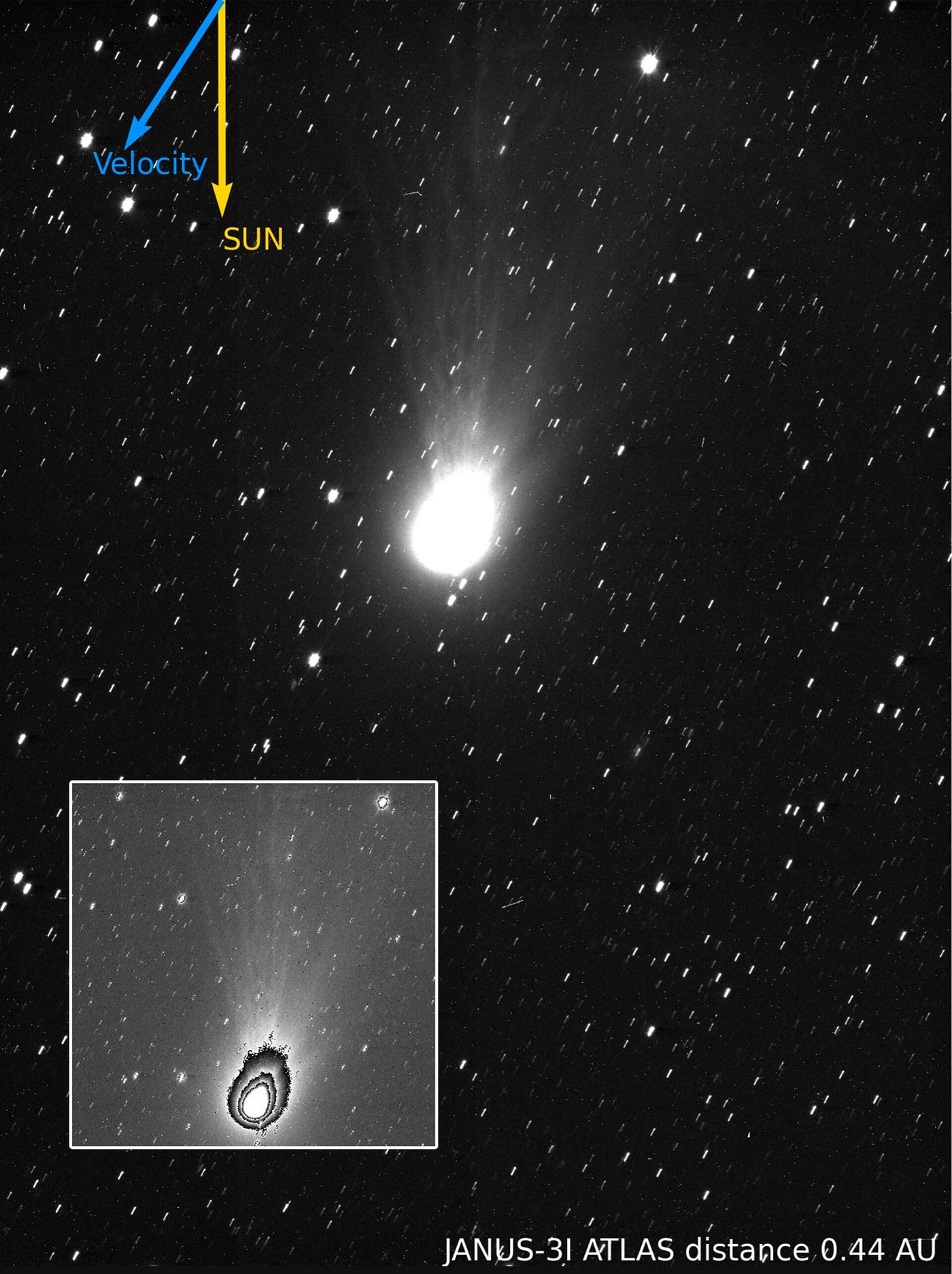
A luminous sphere moved across the basin.
Not drifting like a satellite.
Not blinking like an aircraft.
Not flickering like a distant headlamp.
It moved with a kind of steadiness that didn’t feel accidental.
Then it slowed.
And then it stopped.
Not “appeared to stop.”
It held position – cleanly, precisely, without drift.
For a moment, it hovered directly overhead.
Then it moved again – deliberately – tracking the valley corridor before disappearing behind the ridgeline.
⸻
What I expected to remember
If this were just a visual anomaly, the story would be straightforward:
• trajectory
• velocity
• angle
• duration
I’ve spent enough time around observation and analysis to know how to break an event down into measurable components.
That’s what I expected to walk away with.
But that’s not what stayed with me.
⸻
What actually changed
Something else happened at the same time.
Not in the sky.
In me.
The internal narration – naming, comparing, categorizing – quieted.
Not gradually.
Instantly.
Attention didn’t track the object.
It locked.
Not in a tense way. Not in a startled way.
In a way that felt… organized.
Still.
Time didn’t disappear.
But it thinned.
As if the moment had fewer degrees of freedom than normal.
Less branching. Less noise. Less internal movement.
Just alignment.
⸻
Two datasets
Standing there afterward, I realized I had captured two completely different kinds of information.
External:
• a luminous object
• unusual motion
• controlled stopping behavior
• defined directional exit
Internal:
• sudden coherence
• attention locking
• time distortion
• physiological stillness
For years, I would have trusted only the first.
The second would have been dismissed as:
• emotional response
• perceptual artifact
• irrelevant noise
Because that’s how we’re trained.
⸻
The assumption we rarely question
Modern thinking – especially scientific thinking – rests on a quiet assumption:
Only what can be externally measured counts as real data.
Everything else:
• subjective experience
• internal state
• felt shifts
is treated as secondary, unreliable, or irrelevant.
And most of the time, that assumption works.
It protects us from:
• bias
• imagination
• misinterpretation
It allows:
• replication
• shared verification
• correction
It’s one of the reasons science works as well as it does.
⸻
But what if it’s incomplete?
That night in the Wind Rivers introduced a possibility I couldn’t ignore:
What if some events produce structure in more than one channel?
Not just:
• what is seen
• but how the system observing it reorganizes
And more importantly:
What if discarding the internal channel means discarding part of the signal?
⸻
This is not a claim
Let me be precise.
I am not saying:
• what the object was
• that it was non-human
• that it was intelligent
• that it was anything beyond an anomaly
I’m saying something narrower – and more dangerous:
The way we define “data” may be too narrow for certain classes of events.
⸻
A different way to frame it
We are very good at describing reality.
We are less good at recognizing when we are participating in it.
That distinction sounds philosophical.
It isn’t.
It’s methodological.
⸻
The shift
Standing in that basin, the question changed from:
“What did I see?”
to:
“What actually happened – including the part that wasn’t visual?”
⸻
The mistake
The mistake isn’t that we rely on measurement.
The mistake is assuming:
measurement must always be external, discrete, and symbolic.
⸻
A better question
Instead of asking:
“Was that real?”
We might need to ask:
“What channels of reality did this event engage?”
⸻
Why this matters
Because if there are phenomena that:
• are transient
• distributed
• partially interactive
• and not fully reducible to position and motion
Then:
a purely symbolic framework may not fully capture them.
⸻
Where this is going
In the next part, I’m going to introduce a distinction that changed how I think about all of this:
Symbolic systems describe reality.
Resonant systems participate in it.
And why that distinction may matter not just for strange lights in the mountains –
But for:
• physics
• neuroscience
• artificial intelligence
• and how we define truth itself
⸻
One last question
Before we go further:
Have you ever experienced something where:
• the external event was ambiguous
• but something internal became unusually clear?
Not emotional.
Not imagined.
But structured.
⸻
That might be the beginning of the same problem.
메타데이터
- post_id
- efa92d530f16
- slug
- i-saw-something-at-11-000-feet-and-it-broke-my-model-of-evidence-efa92d530f16
- url
- https://medium.com/@anderson_94394/i-saw-something-at-11-000-feet-and-it-broke-my-model-of-evidence-efa92d530f16
- canonical_url
- https://medium.com/@anderson_94394/i-saw-something-at-11-000-feet-and-it-broke-my-model-of-evidence-efa92d530f16
- author_url
- https://medium.com/@anderson_94394
- status
- ok
- fetched_at
- 2026-06-09 15:37:30