Riad: The House That Turns Inward
What Moroccan Riads taught me about privacy, personality, and the beauty of hidden spaces.
Riad: The House That Turns Inward
What Moroccan Riads taught me about privacy, personality, and the beauty of hidden spaces.
I heard many people say, ‘You are an introvert.’ I simply answer them with a single line, ‘Really?’ But after spending a few months with me, those same people say, ‘Who told you that you are an introvert? You are actually an extrovert.’
But what is actually true? I don’t wish to be an open book with strangers.
People often like to be judgmental just by looking at external appearances, and they never wish to uncover the truth. Let them do what they wish to. I also discovered the same feature in a special type of architectural style.
It wasn’t just a kind of house construction- Moroccan Riad Architecture. It was specially built to protect the people inside the house from dangerous external environments.
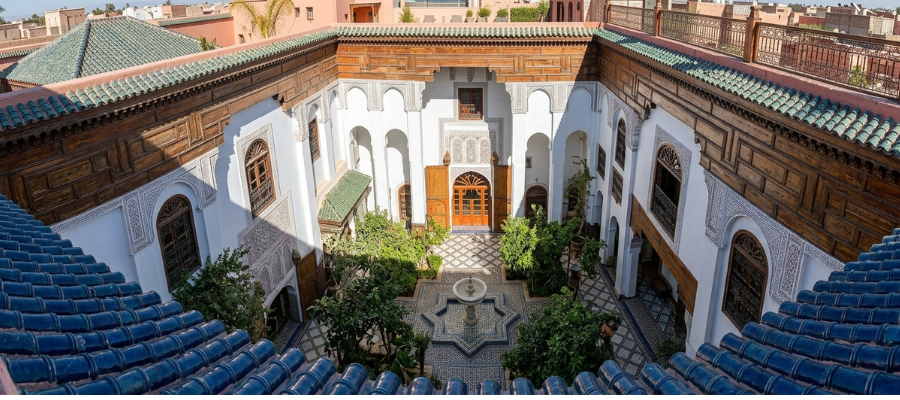
Riad
What is a Riad in Morocco?
As I told you before, Riad architecture is a special house style in which the house is designed around a private rectangular courtyard. It is almost the same as our Guttumane style, where the central space is a courtyard. However, it gives more importance to interior features rather than the external view. The house faces inward, with rooms built around a central courtyard. As its Arabic name “riad/ryad” suggests, the garden is decorated with greenery to create a healthy environment. The courtyard is built in a strategic way to let in sufficient sunlight.
Origin of Riad in Morocco
Moroccan riads have a direct connection with Islam. These beautiful homes were built by wealthy merchants and elite families to achieve complete privacy from the outside world for their wives and children. During the 8th century, under the Idrisid dynasty, Moroccan architecture flourished, and riads became a common feature in the medinas (historic city centers).
Few famous examples of Riad style homes are: Riad Kniza, Riad Laaroussa
Trade Marks of Riad Architecture
Plain Exterior Walls: Most riads look simple from the outside. The outer walls are usually solid and undecorated. This plain appearance creates a strong contrast with the interior, which is often colourful, artistic, and richly decorated. It gives the feeling that a peaceful world is hidden behind a modest exterior.

A traditional exterior view of Moroccan Riad Architecture, known for its plain walls and inward-focused design.
Minimal Openings to the Exterior: The main feature of riad architecture is its limited connection with the outside street. The walls facing the street are designed with very few openings. This design helps maintain privacy and creates a calm and comfortable environment inside the house.
Small, High Windows: The windows in a riad are usually small and placed high on the walls. These windows allow natural light to enter the home while protecting the privacy of the people living inside. Passersby on the street cannot easily see into the house, which respects cultural values of privacy.
Photo by Peter Thomas on Unsplash
Decorative Entrance Doors: Although the exterior walls are simple, the entrance doors are often beautifully designed. Many riad doors feature detailed carvings or traditional patterns. These doors act as the gateway to the private world inside the riad, welcoming guests while still protecting the home.
Roof Terraces: Many Moroccan riads include roof terraces that provide additional living space. These terraces may have seating areas, dining spaces, or small gardens. From the rooftop, residents can enjoy views of the medina and feel connected to the history and culture of their surroundings. The height also allows fresh air to circulate, helping keep the house cool during hot weather.
Although Moroccan riad homes were originally built to protect the people inside and create a separate, peaceful world for them, the scenario has changed over time. Today, these traditional designs can still inspire modern architecture. By keeping their core essence while combining practicality, riads can offer energy-efficient and comfortable living spaces that balance privacy with a sense of community.
In many ways, riad architecture reflects human nature itself. Just like people who grow from being introverts into ambiverts — learning when to stay inward and when to open up — riads also balance privacy with connection to the world outside. And perhaps that is the true beauty of this timeless architectural style.
메타데이터
- post_id
- efcf1fd7bed8
- slug
- riad-the-house-that-turns-inward-efcf1fd7bed8
- url
- https://medium.com/@kavyapoorvahp/riad-the-house-that-turns-inward-efcf1fd7bed8
- canonical_url
- https://medium.com/@kavyapoorvahp/riad-the-house-that-turns-inward-efcf1fd7bed8
- author_url
- https://medium.com/@kavyapoorvahp
- status
- ok
- fetched_at
- 2026-06-09 15:37:30




