Pope Leo XIV: Moral Authority, Geopolitical Tensions, and the Making of a U.S.-Born Pontiff
Rev.Pastor Vonnie E James, JP — Doctoral Candidate, Grenada Baptist Association 13th April, 2026
Pope Leo XIV: Moral Authority, Geopolitical Tensions, and the Making of a U.S.-Born Pontiff
Rev.Pastor Vonnie E James, JP — Doctoral Candidate, Grenada Baptist Association 13th April, 2026
Abstract
The election of Pope Leo XIV in 2025, the first U.S.-born pontiff and the first Augustinian pope in centuries, represents a historic turning point for the global Catholic Church. This article examines the symbolic weight of political and verbal attacks on papal authority in an era of heightened geopolitical tension. It contextualizes Leo XIV’s formation — from his Chicago roots and mathematical training at Villanova University to advanced theological study in Rome — and analyses how his pastoral experience in Peru and Vatican leadership roles have shaped a papacy that bridges North and South. Drawing on historical precedent and contemporary events, the article argues that attacks on the Pope are not merely personal insults but assaults on the Church’s moral voice. For U.S. Christians, this papacy challenges the separation of prayer from action. Authentic prayer for peace in the Middle East requires metanoia — repentance, a transformed heart, and courageous advocacy directed at national policy. The article concludes that Leo XIV’s unique biography positions him as a bridge-builder in a fractured world, calling believers to move beyond abstract piety toward active peacemaking.
Introduction
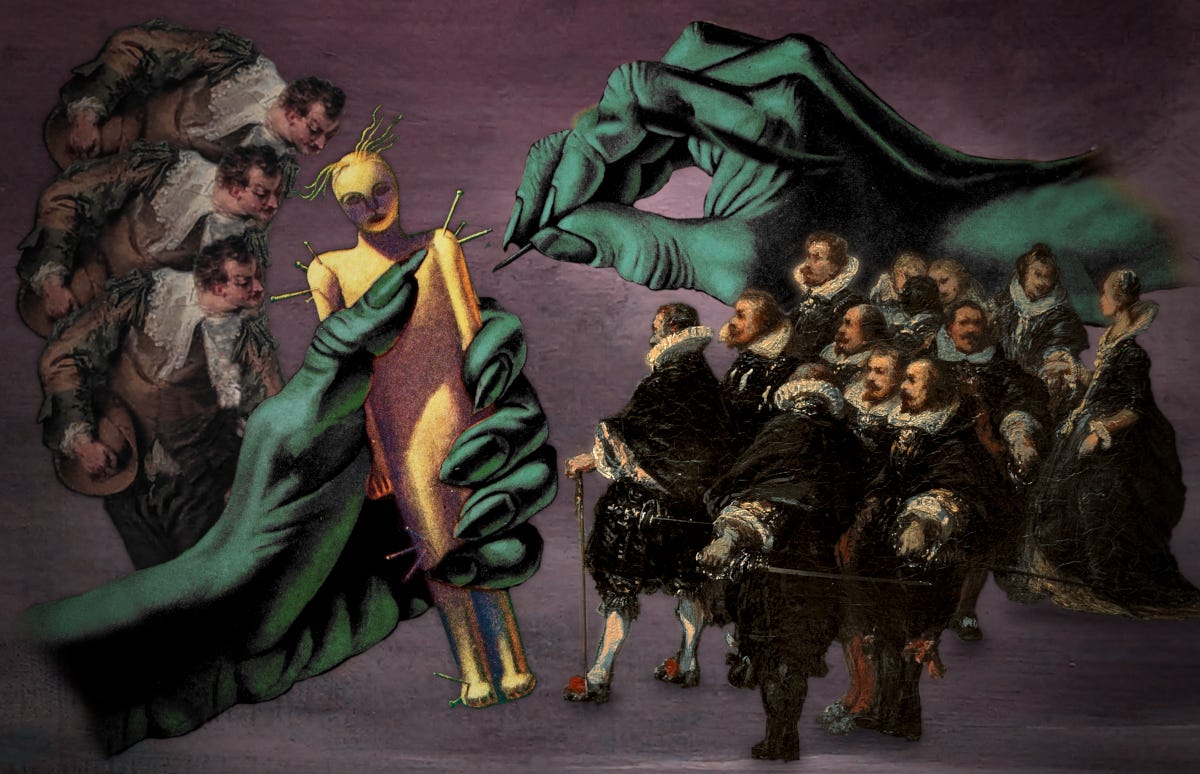
KNOW THIS: When powerful political voices publicly attack the Pope, they are not simply criticising one man. They are striking at the heart of moral authority itself. In an age of rising authoritarianism, endless war, and deepening polarization, the papacy remains one of the few truly global institutions that speaks with a conscience unbound by national interest or electoral cycles. Pope Leo XIV has already felt the force of such criticism. Verbal assaults on his person and office are not new in papal history, but in the current climate they carry fresh symbolic danger.
The papacy is simultaneously spiritual and geopolitical. It commands moral attention across continents and influences international discourse on war, migration, climate justice, human dignity, and the ethics of power. For American Christians especially, the election of the first U.S.-born pope presents a profound moment of self-examination. How do we respond when the moral voice of the Church challenges our own nation’s policies? This article contends that Pope Leo XIV embodies a new era of global Catholic leadership. His biography — rooted in Chicago, formed through rigorous academic training, and seasoned through pastoral service in the Global South — illustrates the intersection of faith, intellect, and politics at a critical historical juncture.
Prayer for peace in the Middle East and beyond is essential. Yet prayer, rightly understood in the Christian tradition, is never passive or abstract. It demands metanoia — a radical change of mind, repentance, and transformation of the heart — that must eventually issue in concrete action. James 2:17 is unambiguous: “Faith by itself, if it is not accompanied by action, is dead.” Jesus’ declaration, “Blessed are the peacemakers, for they will be called children of God” (Matthew 5:9, NIV), is not a call to sentimental hope but to active vocation. For U.S. Christians living in the world’s most powerful military nation, this vocation must include strategic advocacy directed at their own government and allyship with those working for diplomatic solutions rather than escalation.
Section I — Papal Authority and Geopolitical Critique History is replete with examples of secular powers attempting to diminish papal authority when it interfered with their agendas. Napoleon imprisoned Pius VII, totalitarian regimes of the 20th century sought to co-opt or silence the Church, and even democratic leaders have occasionally dismissed papal teaching as meddling. Today, similar dynamics appear in rhetorical broadsides against Pope Leo XIV, particularly when he speaks on peace in the Middle East or the ethics of military action against civilian infrastructure.
Such criticism is not merely political disagreement. It is a symbolic assault on the idea that there exists a moral authority higher than the nation-state. When a head of state or prominent political figure publicly mocks or threatens the Pope, they are effectively declaring that conscience itself is subordinate to national interest. This has profound implications for unity, respect for institutions, and global diplomacy. It risks normalizing the reduction of moral voices to political inconvenience.
For Christians, this raises urgent questions about complicity. Prayer for peace that remains disconnected from action becomes the very “cheap grace” Dietrich Bonhoeffer warned against (Bonhoeffer, 2010). Authentic prayer requires repentance — a willingness to question national idolatry, to examine uncritical support for endless war, and to pursue concrete steps toward de-escalation and justice. U.S. Christians who genuinely desire peace in the Middle East have a moral responsibility to advocate directly with their elected leaders and to form alliances with domestic voices already opposing further military escalation.
Section II — Biography and Education of Pope Leo XIV Pope Leo XIV was born in Chicago, Illinois, in the mid-20th century. His early formation was shaped by the vibrant Catholic culture of the American Midwest. He earned a bachelor’s degree in Mathematics from Villanova University in 1977. The analytical rigor and precision demanded by mathematics provided an intellectual foundation that would later serve him well in theological and canonical studies.
Following his undergraduate education, he pursued priestly formation at the Catholic Theological Union in Chicago, receiving his Master of Divinity in 1982. Seeking deeper theological formation, he travelled to Rome and studied at the Pontifical University of St. Thomas Aquinas (the Angelicum). There he earned a Licentiate in Sacred Theology in 1984 and a Doctorate in 1987. The Licentiate served as a critical bridge, offering advanced research training between the pastoral focus of the M.Div. and the scholarly depth of the doctoral dissertation.
His formation within the Augustinian Order profoundly shaped his spirituality. The Augustinian emphasis on community, intellectual honesty, the search for truth, and commitment to justice became hallmarks of his leadership style. These years in Rome also immersed him in the universal dimension of the Church, preparing him for a ministry that would eventually span continents.
Section III — Career Milestones Ordained to the priesthood in 1982, Leo XIV served in various pastoral and academic roles before rising to significant leadership within the Augustinian Order. He was elected Prior General in 2001 and served until 2013, guiding the international order through a period of renewal and global expansion.
His episcopal ministry took him to Peru, where he served as Bishop of Chiclayo and later as Apostolic Administrator of Callao. These years immersed him in the realities of the Global South — poverty, migration, social injustice, and the daily struggles of ordinary believers. This experience profoundly shaped his sensitivity to the cries of the poor and the need for the Church to be a voice of hope in contexts of structural inequality.
In the Vatican, he was appointed Prefect of the Dicastery for Bishops and President of the Pontifical Commission for Latin America. These roles placed him at the centre of global episcopal governance and Latin American affairs. Created a cardinal in 2023, he was elected pope in 2025. He is the first U.S.-born pope, the first Augustinian pope in centuries, and only the second pope from the Americas.
Section IV — Theological and Political Implications Leo XIV’s academic path — mathematics, theology, and canon law — equips him with analytical precision and moral clarity. His Augustinian spirituality offers a lens of communal discernment and justice-seeking that is particularly relevant in a polarized world. In an era of geopolitical tension, his leadership calls the Church to be a voice of conscience rather than a chaplain to power.
For U.S. Christians, his papacy presents a challenge: will we support moral authority when it critiques our nation’s actions, or will we allow prayer to remain abstract while remaining silent on matters of war and peace? The current crisis in the Middle East makes this question urgent. Prayer for peace that is not matched by repentance and transformed action is incomplete. Metanoia — a change of mind and heart — must lead to active peacemaking, including advocacy with our own government and allyship with those working for diplomatic solutions.
Conclusion
Attacks on Pope Leo XIV are not merely personal; they are symbolic assaults on the Church’s moral voice in a fractured world. Authentic prayer for peace in the Middle East and beyond requires metanoia — repentance, a change of heart, and transformed action. U.S. Christians must move beyond private devotion to active advocacy and allyship with those working for diplomatic solutions rather than escalation.
Pope Leo XIV’s unique preparation — American-born yet globally formed — positions him as a bridge-builder in a fractured world. His papacy may represent a turning point in the Church’s global identity. The question remains whether we will listen with transformed hearts or continue to reduce the moral voice of the Church to political inconvenience.
References
Bonhoeffer, D. (2010). The cost of discipleship (R. H. Fuller, Trans.). Touchstone. (Original work published 1955)
CARICOM. (2023). Mental health and psychosocial support in the Caribbean. Georgetown: CARICOM Secretariat.
Graduate Theological Union. (2025). Academic catalog 2025–2026. Berkeley, CA: Graduate Theological Union.
James, V. E. L. (2024). The cost of existence. The Grenadian Voice, April 2024.
The Holy Bible. (2011). New International Version. Biblica.
메타데이터
- post_id
- effd3b62237f
- slug
- pope-leo-xiv-moral-authority-geopolitical-tensions-and-the-making-of-a-u-s-born-pontiff-effd3b62237f
- url
- https://medium.com/@VonnieJ/pope-leo-xiv-moral-authority-geopolitical-tensions-and-the-making-of-a-u-s-born-pontiff-effd3b62237f
- canonical_url
- https://medium.com/@VonnieJ/pope-leo-xiv-moral-authority-geopolitical-tensions-and-the-making-of-a-u-s-born-pontiff-effd3b62237f
- author_url
- https://medium.com/@VonnieJ
- status
- ok
- fetched_at
- 2026-06-12 18:14:10