Mastering the Art of Building a Custom Portfolio Website with a Modern Vibe
In today’s digital age, a custom portfolio website is an essential tool for showcasing your work, whether you’re a designer, developer…
Mastering the Art of Building a Custom Portfolio Website with a Modern Vibe
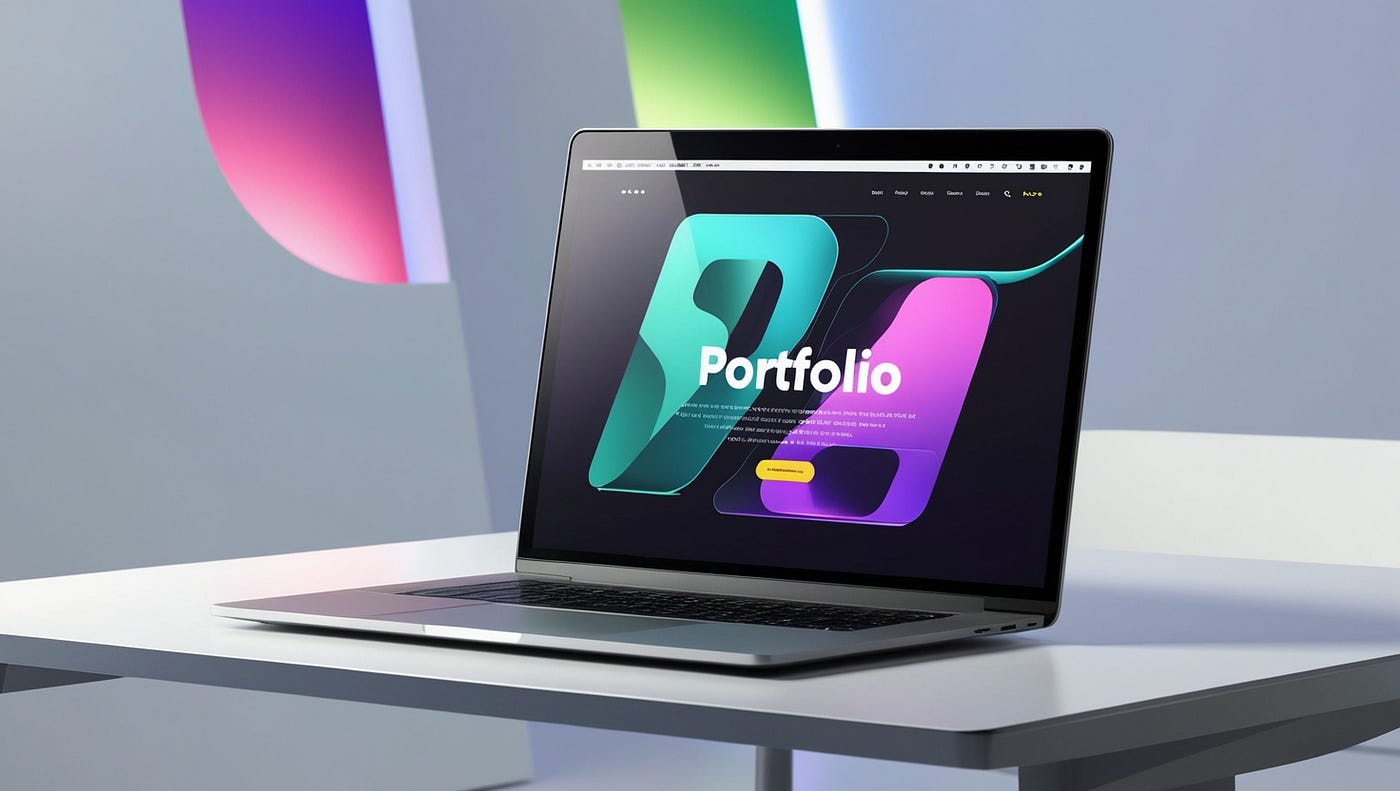
In today’s digital age, a custom portfolio website is an essential tool for showcasing your work, whether you’re a designer, developer, artist, or any other professional. A modern-vibe website isn’t just about aesthetics but also usability, functionality, and interactivity. This guide will take you step-by-step through the process of building a stunning custom portfolio site that reflects your expertise and creativity while following modern design principles.
1. Define the Purpose of Your Portfolio Website
Before jumping into development, the first step is defining the purpose of your portfolio website. What do you want to showcase? Who is your target audience? These questions will help shape the structure and design of your site. For example:
- Showcase your projects: If you’re a web developer or designer, your portfolio should highlight your projects with images, descriptions, and links to live demos or repositories.
- Attract potential clients: Focus on clean, concise content that speaks to your audience, with a clear call to action, such as a “Hire Me” button.
- Create a personal brand: Incorporate your personality into the design, using colors, fonts, and layouts that represent your style.
2. Planning the Structure: Pages to Include
A portfolio website typically consists of a few essential pages:
- Home: The landing page should provide a brief overview of who you are and what you do. Use a hero section to capture attention with a tagline, image, or animation.
- About: This page is where you introduce yourself in detail. Share your background, skills, and a bit of your personality.
- Skills: Highlight the tools, languages, and technologies you’re proficient in. Modern portfolio websites often use animations or progress bars to illustrate skills.
- Projects: The most important part! Showcase your best work with detailed descriptions and images. You can also include case studies or testimonials from clients.
- Contact: Provide a way for people to reach out to you. A modern contact form with animated transitions can enhance the user experience.
3. Designing a Modern Vibe Website
a. Choose the Right Color Scheme
A modern website is often defined by its clean and minimalist design. However, a bold and stylish color palette can add a unique vibe to your site. Here are some tips:
- Minimal yet vibrant: Choose 1–2 primary colors and use them strategically to emphasize important sections.
- 3D-like colors: Modern websites often use gradient backgrounds or 3D-like colors to give depth and a contemporary feel.
- Dark mode: Offering dark mode is becoming increasingly popular in modern portfolio sites.
b. Typography Matters
Typography plays a crucial role in modern design. Use clean and legible fonts but consider mixing styles to add visual interest. For example, pairing a bold headline font with a clean body text can create a balanced aesthetic.
c. Incorporate Animations
Animations are essential for giving your portfolio that modern, interactive vibe. However, avoid overloading your site with too many animations. Use them subtly, such as:
- Page load animations: Having elements fade in or slide in as the page loads can enhance the user experience.
- Hover effects: Adding hover animations on buttons or images draws attention to those elements and makes the site feel more dynamic.
- Animated skill icons: When showcasing your skills, you can animate the technology icons as they appear on the screen for a more engaging display.
d. Responsiveness is Key
Your website must be mobile-friendly. Using responsive design techniques ensures that your site looks great on any screen size. Focus on:
- Mobile-first design: Design for mobile devices first and scale up for larger screens.
- No hamburger menus: Instead, use collapsible menus or sticky nav bars for easy navigation on mobile devices.
4. Using Modern Tools and Frameworks
a. Bootstrap or Tailwind CSS
If you’re looking to build a responsive, modern portfolio quickly, frameworks like Bootstrap or Tailwind CSS can help you achieve a sleek, grid-based design that works across all devices. Both come with pre-built classes for grid layouts, buttons, forms, and much more.
b. JavaScript for Interactivity
To give your portfolio an interactive edge, JavaScript is crucial. Some areas where you can use it:
- Animations: Use libraries like GSAP or ScrollReveal.js to create smooth animations and reveal elements as users scroll through the site.
- Forms: Add interactivity to your contact form by showing success or error messages dynamically using JavaScript.
c. Version Control and Hosting
Once your website is ready, use GitHub for version control to keep track of changes, and deploy it using GitHub Pages or platforms like Netlify for free hosting with modern CI/CD pipelines.
5. Optimizing for Performance
A slow website can deter potential clients or employers, so it’s essential to optimize performance:
- Compress images: Use tools like TinyPNG to reduce image file sizes without losing quality.
- Lazy loading: Ensure images load only when they come into view, especially for portfolio sections that feature multiple project images.
- Minify CSS and JavaScript: Use minification tools to reduce file sizes and improve load times.
6. Testing and Launching Your Portfolio
Once you’ve designed and developed your portfolio, test it thoroughly across different devices and browsers. Look for the following:
- Responsiveness: Check how your site behaves on mobile, tablet, and desktop.
- Browser compatibility: Ensure your site works seamlessly on Chrome, Firefox, Safari, and Edge.
- Interaction testing: Test all interactive elements, including forms, buttons, and navigation, to ensure they work correctly.
Once you’re confident that everything functions well, deploy your site using hosting services like Netlify, GitHub Pages, or Vercel. Share your portfolio on LinkedIn, Twitter, and other platforms to showcase your expertise.
Conclusion
Building a custom portfolio website with a modern vibe is a fulfilling project that can open doors to new opportunities. By carefully planning the structure, incorporating modern design principles, and adding interactive elements, you can create a website that not only looks great but also engages and impresses your audience. A well-executed portfolio can set you apart in a competitive job market and showcase your creativity and technical skills effectively.
메타데이터
- post_id
- f015202e8ae1
- slug
- mastering-the-art-of-building-a-custom-portfolio-website-with-a-modern-vibe-f015202e8ae1
- url
- https://medium.com/@alihassandev/mastering-the-art-of-building-a-custom-portfolio-website-with-a-modern-vibe-f015202e8ae1
- canonical_url
- https://medium.com/@alihassandev/mastering-the-art-of-building-a-custom-portfolio-website-with-a-modern-vibe-f015202e8ae1
- author_url
- https://medium.com/@alihassandev
- status
- ok
- fetched_at
- 2026-06-20 20:29:01