The Smart Way to Use ChatGPT as a Writer
Everyone is using it to write. You should be using it differently, to read
The Smart Way to Use ChatGPT as a Writer
Everyone is using it to write. You should be using it differently, to read
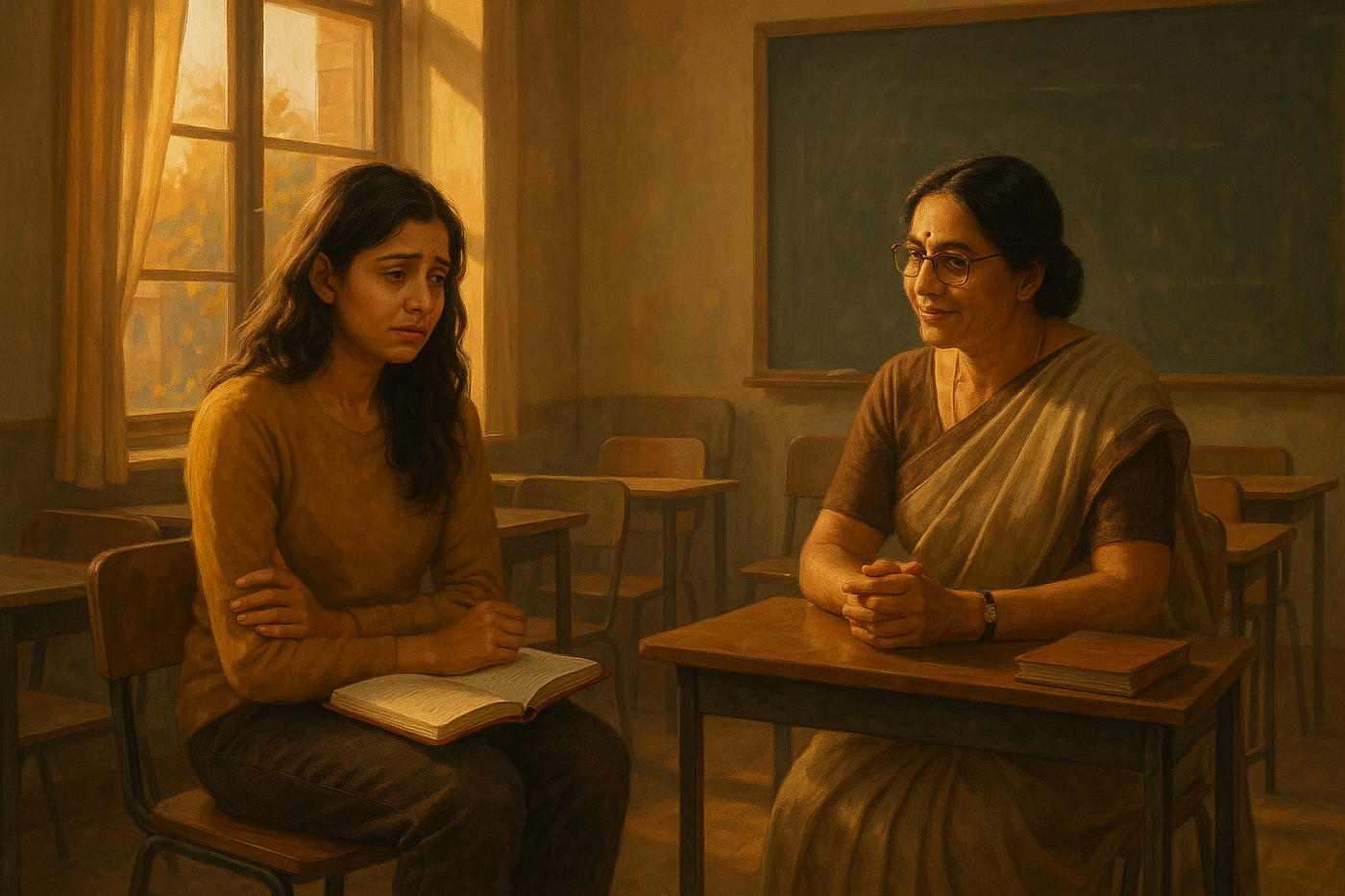
Photo by Andrew Neel on Unsplash
AI Is Making You Better at Sounding Like a Writer and Worse at Being One
Most people are asking the wrong question about AI. They ask about output. Nobody is asking what it does to your mind.
Here is what two years of watching this play out taught me.
Every week I see another LinkedIn post about “using AI to 10x your writing output.” The comments are full of people saying it changed their life. Half those comments were written by AI. I can tell. You probably can too, and that is exactly the problem nobody wants to name directly.
The Thing Everyone Gets Wrong About Voice
Voice is not a style choice. It is not a tone setting you dial up or down.
Voice is the residue of your specific experiences, processed through your specific language, expressed imperfectly over years of trying. It is the thing that makes your essay on grief unlike anyone else’s essay on grief, because your grief happened in a specific kitchen at a specific hour with a specific person saying the wrong thing.
AI does not have experiences. It has averages.
When you ask ChatGPT to “write like me,” you are asking it to approximate the average of your writing and the average of a million other writers at the same time. You get something that sounds like a version of you that has been sanded down until the rough edges, the actual interesting parts, are gone.
I did this for three months in 2024. I am not proud of it. The posts performed fine. I read them back now and do not recognize a single sentence.
The Discovery Problem Nobody Talks About
Joan Didion wrote that she writes entirely to find out what she is thinking. Not to communicate thoughts she already has. To discover thoughts she does not have yet.
Read that again slowly.
The thought does not exist before she finds the sentence for it. Writing is the mechanism of discovery, not the vehicle for delivery.
When you start with a prompt instead of your own confusion about a topic, you skip the entire discovery phase. You get a finished answer before you have asked yourself the actual question. The output looks complete. But you have learned nothing about what you actually think, and somewhere underneath that, you know it.
And honestly, I am not even sure this holds perfectly in every situation. There are probably experienced writers who use AI early in the process and still do real thinking. I have not met many of them. Most people I have watched try to “think through AI” produce something that reads like a summary of other people’s positions. They cannot defend it in conversation because they never actually formed it.
Why the “AI as Tool” Framing Bothers Me
The advice you see constantly, “just use AI as a tool,” is not wrong exactly. It is too comfortable.
It lets people avoid the harder question: what are you training yourself to need? Every time you go to AI before sitting with discomfort long enough to find your own angle, you are practicing a reflex. You are training yourself to reach for the shortcut. My math teacher told me this about arithmetic in 1998 and I ignored him until I was thirty and could not calculate a tip without my phone.
You do not notice the skill leaving. It goes one deadline at a time.
But Here Is Where AI Actually Works
AI is a terrible writer. It is a remarkable reader.
There is a real difference, and most people have it backwards.
As a reader of your draft, it has consumed more writing than any human editor alive, and it will tell you the truth about your work without worrying about your feelings or your friendship. Your best friend will not tell you your opening is weak. ChatGPT will. Every time.
After you have written something yourself, put it in front of AI and ask five things.
Ask: what is the central argument, in one sentence. If that sentence does not match what you were trying to say, you found your problem before your readers did.
Ask: which sentence in this draft is the strongest, and what happens if the piece opens with that line. Writers hide their best line in paragraph four because they were warming up. AI finds it because it has no ego about the structure you built around it.
Ask: what could be cut without the reader noticing. Brace yourself. It will name the paragraph you were most proud of. That paragraph probably served you, not the reader.
Ask: where does this start sounding generic, where does it stop sounding like a person. You will see it immediately once someone points to it.
Ask: what is the most obvious objection to the argument, and did I address it. This one is brutal. Useful, but brutal.
One rule before asking any of this: tell it not to agree with you. Say it explicitly. “Find the weaknesses, not the strengths.” Otherwise it will be kind, and kind feedback is useless.
What Happens When You Work This Way Long Enough
Something shifts after about four months.
AI keeps telling you your openings are slow, so you start writing faster ones before it has the chance. It keeps finding the passive voice in the places where you lost your nerve, so you start catching that in real time. The external critic slowly becomes internal. You are not just producing better drafts. You are building a better eye.
That is the only workflow that makes sense to me. Think first. Write badly. Let AI read what you wrote. Revise yourself.
The Only Question That Actually Matters
What will separate the writers who are still being read five years from now is not prompt skill. Not publication speed. Not how cleanly they have integrated AI into their process.
It will be whether they have something real to say, a genuine position built from genuine experience, expressed in a voice that could only belong to them.
If you are reading this and you have been letting AI draft your thinking, not just your sentences, I am not judging you. I did it too.
But I want you to ask yourself when you last wrote something that surprised you. When you last found out what you believed by trying to say it.
Because that is still available to you. It just requires keeping the blank page blank a little longer before you reach for the shortcut.
The only thing that makes a writer irreplaceable right now is refusing to be replaceable. Protect your voice like it is the only thing you have. Because as a writer, it is.
메타데이터
- post_id
- f032dfd9d603
- slug
- the-smart-way-to-use-chatgpt-as-a-writer-f032dfd9d603
- url
- https://medium.com/readers-club/the-smart-way-to-use-chatgpt-as-a-writer-f032dfd9d603
- canonical_url
- https://medium.com/readers-club/the-smart-way-to-use-chatgpt-as-a-writer-f032dfd9d603
- author_url
- https://medium.com/@thrivealong
- status
- ok
- fetched_at
- 2026-06-20 20:29:01