TRAVAILS OF THE BARD OF AVON
Every writer carries a little of Shakespeare’s burden
TRAVAILS OF THE BARD OF AVON
Every writer carries a little of Shakespeare’s burden

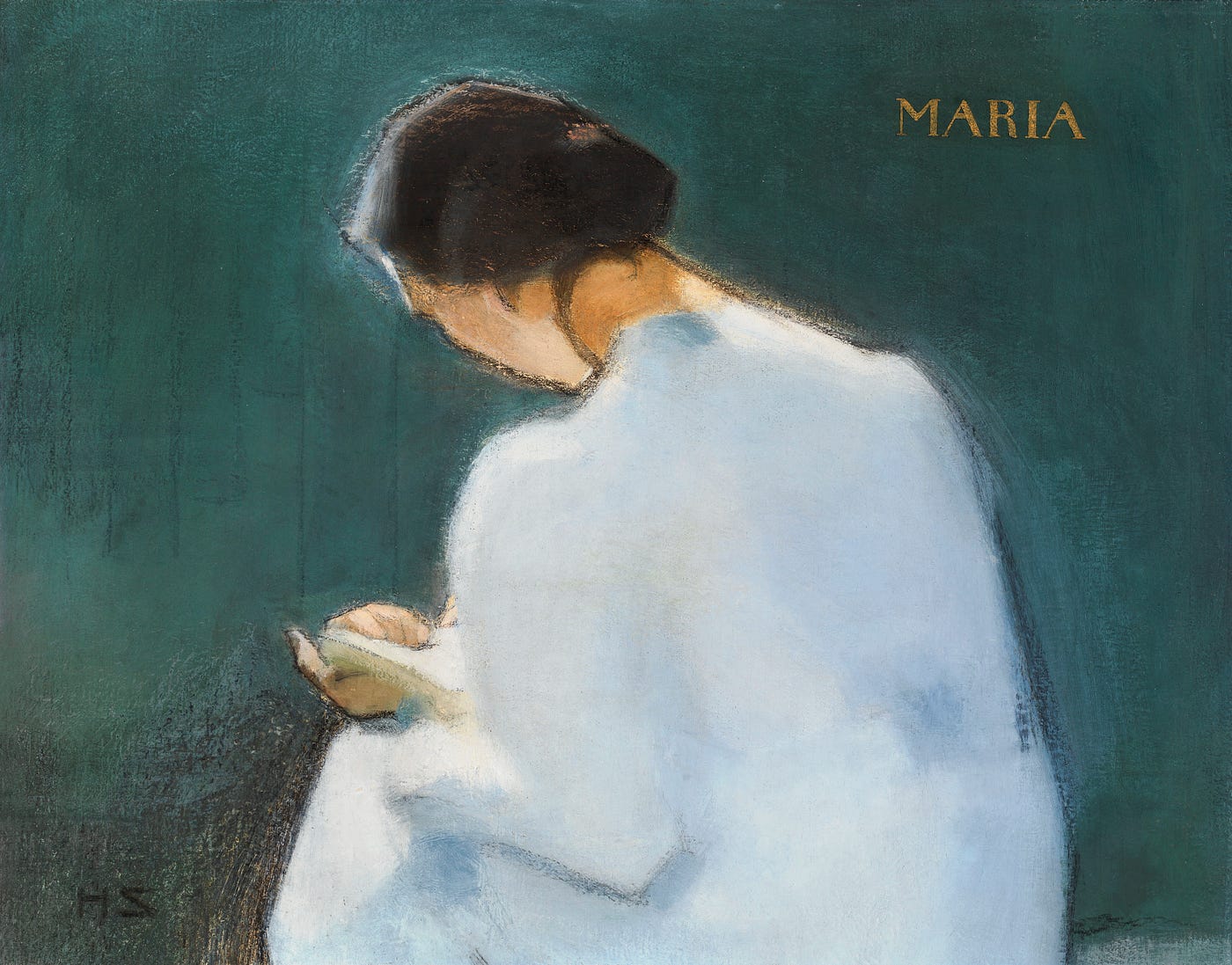
image from vocabulary.com
MEMORY
Memory is never a quiet place. It is a room that only opens when we are alone, and once inside, it refuses to stay still.
When the mind drifts into its “sweet silent thought,” it begins to gather everything the past has left behind—missed chances, old regrets, friendships that have faded, and moments that can no longer be changed.
Grief does not arrive as something new in that space. It returns as something already known, but felt again with fresh intensity. The heart, which thought it had moved on, suddenly realizes it has only stored pain, not erased it.
This is how memory works in the human spirit: it reopens what time was supposed to close.
In this state, even sorrow becomes repetitive. We revisit old wounds as if paying a debt that never stops accumulating. We mourn not only what was lost, but the fact that we once had it. The mind cycles through grief, weighing every failure and absence as though it were happening all over again.
Yet, strangely, sorrow is not the final authority in that space.
There is always a shift.
Because within the same mind that remembers loss, there is also the capacity to interrupt it. A single thought, a single presence, can change the entire emotional landscape.
Love—real, grounding connection—has the ability to restore what memory breaks apart. In one moment, everything that felt lost becomes bearable again. Not because the past has changed, but because meaning has returned.
Shakespeare wrote in his poet: Sonnet 30 "When to the sessions of sweet silent thought I summon up remembrance of things past, I sigh the lack of many a thing I sought, And with old woes new wail my dear time’s waste; Then can I drown an eye, unused to flow, For precious friends hid in death’s dateless night, And weep afresh love’s long since canceled woe, And moan th’ expense of many a vanished sight. Then can I grieve at grievances foregone, And heavily from woe to woe tell o’er The sad account of fore-bemoanèd moan, Which I new pay as if not paid before. But if the while I think on thee, dear friend, All losses are restored and sorrows end."
But memory is not the only battlefield.
There is also the self.
IDENTITY
A deeper voice begins to speak—not of what was lost, but of what was chosen. The realization that some suffering was not imposed by fate, but created by will. That the fall was not always accidental. Sometimes, it was approached knowingly. Sometimes, it was stepped into.
William Shakespeare wrote in his play, Hamlet: "I am myself indifferent honest; but yet I could accuse me of such things" "Thus conscience does make cowards of us all." "There is nothing either good or bad, but thinking makes it so." ~ hamlet
In that reflection, identity fractures into roles: the judge and the accused, the creator and the destroyer. The same mind that condemns also carries out the act. Good and bad begin to lose their sharp edges, not because they disappear, but because thought reshapes their meaning. Morality becomes less like law and more like perception.
And in that blurred space, the self is forced to confront something uncomfortable: that destruction is not always external. Sometimes it is internal agreement.
Yet even here, at the point of collapse, there is no total ending. Because awareness remains.
Even when a person recognizes their own ruin, even when they understand how deeply they have contributed to it, there is still the fact that they are present enough to see it. And that presence—fragile, conflicted, but alive—is not nothing. It is the beginning of return.
So the human condition sits between two forces:
One pulls backward into memory, where grief repeats itself endlessly.
The other turns inward into identity, where responsibility and self-destruction collide.
And between them, something quietly survives.
Not perfection. Not resolution.
But the ability to continue.
To remember, to regret, to understand—and still remain.
Write for your writing family on Medium, It’s All Good
[embed]How To Write For Us All Styles. All Genres. No Rules.medium.com
메타데이터
- post_id
- f0d3d2dce490
- slug
- travails-of-the-bard-of-avon-f0d3d2dce490
- url
- https://medium.com/its-all-good/travails-of-the-bard-of-avon-f0d3d2dce490
- canonical_url
- https://medium.com/its-all-good/travails-of-the-bard-of-avon-f0d3d2dce490
- author_url
- https://medium.com/@obilorbrown
- status
- ok
- fetched_at
- 2026-06-09 15:37:30