Cinder Block Garden Bed
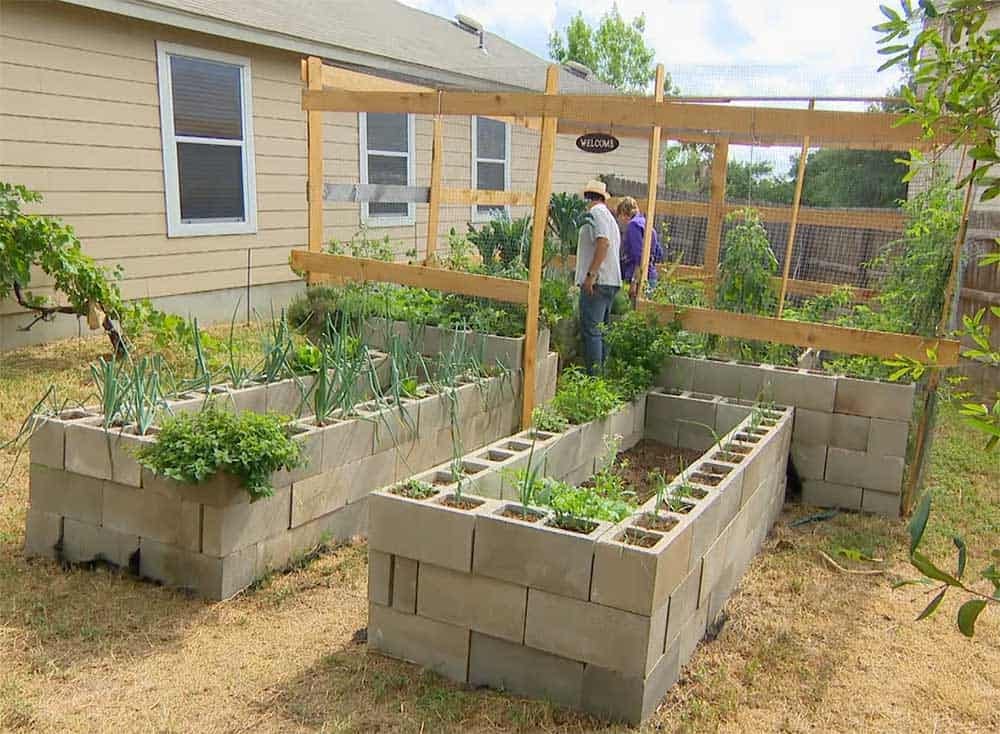
A cinder block garden bed is a gardening technique that uses cinder blocks to create raised garden beds. Cinder blocks are concrete blocks with hollow cores, which makes them lightweight and easy to work with. They are a popular choice for raised garden beds because they are durable, affordable, and can be used to create beds of any size or shape.
Cinder block garden beds offer several benefits over traditional in-ground gardens. They improve drainage, which helps to prevent root rot and other problems. They also warm up the soil earlier in the spring, which can extend the growing season. In addition, cinder block garden beds can be used to create raised beds at different heights, which can be helpful for gardeners with back problems or who want to grow plants that require different growing conditions.
Cinder block garden beds are relatively easy to build. The first step is to level the ground where you want to build the bed. Then, lay down a layer of gravel or crushed stone to help with drainage. Next, start stacking the cinder blocks to create the walls of the bed. Be sure to stagger the blocks so that the joints are not aligned. Once the walls are complete, fill the bed with a mixture of soil, compost, and other organic matter.
Cinder Block Garden Bed
Cinder block garden beds are a popular and versatile way to grow vegetables, fruits, and flowers. They offer a number of advantages over traditional in-ground gardens, including improved drainage, earlier soil warming, and the ability to create raised beds at different heights. Cinder block garden beds are also relatively easy to build and maintain.
- Durable
- Affordable
- Versatile
- Easy to build
- Improved drainage
- Earlier soil warming
- Raised bed height options
- Can be used to create curved or beds
- Can be used to create vertical gardens
Cinder block garden beds are a great option for gardeners of all levels of experience. They are a durable and affordable way to grow a variety of plants, and they can be customized to fit any space or need. With a little creativity, cinder block garden beds can be used to create beautiful and functional outdoor spaces.
Durable
Cinder block garden beds are durable and can last for many years. This is because cinder blocks are made of concrete, which is a very strong and durable material. Cinder blocks are also resistant to rot, insects, and other pests. As a result, cinder block garden beds are a low-maintenance option that can provide years of enjoyment.
- StrengthCinder blocks are very strong and can support a lot of weight. This makes them an ideal material for raised garden beds, which can be filled with heavy soil and plants.
- DurabilityCinder blocks are also very durable and can withstand harsh weather conditions. They are not affected by rain, snow, or ice, and they will not rot or deteriorate over time.
- Resistance to pestsCinder blocks are also resistant to pests, such as termites and carpenter ants. This makes them a good choice for raised garden beds, which can be vulnerable to pests.
- Low maintenanceCinder block garden beds are very low maintenance. They do not need to be painted or sealed, and they will not rot or deteriorate over time. This makes them a great option for busy gardeners who do not have a lot of time for maintenance.
Overall, cinder block garden beds are a durable and low-maintenance option that can provide years of enjoyment. They are a great choice for gardeners of all levels of experience.
Affordable
Cinder block garden beds are an affordable option for raised garden beds. Cinder blocks are relatively inexpensive, and they can be found at most hardware stores. In addition, cinder block garden beds are easy to build, which can save on labor costs. As a result, cinder block garden beds are a great option for gardeners on a budget.
The affordability of cinder block garden beds makes them a popular choice for community gardens and school gardens. These gardens often have limited budgets, and cinder block garden beds allow them to create raised beds that are durable and affordable. In addition, cinder block garden beds can be used to create vertical gardens, which can be a great way to save space in small gardens.
Overall, the affordability of cinder block garden beds makes them a great option for gardeners of all levels of experience. They are a durable and affordable way to grow a variety of plants, and they can be customized to fit any space or need. With a little creativity, cinder block garden beds can be used to create beautiful and functional outdoor spaces.
Versatile
Cinder block garden beds are versatile and can be used to create a variety of different garden designs. They can be used to create raised beds of any size or shape, and they can be stacked to create vertical gardens. Cinder block garden beds can also be used to create curved beds, which can add a touch of elegance to any garden. In addition, cinder block garden beds can be used to create unique and eye-catching focal points in the garden.
- Raised bedsCinder block garden beds can be used to create raised beds of any size or shape. This is a great option for gardeners who want to improve drainage, extend the growing season, or create a more ergonomic gardening space. Raised beds are also a good option for gardeners who have limited space, as they can be stacked to create vertical gardens.
- Vertical gardensCinder block garden beds can be used to create vertical gardens, which are a great way to save space and grow more plants in a small area. Vertical gardens are also a good option for gardeners who have limited mobility, as they can be accessed from a standing position.
- Curved bedsCinder block garden beds can be used to create curved beds, which can add a touch of elegance to any garden. Curved beds are also a good option for gardeners who want to create a more unique and eye-catching garden design.
- Focal pointsCinder block garden beds can be used to create unique and eye-catching focal points in the garden. This can be done by using different colors or sizes of cinder blocks, or by adding decorative elements such as plants, flowers, or sculptures.
The versatility of cinder block garden beds makes them a great option for gardeners of all levels of experience. They are a durable and affordable way to grow a variety of plants, and they can be customized to fit any space or need. With a little creativity, cinder block garden beds can be used to create beautiful and functional outdoor spaces.
Easy to build
Cinder block garden beds are easy to build, making them a great option for gardeners of all skill levels. The blocks are lightweight and easy to work with, and they can be stacked to create beds of any size or shape. In addition, cinder block garden beds do not require any special tools or skills to build, making them a great project for beginners.
- No special tools or skills requiredCinder block garden beds can be built with just a few basic tools, such as a level, a rubber mallet, and a saw. No special skills are required, making them a great project for beginners.
- Lightweight and easy to work withCinder blocks are lightweight and easy to move around, making them easy to work with. They can be stacked by hand, and no heavy machinery is required.
- Can be customized to any size or shapeCinder blocks can be stacked to create beds of any size or shape. This makes them a great option for gardeners with limited space or who want to create a unique garden design.
- Durable and long-lastingCinder block garden beds are durable and long-lasting. They are made of concrete, which is a strong and durable material. Cinder block garden beds can last for many years with proper care.
Overall, cinder block garden beds are easy to build and maintain, making them a great option for gardeners of all skill levels. They are a durable and affordable way to grow a variety of plants, and they can be customized to fit any space or need.
Improved drainage
Cinder block garden beds offer improved drainage, which is essential for healthy plant growth. Poor drainage can lead to waterlogged soil, which can suffocate roots and cause them to rot. Cinder block garden beds have several features that help to improve drainage.
- Gaps between blocks: The gaps between cinder blocks allow excess water to drain out of the bed. This prevents the soil from becoming waterlogged and helps to keep the roots of plants healthy.
- Elevated design: Cinder block garden beds are elevated off the ground, which also helps to improve drainage. This is because water can drain out of the bottom of the bed, rather than pooling on the ground.
- Use of gravel or crushed stone: Many gardeners add a layer of gravel or crushed stone to the bottom of their cinder block garden beds. This helps to further improve drainage and prevent the soil from becoming compacted.
Improved drainage is one of the main benefits of using cinder block garden beds. By providing better drainage, cinder block garden beds help to keep plants healthy and productive.
Earlier soil warming
Cinder block garden beds offer earlier soil warming, which is a significant benefit for gardeners in many climates. Soil warming is important because it helps to create a more favorable environment for plant growth. Warmer soil temperatures encourage faster seed germination, root development, and plant growth. In addition, warmer soil temperatures can help to reduce the risk of frost damage and disease.
Cinder block garden beds warm up earlier in the spring because they are elevated off the ground. This allows the sun’s rays to reach the soil more directly, which helps to warm it up more quickly. In addition, the dark color of cinder blocks absorbs heat from the sun and radiates it back into the soil, further contributing to earlier soil warming.
Earlier soil warming can have a number of benefits for gardeners. For example, it can allow gardeners to start their seeds earlier in the spring, which can give them a longer growing season. In addition, earlier soil warming can help to improve plant growth and yields, and it can reduce the risk of frost damage and disease.
Overall, earlier soil warming is a significant benefit of using cinder block garden beds. By providing warmer soil temperatures, cinder block garden beds help to create a more favorable environment for plant growth, which can lead to improved yields and a longer growing season.
Raised bed height options
Raised bed height options are an important consideration when building a cinder block garden bed. The height of the bed will affect the soil temperature, drainage, and ease of access. Taller beds warm up more quickly in the spring and have better drainage, but they can be more difficult to reach. Shorter beds are easier to access, but they may not warm up as quickly or drain as well.
- Low raised beds (6–12 inches tall) are a good option for gardeners who want to improve drainage and soil temperature without having to lift heavy objects. They are also a good choice for gardeners with limited space.
- Medium raised beds (12–24 inches tall) are a good all-purpose option. They offer good drainage and soil temperature, and they are not too difficult to reach. They are a good choice for most gardeners.
- High raised beds (24 inches or taller) are a good option for gardeners who want to grow deep-rooted plants or who have difficulty bending or kneeling. They also warm up more quickly in the spring and have better drainage. However, they can be more difficult to reach and may require additional support.
When choosing the height of your raised bed, it is important to consider the type of plants you want to grow, the climate you live in, and your own physical abilities. With a little planning, you can choose the perfect height for your cinder block garden bed.
Can be used to create curved or beds
Cinder block garden beds can be used to create curved or beds, which gives gardeners more flexibility in designing their gardens. Curved beds can add a touch of elegance to any garden, and they can be used to create interesting and unique shapes. beds are a good option for gardeners who want to maximize space or create a more formal look. By using cinder blocks to create curved or beds, gardeners can create a truly customized garden that meets their specific needs.
There are several advantages to using cinder blocks to create curved or beds. First, cinder blocks are very versatile and can be used to create a variety of different shapes and sizes. Second, cinder blocks are durable and will last for many years. Third, cinder blocks are relatively inexpensive, making them a good option for budget-minded gardeners. Fourth, cinder blocks are easy to work with and can be stacked without the need for special tools or skills.
To create a curved or cinder block garden bed, simply stack the cinder blocks in the desired shape. Be sure to stagger the blocks so that the joints are not aligned. Once the walls of the bed are complete, fill the bed with soil and compost. You can then plant your vegetables, flowers, or herbs.
Curved or cinder block garden beds are a great way to add a touch of personality to your garden. They are also a practical way to maximize space or create a more formal look. With a little creativity, you can use cinder blocks to create a truly unique and beautiful garden.
Can be used to create vertical gardens
Cinder block garden beds can be used to create vertical gardens, which is a great way to save space and grow more plants in a small area. Vertical gardens are also a good option for gardeners who have limited mobility, as they can be accessed from a standing position. To create a vertical cinder block garden, simply stack the cinder blocks to create a wall. You can then attach planters or shelves to the wall, and fill them with soil and plants. Vertical cinder block gardens are a great way to grow herbs, vegetables, and flowers.
There are many benefits to using cinder blocks to create vertical gardens. First, cinder blocks are very durable and can withstand harsh weather conditions. Second, cinder blocks are relatively inexpensive, making them a good option for budget-minded gardeners. Third, cinder blocks are easy to work with and can be stacked without the need for special tools or skills.
Vertical cinder block gardens are a great way to add a touch of greenery to your home or garden. They are also a practical way to maximize space, grow more plants, and improve your overall health and well-being.
FAQs about Cinder Block Garden Beds
Cinder block garden beds are a popular and versatile way to grow vegetables, fruits, and flowers. They offer several benefits over traditional in-ground gardens, including improved drainage, earlier soil warming, and the ability to create raised beds at different heights. Cinder block garden beds are also relatively easy to build and maintain.
Question 1: Are cinder block garden beds durable?
Answer: Yes, cinder block garden beds are very durable and can last for many years. Cinder blocks are made of concrete, which is a very strong and durable material. Cinder blocks are also resistant to rot, insects, and other pests.
Question 2: Are cinder block garden beds affordable?
Answer: Yes, cinder block garden beds are an affordable option for raised garden beds. Cinder blocks are relatively inexpensive, and they can be found at most hardware stores.
Question 3: Are cinder block garden beds versatile?
Answer: Yes, cinder block garden beds are very versatile and can be used to create a variety of different garden designs. They can be used to create raised beds of any size or shape, and they can be stacked to create vertical gardens. Cinder block garden beds can also be used to create curved beds, which can add a touch of elegance to any garden.
Question 4: Are cinder block garden beds easy to build?
Answer: Yes, cinder block garden beds are easy to build, making them a great option for gardeners of all skill levels. The blocks are lightweight and easy to work with, and they can be stacked to create beds of any size or shape. In addition, cinder block garden beds do not require any special tools or skills to build, making them a great project for beginners.
Question 5: Do cinder block garden beds improve drainage?
Answer: Yes, cinder block garden beds offer improved drainage, which is essential for healthy plant growth. Poor drainage can lead to waterlogged soil, which can suffocate roots and cause them to rot. Cinder block garden beds have several features that help to improve drainage, including gaps between blocks, an elevated design, and the use of gravel or crushed stone.
Question 6: Do cinder block garden beds provide earlier soil warming?
Answer: Yes, cinder block garden beds offer earlier soil warming, which is a significant benefit for gardeners in many climates. Soil warming is important because it helps to create a more favorable environment for plant growth. Warmer soil temperatures encourage faster seed germination, root development, and plant growth. Cinder block garden beds warm up earlier in the spring because they are elevated off the ground, which allows the sun’s rays to reach the soil more directly.
Summary: Cinder block garden beds are a durable, affordable, versatile, and easy-to-build option for raised garden beds. They offer several benefits over traditional in-ground gardens, including improved drainage, earlier soil warming, and the ability to create raised beds at different heights. With a little creativity, cinder block garden beds can be used to create beautiful and functional outdoor spaces.
Transition to the Article’s tips: Here are a few tips for building and maintaining cinder block garden beds:
Tips for Building and Maintaining Cinder Block Garden Beds
Cinder block garden beds are a durable, affordable, versatile, and easy-to-build option for raised garden beds. They offer several benefits over traditional in-ground gardens, including improved drainage, earlier soil warming, and the ability to create raised beds at different heights. With a little creativity, cinder block garden beds can be used to create beautiful and functional outdoor spaces.
Here are a few tips for building and maintaining cinder block garden beds:
Tip 1: Level the ground before building the bed. This will ensure that the bed is level and stable, and it will help to prevent the blocks from shifting or settling.
Tip 2: Use a layer of gravel or crushed stone at the bottom of the bed. This will help to improve drainage and prevent the soil from becoming compacted.
Tip 3: Stagger the blocks when stacking them. This will help to create a stronger and more stable bed.
Tip 4: Fill the bed with a mixture of soil, compost, and other organic matter. This will provide the plants with the nutrients they need to grow and thrive.
Tip 5: Water the bed regularly, especially during hot and dry weather. Cinder block garden beds can dry out quickly, so it is important to water them regularly to keep the soil moist.
Tip 6: Fertilize the bed every few months. This will help to replenish the nutrients in the soil and keep the plants healthy.
Tip 7: Mulch the bed with straw, hay, or other organic matter. This will help to retain moisture, suppress weeds, and regulate soil temperature.
Tip 8: Inspect the bed regularly for pests and diseases. Early detection and treatment can help to prevent serious problems.
By following these tips, you can build and maintain a beautiful and productive cinder block garden bed that will provide you with fresh, homegrown produce for years to come.
Summary: Cinder block garden beds are a great option for gardeners of all levels of experience. They are durable, affordable, versatile, and easy to build. With a little care and maintenance, cinder block garden beds can provide you with years of enjoyment.
Conclusion
Cinder block garden beds are a durable, affordable, versatile, and easy-to-build option for raised garden beds. They offer several benefits over traditional in-ground gardens, including improved drainage, earlier soil warming, and the ability to create raised beds at different heights. With a little creativity, cinder block garden beds can be used to create beautiful and functional outdoor spaces.
Whether you are a beginner gardener or an experienced pro, cinder block garden beds are a great option for growing your own fruits, vegetables, and flowers. They are a durable and affordable way to extend your growing season, improve your soil quality, and create a beautiful and productive garden.
Images References :
Source: *offgridworld.com*12 Amazing Cinder Block Raised Garden Beds Off Grid World

Source: *www.pinterest.com***Cinder Block Ideas 6 Decoratoo Cinder block garden, Lawn and garden**

Source: *www.pinterest.com***Raised Bed Gardening and Garden Update Cinder block garden, Raised**

Source: *www.pinterest.ca***a garden bed made out of cinder blocks with dirt in the middle and**

Source: *www.fabeveryday.com***Fab Everyday Because Everyday Life Should be Fabulous www**

Source: *niegarden.com*Raised Garden Bed Plans Concrete Blocks Garden Design

Source: *www.pinterest.com***cement block garden (less grass to mow) Cinder block garden, Large**

Source: *wholemadehomestead.com*Cinder Block Raised Garden Bed WholeMade Homestead

Source: *niegarden.com*Raised Bed Garden Using Cinder Blocks Garden Design

Source: *www.pinterest.com***How to Build a Cinder Block Raised Garden Bed Cinder block garden**
메타데이터
- post_id
- f0efba488c74
- slug
- cinder-block-garden-bed-f0efba488c74
- url
- https://medium.com/@gardenkit/cinder-block-garden-bed-f0efba488c74
- canonical_url
- https://medium.com/@gardenkit/cinder-block-garden-bed-f0efba488c74
- author_url
- https://medium.com/@gardenkit
- status
- ok
- fetched_at
- 2026-07-24 00:18:42