The Short Story they Published
My entry in the Stringybark anthology competition
FICTION
The Short Story they Published
My entry in the Stringybark anthology competition
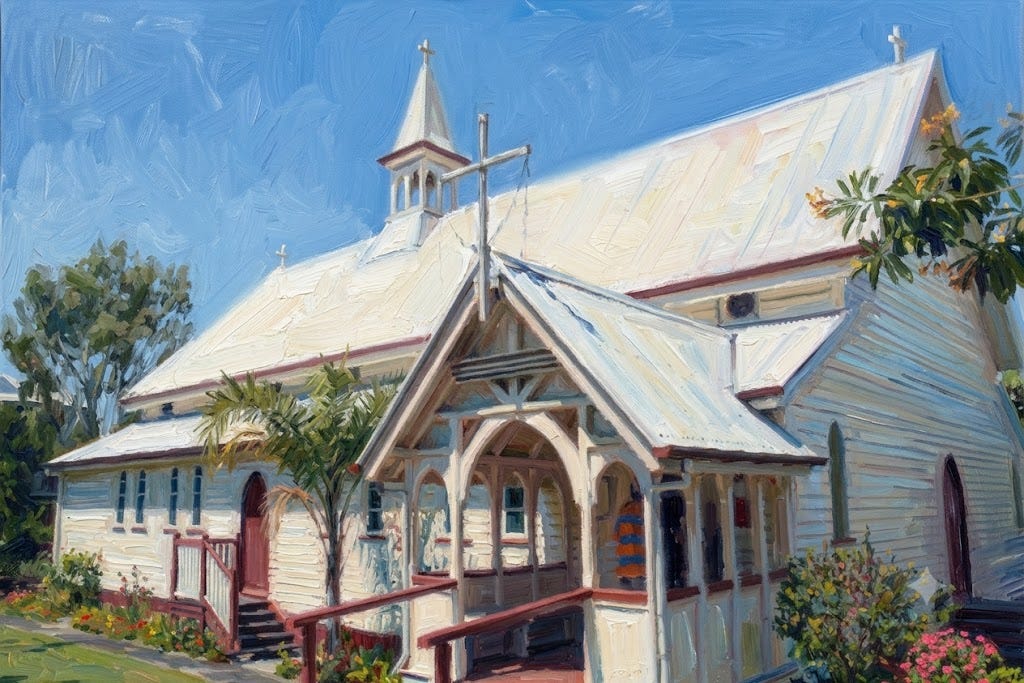
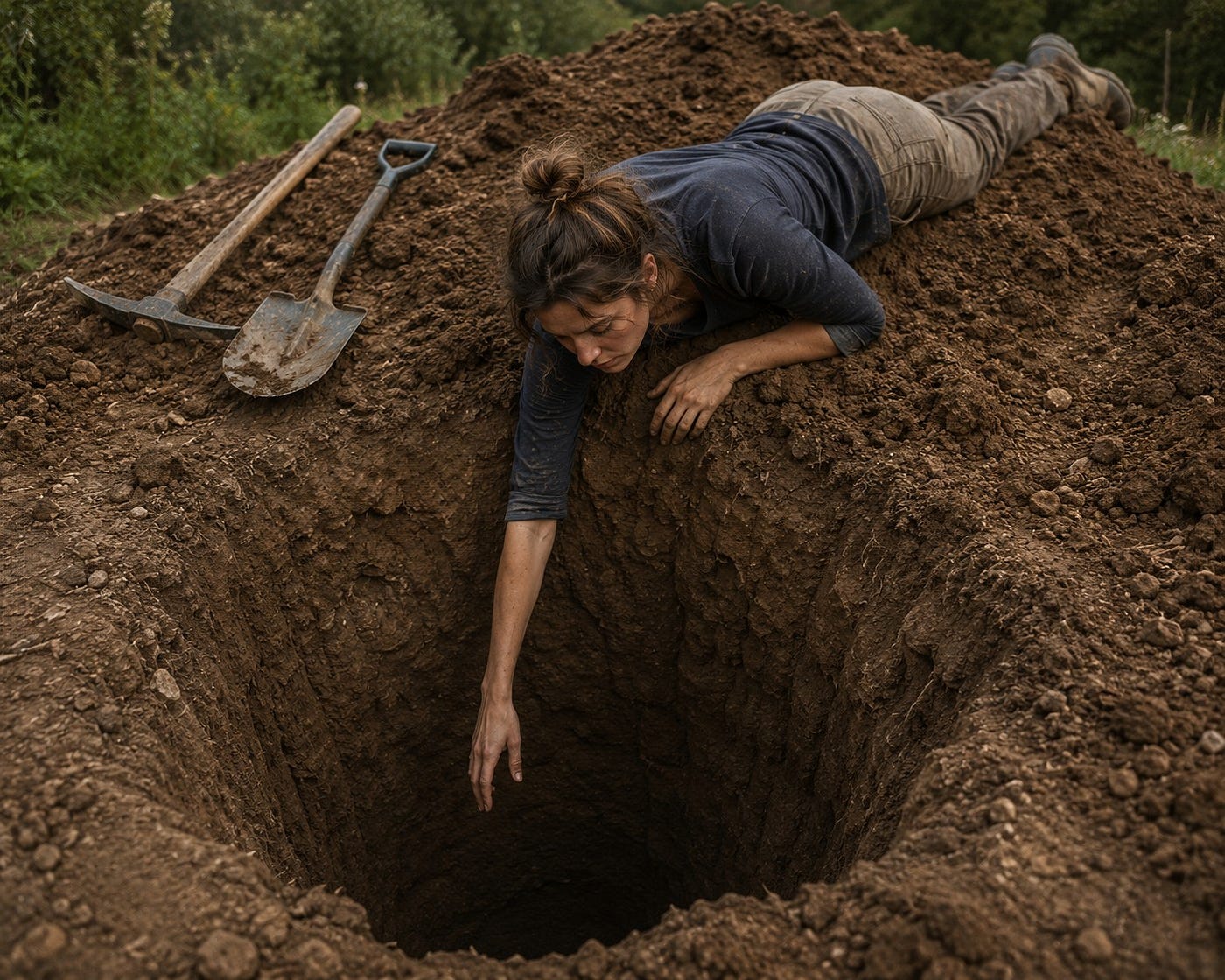
ChatGPT-generated image by the author
If you are an aspiring short story writer, dismayed by rejection notes, wondering just what publishers accept, I offer this successful story that I entered in an Australian short story competition recently. The annual competition is run by Stringybark Publishing, based in the Australian Capital Territory. This was not the winning entry but was selected as highly commended by a judging panel of four for publication in the yearly anthology called Thanks for Asking and was earmarked as a personal favorite by one of the judges. The copyright remains mine and I am free to re-publish anywhere. The story is titled Imagine.
Imagine
My beloved sister, I did not report for work today and, at midday, I am already a little drunk. Please do not be ashamed of me. In Australia, alcohol is a way of life, offered to guests like Qahwa or rosewater. How could you know I would succumb when you send me here? When our father died, your only thought was to keep me safe, and I am grateful, but you can see, Maryam, there is also a danger in freedom.
Please believe, I have not become a bad man, but my heart has changed and I cannot follow my father’s ways. I no longer fast. I abandoned my daily prayers and the halal laws long ago.
This morning, when I got Uncle’s email, I did think of prayer, but my need to move, to feel cold fresh air on my face, was greater. I live in St Lucia, a suburb close by the river, and so I ran to catch a water bus, a ferry. Here in Brisbane they call them CityCats.
Now I stand at the bow and let the wind ruffle my hair. I have taken the downstream service, pretending I will clear the river mouth and cross the open sea to be with you.
The river is peaceful; its great S-bends tend to slow life down. It steadies my breathing. The sun glints off tall columns of steel and glass as we glide by office and apartment blocks. I remember what I left behind: the family’s dusty beige concrete apartment, faded by the sun, the fruit-seller, tailor and phone repair man on the ground floor, the narrow streets where we played as children, the washing hung between buildings. Laughter—yes, laughter and song.
Suddenly I need to get off this boat and walk. No, the truth is: suddenly I need more alcohol. Before long, the CityCat will turn for the run back to the city, so I alight from the boat at the Bulimba wharf.
I have never been to this suburb before. Bulimba is most often described as ‘vibrant’. I don’t need ‘vibrant’ today, but an airy upstairs bar offers wine by the glass and bottle, tapas-style snacks, and a view onto the busy street. I order a bottle of red wine that is popular here—Pinot Noir. The waiter presumes I am waiting for friends and asks how many glasses he should bring. When I say ‘One’, he seems taken aback.
That bottle is now empty, drained like me. The bill paid, I am on the street again, standing in the slender shade of a pale green electricity pole. I clutch the pole for support as my head spins. These patterns of splits and knots in an electricity pole can be quite beautiful. I make my eyes focus on the amateurish hand-written poster that has been pasted to the timber.
Want more frequent public transport services???? it says. I nod.
Sick of crowded trains +buses?? Want more + better bikeways?? Want safer facilities for Pedestrians?? If you answered YES to any of these then come join us at …
I have answered yes to every single question. Stand up for pedestrians! I am one with these people.
You can see, Maryam, what important grievances these Brisbane citizens can address where there are no rockets whining overhead and no soldiers kicking in doors?
WALK FOR SUSTAINABLE TRANSPORT
11 AM SATURDAY FEBRUARY 17
I register that the 17th was last Saturday—this protest march is all over. The mass personal message has been sent to the government without my involvement. My feet have not been counted. The government may well have already submitted to public demand. I have an urge to kiss the telephone pole reverently. Here was a protest, an uprising, that was not dispersed with bullets and water cannons. Yes, dear sister, I am being far too facetious. Good luck to them, but I wish an inadequate bikeway was the main concern our people faced.
My head is clearing a little, but I turn and lean against the post and stare up at a spindly church steeple, etched white against the purest blue sky. Verdigris had dusted the small bell a faded green. It is a perfect match for the electricity pole. I scan down the dainty steeple to the inverted curve of the white corrugated iron roof. The church is all but hidden behind a suburban garden of Eden — palms and hedges and Australian natives. The sign identifies it as the Anglican Church of Australia, the Parish Church of St John the Baptist.
Below the main naming sign, a smaller knee-level one beside the entrance path carries the invitation: Come in, rest and pray.
I shrug. ‘Ok’, I say aloud, ‘There’s always a first time.’ In fact, I am curious about this Christian God. I have come to the opinion, Maryam, that all religions are alike, even though they declare each other false—they define morality, the Law, and divine justice. They all say, ‘Come in, rest and pray’, and then they say, ‘Now go out and kill.’
Nevertheless, I will visit this different god. I step in out of the dazzle and feel the pervading cool take the sting out of my sun-blasted forehead. I wait for the blue and pink light-dance to fade from my eyes. I feel a little daring. So, this is a Christian church! I knew there would not be prayer mats, but it holds surprises.
I find I am standing in front of a corkboard on an easel. The board is dotted with curling Post-it notes and other scraps of paper on which had been scribbled prayers. Does God come and check it regularly? Perhaps it is placed to catch his attention as he floats out after the hymns and chants.
I turn my attention to the gloomy body of the church. Dark wooden paneling to head height, then boards sloping in over my head, that suddenly soar to a point like the inside of a witch’s hat. Aah, perhaps that is an inappropriate image.
To the right stands a small, richly polished wooden organ. Mounted on the organ is a shaving mirror. I think it allows the organist to see a starting signal from behind—the bride poised breathlessly on the doorstep of a new life — like you, my dear sister. Or maybe he is just vain and likes to adjust his wig. High on the upper sloping walls, running along each side, are hinged wooden windows, like gunports on a galleon. Now there is a more appropriate image!
I sit in the back pew, which bears a brass plaque: Restored due to the generosity of George and Emily Smythe. Did God respond with equal generosity, I wonder. I sit in silence, looking up to where the ceiling would have been, had it not gone soaring off to meet God. No prayers come to me, but I give it ten minutes, then rise quietly and turn to leave.
I tell you truthfully, my sister, that I intended to be reverent, to respect the beliefs of others as I still try to respect my father’s faith, my childhood faith. But now, some serpent is slowly uncoiling in me—perhaps the alcohol has destroyed my judgement. I despair at the futility of it all, feel my anger swell. I believe there is greater morality, stronger justice, and more humanity in John Lennon’s Imagine than in any of these war-lord religions. I clench my fists. The faithful reject the evidence of their eyes because they are hungry for a god who listens, one who cares about their little lives.
I pause, like God, to read the prayers on the easel—an interesting mix of petitions, anonymous, of course, as God knows all their names. I take out my pen and write DONE across a few and scrawl a lordly sort of signature. On two, I write I’LL GET BACK TO YOU. One essayist has written: ‘My new neighbour is intrusive in my space. He is an older man, and I am a young woman on my own. Please make him leave me alone.’
What can I say to her? Women are always at the mercy of men; it seems God-ordained. Only now, my beloved Maryam, do I start to cry. Yesterday, I saw news footage of mothers carrying the blood-stained, broken bodies of children, and my heart stopped when I heard the name of the city. Should I have thrown myself at God’s feet right then and begged for your life? Perhaps he makes the odd exception. But it is too late. This morning, Uncle told me that your body is still under the rubble of our apartment block.
I study the whiteboard again and strip a fresh Post-it note from the block. I write Murderer! and slap it on the board.
The End
The anthology Thanks for Asking will be available from Stringybark Publishing in mid-July 2026.
Jim Parsons is an Australian author and novel-writing mentor.
메타데이터
- post_id
- f0f297f70db4
- slug
- the-short-story-they-published-f0f297f70db4
- url
- https://medium.com/the-lark/the-short-story-they-published-f0f297f70db4
- canonical_url
- https://medium.com/the-lark/the-short-story-they-published-f0f297f70db4
- author_url
- https://medium.com/@jamesrobertparsonsx
- status
- ok
- fetched_at
- 2026-06-10 12:26:30