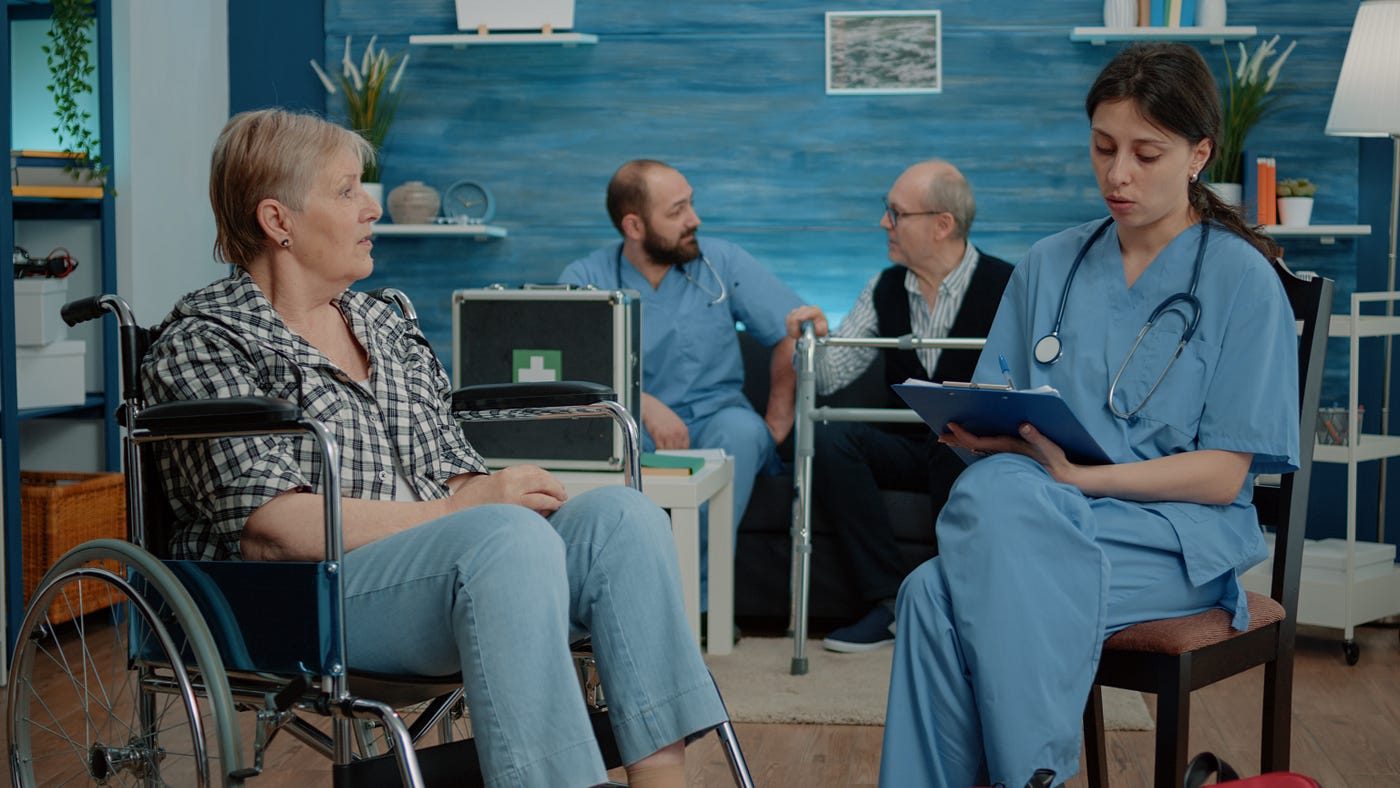
Dementia Action Week 2026: Why Mental Health Support Matters More Than Ever in Elderly Care
Every year, Dementia Action Week 2026 shines a spotlight on the growing need for dementia awareness, early intervention, and compassionate…
Dementia Action Week 2026: Why Mental Health Support Matters More Than Ever in Elderly Care
Every year, Dementia Action Week 2026 shines a spotlight on the growing need for dementia awareness, early intervention, and compassionate care across the UK.
With dementia cases rising, families, carers, and healthcare professionals are seeking better ways to support older adults living with cognitive decline and mental health challenges.
For care workers and healthcare professionals, this week is more than an awareness campaign. It is a reminder that quality dementia care starts with education, empathy, and practical skills.
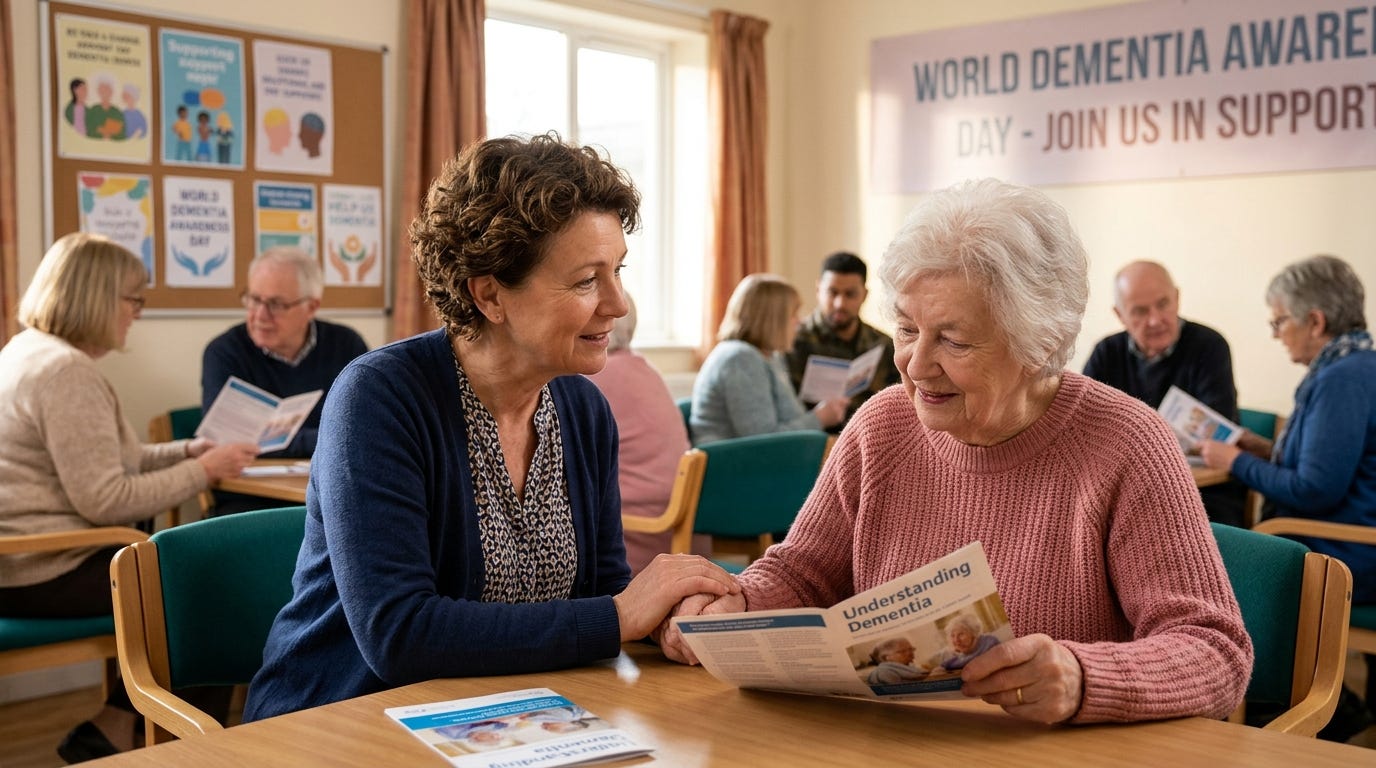
Understanding Dementia in the UK
Dementia is not a single disease. It is a group of symptoms linked to memory loss, confusion, communication difficulties, and behavioural changes.
According to UK health experts, dementia affects hundreds of thousands of people nationwide. Conditions such as Alzheimer’s disease and vascular dementia are among the most common forms.
Many elderly individuals also experience:
- Anxiety
- Depression
- Social isolation
- Learning disabilities
- Emotional distress
These issues often overlap with dementia, making mental health support a vital part of elderly care.
Why Dementia Action Week 2026 Matters
Awareness campaigns encourage people to recognise symptoms earlier and seek professional support sooner.
Early diagnosis can improve:
- Quality of life
- Care planning
- Emotional wellbeing
- Access to treatment
- Family support systems
For healthcare workers, carers, and support staff, it is also an opportunity to improve professional knowledge and develop specialist care skills.
As the UK care sector continues to grow, trained dementia professionals are becoming increasingly valuable.
The Link Between Dementia and Mental Health
Mental health in older adults is often overlooked.
Many elderly people with dementia also struggle with loneliness, depression, and emotional instability.
Understanding these connections helps carers provide more person-centred care.
If you want deeper insights into emotional wellbeing among older adults, this article on mental health in the elderly explains common challenges and practical ways to support ageing individuals.
The blog explores:
- Mental health risks in elderly care
- Signs of emotional decline
- The impact of isolation
- Ways carers can provide support
- Strategies for improving wellbeing
This knowledge is essential for anyone working in healthcare, social care, or residential care settings.
Key Skills Needed for Dementia Care in 2026
Modern dementia care requires more than basic caregiving.
Healthcare professionals now need training in communication, safeguarding, behavioural support, and mental health awareness.
Important dementia care skills include:
Effective Communication
People living with dementia may struggle to express thoughts or understand conversations.
Care workers must learn how to communicate calmly, clearly, and respectfully.
Emotional Support
Mental health support is a major part of dementia care.
Recognising anxiety, depression, and distress can help carers respond appropriately.
Behaviour Management
Some individuals experience agitation, aggression, or confusion.
Understanding triggers and de-escalation techniques is crucial.
Safeguarding Vulnerable Adults
Older adults with cognitive decline are at higher risk of neglect and abuse.
Professionals need safeguarding awareness and reporting knowledge.
Person-Centred Care
Every individual experiences dementia differently.
Tailored care plans improve dignity, independence, and quality of life.
Why Dementia Training Is Becoming Essential
The UK care sector faces increasing pressure due to an ageing population.
Care homes, domiciliary care providers, and healthcare employers now prioritise candidates with dementia and mental health qualifications.
Professional training can help learners:
- Improve employability
- Gain accredited qualifications
- Develop specialist care skills
- Build confidence in healthcare settings
- Support vulnerable adults effectively
For those wanting recognised training, the Accredited Mental Health, Dementia and Learning Disabilities Course provides practical knowledge designed for modern healthcare environments.
The course covers:
- Dementia awareness
- Mental health support
- Learning disabilities
- Safeguarding practices
- Communication techniques
- Care planning principles
It is particularly useful for:
- Care assistants
- Support workers
- Healthcare students
- Residential care staff
- Family carers
- NHS support staff
How Dementia Awareness Benefits Families
Families caring for loved ones with dementia often experience emotional exhaustion and uncertainty.
Awareness campaigns help families:
- Understand symptoms
- Access support services
- Reduce stigma
- Improve communication
- Build coping strategies
Education also empowers relatives to make informed decisions about care options and long-term planning.
The Future of Elderly Mental Health Support
Mental health support for older adults is becoming a major public health priority in the UK.
Experts increasingly recognise that emotional wellbeing directly affects physical health, independence, and overall quality of life.
Emerging care trends include:
- Integrated mental health services
- Dementia-friendly communities
- Specialist memory care programmes
- Digital healthcare training
- Person-led care planning
As awareness grows, trained professionals will continue to play a critical role in improving elderly care outcomes.
How You Can Support Dementia Action Week 2026
Anyone can contribute to dementia awareness and support.
Simple actions can make a significant difference.
You can:
- Learn about dementia symptoms
- Support elderly relatives
- Share awareness resources
- Improve professional care skills
- Participate in local awareness events
- Encourage mental health conversations
For healthcare professionals, ongoing education is one of the most impactful ways to help vulnerable individuals receive compassionate and informed care.
Final Thoughts
Dementia Action Week 2026 is an important reminder that dementia care and mental health support must go hand in hand.
As the UK population ages, the demand for skilled and compassionate carers will continue to increase.
Whether you are a healthcare worker, student, family carer, or support professional, understanding dementia and elderly mental health can improve lives in meaningful ways.
Learning the right skills today can help create safer, more supportive environments for vulnerable adults tomorrow.
메타데이터
- post_id
- f1375a3fb9d3
- slug
- dementia-action-week-2026-why-mental-health-support-matters-more-than-ever-in-elderly-care-f1375a3fb9d3
- url
- https://medium.com/@careskillstraining/dementia-action-week-2026-why-mental-health-support-matters-more-than-ever-in-elderly-care-f1375a3fb9d3
- canonical_url
- https://medium.com/@careskillstraining/dementia-action-week-2026-why-mental-health-support-matters-more-than-ever-in-elderly-care-f1375a3fb9d3
- author_url
- https://medium.com/@careskillstraining
- status
- ok
- fetched_at
- 2026-06-24 11:06:28