June 2026 Matka Trend Analysis and Number Study
The popularity of Satta Matka continues to grow as enthusiasts explore charts, historical records, and number trends to better understand…
June 2026 Matka Trend Analysis and Number Study
The popularity of Satta Matka continues to grow as enthusiasts explore charts, historical records, and number trends to better understand market movements. One of the most searched topics this month is June 2026 Matka Trend Analysis, where followers study previous results and compare patterns that have appeared over recent weeks.
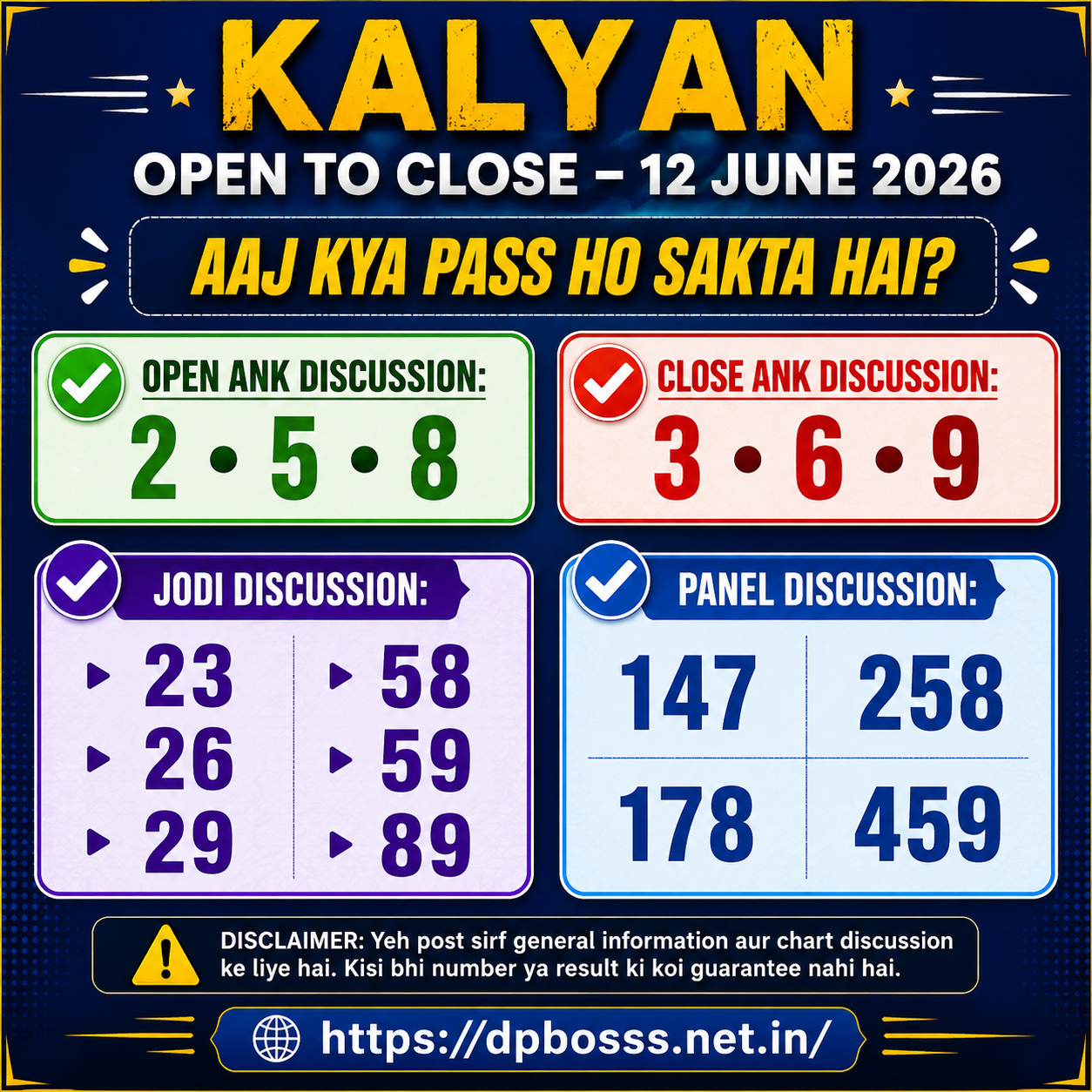
While no chart or number study can guarantee future outcomes, analyzing historical records remains a common practice among those interested in Satta Matka. This article explains how trend analysis works, what chart followers usually observe, and why number studies remain important within the community.
What Is Matka Trend Analysis?
Matka Trend Analysis is the process of examining past results to identify recurring patterns, digit frequencies, jodi repetitions, and panel movements. Rather than focusing on prediction, trend analysis aims to understand how numbers have behaved historically.
Many enthusiasts maintain records of previous results and compare them with current chart movements. By doing so, they attempt to identify trends that may continue or repeat over time.
In the world of Satta Matka, trend analysis is considered one of the most popular chart-study techniques because it helps users organize historical data into meaningful observations.
Why Number Study Is Important
A detailed number study helps chart followers understand:
- Frequently appearing digits
- Missing or delayed numbers
- Repeating jodi combinations
- Open and close digit relationships
- Historical panel movements
These observations allow users to gain a clearer picture of overall chart activity. Although trends do not guarantee future outcomes, they often become the foundation for daily chart discussions.
Key Trends Observed in June 2026
During June 2026, several chart-analysis methods have remained widely discussed among Satta Matka followers.
1. Repeating Digit Patterns
One of the most common observations involves digits that appear repeatedly within a short period.
Chart analysts often monitor:
- Consecutive digit appearances
- Weekly repeating numbers
- Monthly digit frequency
- Open and close repetition cycles
When a number appears multiple times in recent charts, it naturally becomes a topic of discussion.
2. Jodi Movement Analysis
Jodi tracking remains a major part of Satta Matka chart study.
Many followers review:
- Frequently repeated jodis
- Reverse combinations
- Mirror patterns
- Historical jodi returns
Comparing recent results with older records helps identify whether similar combinations have appeared before.
3. Panel Trend Observation
Panels provide another important area for number study.
Common panel-analysis methods include:
- Triple-digit tracking
- Repeated panel sequences
- Mixed-digit combinations
- Historical panel comparisons
Many chart enthusiasts believe panel studies help reveal broader number movement trends.
Understanding Open and Close Number Trends
Open and close digits are among the most closely monitored elements of any Satta Matka Chart.
Open Number Study
Open-number analysis generally focuses on:
- Frequency tracking
- Weekly movement patterns
- Historical return cycles
- Digit repetition trends
Analysts often compare current open numbers with older chart records to identify recurring behavior.
Close Number Study
Close-number analysis includes:
- Gap calculations
- Repetition studies
- Historical comparisons
- Monthly trend tracking
Many enthusiasts combine open and close studies to obtain a more complete understanding of chart activity.
Popular Methods Used in Number Study
Frequency Analysis
Frequency analysis involves counting how often a digit appears during a selected period.
For example:
- Weekly frequency
- Monthly frequency
- Long-term frequency tracking
This method helps identify active and inactive numbers.
Gap Analysis
Gap analysis measures the time between appearances of specific digits or jodis.
Analysts often study:
- Short return gaps
- Long absence periods
- Historical return intervals
Gap studies remain one of the most commonly used tools in Satta Matka chart discussions.
Historical Comparison
Historical comparison involves matching current chart movements with previous records.
The goal is to identify:
- Similar trends
- Repeating cycles
- Historical patterns
Many chart followers consider this technique useful for understanding long-term number behavior.
Common Mistakes During Trend Analysis
When studying Satta Matka charts, some users assume that historical trends can accurately predict future outcomes.
However, it is important to remember:
- Past results do not guarantee future results.
- Trends are based only on historical observations.
- Chart analysis should be viewed as informational research.
- No number study method offers certainty.
Understanding these limitations helps create a more realistic approach to chart reading.
Why June 2026 Trend Analysis Is Popular
With easy access to digital charts and historical databases, more people are exploring Satta Matka trends than ever before.
Popular reasons include:
- Learning chart-reading techniques
- Understanding number movement
- Discussing historical patterns
- Comparing current and past records
- Exploring digit and jodi behavior
As a result, chart analysis continues to be one of the most searched topics among Satta Matka enthusiasts.
Conclusion
The June 2026 Matka Trend Analysis and Number Study highlights the growing interest in chart reading, historical records, and number movement observation. By studying digit frequency, jodi trends, panel behavior, and gap patterns, enthusiasts can gain a deeper understanding of how numbers have behaved over time.
Although Satta Matka trend analysis cannot predict future outcomes, it remains a valuable method for exploring historical data and identifying recurring chart patterns. A disciplined approach to chart study allows users to better understand number movements while appreciating the analytical side of Satta Matka.
FAQs
What is Matka Trend Analysis?
Matka Trend Analysis is the study of historical chart records to identify recurring number patterns and trends.
Why do people study number movements?
People study number movements to understand digit frequency, jodi behavior, and historical chart activity.
Can trend analysis predict future results?
No. Trend analysis is based on past data and cannot guarantee future outcomes.
What is frequency analysis in Satta Matka?
Frequency analysis tracks how often specific digits or combinations appear over a selected period.
Why is June 2026 chart analysis popular?
June 2026 chart analysis is popular because many enthusiasts are exploring recent trends, historical records, and number movement patterns within **Satta Matka** charts.
메타데이터
- post_id
- f140cf671f9e
- slug
- june-2026-matka-trend-analysis-and-number-study-f140cf671f9e
- url
- https://medium.com/@bdp4191/june-2026-matka-trend-analysis-and-number-study-f140cf671f9e
- canonical_url
- https://medium.com/@bdp4191/june-2026-matka-trend-analysis-and-number-study-f140cf671f9e
- author_url
- https://medium.com/@bdp4191
- status
- ok
- fetched_at
- 2026-06-26 03:39:16