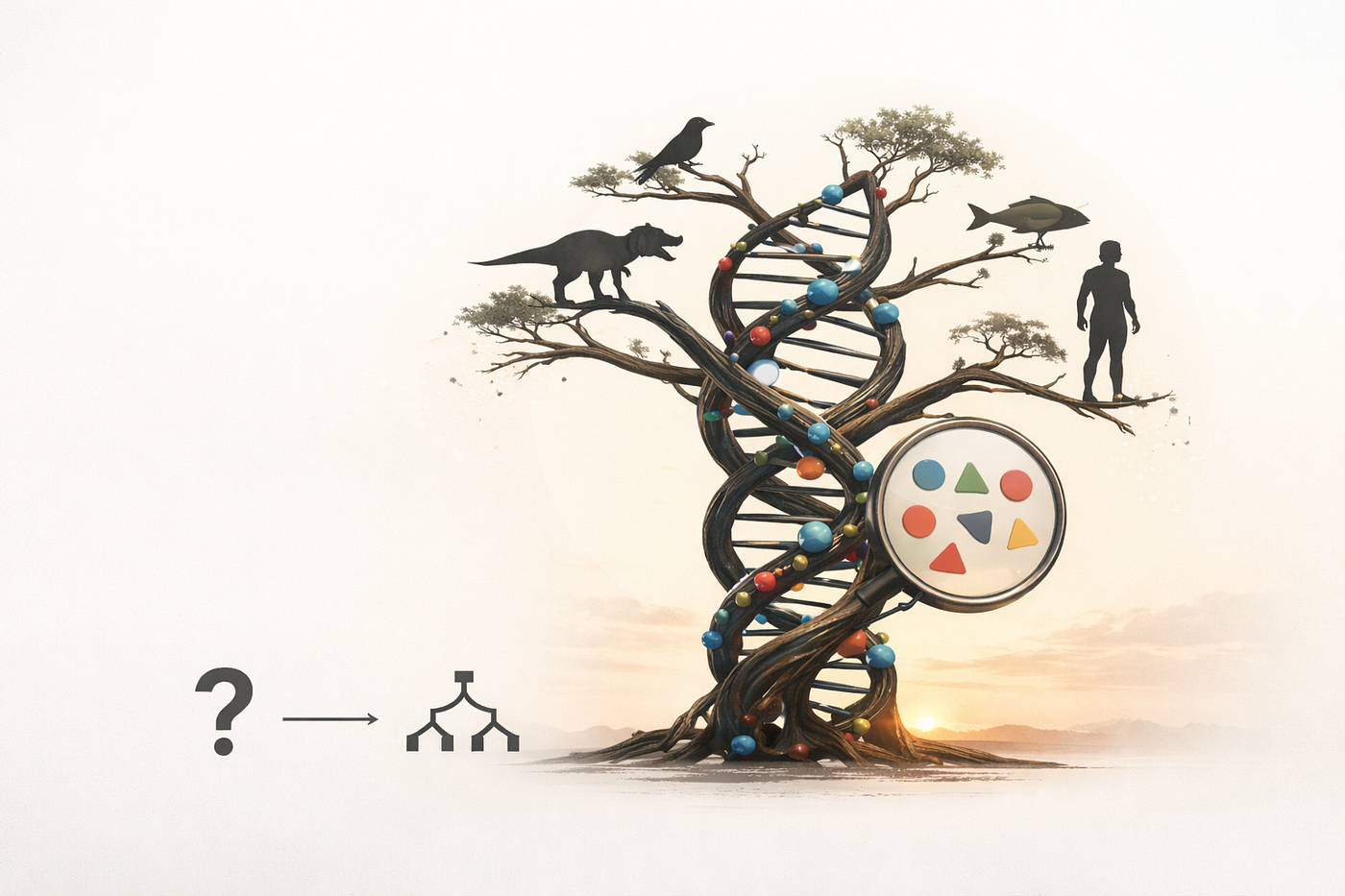
“GENETICS” PLAY IMPORTANT ROLE IN MODERN SCIENCE
magine science as a vast, intricate tapestry. Genetics are more than just a thread; they are the very thread on which the majority of the…
“GENETICS” PLAY IMPORTANT ROLE IN MODERN SCIENCE
magine science as a vast, intricate tapestry. Genetics are more than just a thread; they are the very thread on which the majority of the most compelling imagery is woven. It provides the foundational language for understanding the blueprints of life, the mechanisms of inheritance, and the stunning diversity we see all around us. At its core, genetics, the study of heredity and genes, offers the keys to unlocking the mysteries of how living organisms are what they are and how they evolve. This knowledge permeates nearly every field of science. In Biology and Evolution: This is where it all began, and genetics remains the bedrock.
Using genetics, we can unravel the intricate molecular processes that take place within cells. We can understand how DNA, the molecule of life, carries the instructions for building and operating an organism. Concepts like gene expression, protein synthesis, and DNA replication, all central to biology, are rooted in genetics.
Understanding Inheritance: While groundbreaking work by Gregor Mendel provided the foundation, contemporary genetics has shed light on the specific mechanisms by which traits are passed down through generations. We now know that chromosomes, meiosis, and fertilization all play a role in the movement and transmission of genetic information. This knowledge is crucial for understanding family resemblances, predicting genetic predispositions, and even tracing ancestry.
Driving Evolutionary Biology: The development of genetics gave Darwin’s theory of evolution through natural selection a powerful explanation. We now understand that genetic variation within populations is the raw material upon which natural selection acts. The very essence of evolution is the variation in gene frequency over time caused by mutation, genetic drift, gene flow, selection, and mutation. Genetics allows us to reconstruct evolutionary histories, understand adaptation, and explore the relationships between different species through comparative genomics.
Exploring Biodiversity: The incredible array of life on Earth is a direct consequence of genetic diversity. Genetics provides the tools to quantify and understand this diversity, identify endangered species, and develop conservation strategies. By analyzing the genetic makeup of populations, we can assess their resilience and identify threats to their survival.
In healthcare and medicine, the understanding, diagnosis, and treatment of diseases are being transformed by genetics. Understanding Genetic Disorders: Many diseases have a genetic basis, ranging from single-gene disorders like cystic fibrosis and sickle cell anemia to complex conditions like heart disease, cancer, and Alzheimer’s disease with multiple genetic and environmental factors.
Improved diagnostic tools and potential therapeutic targets are the outcomes of genetic research, which helps identify the specific genes and mutations involved. Pharmacogenomics and Personalized Medicine: Our genetic makeup influences how we respond to drugs. The goal of pharmacogenomics is to tailor drug treatments to a person’s genetic profile, thereby maximizing efficacy and minimizing adverse effects. This is the dawn of personalized medicine, where treatments are becoming increasingly specific to the patient. Gene therapy and genetic engineering: The potential for modifying genes to treat genetic diseases is enormous. Gene therapy is the process of inserting, modifying, or deactivating genes into the cells of an individual to treat disease. Genetic engineering techniques, like CRISPR-Cas9, allow for precise modifications to the genome, opening up possibilities for correcting genetic defects and developing new therapies.
Diagnostics and Screening: Genetic testing plays an increasingly important role in diagnosing diseases, predicting risk, and screening newborns for genetic disorders. Early intervention and management are made possible as a result, which improves patient outcomes. Genetics play a crucial role in enhancing crop and livestock production and ensuring food security, according to Agriculture and Food Science. Crop Improvement: For hundreds of years, genetically based selective breeding has been used to improve desirable traits in crops like yield, disease resistance, and nutritional content. Improvements can be made with greater precision and speed using current genetic methods like marker-assisted selection and genetic modification.
Livestock Breeding: Similarly, genetics plays a vital role in improving livestock breeds for traits like meat and milk production, disease resistance, and fertility. Animal breeding programs can be made more effective and long-lasting by gaining an understanding of the genetic basis for these characteristics. Pest and Disease Management: Genetic approaches can also contribute to managing agricultural pests and diseases. Genetically modified crops, for instance, can be made to be resistant to particular pesticides or herbicides, reducing the need for chemical treatments. Genetics’ influence extends even further than the conventional biological sciences. Forensic Science: The direct use of genetic variation in DNA fingerprinting has revolutionized forensic science. It plays a crucial role in paternity testing and criminal investigations because it enables the highly accurate identification of individuals. Anthropology and archaeology: The genetic analysis of ancient DNA gives us a lot of information about where humans came from, how they moved around, and how different populations interacted over time.
It helps us comprehend the genetic diversity of modern humans and piece together our evolutionary past. Genetics is used in environmental science to study the genetic diversity of populations in various environments, evaluate the effects of pollution and climate change, and create conservation and restoration plans. Predicting how a species will respond to changes in its environment requires having a thorough understanding of the genetics behind adaptation. Biotechnology and Industry: Genetic engineering has spawned a vast biotechnology industry, leading to the production of pharmaceuticals, enzymes, biofuels, and other valuable products.
The ability to alter genes has made it possible to develop novel materials and develop new industrial processes. In conclusion, genetics is far more than just a sub-discipline of biology. It’s a fundamental language that underpins our understanding of life at its most basic level. Understanding our own origins and safeguarding the planet’s biodiversity are just a few of the most pressing challenges facing humanity, and its principles and tools are essential for addressing them. As our ability to read, interpret, and even manipulate the genetic code continues to advance, the role of genetics in science will only become more profound and transformative. It’s a field brimming with potential, constantly pushing the boundaries of scientific knowledge and shaping the future of countless disciplines.Think of genetics as the ultimate instruction manual for life, written in a language we are increasingly fluent in deciphering and even editing. This mastery is having a cascading effect across numerous scientific domains. Expanding the
Biological Horizons:
Developmental Biology: Genetics is absolutely central to understanding how a single fertilized egg develops into a complex multicellular organism. Genes control the intricate choreography of cell division, differentiation, and migration that shapes tissues, organs, and ultimately, the entire body plan. Studying developmental genes and their regulation reveals the fundamental processes underlying growth, morphogenesis, and the origins of congenital defects. Techniques like gene knockouts and CRISPR-based gene editing allow researchers to precisely manipulate developmental pathways and observe the resulting effects, providing profound insights into the mechanisms of life.
Neuroscience: Genetics are increasingly being used to understand the complexity of the brain, behavior, and neurological disorders. Genes influence brain structure, function, and neurotransmitter systems. Genetic studies have identified genes associated with neurological conditions like Alzheimer’s, Parkinson’s, Huntington’s, and autism spectrum disorders, paving the way for potential diagnostic and therapeutic strategies. Furthermore, behavioral genetics explores the heritability of personality traits, cognitive abilities, and susceptibility to mental health disorders, highlighting the intricate interplay between genes and environment in shaping who we are. Immunology: Our immune system, a sophisticated defense network against pathogens, is heavily influenced by genetics. The various immune cells, antibodies, and signaling molecules that are necessary for identifying and eliminating threats are encoded by genes. Influencing susceptibility to infectious diseases, autoimmune disorders, and even cancer can be influenced by genetic variations in immune-related genes. Understanding the genetic basis of immune responses is crucial for developing vaccines, immunotherapies, and treatments for autoimmune conditions.
Microbiology: Genetics has revolutionized our understanding of the microbial world. We can gain insight into the metabolism, pathogenicity, antibiotic resistance mechanisms, and evolutionary relationships of microorganisms by analyzing their genomes. Metagenomics, the study of the collective genetic material from microbial communities, allows us to explore the vast and often unculturable diversity of microbes in various environments, from the human gut to the soil. This knowledge is crucial for understanding infectious diseases, developing new antimicrobials, and harnessing the potential of microbes for biotechnology.
The expanding influence on medicine: Cancer Genomics: Cancer is fundamentally a disease of the genome. Accumulation of somatic mutations in genes that control cell growth and division leads to uncontrolled proliferation. Cancer genomics involves sequencing the genomes of tumors to identify the specific mutations driving their growth and spread. The diagnosis, prognosis, and treatment of cancer are being reshaped by this information. Personalized cancer therapies, tailored to the specific genetic profile of a patient’s tumor, are becoming increasingly common and offer the promise of more effective and less toxic treatments.
Rare Disease Research: Many rare diseases have a strong genetic basis. Advances in DNA sequencing technologies have dramatically accelerated the identification of the genes responsible for these conditions. This can lead to more accurate diagnoses, better understanding of disease mechanisms, and the development of targeted therapies, bringing hope to individuals and families affected by rare genetic disorders.
Prenatal and Preimplantation Genetic Diagnosis: Genetic testing can be performed during pregnancy (prenatal diagnosis) or on embryos created through in vitro fertilization (preimplantation genetic diagnosis) to screen for genetic disorders. Because of this, potential parents are able to make educated choices regarding their reproductive options. While these technologies offer significant benefits, they also raise ethical considerations that require careful societal discussion.
Therapeutic Gene Editing: The development of precise gene editing tools like CRISPR-Cas9 has enormous potential for treating a wide range of diseases and correcting genetic defects in living cells. While still in its early stages, gene therapy using these technologies has shown promising results in treating certain genetic disorders, and research is rapidly advancing to explore its application in other areas, including cancer and infectious diseases. Revolutionizing Agriculture and Beyond: Precision Agriculture: Genetics is playing an increasingly important role in the move towards precision agriculture. Farmers can increase their efficiency and sustainability by making better decisions about breeding, fertilization, pest control, and resource management by comprehending the genetics of crops and livestock. Synthetic biology is a new field that combines concepts from genetics, engineering, and biology to create novel biological components, systems, and devices. From developing novel biomaterials and biosensors to producing biofuels and pharmaceuticals, synthetic biology has the potential to transform numerous industries. Genetic engineering is a fundamental tool in synthetic biology, allowing researchers to precisely manipulate the genetic circuits of organisms to achieve desired functions.
Environmental Biotechnology: Genetics is being applied to address environmental challenges. Genetically engineered microorganisms can be used for bioremediation, breaking down pollutants in contaminated soil and water. Understanding the genetic basis of stress tolerance in plants can help develop crops that are better adapted to challenging environmental conditions, such as drought and salinity.
Biomaterials and Bioengineering: Genetics can be used to engineer organisms to produce novel biomaterials with specific properties. For example, researchers are exploring the use of genetically modified bacteria to produce spider silk, a strong and lightweight material with numerous potential applications.
The Interdisciplinary Nature of Modern Genetics: It’s crucial to recognize that modern genetics is not a siloed discipline. It increasingly intersects with and relies on other scientific fields: Bioinformatics and Computational Biology: The massive amounts of data generated by modern genomic technologies require sophisticated computational tools and analytical methods for storage, analysis, and interpretation. Bioinformatics plays a crucial role in assembling genomes, identifying genes, studying gene expression, and understanding the functional consequences of genetic variations. Statistics and Mathematical Modeling: Statistical methods are essential for analyzing genetic data, identifying significant associations, and building predictive models. Predicting the outcomes of genetic perturbations and comprehending the intricate interactions that take place within genetic networks are made easier by mathematical modeling. Law, Society, and Ethics: The rapid development of genetic technologies has profound implications for society, law, and ethics. Issues such as genetic privacy, the responsible use of gene editing, and equitable access to genetic testing and therapies require careful consideration and ongoing dialogue involving scientists, ethicists, policymakers, and the public.
In essence, genetics provides a unifying framework for understanding the living world. From the smallest microbe to the largest whale, from the simplest inherited trait to the most complex disease, the principles of genetics offer fundamental insights. As our technological capabilities continue to advance, our understanding of the genome will only deepen, unlocking even more secrets of life and paving the way for transformative scientific discoveries and applications across an ever-widening range of disciplines. The journey of genetic discovery is far from over; it is an ongoing and exhilarating exploration into the very essence of what it means to be alive.
Consider genetics as a dynamic and interactive code that is constantly being read, interpreted, and influenced by the environment as opposed to a static blueprint. This dynamic interplay is a key focus of cutting-edge research and has implications across numerous scientific domains. Delving Deeper into the Interplay of Genes and Environment: The fascinating field of epigenetics looks at how environmental factors can affect gene expression without changing the DNA sequence. Chemical modifications to DNA and histone proteins (around which DNA is wrapped) can switch genes on or off, leading to heritable changes in phenotype. In the process of development, cell differentiation, and disease, epigenetic mechanisms play a crucial role. Understanding how environmental exposures like diet, stress, and toxins can leave epigenetic “marks” on our genome has big implications for how susceptible we are to diseases and whether or not new treatments can be developed. For instance, research into the epigenetics of cancer is revealing new targets for drug development.
The Microbiome and Host Genetics: The trillions of microorganisms that live in and on our bodies (the microbiome) are increasingly recognized as playing a critical role in our health and disease. Our microbiome’s composition can be influenced by our genetic makeup, which in turn can affect our gene expression and susceptibility to various conditions. Research in this area is uncovering complex interactions between host genetics and the microbiome in areas such as immunity, metabolism, and even brain function, opening up new avenues for personalized interventions through microbiome manipulation.
Behavioral Epigenetics: Extending the concept of epigenetics, behavioral epigenetics investigates how environmental experiences can alter gene expression in the brain, leading to long-lasting changes in behavior. Studies in animal models have shown that early life experiences, such as maternal care, can have profound and heritable effects on stress response and other behaviors through epigenetic mechanisms. This field provides a molecular understanding of how the environment influences behavior and may shed light on how mental health disorders develop. Genetics as a Tool for Understanding Complex Systems: Systems Biology: This interdisciplinary field aims to understand biological systems as a whole, considering the complex interactions between genes, proteins, and other molecules. The fundamental details about these systems’ components can be found in genetics, and network analysis methods aid in tracing their intricate relationships and regulatory mechanisms. By integrating genetic data with other “omics” data (e.g., transcriptomics, proteomics, metabolomics), systems biology offers a holistic view of cellular and organismal function and can help identify key drivers of disease and potential therapeutic targets.
Evolutionary Developmental Biology (Evo-Devo): This field combines evolutionary biology and developmental biology to understand how changes in developmental processes have led to the evolution of new forms and features. By comparing the genes that control development in different species, Evo-Devo researchers can uncover the genetic mechanisms underlying evolutionary innovations and gain insights into the deep evolutionary history of life. The study of “Hox” genes, which play a fundamental role in body plan organization across diverse animal groups, is a prime example of the insights gained from Evo-Devo. The Expanding Toolkit of Genetic Technologies: The rapid pace of technological innovation continues to fuel advances in genetics:
High-throughput sequencing technologies like Next-Generation Sequencing (NGS) have revolutionized genomics research by making it possible to sequence entire genomes in a short amount of time at a low cost. From identifying genes that cause diseases to comprehending the genetic basis of complex traits and studying the diversity of life on Earth, NGS is driving discoveries in all areas of genetics. Long-read sequencing technologies are further enhancing our ability to resolve complex genomic regions and structural variations.
Single-Cell Genomics: This powerful approach allows researchers to study the genetic material of individual cells, providing unprecedented insights into cellular heterogeneity within tissues and populations. Single-cell sequencing is changing how we understand development, cancer, and the immune system by revealing dynamic processes and uncommon cell types that bulk sequencing analyses obscure. Spatial genomics aims to map gene expression and other molecular characteristics within the tissue’s spatial context. By combining sequencing technologies with imaging techniques, spatial genomics provides a deeper understanding of how cells are organized and interact within their native environment, with significant implications for understanding tissue development, organ function, and disease pathogenesis.
High-Throughput Screening and Functional Genomics: These approaches allow researchers to systematically study the function of large numbers of genes. Techniques like CRISPR-based gene editing can be used in high-throughput screens to identify genes involved in specific cellular processes or disease pathways. Functional genomics aims to understand the roles of genes and their products, bridging the gap between sequence information and biological function.
Revisited Ethical and Social Considerations: As our power to understand and manipulate the genome grows, so too do the ethical and societal considerations: Genetic Privacy and Data Security: The increasing availability of personal genetic information raises significant concerns about privacy and data security. To safeguard individuals from discrimination and misuse of their information, it is essential to ensure the responsible collection, storage, and utilization of genetic data. To address these issues, solid legal and ethical frameworks are necessary. Equity and Access to Genetic Technologies: Ensuring equitable access to genetic testing, therapies, and other benefits of genetic research is a critical societal challenge. Disparities in access based on socioeconomic status, race, or geographic location need to be addressed to ensure that the advancements in genetics benefit all of humanity.
The Responsible Use of Gene Editing Technologies: While gene editing holds immense promise for treating diseases, it also raises ethical concerns, particularly regarding germline editing (making changes to genes that can be passed down to future generations). Before these technologies are widely used, careful consideration of the potential benefits and risks, as well as extensive societal discussion, are essential. versus genetic enhancement Therapy: The line between using genetic technologies for therapeutic purposes (treating disease) and for enhancement (improving normal traits) is a subject of ongoing ethical debate.
It is crucial to define this line and establish ethical guidelines for the non-medical use of genetic technologies. In conclusion, genetics is an incredibly dynamic and multifaceted field that continues to revolutionize our understanding of life and drive innovation across a vast spectrum of scientific disciplines. The power of genetics cannot be overstated, and its applications range from deciphering the intricate mechanisms of cellular function to creating individualized treatments for disease and increasing agricultural productivity. As we continue to develop new technologies and deepen our understanding of the genome, the potential for future breakthroughs is immense. But it’s just as important to have thoughtful discussions about ethics and society to make sure these powerful tools are used responsibly and for everyone’s benefit. The future of science is inextricably linked to the continued exploration and responsible application of the principles of genetics.
like to say more informative article post here, comments please thanks
메타데이터
- post_id
- f1556364db5a
- slug
- genetics-play-important-role-in-modern-science-f1556364db5a
- url
- https://medium.com/@ammajiabbaji490/genetics-play-important-role-in-modern-science-f1556364db5a
- canonical_url
- https://medium.com/@ammajiabbaji490/genetics-play-important-role-in-modern-science-f1556364db5a
- author_url
- https://medium.com/@ammajiabbaji490
- status
- ok
- fetched_at
- 2026-08-22 09:18:58