Gabbard Accuses Obama to “Treasonous” Russia Hoax Conspiracy Against Trump
In a seismic development shaking the foundations of American political memory, Director of National Intelligence Tulsi Gabbard has released…
Gabbard Accuses Obama to “Treasonous” Russia Hoax Conspiracy Against Trump

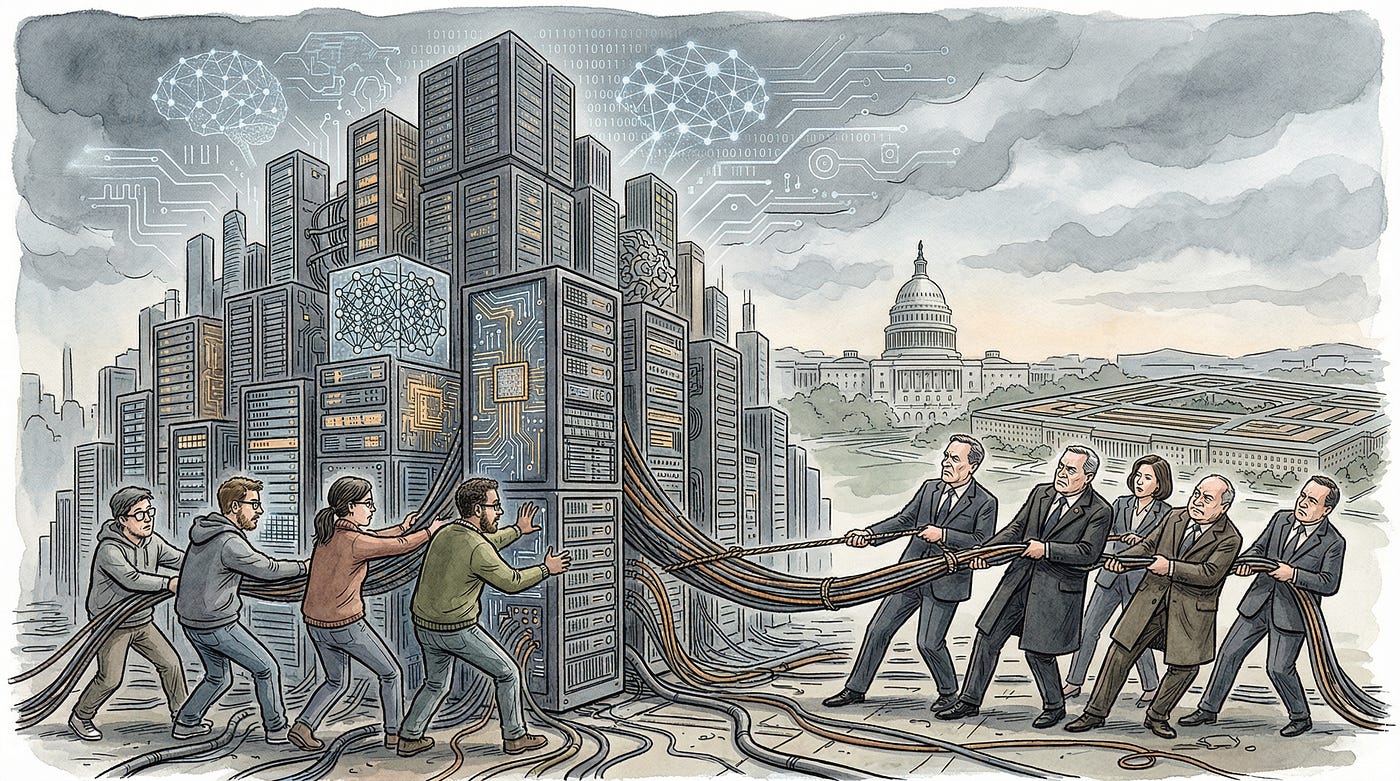
An AI-Generated Illustration created by Coby Mendoza
In a seismic development shaking the foundations of American political memory, Director of National Intelligence Tulsi Gabbard has released over 100 pages of declassified documents alleging that the Obama administration orchestrated a disinformation campaign about Russian interference in the 2016 election. According to Gabbard, the effort sought to delegitimize President Donald Trump’s victory and was executed by top intelligence officials aligned with former President Barack Obama. The newly released files include emails, intelligence memos, and briefings that suggest a systematic suppression of pre-election findings and a calculated introduction of unverified intelligence after the vote. Gabbard has characterized the operation as a “treasonous conspiracy,” igniting fierce partisan debate over its implications for democracy, public trust, and the credibility of U.S. intelligence agencies.

Image from Tulsi Gubbard
[embed]
The Core Allegation: Manufacturing Intelligence
Gabbard contends that Obama era intelligence leaders James Clapper, John Brennan, James Comey, and Barack Obama himself suppressed pre-election intelligence assessments indicating no Russian cyber threat to election infrastructure. She claims they replaced those findings with a politicized narrative designed to suggest that Russia favored Trump and interfered to assist him. This narrative pivot, Gabbard insists, was not based on newly discovered facts but rather on a strategic deployment of the discredited Steele dossier, a document packed with unverified accusations linking Trump to Russian actors. She alleges this false narrative laid the foundation for unwarranted investigations, including the Mueller probe, and perpetuated a manufactured crisis designed to destabilize the incoming Trump administration.
[embed]
Pre-Election Assessments: No Russian Interference
According to the documents, intelligence officials had repeatedly stated before November 2016 that Russia lacked both intent and technical capability to manipulate election results. An August 31 assessment concluded there was “no indication” of Russian efforts to alter vote counts. A follow-up report on September 12 reaffirmed that neither Russia nor other adversaries could conduct cyberattacks of sufficient scale to impact election outcomes. A New York Post summary of these records notes that a December 8 memo prepared for President Obama explicitly stated Russian actors did not interfere with vote tallies but that this memo was abruptly pulled and replaced with different guidance after a critical White House meeting the following day.
Gabbard maintains that this maneuver was deliberate and orchestrated from the top. On December 9, 2016, Obama met with his security cabinet Clapper, Brennan, Rice, Kerry, and Lynch among them. Following that meeting, Gabbard claims a new directive was issued to reverse the prior assessments and construct an alternate intelligence narrative focused on supposed Russian “tools” of influence.
[embed]
The Steele Dossier: A Manufactured Premise
A critical piece of Gabbard’s case is the Steele dossier, funded by the Clinton campaign and composed of unverified claims by former British intelligence agent Christopher Steele. Despite being dismissed internally by CIA analysts as based on “internet rumor,” Gabbard alleges it was knowingly inserted into the Intelligence Community Assessment (ICA) issued on January 6, 2017. This ICA concluded that Putin sought to influence the 2016 election in favor of Trump.
The insertion of the dossier into this assessment, according to whistleblower emails, was driven by Brennan and Clapper despite internal objections. Gabbard asserts this deception laid the foundation for FISA warrants against Trump affiliates, justifying an unprecedented surveillance operation against an incoming administration. The dossier’s falsehoods became a linchpin in the subsequent collusion narrative that would dominate U.S. politics for years.
[embed]
December 9 Meeting: Intelligence Gets Political
The December 9 White House meeting serves as the inflection point in Gabbard’s timeline. She alleges that this meeting marked the transition from factual intelligence to politically driven narrative. After the meeting, Clapper’s assistant instructed officials to compile a new assessment of “tools Moscow used to influence” the election — effectively rewriting the narrative with an aim to implicate Russia and Trump.
Immediately following this internal shift, leaks began appearing in outlets such as NBC News and The Washington Post, citing anonymous officials asserting Russian interference. Gabbard claims these leaks were part of a coordinated media campaign to prime public opinion and justify investigations that would cripple the Trump administration before it took office. While Mueller’s investigation eventually confirmed Russian disinformation efforts, it found no evidence of criminal conspiracy between Trump’s team and the Kremlin. Still, the media narrative had been cemented.
[embed]
Critics Push Back: Is This Political Theater?
Gabbard’s disclosure has been met with sharp resistance from Democrats who argue she is twisting facts to score political points. Senator Mark Warner and Representative Jim Himes contend that her interpretation ignores the broader scope of Russian influence operations, which included social media propaganda and email hacks. They point out that a bipartisan Senate Intelligence Committee report — led in part by then Senator Marco Rubio — confirmed that Russia launched an aggressive influence campaign during the election. This campaign, while not altering vote tallies, still posed what the report called a “grave threat” to democratic processes.
Gabbard’s focus on the lack of vote manipulation, critics argue, misses the forest for the trees. They assert she conflates disinformation with direct cyberattacks and ignores the multifaceted nature of foreign interference. Legal analysts have also emphasized that using intelligence interpretations to question election legitimacy is a dangerous precedent if not backed by prosecutable evidence.
[embed]
The Epstein Distraction Theory
The timing of Gabbard’s disclosures has prompted speculation. On the same week the Trump administration faced mounting pressure over unreleased files related to Jeffrey Epstein, Gabbard’s announcement redirected media attention. Some political observers believe the timing was deliberate, potentially intended to shield the administration from backlash. Gabbard, however, maintains that the release of the documents was driven solely by a desire to expose wrongdoing and has submitted the materials to the Department of Justice for potential prosecution.
[embed]
Institutional Trust on the Line
If proven true, Gabbard’s allegations would signal a dangerous precedent: the politicization of intelligence to undermine the electoral process. Such conduct erodes public trust and raises the specter of a “deep state” operating outside democratic accountability. Yet, her allegations also reveal just how difficult it is to separate fact from interpretation in the intelligence world. The released documents, while damning in their implications, are heavily redacted. The public remains in the dark on key aspects, and whistleblower credibility remains contested.
Supporters argue that Gabbard is performing a public service by exposing corruption, while detractors claim she is waging an ideological battle disguised as whistleblowing. As Fox News coverage shows, her disclosures are already fueling new calls for investigations into the origins of the Trump-Russia probe. But the divide is sharp and deep, with little consensus on what justice or accountability should look like.
[embed]
Echoes of Watergate
The scandal’s contours resemble those of Watergate not in its mechanics but in its symbolism. Where Nixon had break ins and cover ups, the current case revolves around data manipulation and intelligence distortion. The constitutional definition of treason — levying war against the United States or aiding enemies — may not apply here legally. But the rhetorical use of “treasonous conspiracy” packs a political punch, and for many Americans, perception now holds more sway than prosecution.
[embed]
A House Still Divided
Tulsi Gabbard’s exposé has reignited a controversy many hoped was behind us. Whether it proves to be a long awaited reckoning or a political feint remains to be seen. Her allegations challenge not only the legacy of the Obama administration but the credibility of the intelligence community and the media that amplified their claims. The stakes are enormous: the very foundation of democratic legitimacy hinges on the integrity of elections and the institutions tasked with defending them.
The question now is not whether Russia interfered — it did — but whether U.S. officials exploited that interference to stage an internal coup against an incoming president. If so, it would represent not just a partisan scandal but a constitutional crisis. The American public deserves clarity, accountability, and above all, a system that cannot be so easily weaponized by those sworn to protect it.
메타데이터
- post_id
- f166d1e15a9b
- slug
- gabbard-accuses-obama-to-treasonous-russia-hoax-conspiracy-against-trump-f166d1e15a9b
- url
- https://medium.com/@telumai/gabbard-accuses-obama-to-treasonous-russia-hoax-conspiracy-against-trump-f166d1e15a9b
- canonical_url
- https://medium.com/@telumai/gabbard-accuses-obama-to-treasonous-russia-hoax-conspiracy-against-trump-f166d1e15a9b
- author_url
- https://medium.com/@telumai
- status
- ok
- fetched_at
- 2026-06-29 22:44:20