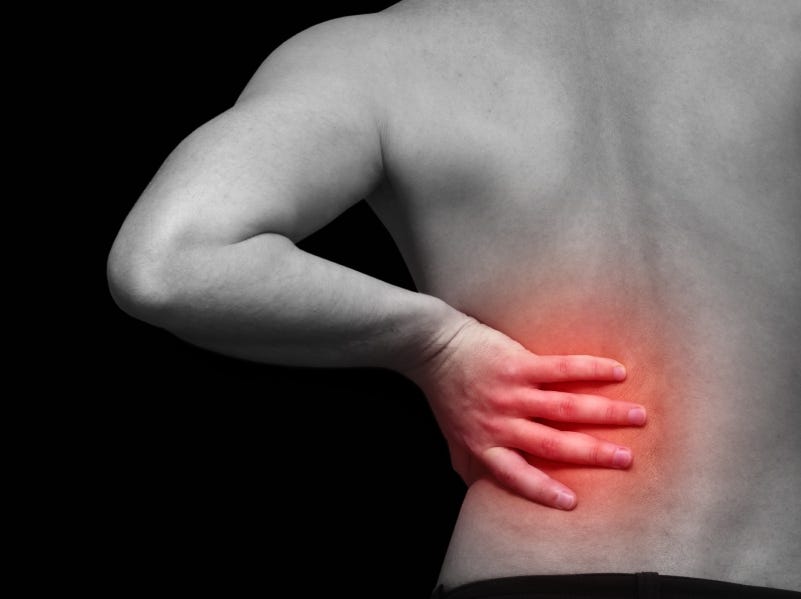
Sharp Lower Back Pain When Bending or Lifting
You bend down to tie your shoes or lift a grocery bag, and suddenly feel a sharp pain in your lower back. It may catch your breath. It may…
Sharp Lower Back Pain When Bending or Lifting

Sharp Lower Back Pain
You bend down to tie your shoes or lift a grocery bag, and suddenly feel a sharp pain in your lower back. It may catch your breath. It may force you to freeze in place. Sometimes it fades quickly. Other times, it lingers and turns into constant discomfort.
If you’re experiencing sharp lower back pain when bending or lifting, your spine is reacting to strain, pressure, or underlying weakness. While occasional soreness can happen, recurring pain is often a sign that something deeper needs attention.
The good news? Most cases improve with the right non-surgical back pain treatment, especially when addressed early.
Why Bending or Lifting Triggers Pain
Your lower back absorbs significant force during daily movements. When you bend forward or lift an object, spinal discs compress, and supporting muscles engage to stabilize your body. If any part of this system is inflamed, weak, or irritated, movement can trigger pain.
Common mechanical reasons include:
- Increased disc pressure during forward bending
- Strain on small facet joints
- Muscle overload from improper lifting
- A core weakness that shifts stress to the spine
What Sharp Pain vs. Dull Aching Back Pain Means
Understanding the type of pain you feel helps guide treatment.
Sharp Lower Back Pain
Often sudden and intense, sharp pain may indicate:
- Muscle strain or ligament sprain
- Herniated or bulging disc
- Nerve irritation
- Joint inflammation
Dull Aching Back Pain
A persistent, heavy ache may suggest:
- Muscle fatigue
- Degenerative disc changes
- Poor posture
- Chronic inflammation
Common Causes of Pain When Bending or Lifting
1. Muscle Strain
Improper lifting technique or sudden twisting can overstretch muscles or ligaments.
2. Herniated Disc
When bending forward, disc pressure increases. If a disc is weakened, it may press on nearby nerves.
3. Facet Joint Irritation
These small spinal joints help guide movement. Repetitive bending can inflame them.
4. Core Instability
Weak abdominal and pelvic muscles force the lower back to compensate.
5. Repetitive Overuse
Frequent lifting at work without proper mechanics increases long-term stress.
Identifying the exact cause is essential for effective treatment.
What Helps: Non-Surgical Back Pain Treatment Options
The majority of bending or lifting-related back pain improves without surgery. A structured approach focused on stability and inflammation control is often highly effective.
1. Targeted Physical Therapy
Therapy is the foundation of non-surgical back pain treatment. It focuses on:
- Strengthening core muscles
- Improving flexibility
- Correcting lifting mechanics
- Restoring proper spinal alignment
2. Activity Modification
Short-term adjustments can allow irritated tissues to calm down. This may include:
- Avoiding heavy lifting
- Reducing repetitive bending
- Using proper body mechanics
3. Anti-Inflammatory Strategies
Medication, ice, or heat may reduce inflammation and make movement more comfortable.
4. Postural Correction
Many people unknowingly place strain on their spine through prolonged sitting or poor standing posture. Ergonomic adjustments can relieve daily stress.
5. Spinal Injections (When Appropriate)
If imaging confirms nerve or joint inflammation, injections may reduce pain enough to allow rehabilitation to progress effectively.
Surgery is generally reserved for cases involving severe nerve compression or progressive weakness.
How to Lift Safely to Protect Your Spine
Prevention plays a major role in long-term spine health.
When lifting:
- Bend at the knees, not the waist
- Keep the object close to your body
- Engage your core muscles
- Avoid twisting while lifting
- Ask for help with heavy loads
When Should You Seek Evaluation?
While mild soreness may improve within days, seek medical evaluation if:
- Pain lasts longer than 2–4 weeks
- Early evaluation often leads to faster recovery and avoids chronic complications.
- Pain radiates into the legs
- Numbness or tingling develops
- You feel weakness in your legs
- Pain interferes with daily activities
Why Early Non-Surgical Treatment Matters
Delaying care may allow inflammation and muscle imbalance to worsen. Early non-surgical back pain treatment can: Many patients find relief through structured, conservative care when addressed promptly.
- Reduce healing time
- Prevent nerve irritation
- Avoid unnecessary procedures
- Restore normal movement patterns
The Goal: Strength, Stability, and Confidence
Pain relief is important, but true recovery means returning to daily tasks without fear of re-injury.
Effective treatment focuses on:
- Identifying the underlying cause
- Rebuilding muscular support
- Improving movement mechanics
- Preventing recurrence
With the right plan, most people regain comfort and function without surgical intervention.
FAQs
Why do I feel sharp lower back pain when bending?
Bending increases disc pressure and joint stress, which may irritate inflamed tissues or nerves.
Is dull aching back pain serious?
Persistent dull pain may signal muscle weakness, posture issues, or degenerative changes and should be evaluated if ongoing.
Can back pain from lifting heal on its own?
Mild strains often improve, but recurring or severe pain benefits from professional evaluation.
Is surgery necessary for bending-related back pain?
Most cases improve with non-surgical back pain treatment such as therapy and guided rehabilitation.
How long should back pain last before seeing a doctor?
If pain persists beyond 2–4 weeks or includes nerve symptoms, evaluation is recommended.
메타데이터
- post_id
- f1ac66e8ff37
- slug
- sharp-lower-back-pain-when-bending-or-lifting-f1ac66e8ff37
- url
- https://blog.healthmanagement.in/sharp-lower-back-pain-when-bending-or-lifting-f1ac66e8ff37
- canonical_url
- https://blog.healthmanagement.in/sharp-lower-back-pain-when-bending-or-lifting-f1ac66e8ff37
- author_url
- https://medium.com/@stlspinecare
- status
- ok
- fetched_at
- 2026-06-24 13:29:15