From Moodboard to Manifesto: Building a Living Aesthetic in the Age of Endless Shots
In a world where every scroll is another gradient, another card, another dashboard claiming originality, it is dangerously easy for a…
From Moodboard to Manifesto: Building a Living Aesthetic in the Age of Endless Shots
In a world where every scroll is another gradient, another card, another dashboard claiming originality, it is dangerously easy for a design studio to become an echo. You open Dribbble, Instagram, Behance and the rhythm is familiar: perfect corner radius, softened shadows, a hero illustration leaning at thirty degrees. It looks good. It also looks like everything else.
At 01 Design we realised very early that if we treated inspiration as a static gallery of pretty interfaces, the work would decay into repetition, no matter how polished the pixels. Our answer was to build not just a moodboard, but a universe — a living archive of references, fragments, and obsessions that continuously reshapes how we see interfaces. 01 Universe is not a folder of shots; it is the backstage of our manifesto.
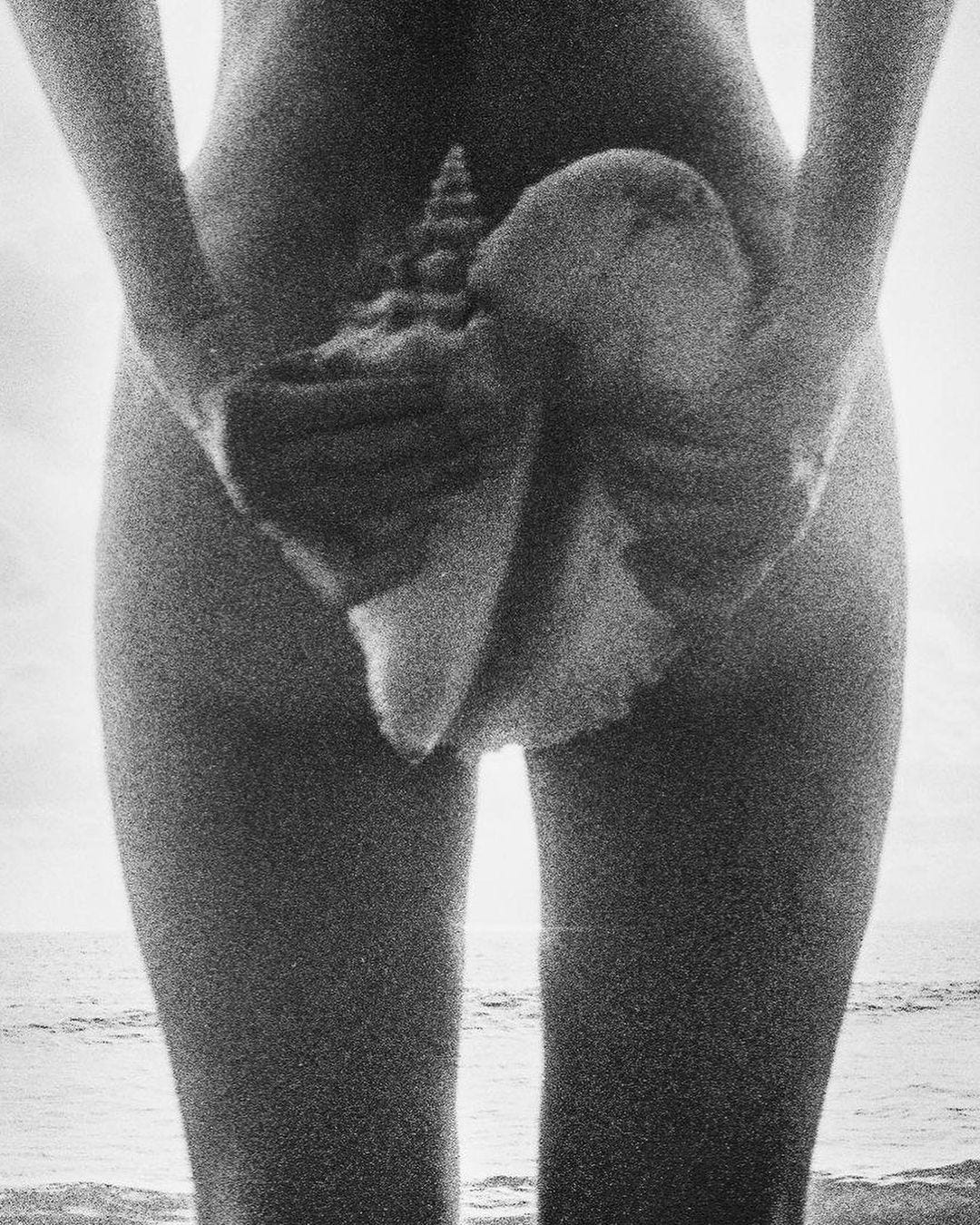
01 Universe
The journey from moodboard to manifesto is the journey from collecting to believing. It is the difference between “this looks nice” and “this is what we stand for.”
Why a Moodboard Is Never Just a Board
The word “moodboard” is misleading. It sounds like something you prepare for a single project, a collage that disappears once the design system is done and the case study is shipped. For us, a moodboard is closer to a lens. It defines how we observe the world, how we arrange chaos, what we choose to ignore and what we insist on amplifying.
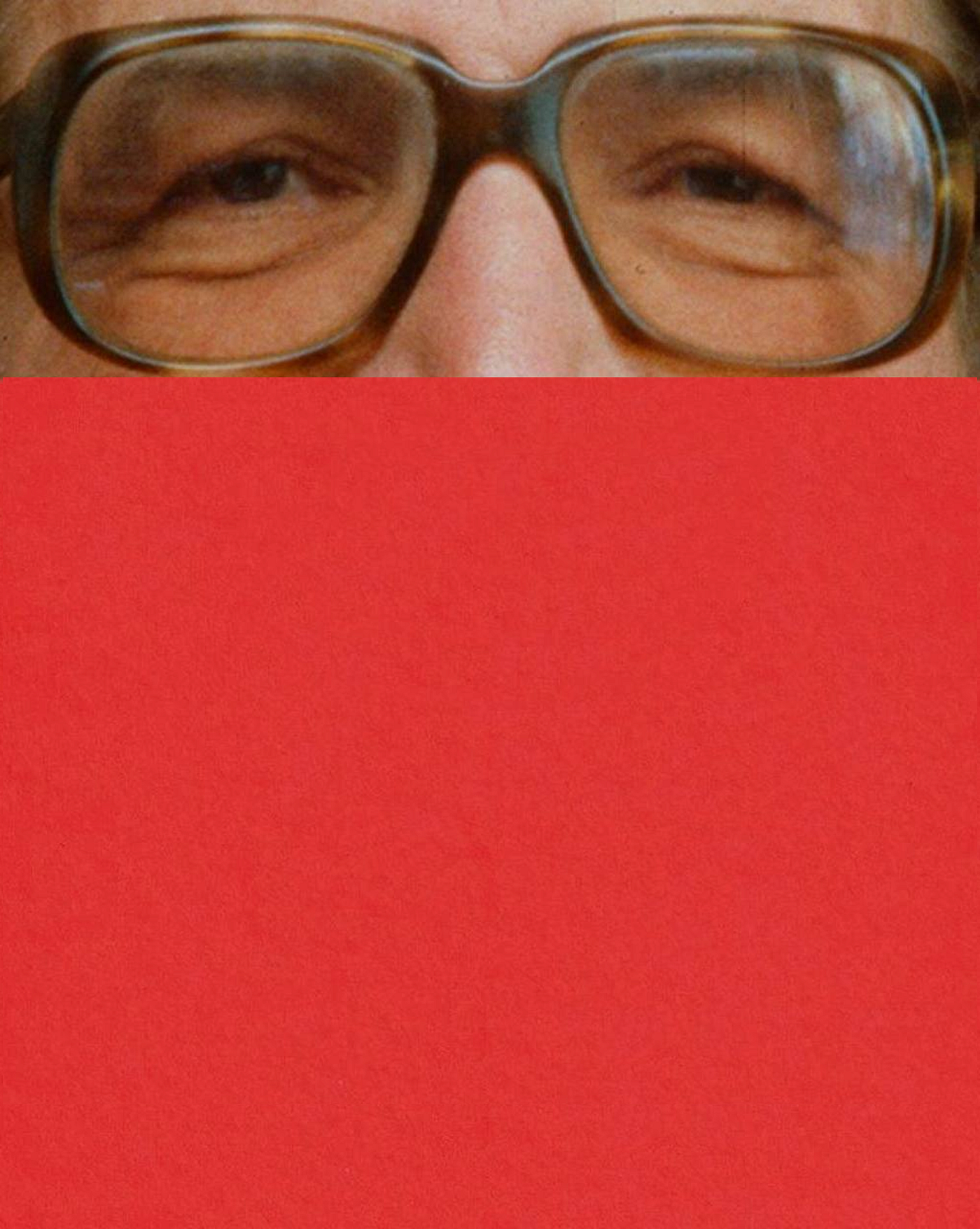
**01 Universe** began as a quiet internal habit: screenshots from films, stills from old fashion campaigns, fragments of Japanese editorial layouts, brutalist facades, photographs of hands, diagrams, religious textiles, sci-fi typography, anonymous product manuals. Nothing about it was “UI,” but everything about it was design. Over time this collection became too meaningful to remain invisible.
When we update 01 Universe, we are not curating decoration for our interfaces. We are rehearsing our taste. We are asking ourselves: What aesthetic questions matter to us right now? Where does softness meet structure? How much emptiness can a layout hold? What does timelessness look like on a screen?

01 Universe
This is why we are not interested in moodboards that start with “SaaS dashboards” and end with “SaaS dashboards.” If the inputs are narrow, the outputs will never surprise anyone.
From Aesthetic Fragments to a Studio Manifesto
Every studio that survives long enough eventually faces a choice: either you become a service that produces what the market already knows, or you become a voice that suggests what the market could become. A manifesto is the answer to that choice.
Our manifesto did not arrive as a neatly written paragraph. It appeared as patterns inside the moodboard before it became language. We noticed how often we were drawn to rigorously structured layouts softened by one unexpected element: a slanted photograph, a handwritten annotation, a material surface. We observed our obsession with editorial thinking, where typography is not simply readable but atmospheric; where a single word in the right weight and position can anchor an entire page.
We saw ourselves returning, again and again, to architecture that balances silence with gravity: Ando’s concrete, Zumthor’s shadows, Japanese domestic spaces that rely on negative space rather than ornament. We noticed how frequently fashion archives surfaced: Margiela’s deconstruction, The Row’s discipline, classic Helmut Lang campaigns where the body is framed like a piece of typography.
These patterns became sentences.
We believe interfaces can be as emotionally precise as a good photograph. We believe beauty is not an accident but a result of a well-organised system. We believe that editorial thinking brings dignity to digital products. We believe that every pixel is a negotiation between function and feeling, and that neither should win completely.

01 Universe
The manifesto is simply the verbal form of what the moodboard has been whispering all along.
Beyond Dribbble: Why We Refuse to Design in a Closed Loop
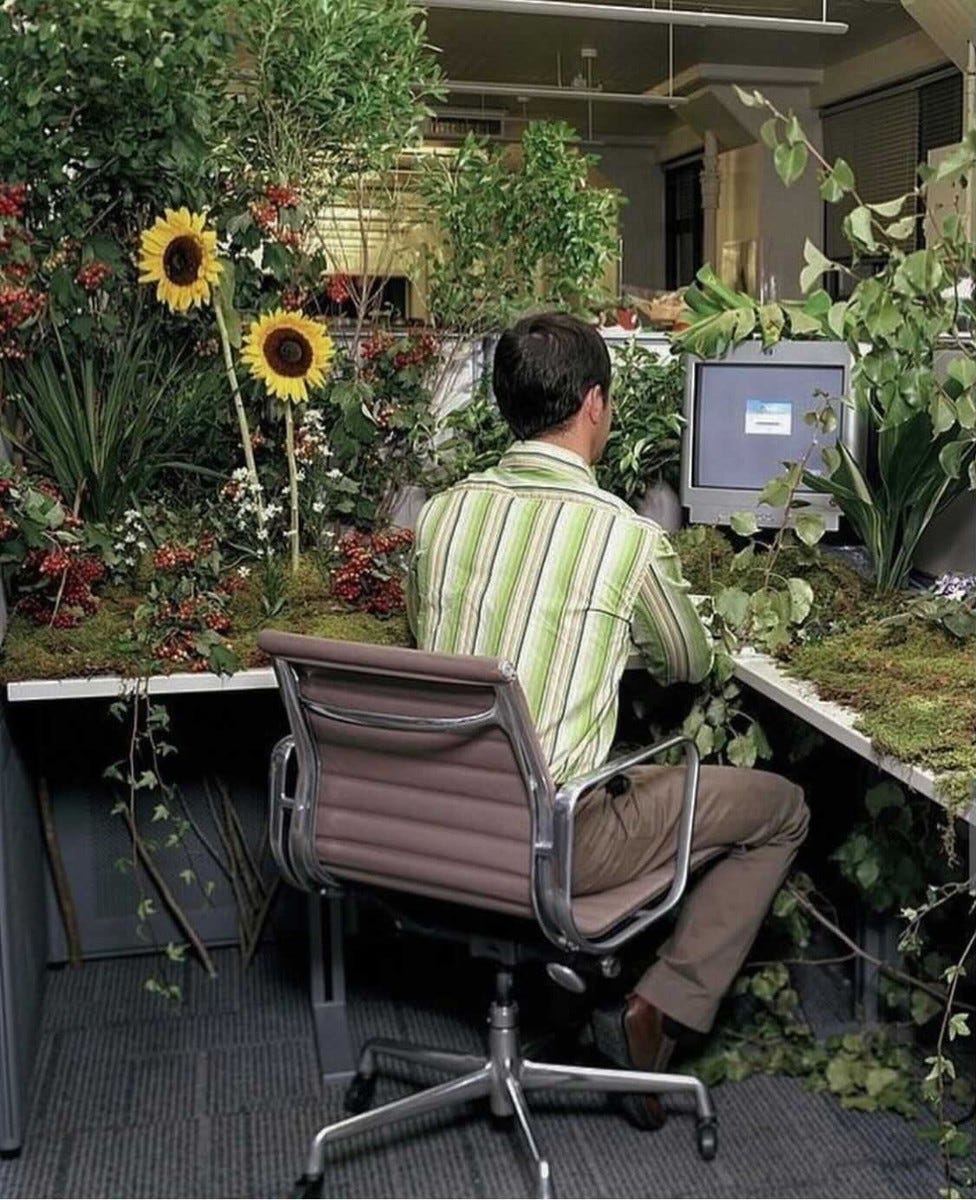
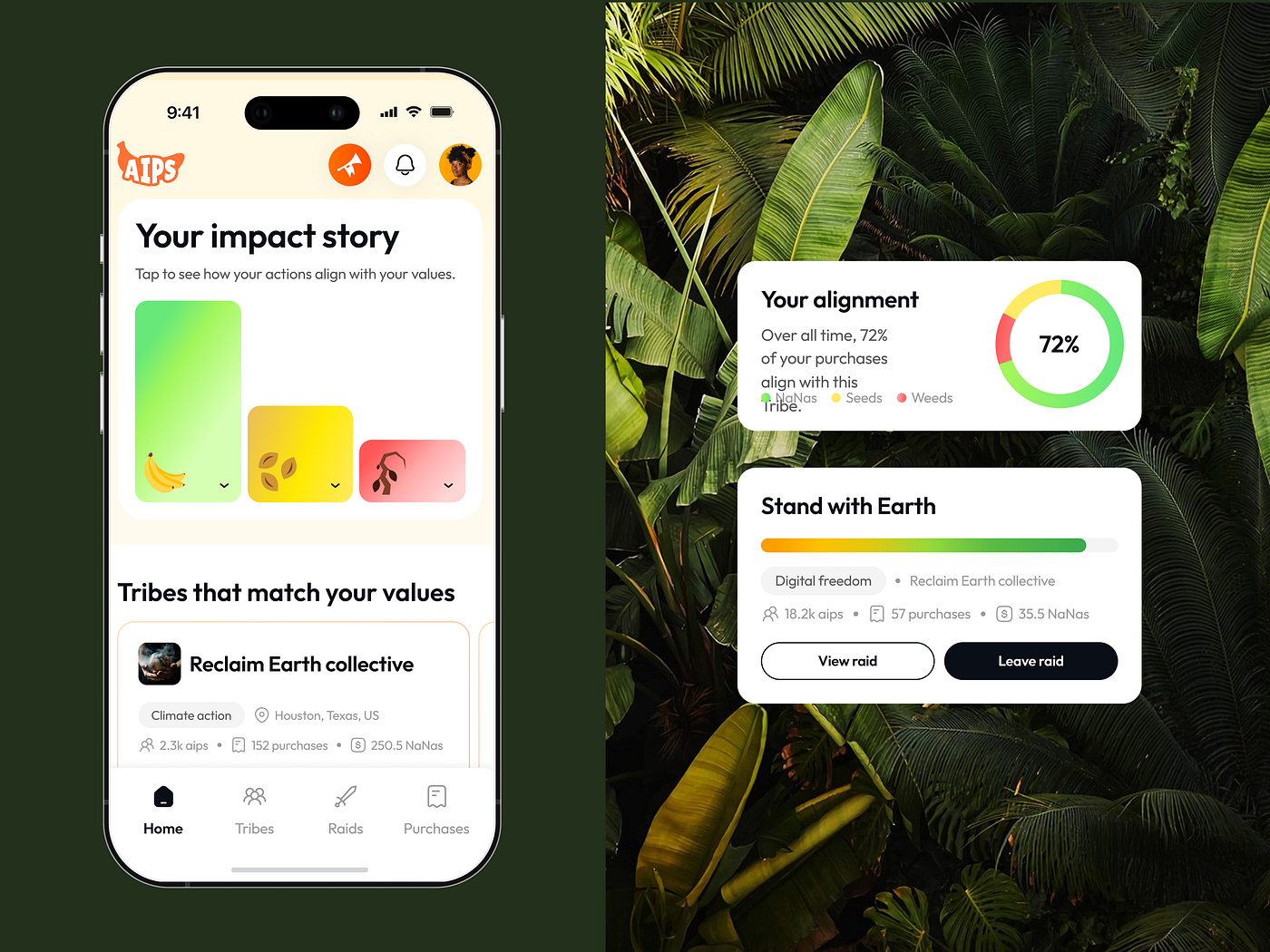
There is nothing wrong with Dribbble. It is a convenient catalogue of technique. But when designers take it as their main source of inspiration, they end up designing inside a closed loop: interfaces influenced by interfaces, endlessly refining a visual dialect that never leaves the screen.
For us, 01 Universe is a deliberate refusal of that loop. Instead of starting from what other designers are doing this month, we look sideways. We study cinematography to understand pacing, tension, and how light directs attention. We turn to fashion to see how fabric behaves, how silhouettes use proportion, how brands build entire worlds around a single seam. We spend time in archives and museums: posters, book covers, theatre programs, ritual objects, vernacular signage.
Why does this matter for interface design? Because interfaces are no longer isolated tools. They are cultural objects. A banking app is also a performance of trust. A learning platform is also a performance of curiosity. A trading dashboard is also a performance of power, risk, and consequence. If the only references we feed into their design are other dashboards, we end up repeating visual clichés instead of articulating what the product really wants to say.

01 Universe
Cross-disciplinary inspiration gives interfaces texture. It gives us shapes, rhythms, tensions that do not yet exist in product design, and that is exactly what makes them valuable.
The Practice of Uniting Disparate Sources
Gathering diverse references is the easy part. Everyone can save images. The real craft lies in uniting those sources into a coherent aesthetic that can guide everyday design decisions.
When we work on 01 Universe, we do not simply pin what we like. We ask: how does this relate to our current questions about product design? A photograph may influence how we treat contrast or shadow; a piece of typography from a Japanese magazine might dictate the way we name components in a design system, aligning language with form.
We look for structural correspondences. The way a building transitions from public to intimate space becomes a metaphor for onboarding that moves from overview to precision. The choreography of a runway show translates into a step-by-step flow for a multi-stage application. The way a film cuts from a wide shot to an extreme close-up becomes a principle for dashboard zoom levels or detail panels.
What matters is not that the reference is “beautiful” but that it carries a logic we can adapt. Modern interface design has to organise enormous complexity: data streams, edge cases, dynamic states, permissions, real-time interactions. Borrowing organisational patterns from architecture, editorial design, theatre or fashion gives us strategies that are deeper than simply choosing a new color palette.

01 Universe
When these strategies are collected, named and repeated, they become part of the studio’s DNA. They turn into the invisible rules beneath every layout we touch. That is how a moodboard becomes a manifesto, and how a manifesto becomes a design system.
01 Universe as an Open Studio, Not a Portfolio
We created 01 Universe as a way of making our internal process visible. It is not a gallery of finished work, not a polished case study. It is the notebook left open on the studio table, filled with fragments that explain why our projects feel the way they do.
For young designers, this is perhaps the most important shift. Instead of telling them: “Look at our final shots, try to replicate this aesthetic,” we are saying: “Look at what we look at. Train your eye, question your references, build your own visual logic.” The goal is not to create disciples of 01 Design, but to nurture designers who understand that real aesthetics come from deeper sources than a trending layout.
In a sense, 01 Universe is a curriculum. Each collection of references is a micro-lesson: this is how typography can feel ceremonial instead of neutral; this is how space can be used as a luxury instead of a void; this is how geometry, texture, and light can give even the most functional interface a sense of atmosphere.

01 Universe
For clients, the Universe is a quiet promise. It shows that when they trust us with a fintech platform, a learning tool, a complex B2B SaaS, we are not starting from a random template or whatever is currently getting likes. We are starting from a coherent worldview, sharpened week after week, project after project.
The Responsibility of Aesthetics in Modern Interface Design
There is a persistent myth that aesthetics sit on top of functionality, like a frosting that can be changed without consequence. But in the interfaces we design today — tools that manage money, health, work, education, identity — visual language is not decoration. It is part of the system of meaning and behaviour.
A calm, well-structured UI can lower a user’s cognitive load when they are making financially risky decisions. A thoughtful hierarchy in typography can make a complex workflow feel manageable. The right color and motion choices can build trust, signal safety, or introduce a necessary sense of urgency. A badly considered interface can do the opposite, amplifying anxiety and confusion.
Because stakes are so high, a design studio cannot afford to improvise aesthetics as an afterthought. We need a consistent philosophy of form. The manifesto that grows out of 01 Universe gives us that consistency. It aligns beauty with integrity: clean structures, precise typography, restrained color, deliberate moments of surprise.

01 Dribbble
When we say we are inspired by fashion archives or architecture or cinema, it is not an aesthetic name-dropping exercise. It is a way of saying that we recognise interfaces as part of a broader cultural ecosystem. A trading dashboard can learn something from a museum label. A calendar app can learn from traditional book design. A donation platform can learn from religious architecture and the way it guides emotion and ritual.
The more seriously we take these connections, the more responsibly we can design.
Building a Universe Instead of Chasing Trends
Trends will continue to move. Today it is glassmorphism, tomorrow it is monochrome minimalism, then it is playful gradients again. Studios that rely on trends as their main compass will always chase the next visual gesture, reshaping themselves to match the feed.
We prefer to think in terms of a universe: a stable gravitational field in which each project or experiment can orbit. Inside that universe, we can play, adapt, respond to context, but we do not lose our axis. The manifesto, informed by years of moodboards and references, is that axis.
01 Universe reminds us that our job is not only to execute client requirements, but to guard a specific sensibility: interfaces that are quietly confident, precise, art-literate, emotionally aware. It keeps us honest when shortcuts tempt us. It forces us to ask whether a new idea truly belongs to our world, or if it is simply a reflex to something we have just seen online.
In the end, this is why we share the Universe. Not as a marketing object, but as a statement of method. Anyone can show beautiful shots on Dribbble; fewer can reveal the layers of thought behind them.
Our hope is that by opening this process, we encourage a different way of thinking about digital design — one where moodboards are not just decoration walls, but philosophical tools; where manifestos are not static PDFs, but living reflections of what we choose to see, collect and care about; and where interfaces are not isolated screens, but articulate, cultured citizens in the wider world of visual culture.
From moodboard to manifesto, from reference to principle, from shot to system — this is the path that makes a studio’s aesthetic truly its own.
메타데이터
- post_id
- f1c5daa69c67
- slug
- from-moodboard-to-manifesto-building-a-living-aesthetic-in-the-age-of-endless-shots-f1c5daa69c67
- url
- https://medium.com/zero-one-design/from-moodboard-to-manifesto-building-a-living-aesthetic-in-the-age-of-endless-shots-f1c5daa69c67
- canonical_url
- https://medium.com/zero-one-design/from-moodboard-to-manifesto-building-a-living-aesthetic-in-the-age-of-endless-shots-f1c5daa69c67
- author_url
- https://medium.com/@01design
- status
- ok
- fetched_at
- 2026-06-13 07:35:29