Packing for a Safari — Easier Than You Think
By Chris Wildgen, McMaster Alumna, travel writer, photographer and tour leader.
Packing for a Safari — Easier Than You Think
By Chris Wildgen, McMaster Alumna, travel writer, photographer and tour leader.
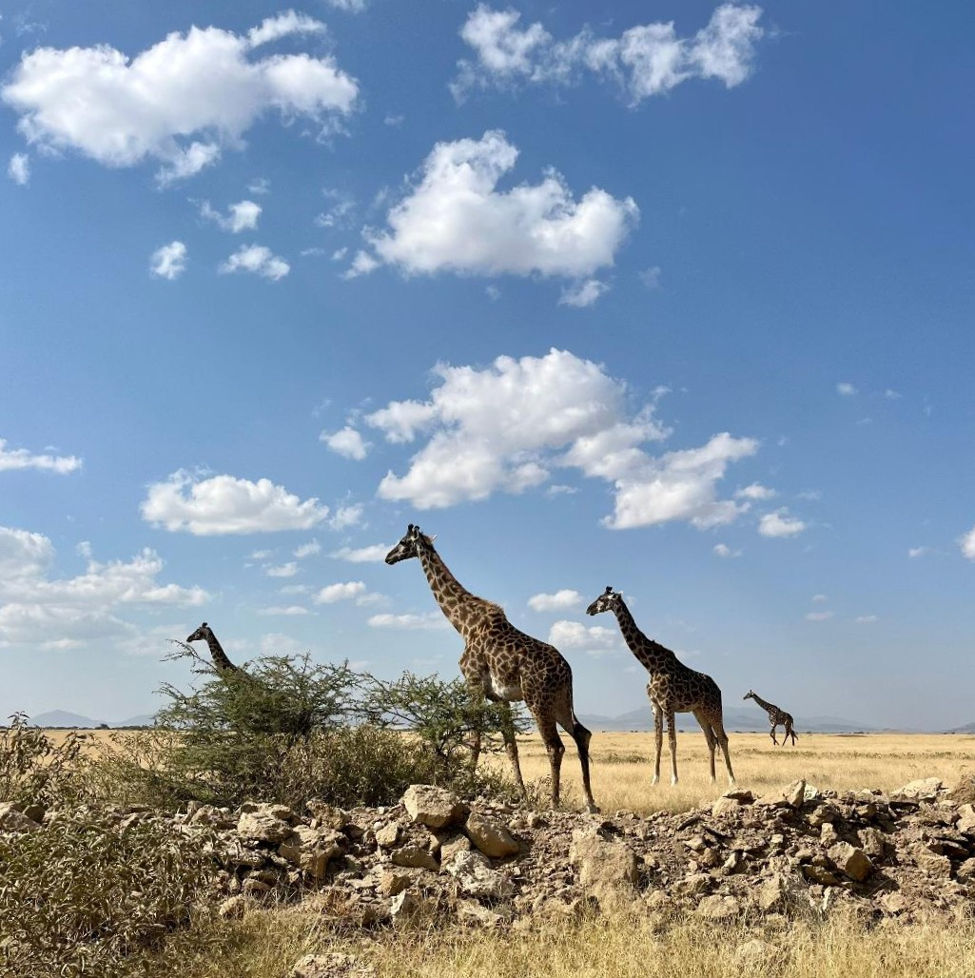
Packing to go on a safari may be the easiest packing you will ever do. The specific requirements for safari determine what luggage you use, what goes into it and what does not. A duffle bag is recommended for safari and luggage limitations of internal flights and space available in the safari vehicle prevent over-packing.
Inside that duffle bag, packing cubes make packing easier. Since Tanzania bans the use of single-use plastic bags, take extra nylon bags for laundry and shoes.
Clothing
The purpose and conditions dictate the four c’s of clothing: comfortable, casual, conservative and colours that are muted earth tones, such as khaki and beige that blend in with the environment and don’t distract, attract or repel the animals. You don’t want to be the center of attention for a wild animal! Black and blue attract tse-tse flies, so leave those colours at home.

Temperature that ranges between chilly early mornings and hot mid-days, and what can seem like endless dust on bumpy roads, hot sun, and insects mean that long sleeves and layers (windbreaker, jacket, sweater, sweatshirt ) are recommended. As the layers are peeled off, the layers can be rolled up to add some cushioning to the seat, maybe in addition to an inflatable seat cushion carried in your tote, knapsack or backpack that carries daily necessities such as strong sunscreen, electronics, camera, insect repellent with the highest DEET available, snacks, a hat and water.
To be respectful to the local people and communities, clothing should be loose fitting and conservative. It is nice to have 1 or 2 outfits for evenings, but there is no need to be dressy or formal. Casual works all the time.
For hand washing, lightweight fabrics can be washed and hopefully dry overnight. Clothing may have to dry inside the accommodation, so that an animal (a hyena, for example) doesn’t steal your socks from the rafters! (Yes, this happened.)
Closed toed, hiking-style shoes are better for rough ground and against insects, should you happen to accidentally step on a red or fire ant parade.
A neutral-coloured hat protects from the inevitable sun and glare.
Binoculars
The next thing to pack is lightweight binoculars, not only for those moments when the guide points out the twitch of a lion’s tail off in the distance, or a rare bird hiding in the brush, but because most animals will be seen from a distance that makes the weight of binoculars worthwhile all day long.
Electricity Plugs, Adaptors and Converters
A universal plug adaptor should provide all possible plug shapes but double check the country to make sure. Note that some countries have more than one plug shape.

Always check the owner’s guide for all electronic devices (cell phones, tablets, computer, battery bars and chargers) to find out if a transformer is also necessary to keep your electronics safe.
Keep a spare battery/power bar charged, in case of loss of electricity or limited electricity at some lodges. For the same reason, leave electric shavers and hair dryers at home.
Medicines & First Aid
In addition to your standard travel first aid kit and your own regular prescription medicines (with copies of the original prescription), other medications worth considering are anti-diarrhea tablets, an antibiotic for gastrointestinal illness, a strong prescription pain medication for rare emergency purposes, and medications for motion sickness, allergies or asthma. With the dusty conditions, eye drops are also a good idea. Anti-malarial medication is optional, to be discussed with your doctor after checking travel advisories for your destination.
And check vaccination records and requirements!
Miscellaneous and Optional
A bandana or a buffy serves two purposes — dry as a mask against the dust — yes, there is a lot of dust, but trust me, it’s fun — or dampened to cool down.
Sometimes the long days can get longer, so it’s always a good idea to have extra water and energy snacks. Water is usually provided by the safari operator, but it’s wise to have your own reusable water bottle.
While some people bring a small field guide and a journal to take notes, I referred to the several reference books carried by our guide, and I took notes on my phone.
My phone was also my alarm clock, very handy for the pre-dawn starts.
Lastly, locals always appreciate it when you can say a few words in their language, such as “asante”- thank you in Swahili.
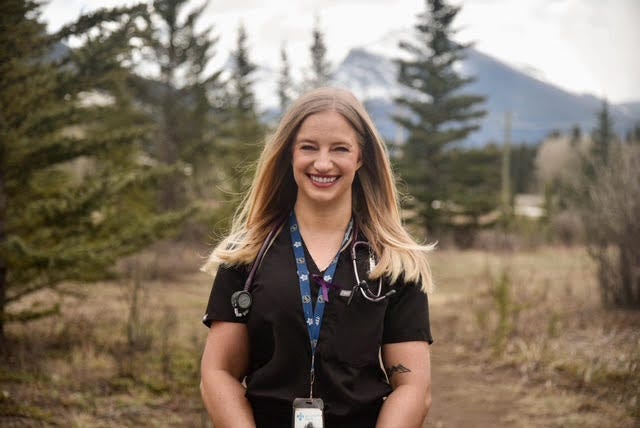
After an international career in sports medicine and sales and marketing, McMaster graduate Chris Wildgen is following her dream of connecting with people and diving into local cultures around the world through travel. Now a digital nomad, Chris is a travel writer, photographer and tour leader. With a natural flair for languages, she can converse in German, French, Italian, Spanish and English. Visit her site www.travelbetterlivebetter.com.
메타데이터
- post_id
- f1de428c3d1e
- slug
- packing-for-a-safari-easier-than-you-think-f1de428c3d1e
- url
- https://medium.com/mcmaster-alumni/packing-for-a-safari-easier-than-you-think-f1de428c3d1e
- canonical_url
- https://medium.com/mcmaster-alumni/packing-for-a-safari-easier-than-you-think-f1de428c3d1e
- author_url
- https://medium.com/@McMaster_Alumni_Association
- status
- ok
- fetched_at
- 2026-08-18 02:26:26