Why the South China Sea Arbitration Still Shapes Asia’s Future
The South China Sea remains one of the world’s most strategically important waterways, carrying a significant share of global trade while…
Why the South China Sea Arbitration Still Shapes Asia’s Future
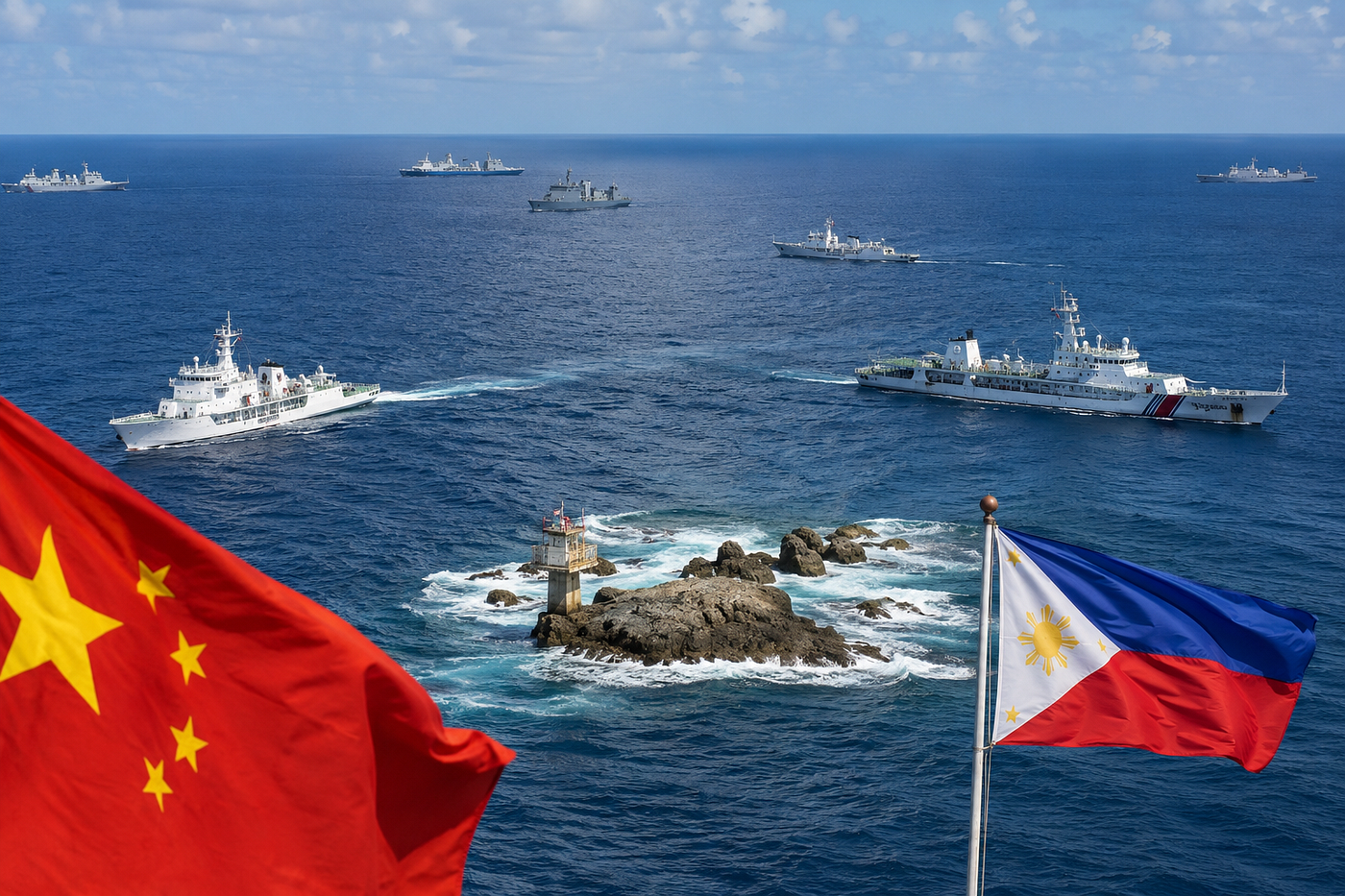
The South China Sea remains one of the world’s most strategically important waterways, carrying a significant share of global trade while serving as the focal point of overlapping territorial claims. A decade after the landmark 2016 arbitration ruling, the issue continues to influence diplomacy, security, and economic stability across the Indo-Pacific.
Recently, 14 countries and the European Union reaffirmed the 2016 Permanent Court of Arbitration ruling, emphasizing the importance of international law, freedom of navigation, and peaceful dispute resolution. While the statement received broad international support, China reiterated that it does not recognize the ruling, keeping one of Asia’s most complex geopolitical disputes firmly in the global spotlight.
The South China Sea is far more than a regional concern. Nearly one-third of global maritime trade passes through these waters, making stability in the region essential for international supply chains, energy security, and economic growth. Any escalation has the potential to affect shipping routes, global markets, and diplomatic relations between major powers.
For businesses, investors, and policymakers in both the United States and Asia, these developments deserve close attention. Rising geopolitical tensions can influence investment decisions, trade agreements, defense cooperation, and regional partnerships. As countries continue balancing national interests with international legal frameworks, the South China Sea will remain a defining issue in Indo-Pacific affairs.
The reaffirmation of the arbitration ruling also highlights the growing role of multilateral cooperation. Rather than relying solely on military deterrence, many nations are emphasizing diplomacy, legal institutions, and international partnerships to maintain regional stability. This approach reflects a broader commitment to preserving an open and rules-based international order.
Understanding the historical context behind these developments helps readers separate headlines from long-term geopolitical trends. The South China Sea dispute is not simply about territorial boundaries — it also involves international law, strategic competition, maritime resources, and global commerce.
If you’re interested in timely analysis of major geopolitical events, international relations, and breaking developments across Asia and beyond, follow Your News Platform for reliable reporting, expert insights, and in-depth coverage that keeps you informed without the noise.
As governments continue diplomatic discussions and regional cooperation evolves, the South China Sea will remain one of the most closely watched regions in the world. Staying informed through trusted news sources is essential for anyone following international affairs, business, or global security.
메타데이터
- post_id
- f1eff7cfd36f
- slug
- why-the-south-china-sea-arbitration-still-shapes-asias-future-f1eff7cfd36f
- url
- https://medium.com/@kazamabbasb/why-the-south-china-sea-arbitration-still-shapes-asias-future-f1eff7cfd36f
- canonical_url
- https://medium.com/@kazamabbasb/why-the-south-china-sea-arbitration-still-shapes-asias-future-f1eff7cfd36f
- author_url
- https://medium.com/@kazamabbasb
- status
- ok
- fetched_at
- 2026-07-19 19:02:42