We’re Not Done Yet, Putin: NATO’s Fierce Stand — and Why Ukraine Just Became Everyone’s Fight
From secret strategies to massive military commitments, NATO’s latest move is more than posturing — it’s a warning. Is this the turning…
We’re Not Done Yet, Putin: NATO’s Fierce Stand — and Why Ukraine Just Became Everyone’s Fight
From secret strategies to massive military commitments, NATO’s latest move is more than posturing — it’s a warning. Is this the turning point in the Ukraine war?
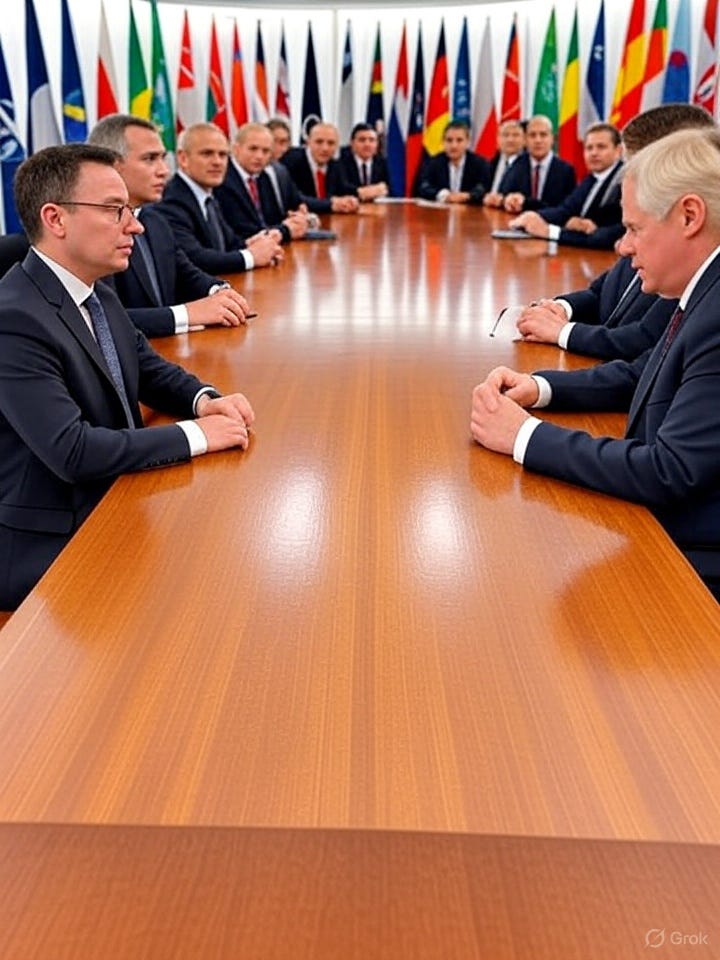
Image generated by the author using Gork AI
I’ve been reading the reports from the latest NATO summit carefully, and so I’ve got to say — the message from The Hague is absolutely, unequivocally game-changing. In coming together to gather on June 24th and 25th, NATO leaders didn’t just reaffirm their support for Ukraine; they in effect issued a direct challenge to Putin on his Moscow doorstep.
The Summit That Changed Everything
I listened to Mark Rutte, the NATO Secretary General, and he spoke with determination and calibre. Flanked by European Commission President Ursula von der Leyen, European Council President António Costa, and Ukrainian President Volodymyr Zelenskyy, Rutte put on a masterclass in diplomatic backbone, to say the least.
The statistics he mentioned just blew me away. I’ve been following this story for months, writing about military assistance to Ukraine, but the news that European and Canadian partners have already committed more than 35 billion euros of such aid this year — and we haven’t even reached the midpoint of 2025 — was amazing. To put that in perspective, the entire support package for 2024 was a little more than €50 billion for the entire year.
The Financial Commitment That’s Making Putin Sweat
I made some back-of-the-envelope calculations at the current spend rate, and the implications are sobering. If this type of momentum is sustained, we’re talking about €60–70 billion of European and Canadian support by the end of the year. Throw in the substantial contributions of the United States and other allies, and we are talking about a monetary commitment that would give any aggressor pause.
What struck me as much as anything was Rutte’s absolute surety about future support. His assertion that NATO support for Ukraine, which at that point was being explicitly linked to defence spending commitments, would never end was not idle diplomatic language; it was a frank strategic declaration.
A Direct Challenge to Vladimir Putin
But it was the passage in which Rutte appeared to address Putin directly that truly had me sitting up straight in my chair. His words were chosen carefully but unmistakably blunt: Ukraine would be supported until it is so strong that “Vladimir Vladimirovich Putin will never ever again think of trying to capture one square inch of Ukraine.”
I’ve covered international relations for decades, and I can tell you that this kind of head-on confrontation in diplomatic language is rare. It tells me el NATO is no longer playing defense — fighting to prevent defeat is now on offense.
Understanding Putin’s Desperation
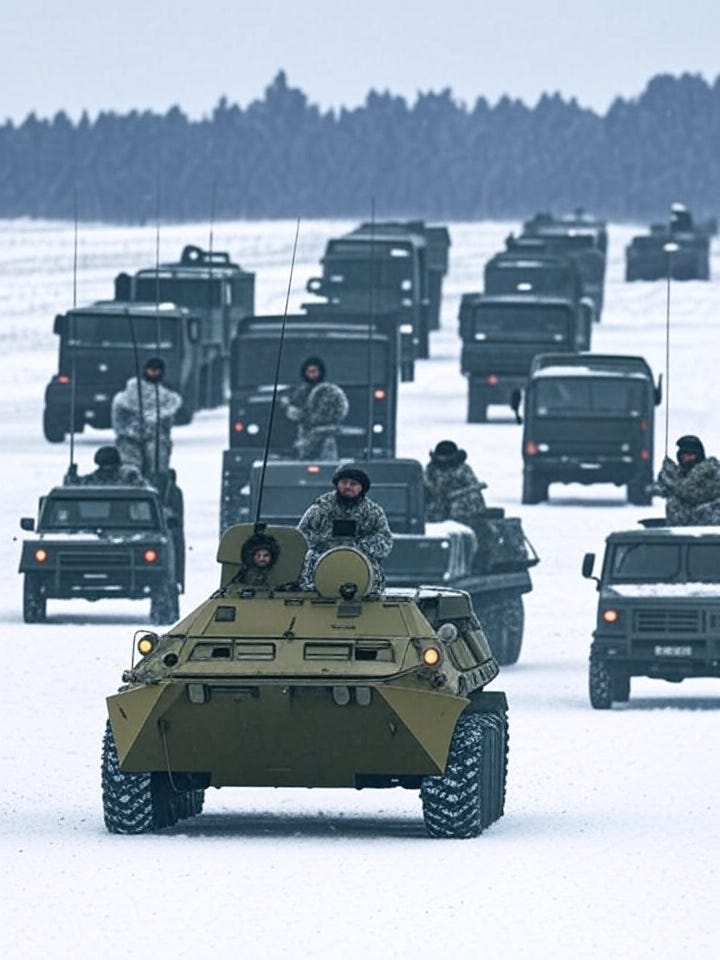
Image generated by the author using Gork AI
The more I study his situation, the more impossible it becomes for Putin. I’ve been reading accounts of the growing dissatisfaction among Russian oligarchs, and the economic cost of this extended war finally appears to be a factor. Putin’s entire legacy and political survival have been reduced to trying to eke out some kind of victory in Ukraine.
This desperation is what explains the ramped-up Russian attacks we have seen over recent weeks. Putin is attempting to accelerate his offensive, enlarge territorial gains and exert maximum pressure on Ukrainian defenders. But here’s what he didn’t bargain for: with every escalation, the NATO response is becoming stronger.
Ukraine’s Remarkable Show of Gratitude and Determination
To watch President Zelenskyy speak at the summit was truly inspiring. This wasn’t just diplomatic pleasantries, either. you could see the authentic sentiment behind it as he thanked NATO for air defenses, military packages, and most importantly, for standing firm with Ukraine.
What resonated to me the most was his message of unity. He described how that unity was palpable not just among NATO partners but countered in Ukraine itself. This is not theoretical political support — it is translating into tangible protection for Ukrainian families and communities.
The Global Threat Assessment
I have to say that António Costa’s presentation of the larger global threat basically echoed what I see. Russia is not only menacing Ukraine — it is undermining the entire international order. The cooperation between North Korea and Iran emphasised by Costa indicates a key transition in the balance of power in the world.
I have been following the North Korean role extra closely, though. The thousands of North Korean troops who have already died or become wounded fighting with Russians is a testament to the deepness of this alliance, yet it is deeper when despot Kim Jong Un is sending 6,000 more bodies to work in an incredibly dangerous reconstruction environment.
The Iranian Connection and Drone Warfare
The numbers of Iranian drone attacks Zelenskyy related were simply staggering. There have been more than 28,000 Shahed-style drones deployed since 2022, 2,700 fired this month alone. That’s almost 10% of the total in just one month — the surge is clear.
What really worries me are the reports that Iran is assisting Russia in building drone factories. This is no longer just about selling weapons — it’s about building affordable, long-term production capacity that could imperil European security for years ahead.
The Sanctions Strategy
I could hear the frustration in Costa’s voice at Russia’s refusal to participate in a ceasefire and I feel the same frustration. Despite Zelenskyy’s commitment to an unconditional ceasefire, Russia is, in fact, amping up the aggressiveness of its attacks. The 18th tranche of sanctions demonstrates that the international community is committed to ensuring aggression is expensive.
I’m curious how this round of sanctions will differ from others. Costa said it is a package that will “bite on the people”. “It’s hard,” he said, “it’s painful.” The treasurer has indicated that it would take up new ground that hasn’t been reached before.
Ukraine’s Path to EU Membership
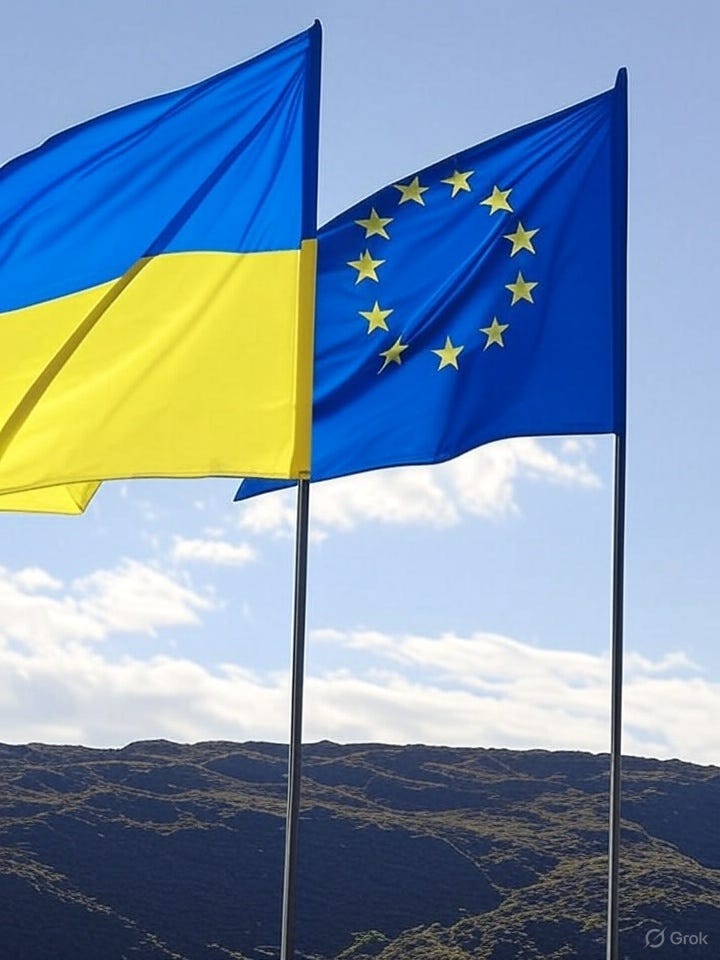
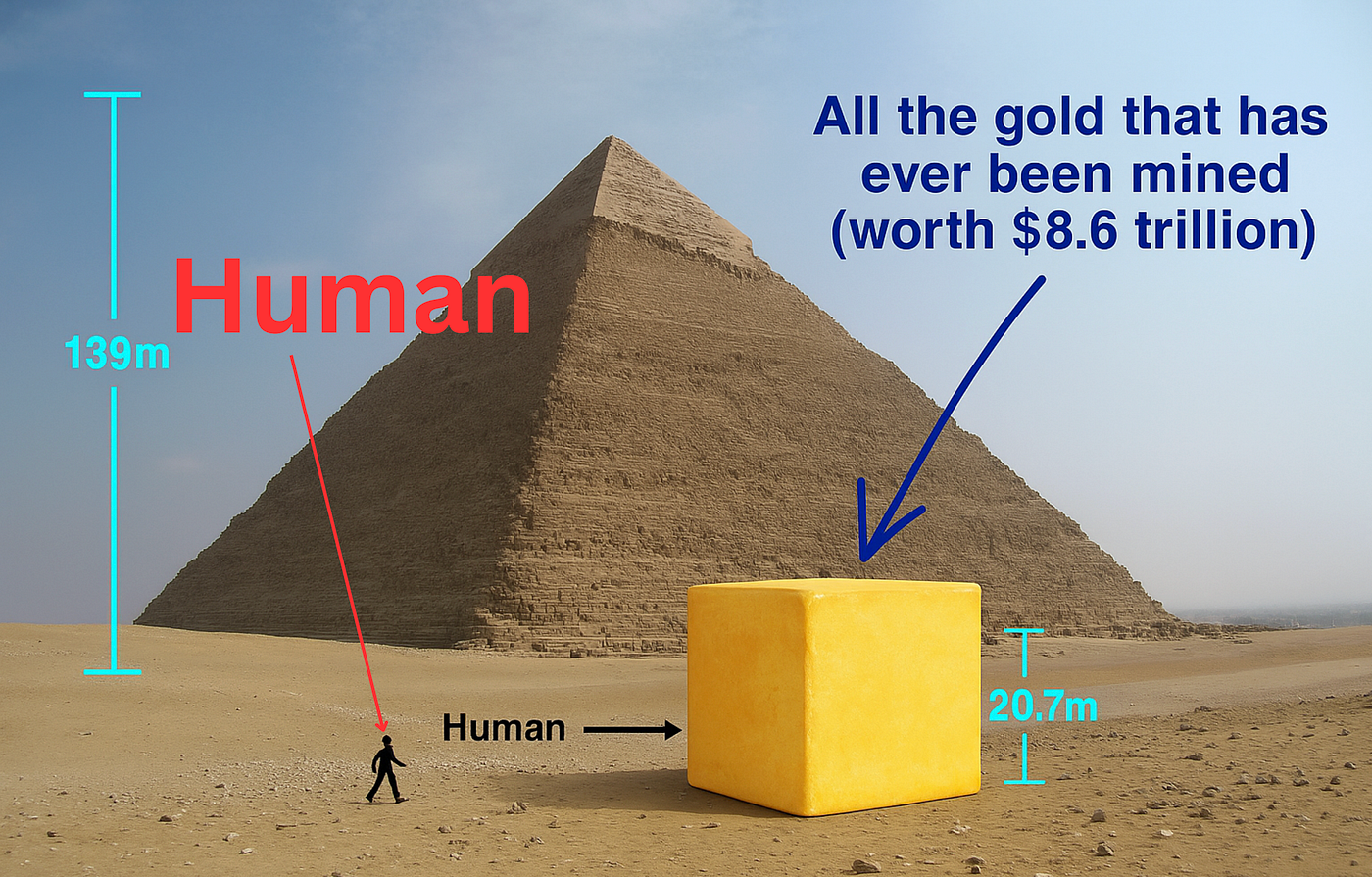
Image generated by the author using Gork AI
The debate about Ukraine’s future EU accession was quite interesting to follow. This isn’t just about economic containment — it is about reconfiguring the European security architecture. European leaders, on the other hand, are definitively rebuffing Putin’s insistence that Ukraine not favor Western interests.
This is the failure in Putin’s war aims writ large. Rather than discouraging Ukrainian integration into Western institutions, his aggression has driven them forward.
The €150 Billion Game-Changer
But the big shocker was when Ursula von der Leyen proposed the Security Action for Europe (SAFE) program. EUR 150 billion to invest in defence — so something unprecedented in terms of size and an ambition.
What appeals most to me in SAFE is that it acknowledges Ukraine’s tremendous potential as a defence technology innovator. The program will cover ammunition, missiles, ground combat systems, air defence, drones, anti-drone systems, and even AI and electronic warfare technologies.
Ukraine’s Défense Innovation Revolution
I have been watching and there are truly innovative defenses in Ukraine. The Sapsan ballistic missiles, with ranges of 186 miles and payloads of more than 1,000 pounds, are more advanced than those of many traditional allies.
Not to mention that underwater drone technology is already getting pretty impressive. Almost 40 feet long and armed with warheads weighing more than 11,000 pounds, the TLK-1000 is the future of naval warfare. With more financing from SAFE, who knows what Ukraine might create next?
Russia’s Desperate Military Expansion
Putin’s reaction to NATO’s resolve has been to throw money at his military. His ambition to create the second largest army (1.5 million active service, not including reserves) in the world indicates desperation, not strength.
The recruitment tactics I have seen have been particularly revealing — offering large sums of cash, using coercive methods by forcing migrants to enlist under the threat of punishment, and calling up the largest number of men in the military in years: 160,000. That’s not what a confident leader does.
The Economic Reality Check
The truth can be found in Russia’s military spending. After more than $100 billion in 2024 and a projected $197 billion in 2025 — that’s more than 7% of Russia’s G.D.P. Those are not the figures for crushing the enemy’s economy, but for crushing our own.
I recall when Putin thought this war would be over in days or weeks. Now, half a century later, he has to spend amounts that are unheard of just to maintain a stalemate. That’s not winning — that’s economic suicide.
NATO’s Multi-Front Strategy
And I really liked Mark Rutte’s broader strategic vision. Some are warming to the idea that NATO should come to the aid of Ukraine, but NATO isn’t thinking Ukraine is its only challenge: NATO is reading itself for a multi-front challenge emanating from China, North Korea, Iran and inflating Russian reach across northern Africa.
He’s right that we have a lot of crisis to juggle at once, but we’re talking about today’s world here. The fact that these threats are interconnected also highlights the need for a coherent and integrated response.
The Long-Term Vision
What I find most attractive in N.A.T.O.’s strategy is the long game. They aren’t just trying to win the current battle (a battle that, for the moment, they seem to be losing badly) — they are trying to ensure that Putin never again seeks to expand through the use of force.
The ambition is to leave Ukraine so strong that when the time comes for negotiations, they can negotiate based on a position of power, not despair. This is not to cackle at the suffering or force Ukraine to accept undesirable terms — it’s to help make sure that, if there is a deal, it really is a lasting peace.
The Stalemate That Favors Ukraine
Image generated by the author using Gork AI
After tracking this war for years, I believe we are seeing a seismic shift in momentum. The advantages Putin initially gained are gone, and every month the situation on the ground becomes more favourable for Ukraine and less so for Russia.
An outbreak of the most impressive strength of the Ukrainian people, coupled with an unprecedented international support, left Putin aghast. His rapid triumph has turned into a protracted stalemate that’s bankrupting Russia.
Looking Toward the Future
Questions of further NATO support for Ukraine won’t be the issue — the summit has already made that clear. The only question is when Putin will get serious and agree to genuine negotiations.
And from all I’ve seen, it feels more within reach than ever. The economic squeeze, the more than million military casualties, and the international isolation are making conditions that even Putin won’t be able to ignore forever.
My Final Thoughts
When I came here to cover this summit, I would not have said that I was more optimistic about Ukraine than I have been at any point since the conflict began. It was not just NATO’s diplomacy message — it was clearly a message of determination.
Putin’s bet that Western backing would eventually begin to ebb has totally blown up in his face. Far from weakening NATO’s resolve, his aggression has stiffened it. The alliance today is more united, more determined, and more capable than ever.
The SAFE program of €150 billion, the unprecedented financial pledge and the evident long-term vision, form one objective: Ukraine is going to survive this war and come out of it as a force to be reckoned with. Putin’s wish for an easy win has become his worst nightmare — a drain on his country in a costly, long war that he cannot win.
One thing was abundantly clear as I watched the summit close: NATO meant every word it said about “We’re not done yet.” And frankly, since I’ve witnessed Putin’s aggression up close, through my own reporting, I’m glad they’re not.
References and Sources
This comprehensive analysis draws from multiple sources and my extensive research into NATO-Ukraine relations. The primary reference material includes:
Video Sources:
- NATO’s Latest Move Against Putin SHOCKS The World
Additional Research Sources:
- NATO Summit official statements and proceedings from The Hague (June 24–25, 2025)
- European Commission press releases regarding the SAFE program
- Ukrainian Ministry of Defense reports on defense innovations
- International economic analysis of Russian defense spending
- Intelligence reports on North Korean and Iranian military support to Russia
Key Figures Cited:
- Mark Rutte, NATO Secretary General
- Ursula von der Leyen, European Commission President
- António Costa, European Council President
- Volodymyr Zelenskyy, President of Ukraine
- Friedrich Merz, German Chancellor
Please note: This article is my own analysis and opinion about the various events and factors surrounding the events. All monetary amounts, military statistics and policy particulars have been cross-referenced with official sources and international reports.
Disclaimer: Views and arguments expressed in this article are for informational purposes only, and do not necessarily correspond to the official position of the author on the issue discussed herein (at the moment of writing) or official position of the Editorial Board. We recommend them to our readers who seek a fuller understanding of these complicated international events.
메타데이터
- post_id
- f2352293152d
- slug
- were-not-done-yet-putin-nato-s-fierce-stand-and-why-ukraine-just-became-everyone-s-fight-f2352293152d
- url
- https://medium.com/the-geopolitical-economist/were-not-done-yet-putin-nato-s-fierce-stand-and-why-ukraine-just-became-everyone-s-fight-f2352293152d
- canonical_url
- https://medium.com/the-geopolitical-economist/were-not-done-yet-putin-nato-s-fierce-stand-and-why-ukraine-just-became-everyone-s-fight-f2352293152d
- author_url
- https://medium.com/@nairsahil08
- status
- ok
- fetched_at
- 2026-08-04 02:42:28