How to Level Ground for a Shed: My Step-by-Step Guide
When building a shed, one of the most important steps is to properly level the ground for the foundation. This ensures the stability and…
How to Level Ground for a Shed: My Step-by-Step Guide
When building a shed, one of the most important steps is to properly level the ground for the foundation. This ensures the stability and longevity of the shed, preventing any structural issues in the future. In this step-by-step guide, I will walk you through the process of leveling the ground for your shed, providing you with the knowledge and techniques to create a solid foundation for your outdoor structure.
Whether you are a DIY enthusiast or a first-time shed builder, this guide will help you achieve a level and stable base for your shed through careful site preparation and ground grading. You will learn about different methods to level the ground, including using concrete blocks, crushed stone, or piers. Each method has its advantages and considerations, allowing you to choose the one that suits your needs and budget.
How to Level Ground for a Shed
The Importance of Leveling the Ground Before Building a Shed
Leveling the ground before building a shed is crucial for the stability and longevity of the shed. A solid and level foundation provides a stable base for the shed and prevents unnecessary wear and tear on its structural elements. Without proper ground preparation, the shed may become unsteady and susceptible to damage from shifts in the ground. By taking the time to level the ground, you can ensure that your shed will last for many years without any structural issues or need for repairs.
When building a shed, it is essential to think about the shed foundation stability. A sturdy foundation creates a reliable base for the structure, ensuring its durability and prolonging its lifespan. By starting with a level ground, you lay the groundwork for a solid shed foundation.
Having a leveled ground is particularly important because it helps distribute the weight of the shed evenly. When the ground is uneven, the weight of the shed may concentrate on certain areas, causing structural instability. This can lead to sagging floors, misaligned doors and windows, and even potential collapse.
In addition to stability, leveling the ground also offers practical advantages. A level shed foundation makes it easier to assemble and install your shed, ensuring that all parts fit together properly. It eliminates the need for extensive shimming or adjustments during the construction process. Furthermore, a leveled ground contributes to proper drainage, preventing water accumulation around the shed, which can lead to moisture damage and rot.
By taking the time to level the ground before building your shed, you are investing in the longevity and functionality of your outdoor structure. With a leveled foundation, you can enjoy a stable and secure shed that will withstand the test of time.
Different Methods for Leveling the Ground for a Shed
When it comes to leveling the ground for a shed, there are several different methods you can choose from. Each method has its own advantages and considerations, so it’s important to select the one that best suits your needs and budget.
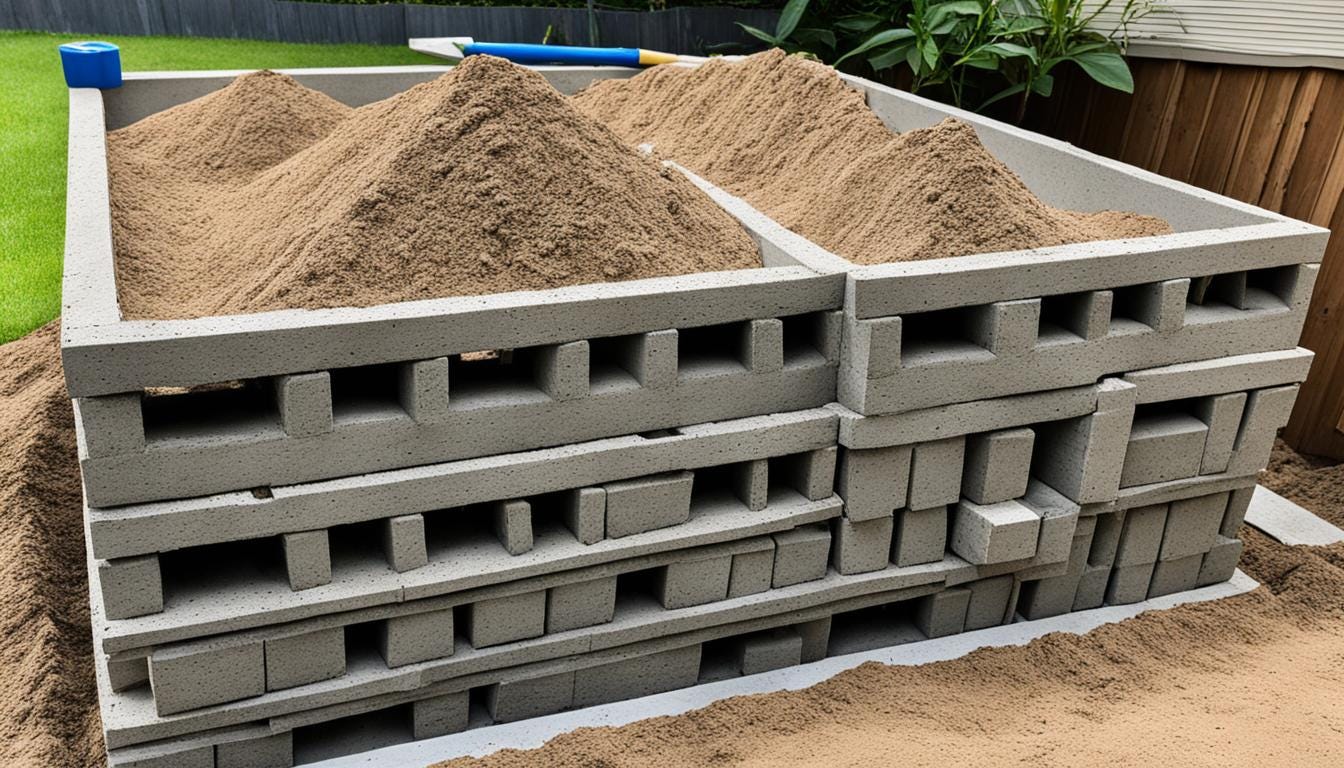
- Concrete Blocks for Shed Foundation: Using concrete blocks is a popular option for leveling the ground. Concrete blocks are easy to install, cost-effective, and provide a level foundation even on uneven ground. They are a versatile choice and can be adjusted to achieve the desired height and levelness for your shed.
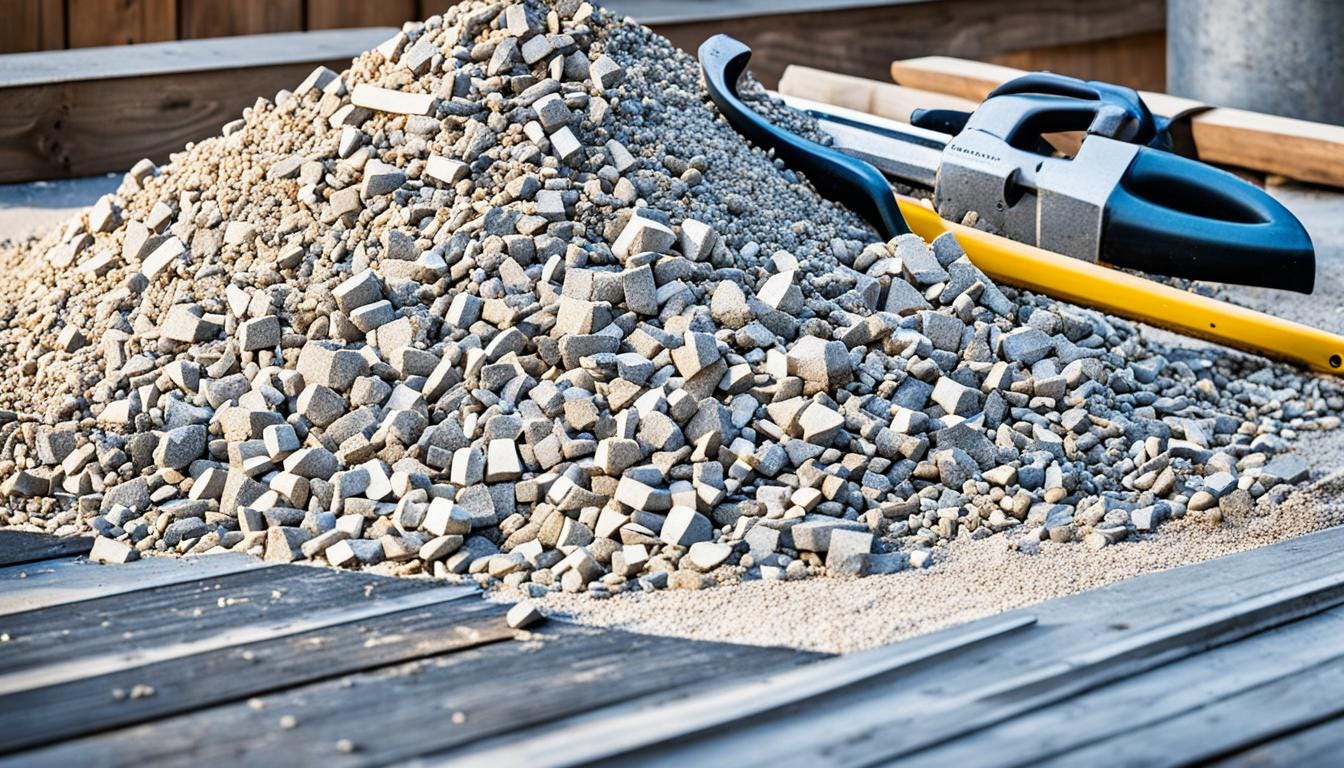
- Crushed Stone Shed Foundation: Another option is to create a shed foundation using crushed stone. This method requires a level area and involves removing the sod and topsoil, installing a border, and filling it in with crushed stone. A crushed stone shed foundation provides excellent drainage and stability for your shed.
- Concrete Slab Shed Foundation: If you plan on using heavy equipment inside your shed, a concrete slab foundation is a suitable choice. This method involves pouring a concrete slab on a level area, which provides a durable and solid base for your shed. A concrete slab foundation is commonly used for larger sheds and offers exceptional strength and stability.
- Piers for Shed Leveling: Piers are used to level shed bases on steep surfaces. They are typically made of concrete or steel and are installed at strategic points to support and level the shed. Piers are a reliable option for ensuring stability and leveling on uneven or sloping terrain.
Consider the specific requirements of your shed and the condition of your site when choosing a leveling method. By selecting the right method, you can create a stable and level foundation for your shed, ensuring its longevity and structural integrity.
How to Level Ground for a Shed
The Easiest Way to Level Ground for a Shed Foundation
When it comes to leveling the ground for a shed foundation, there are a few methods you can choose from. However, if you’re looking for the easiest and most efficient way to level your ground, two options stand out: using concrete blocks or crushed stone.
Concrete blocks: This method is incredibly straightforward and requires minimal labor. All you need to do is position the concrete blocks on the ground, eliminating the need for extensive excavation. With a few simple adjustments, you can achieve a level surface for your shed foundation. Concrete blocks are an excellent choice for DIYers looking for an efficient and cost-effective solution.
Crushed stone: While crushed stone requires a bit more preparation, it is still a relatively easy and accessible option. Start by removing the sod and topsoil from the area where you plan to install your shed. Then, install a border to contain the crushed stone. Finally, fill the bordered area with crushed stone and level it using a tamper or compactor. This method provides a stable and well-draining foundation for your shed.
Both concrete blocks and crushed stone offer a solid base for your shed and can be accomplished with minimal effort. With a little planning and the right tools, you can easily complete this crucial step in preparing your shed foundation.
Remember, a level foundation is essential for the stability and longevity of your shed. By choosing either concrete blocks or crushed stone and following the step-by-step instructions, you’ll create a reliable base that will support your shed for years to come.
Tools and Equipment Needed for Ground Leveling
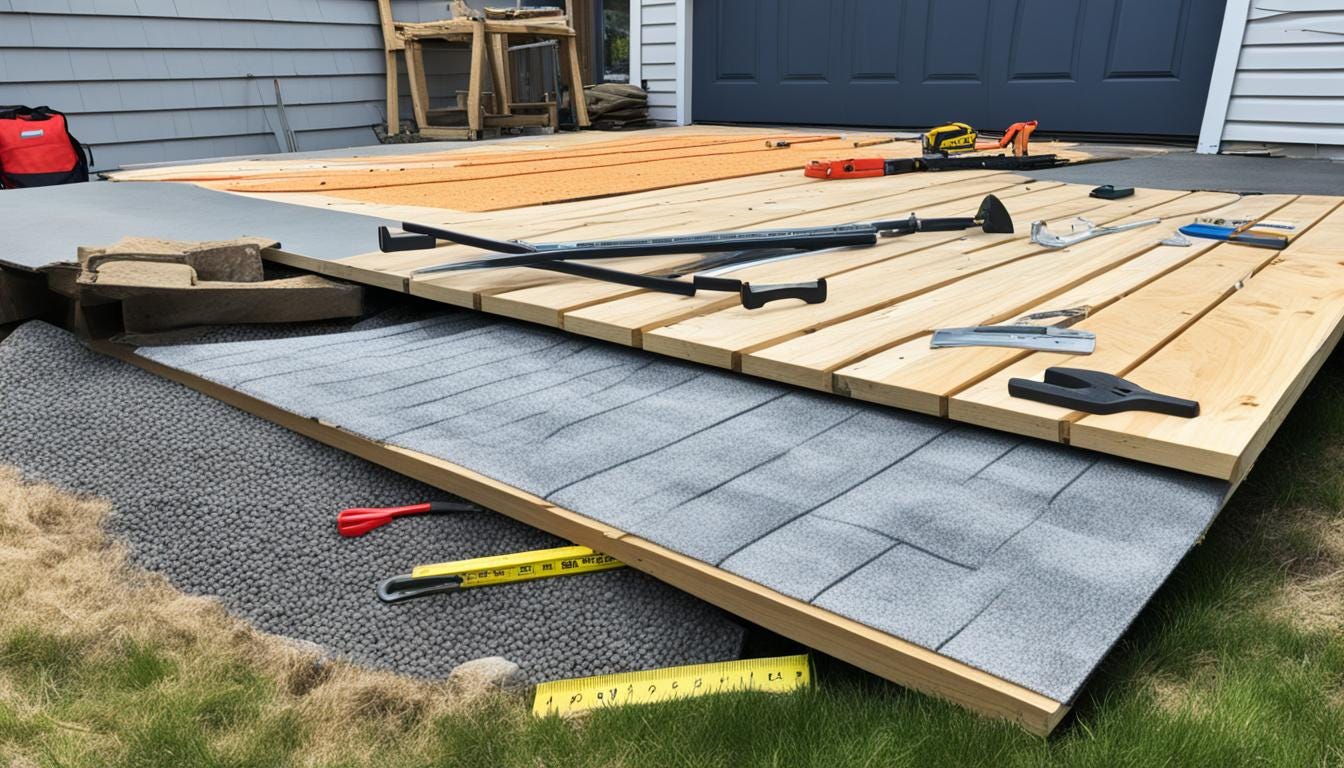
When it comes to leveling the ground for a shed foundation, having the right tools and equipment is essential. These tools will not only make the process easier but also ensure that you achieve a properly leveled foundation for your shed. Here are the essential tools and equipment you’ll need:
- A shovel for digging and removing any obstacles in the ground.
- Pea gravel to help level the ground and provide stability for the shed foundation.
- Wooden planks to create temporary supports for leveling the ground and positioning the shed.
- Spray paint for marking the boundaries and layout of the shed foundation.
- Measuring tape to ensure accurate measurements and dimensions.
- String for creating guidelines and ensuring straight edges.
- Mallet for compacting the soil or gravel and achieving a firm base.
- Tamper to level and compact the ground surface.
- Square for ensuring square corners and accurate angles in your shed foundation.
- Level for checking the levelness and ensuring a flat surface for the shed base.
Having these tools readily available will make the process of leveling the ground for your shed foundation much smoother and more efficient. Remember to use each tool properly and follow the step-by-step instructions provided to achieve the best results.
Step-by-Step Instructions for Leveling Ground for a Shed Foundation
In order to ensure a stable and level foundation for your shed, follow these step-by-step instructions:
- Choose the location: Select a suitable location in your yard for the shed. Consider factors such as accessibility, proximity to utilities, and surrounding landscape.
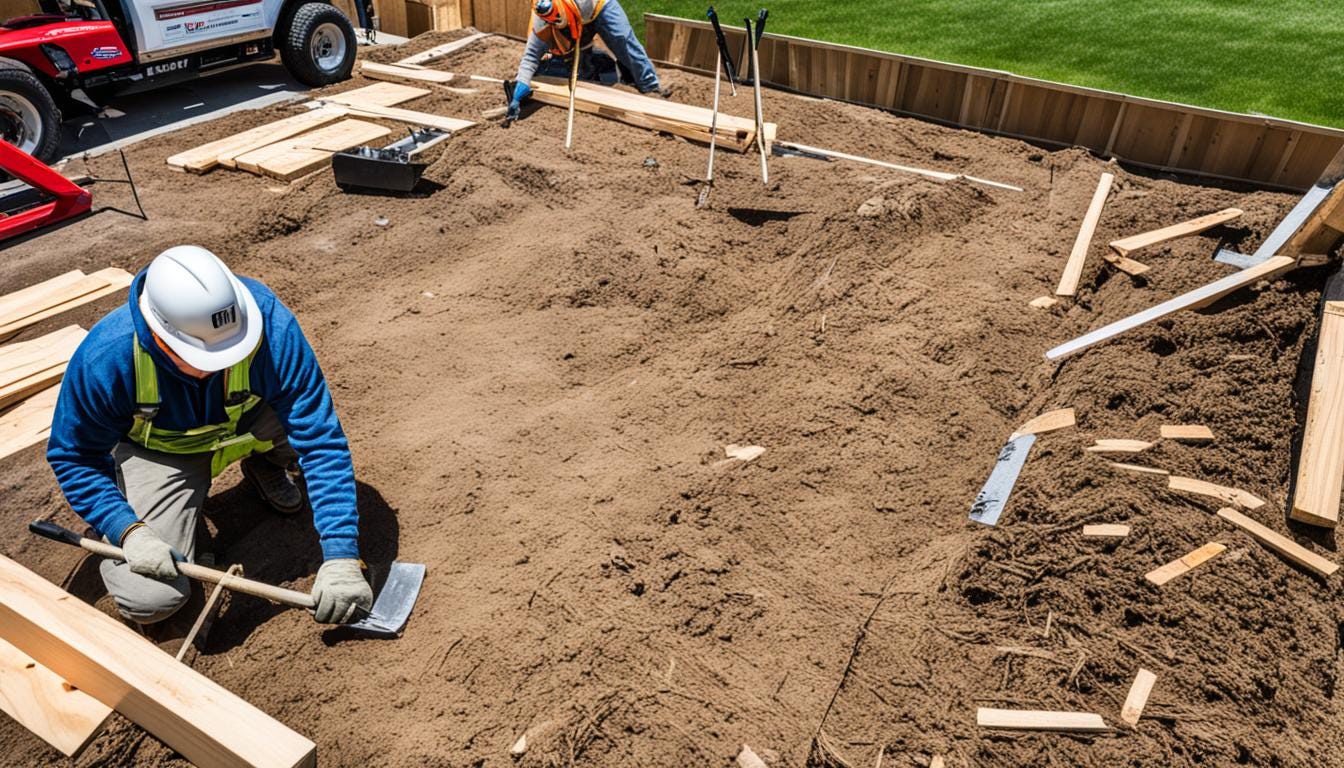
- Prepare the site: Clear the area of any debris, vegetation, or obstacles that may interfere with the leveling process.
- Measure and mark: Use spray paint, measuring tape, and string to mark the outline of the shed’s foundation on the ground.
- Excavate the site: Use a shovel to dig out the marked area, ensuring a depth that allows for the desired height of the shed’s foundation.
- Compact the soil: Use a tamper or mallet to compact the soil within the excavated area, creating a firm and level surface.
- Add a layer of gravel: Spread a layer of pea gravel or crushed stone over the compacted soil to enhance drainage and provide stability.
- Level the gravel: Use a rake or shovel to spread and level the gravel evenly across the excavated area.
- Place concrete blocks or piers: Depending on your chosen method, position concrete blocks or piers at strategic locations to serve as the foundation support for the shed.
- Check for levelness: Use a level tool to ensure that the concrete blocks or piers are perfectly level both individually and in relation to each other.
- Adjust as needed: If any part of the foundation is not level, add or remove gravel as necessary, or adjust the placement of the concrete blocks or piers.
Tips and Considerations for Leveling Ground for a Shed
When it comes to leveling the ground for your shed foundation, there are a few tips and considerations that can help ensure a successful project. Paying attention to these details will not only result in a stable and durable shed but also save you time and effort in the long run.
Consider the drainage
Proper drainage is essential for maintaining the integrity of your shed foundation. Before starting the leveling process, evaluate the natural slope of the area and make sure it allows water to flow away from the shed. If necessary, consider adding drainage channels or trenches to divert water away from the shed.
Remove organic material
Prior to leveling the ground, remove any organic material such as grass, weeds, or roots. These can decompose over time and create voids beneath the foundation, leading to uneven settling and potential structural issues. Use a shovel or a garden rake to clear the area thoroughly.
Compact the soil
After removing the organic material, compact the soil using a tamper or a hand-operated compactor. This step ensures that the ground is firm and stable, providing a solid base for your shed foundation.
Use a level frequently
During the leveling process, it’s important to check the level frequently to ensure accuracy. Utilize a long, straight board or a laser level to assess the ground’s levelness. Adjust as necessary to achieve a perfectly level surface.
Consider the load-bearing capacity
Before selecting the method for leveling your shed foundation, consider the load-bearing capacity of the ground. If you plan to store heavy equipment or tools in your shed, opt for a method that offers enough support and stability for the added weight.
By following these tips and considerations, you can successfully level the ground for your shed foundation and create a solid base for your outdoor structure. Remember that proper site preparation is key to the longevity and stability of your shed.
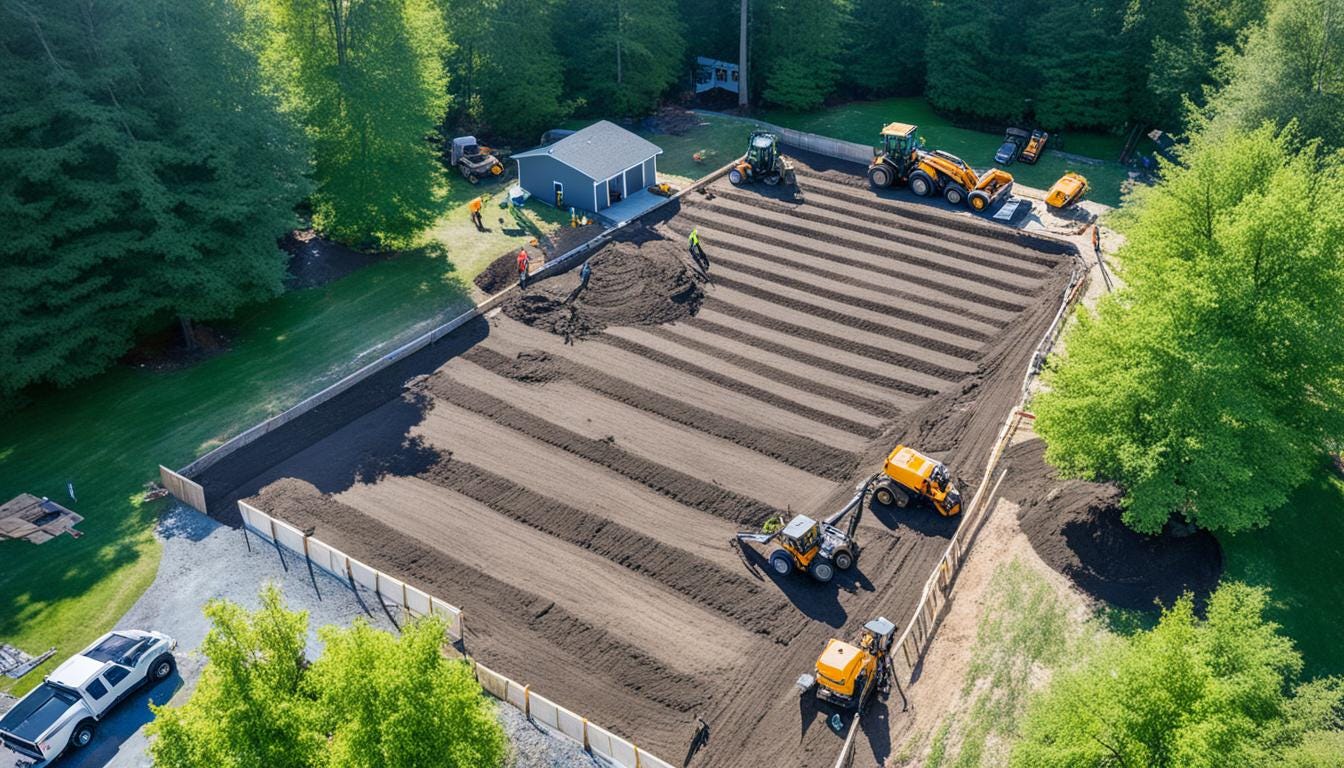
How to Level Ground for a Shed
Conclusion
Building a solid and level foundation for your shed is crucial for its stability and longevity. By following the step-by-step instructions and considering the tips and considerations provided, you can successfully level the ground for your shed and ensure a stable base for your outdoor structure. Remember to choose the leveling method that best suits your needs and budget and use the proper tools and equipment for the job. A properly leveled shed foundation will provide you with a durable and functional outdoor space for many years to come.
Other Articles People Have Read:
메타데이터
- post_id
- f273eef9b2fa
- slug
- how-to-level-ground-for-a-shed-my-step-by-step-guide-f273eef9b2fa
- url
- https://medium.com/@desks/how-to-level-ground-for-a-shed-my-step-by-step-guide-f273eef9b2fa
- canonical_url
- https://medium.com/@desks/how-to-level-ground-for-a-shed-my-step-by-step-guide-f273eef9b2fa
- author_url
- https://medium.com/@desks
- status
- ok
- fetched_at
- 2026-07-27 07:49:50