What Are the Effects of Kroto on Birds? Here’s the Explanation!
What Are the Effects of Kroto on Birds? Here’s the Explanation! — For songbird enthusiasts, kroto has long been known as one of the…
What Are the Effects of Kroto on Birds? Here’s the Explanation!
What Are the Effects of Kroto on Birds? Here’s the Explanation! — For songbird enthusiasts, kroto has long been known as one of the favorite supplementary feeds.
Many bird lovers believe that kroto can improve a bird’s performance, from stamina to voice quality, making the bird more active and vocal (“gacor”).
However, behind its benefits, many people still do not fully understand the effects of kroto on birds when it is given regularly or excessively.
There are many cases where birds become more vocal after consuming kroto, but there are also cases where birds experience problems such as becoming overly aggressive or difficult to control due to over mating drive (OB/over birahi).
Therefore, it is very important for songbird enthusiasts to understand both the positive and negative effects of kroto.
This article will discuss in detail the effects of kroto on birds, including its benefits, risks, and safe feeding tips to keep birds healthy and performing optimally.
The Effects of Kroto on Birds That You Should Know
Kroto is the egg of weaver ants, which is rich in protein and nutrients. These nutritional contents make kroto a popular supplementary feed, especially for songbirds undergoing intensive care or conditioning.
However, before discussing further, it is important to understand that every bird has different physical conditions and nutritional needs. The effects can also vary depending on the dosage, frequency, and type of bird itself.
When given in the right amount, kroto can provide many benefits for birds. Its high protein content is excellent for supporting growth and maintaining the bird’s overall health. Below is an explanation of the positive effects:
- A high source of protein, which is very beneficial for growth and maintaining the health of songbirds
- Helps feather growth, making feathers grow faster and appear smoother
- Improves the bird’s immune system, so it is less likely to get sick
- Makes birds more vocal (“gacor”), especially for birds experiencing a loss of singing performance
- Increases stamina and energy, making it suitable for active birds or those that frequently participate in competitions or contests.
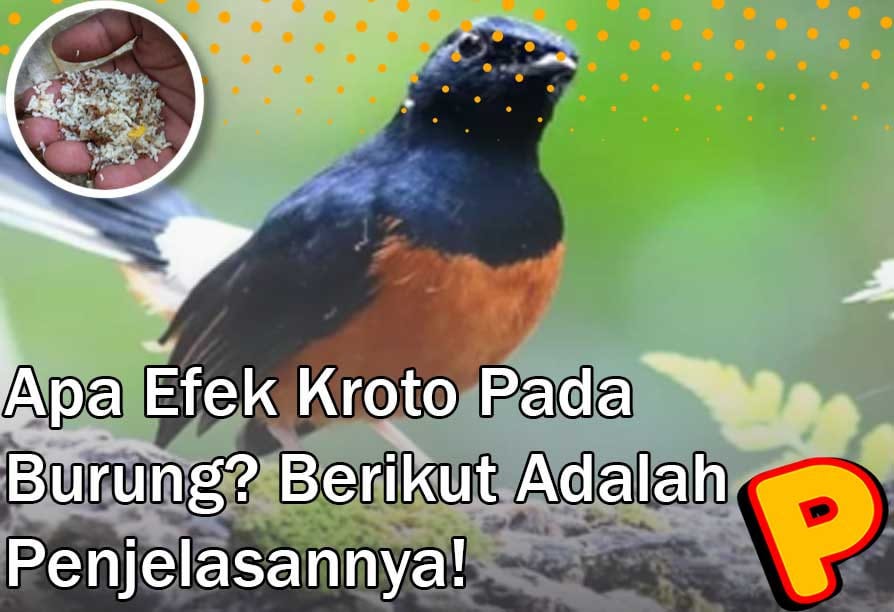
effects of kroto
We have also written an article about the protein content of kroto, which is highly beneficial for birds. Before we discuss the negative effects on birds, you should also read the full article about the nutritional content of kroto.
Negative Effects of Kroto on Birds
Although kroto has many benefits, giving it in excessive amounts can also cause negative effects. Overfeeding kroto can actually lead to serious problems. Too much protein intake can cause birds to become overly sexually excited or aggressive (over birahi/OB).
This condition can make birds restless, stressed, difficult to control, and in extreme cases, it can even lead to death. Below is a more detailed explanation:
- Over-mating drive (OB) due to excessive protein intake
- Birds become stressed and restless, making them difficult to calm inside the cage
- Increased aggressive behavior, such as frequently hitting the cage bars
- Hard to control during competitions, especially in birds with a hot temperament
- Digestive problems, if kroto is given too often
- Feed dependency, where the bird refuses to eat pellets/regular feed (voer) and only wants kroto
Safe Ways to Give Kroto for Optimal Effects
To ensure kroto provides benefits without causing negative effects, the key lies in controlling the portion size and feeding frequency.
Kroto should be used as a supplementary feed, not the main diet. It should be given in small amounts and not every day.
It is also important to adjust feeding based on the bird’s condition. If the bird appears too aggressive or shows signs of over-mating drive (OB), kroto should be stopped temporarily.
Combine kroto with high-quality pellets (voer) and other feeds so that the bird’s nutrition remains balanced. The explanation is provided below:
- Give kroto as a supplementary feed, not as the main diet
- Provide it only 2–3 times per week
- Use small portions, avoid overfeeding
- Adjust according to the bird’s species and condition
- Stop temporarily if the bird shows signs of over-mating drive (OB) or excessive aggression
- Always combine it with high-quality pellets (voer) and other natural feeds
FAQs
- Is kroto safe for songbirds? Yes, as long as it is given in the correct amount and frequency.
- What are the signs that a bird is getting too much kroto? The bird becomes aggressive, restless, and difficult to control.
- Can kroto replace pellets (voer)? No. Kroto is only a supplementary feed, not a replacement for voer.
Originally published at https://papadut.com on February 3, 2026.
메타데이터
- post_id
- f2e7f341cdc8
- slug
- what-are-the-effects-of-kroto-on-birds-heres-the-explanation-f2e7f341cdc8
- url
- https://medium.com/@papadut/what-are-the-effects-of-kroto-on-birds-heres-the-explanation-f2e7f341cdc8
- canonical_url
- https://medium.com/@papadut/what-are-the-effects-of-kroto-on-birds-heres-the-explanation-f2e7f341cdc8
- author_url
- https://medium.com/@papadut
- status
- ok
- fetched_at
- 2026-07-13 06:23:13