Stop Wasting Money on Flat Referral Bonuses: Here’s What Works in 2026
The Binance & Bybit Strategy: How Tiered Commissions Outperform Flat Bonuses
Stop Wasting Money on Flat Referral Bonuses: Here’s What Works in 2026
The Binance & Bybit Strategy: How Tiered Commissions Outperform Flat Bonuses
This article is adapted from Issue 3 of Nailing Growth, a weekly newsletter on psychology-led referral and retention systems. Subscribe here
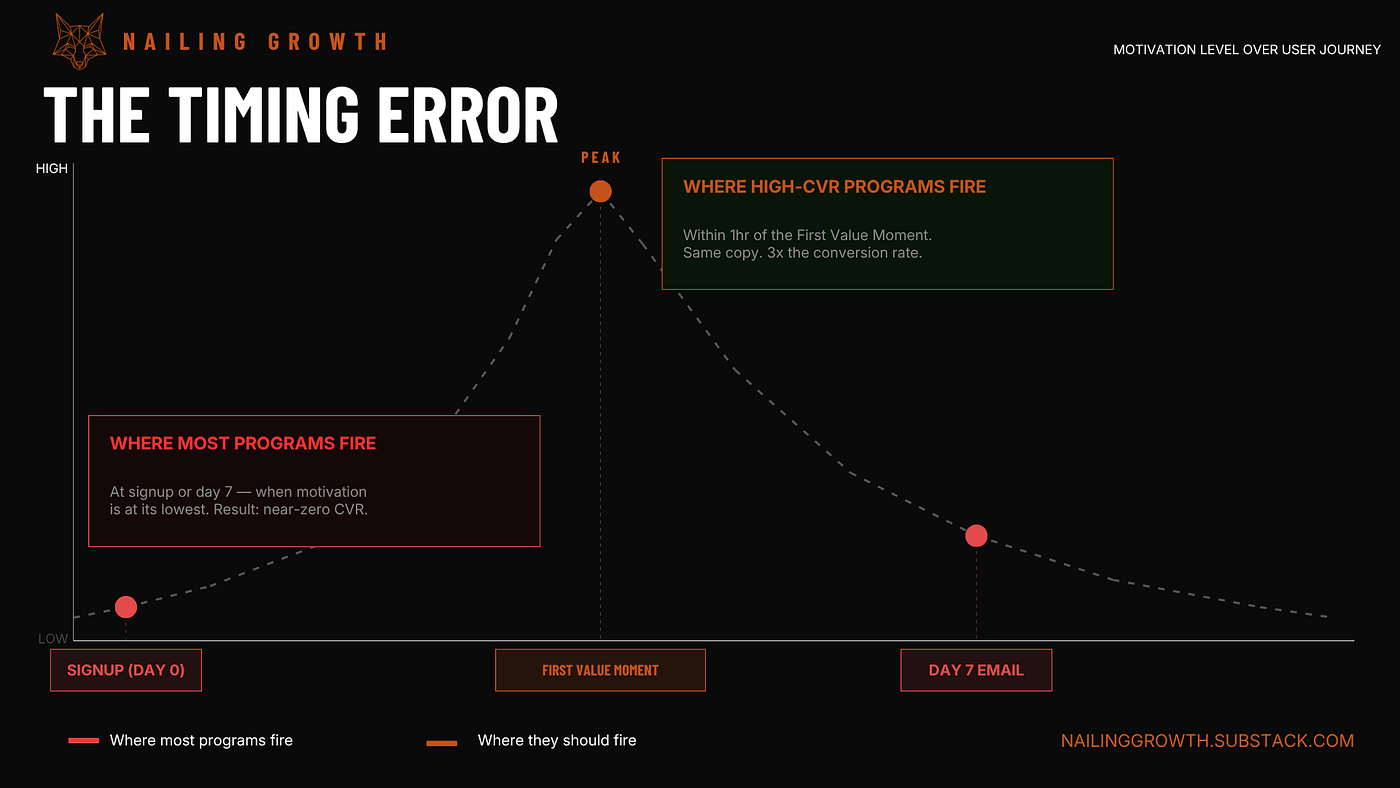
The week-six flatline is one of the most predictable patterns in referral marketing. You launch a campaign. The first month is encouraging. The curve looks exactly like a healthy growth spike. Then it bends. By week six, sometimes sooner, referral volume has returned to near-baseline and the team is already planning the next campaign.
Most teams diagnose this as an audience problem, a copy problem, or a channel problem. They’re all wrong. The problem is the reward structure itself.
Why flat rewards decay
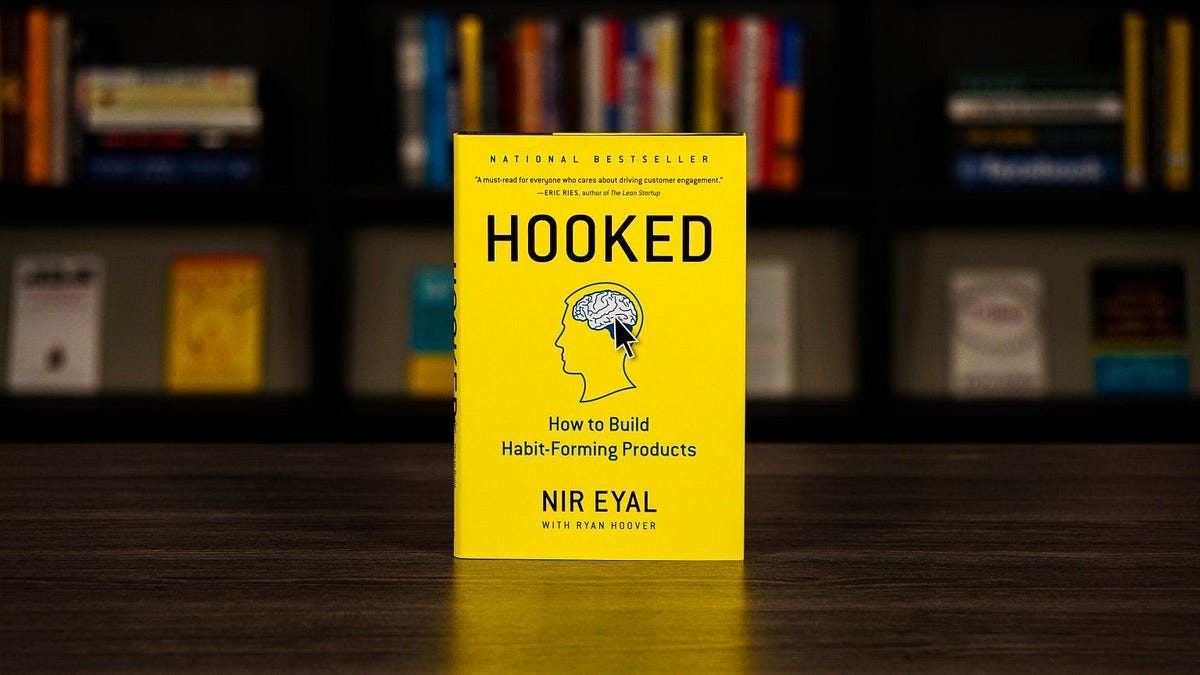
Nir Eyal’s HOOKED model is widely cited for its habit loop: trigger, action, reward, investment. What most people misapply is the reward component. Eyal is explicit: the reward must be variable. Not generous. Not well-designed. Variable.
The psychology behind this is hedonic adaptation, the brain’s tendency to normalise repeated stimuli. A $50 referral bonus that is always $50 stops being experienced as $50 very quickly. Within two or three cycles, the user has priced it in as background noise. It no longer creates the anticipatory response that drove the original behaviour. The incentive hasn’t changed. The brain’s relationship to it has.
This is why HOOKED-model products from slot machines to TikTok to Duolingo are built around variable intervals and variable rewards. The uncertainty is the feature. When the outcome is unknown, the brain stays engaged with the possibility.
Your flat referral bonus eliminates that uncertainty by design. “Refer a friend, get $20” is transparent and easy to communicate. It’s also, psychologically, spent as a driver of behaviour within 60 days of the campaign’s first cycle.
What Binance and Bybit built instead
Both exchanges run multi-tier referral systems. Refer one person and unlock a base commission rate on their trading fees. Refer more, hit usage thresholds, and the rate compounds. The path to the next tier is visible, but the actual reward each week is uncertain, because it depends on how much referred users trade.
That uncertainty is not accidental. It means the referrer has a behavioral reason to check the program tomorrow, not just today. The reward doesn’t feel like a fixed transaction, it feels like an ongoing relationship with a variable outcome.
The result is a distinctly different decay curve. The flat-bonus crypto product generates a large first-month spike driven by the referrer’s existing social graph, then silence. The tiered variable structure generates a smaller initial spike and a tail that extends months further, because there’s always a behavioral reason to continue. Same product category. Same referral mechanic in principle. Completely different psychological architecture.
The 90-day diagnostic
Pull your referral program’s weekly volume over the last 90 days and plot it.
The shape of the curve tells you what kind of structure you have. A campaign pulse, spike at launch, decay within four to six weeks, indicates a predictable reward structure. Users acted on the initial incentive, exhausted their immediate social graph, and stopped because there was no behavioral reason to continue.
If your curve is campaign-shaped, the fix doesn’t require a complete redesign. Start with one variable element: a tier threshold that unlocks a better rate, a streak mechanic that rewards consecutive months of successful referrals, or a commission structure that scales with referred-user activity rather than a flat signup payment. Pick one. Test it against the flat control.
The question you’re answering is not whether variable reward works, the behavioral science on that is settled. The question is where variable reward fits in your product’s referral flow without adding friction that kills conversion.
I publish this kind of breakdown every week in Nailing Growth. If you’re building referral systems for a SaaS or fintech product, it’s written for you. Subscribe here
메타데이터
- post_id
- f31acf648800
- slug
- stop-wasting-money-on-flat-referral-bonuses-heres-what-works-in-2026-f31acf648800
- url
- https://medium.com/startup-insider-edge/stop-wasting-money-on-flat-referral-bonuses-heres-what-works-in-2026-f31acf648800
- canonical_url
- https://medium.com/startup-insider-edge/stop-wasting-money-on-flat-referral-bonuses-heres-what-works-in-2026-f31acf648800
- author_url
- https://medium.com/@nailing-growth
- status
- ok
- fetched_at
- 2026-06-09 15:37:30