I Spent a Week in Shanghai With Zero Cash — Here’s What Actually Happened
The latte cost 38 RMB. I scanned a QR code, the barista nodded, and I walked out with my coffee in under three seconds. No card insertion…
I Spent a Week in Shanghai With Zero Cash — Here’s What Actually Happened
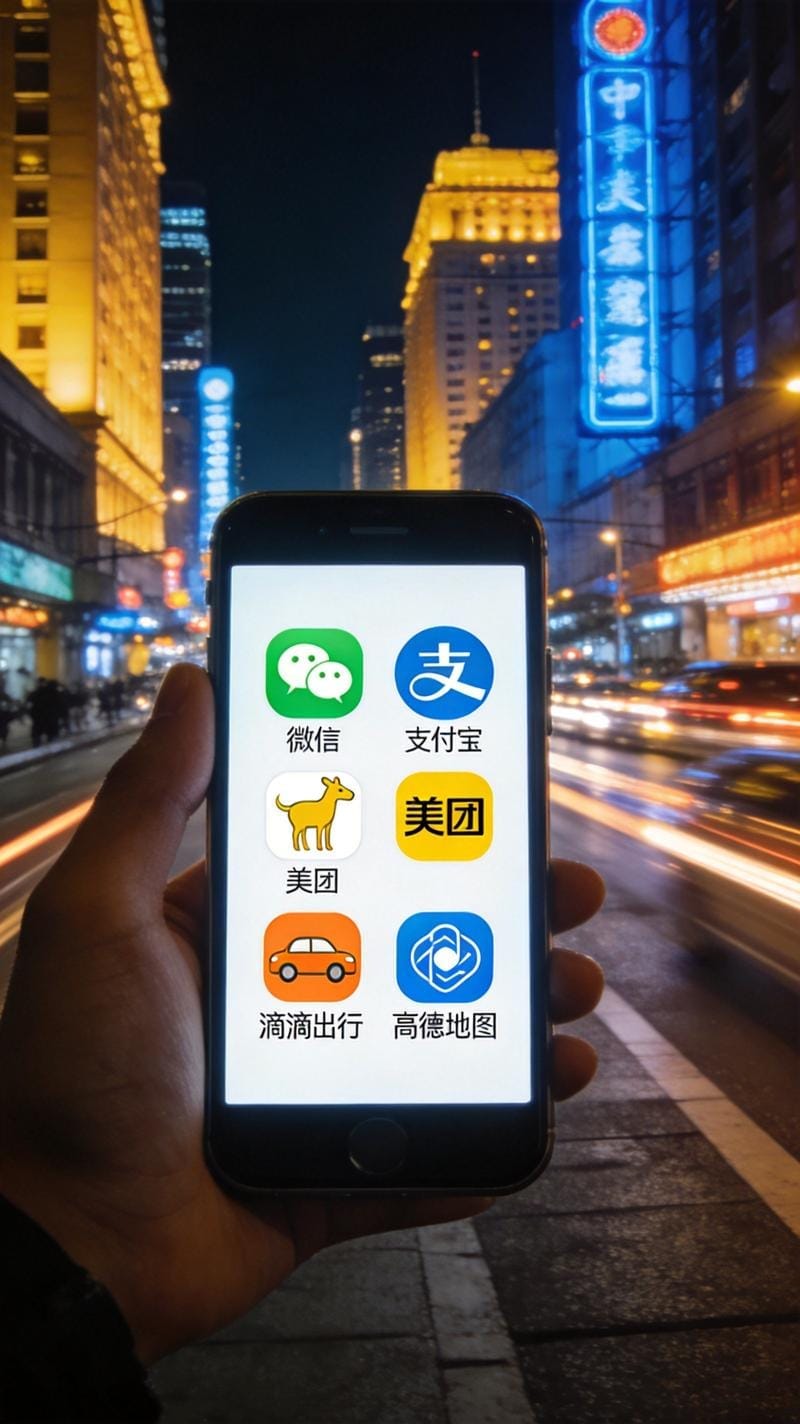
The latte cost 38 RMB. I scanned a QR code, the barista nodded, and I walked out with my coffee in under three seconds. No card insertion, no PIN, no signature, no waiting. This was at Shanghai Pudong Airport, where I’d just landed with exactly zero cash in my pocket — intentionally. No RMB, no dollars, nothing. I wanted to see what it would actually be like to live entirely on mobile payments for seven days. As a foreigner. In a country that has, in many ways, moved on from cash entirely.
Shanghai is probably the easiest place in China to attempt this kind of experiment. 98% of retail transactions are digital here, according to the People’s Bank of China’s 2024 data. Cash makes up something like 3.7% of all money moving around for purchases nationwide. ATMs are becoming rare in residential neighborhoods — I’ve noticed a few disappear from corners where I used to see them regularly, replaced by nothing.
**原文描述**
Day one started with Starbucks. Easy. Then a DiDi ride to the hotel — paid through the app, didn’t need to do anything when the ride ended. Hotel check-in: Alipay. FamilyMart for water and snacks: scanned the register QR. By sunset I’d done seven transactions without once opening my wallet. It felt strange in a good way. Like discovering a door that was always there but you’d never noticed.
By day three I stopped thinking about payment as a separate action. It just… happened. Here’s roughly what a typical day looked like:
Breakfast at a noodle place around the corner from my hotel. Scan the QR code taped to the counter. 12 RMB. Coffee from Luckin — I ordered through the app before I even left my room, walked in, grabbed the bag from the pickup shelf, left. 9.9 RMB. The subway: Alipay has a transit code, you tap it against the turnstile scanner, done. 4 RMB per ride. A fruit vendor on the street had his QR code printed and taped to his cart with what looked like packing tape. 8 RMB for some oranges.
Lunch delivery through Meituan, paid in-app. The delivery guy didn’t expect any payment at the door — already handled. I tipped him 5 RMB through the app, which still felt slightly absurd typing it in, but that’s an option now. Dinner at a restaurant: scan the code on the table, browse the menu, order, pay, all without talking to a single person. Split the bill with a friend using WeChat’s split-bill feature — one tap and it divides everything evenly. If someone ordered extra and you want to split differently, there’s an option to adjust individual amounts. It handles the awkward math so you don’t have to.
Late-night snack from a street cart on the walk home. Another scan. A guy selling jianbing (Chinese crepe) at 11 PM took my phone, scanned it himself because my Mandarin wasn’t good enough for me to navigate his menu, and handed it back. Transaction complete.
I averaged about ten to twelve mobile transactions per day. The only time I needed cash was… actually, I didn’t need cash. Not once. Even the Buddhist temple donation box in Shanghai had a QR code. I’m not joking. “Scan to donate,” with suggested amounts: 1 RMB, 5 RMB, 10 RMB. The divine have adapted to accept digital offerings. I don’t know what this says about the state of faith in modern China, but there it is.
There were friction points. Several.
For foreigners, the initial setup is still a bit of a process. Both WeChat Pay and Alipay now accept international credit cards, which is genuinely better than it was even two years ago. The last time I visited, you basically needed a Chinese bank account. Now you don’t. But the verification steps can be annoying. My Visa got rejected twice with a “verification failed” error that explained nothing. Passport information needed, system hiccups that never get explained. I spent maybe forty-five minutes getting everything working, staring at error messages and trying different approaches. I’d recommend having a backup plan — someone who can send you a red packet of RMB through WeChat to start with, just in case everything goes sideways on day one.
Small vendors in rural areas and smaller cities sometimes only take one app, not both. This bit me at a fruit stand near Huangshan Mountain. The elderly vendor only accepted WeChat. My WeChat balance was empty. I had Alipay with money in it, but that didn’t help. I had to walk ten minutes to a convenience store to find someone who’d help me transfer funds. The clerk seemed amused. Mildly embarrassing, mildly inconvenient, but workable.
The elderly issue is the serious one. Many people over 65 aren’t comfortable with smartphones or mobile payments. Some never will be. I watched a man in his seventies at a market in Hangzhou try to buy vegetables and get turned away because he only had a 100 RMB note and the vendor had no change. They argued for a minute or two. Eventually someone else in line paid for his vegetables and he paid them cash. It worked out, but barely. That’s a real problem. China has mandated that cash must still be accepted everywhere, but enforcement isn’t consistent, and a lot of small vendors just don’t keep much cash on hand anymore. They got rid of their change drawers because nobody pays with cash anyway. It’s a genuine social divide that’s only going to get more pronounced.
After seven days I’d spent 2,347 RMB — about $328 — without touching a single physical bill or coin.
The experience was roughly 90% impressive and 10% frustrating. When I got home and had to insert a chip card, wait, enter a PIN, wait some more, and then sign something, it felt comically slow. I caught myself trying to scan QR codes at two different stores back home before remembering that’s not how things work here. In the US, nobody scans anything. You swipe, you tap, you fumble. It’s all very 2015.
But there are real trade-offs that deserve attention. Privacy doesn’t really exist in this system — every transaction gets tracked and logged by the platforms and, presumably, accessible to authorities. There’s no such thing as an anonymous purchase in China. System outages could theoretically cause problems at scale, though nothing major has happened yet. Phone theft becomes catastrophic in a new way: lose your phone, lose your wallet, lose your identity, all at once. And the digital divide leaves certain people behind in ways that aren’t fair.
Mobile payments in China are impressive infrastructure. The convenience is hard to argue with. But they work best when cash remains a genuine option, not a backup that everyone has quietly stopped supporting. China is still finding that balance — and so is everyone else watching from the outside.
메타데이터
- post_id
- f32bc5387737
- slug
- i-spent-a-week-in-shanghai-with-zero-cash-heres-what-actually-happened-f32bc5387737
- url
- https://medium.com/@563704148/i-spent-a-week-in-shanghai-with-zero-cash-heres-what-actually-happened-f32bc5387737
- canonical_url
- https://medium.com/@563704148/i-spent-a-week-in-shanghai-with-zero-cash-heres-what-actually-happened-f32bc5387737
- author_url
- https://medium.com/@563704148
- status
- ok
- fetched_at
- 2026-07-13 06:23:13