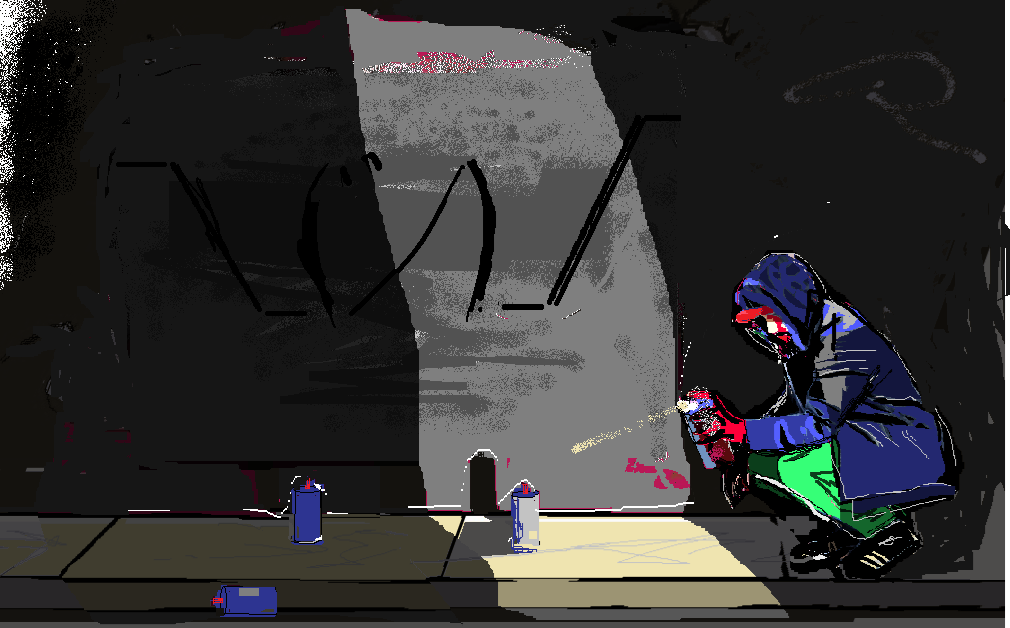
Young. Urban. Poor.
What does modern-fleeting-life look like?
Young. Urban. Poor.
What does modern-fleeting-life look like?

Shrinking Indonesian Middle Class: Why Are They Struggling? | Asia’s Changing Middle Class | Insight
There is an overlooked struggle quietly slipping beneath the noise of urban life. It is the struggle of young people who are searching for opportunity and survival in almost “inhumane” living conditions.
According to the World Bank, more than half of the global population, over 4 billion people, now live in urban areas. The United Nations even estimates that this figure will reach 68% by 2050.
Urbanization in Indonesia has not happened overnight. In 1971, only 17.2% of the population lived in urban areas. Today, that number exceeds 59%. This gradual but massive shift has reshaped not only where people live, but how they live.
We cannot deny the powerful pull of cities. As more people pursue higher education, their skills increasingly align with urban economies, especially in the service sector. The higher wages are quite promising, and the cost of living is also soaring. Cities have become the primary, and often the only, spaces for careers in finance, technology, and information. At the same time, rural areas continue to decline economically, offering fewer opportunities that match the educational backgrounds of younger generations.
In Indonesia, this transformation is particularly striking. The Jakarta metropolitan area, also known as Jabodetabek, is now the number one most populous megacity in the world, with an estimated 42 million people. Every day, this massive population struggles within a city that was never designed to accommodate such scale efficiently. This creates what I call a rarely acknowledged irony: the rise of the “young urban poor.”
The “young urban poor” includes those who migrated from rural areas in search of work, as well as a second generation born in cities. Many of these young people are the children of migrants from the 1970s and 1980s. Unlike their parents, they have grown up entirely within urban environments and often cannot imagine life outside them.
From personal observation, life in such megacities is far from ideal, and meaningful solutions remain distant. This phenomenon is not unique to Indonesia. Similar patterns can be seen across Asia, in cities like Tokyo, Seoul, Mumbai, New Delhi, and even Taiwan and China, where large numbers of young people are absorbed into urban economies under increasing pressure.
Young workers, particularly Millennials and Gen Z, appear to be struggling more intensely than previous generations. Their challenges are shaped by sprawling cities, poor urban planning, and rising living costs. These conditions define their everyday reality.
This raises uncomfortable questions: what exactly are they missing by this change? Are the young generations actually witnessing a decline in living conditions?
Long Commuting Times
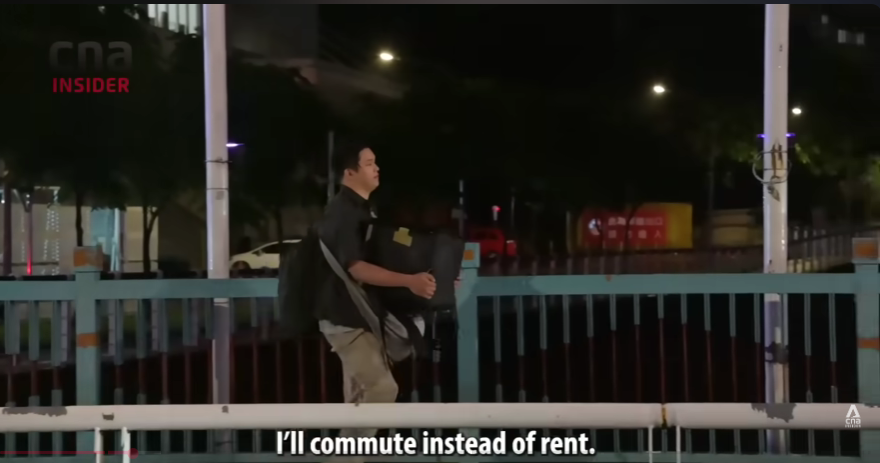
Stuck With Low Pay, How Taiwan’s Young Graduates Cope With High Costs | Asia’s Stuck Generation
Being the first generation in a family to live in the city often means living alone, whether in a rented room, an apartment, or a small house. Meanwhile, those who are part of the second generation of urban families are more likely to live with their parents, often on the outskirts of the city where housing is more affordable due to urban sprawl.
These young urban poor absorb the burden early in life. Many of them spend hours commuting back and forth between their homes and workplaces or schools, often traveling dozens of kilometers each day. Long commuting times, worsened by traffic congestion and chaotic road conditions, have become a normalized part of daily life.
For many, this is a rational trade-off: they endure long commutes to save money, hoping to eventually afford a home in a market where property prices continue to rise. Meanwhile, housing closer to city centers remains limited and increasingly unaffordable.
Their days often begin early, shaped by the need to account for long travel times. After work, they return home exhausted, only to face another long and draining commute. This cycle is routine.
Then, what is lost in this increase in commuting time?
We often overlook how important urban nightlife is as a space for stress relief, social connection, and relationship-building. It also supports the nighttime economy, making cities more dynamic and productive. However, when long commutes make it impossible to stay late, young people are forced to leave as soon as work ends. If they choose to stay longer, the cost is often their health, through sleep deprivation and exhaustion the next day.
In response, digital life becomes a substitute. Social media and smartphone-based entertainment fill the gap left by reduced physical interaction. While convenient, this shift may come at a cost. Young people become more vulnerable to loneliness, experience more fragmented social lives, and may struggle to build deeper and more stable relationships compared to previous generations.
Living Alone in a Small Rented Room
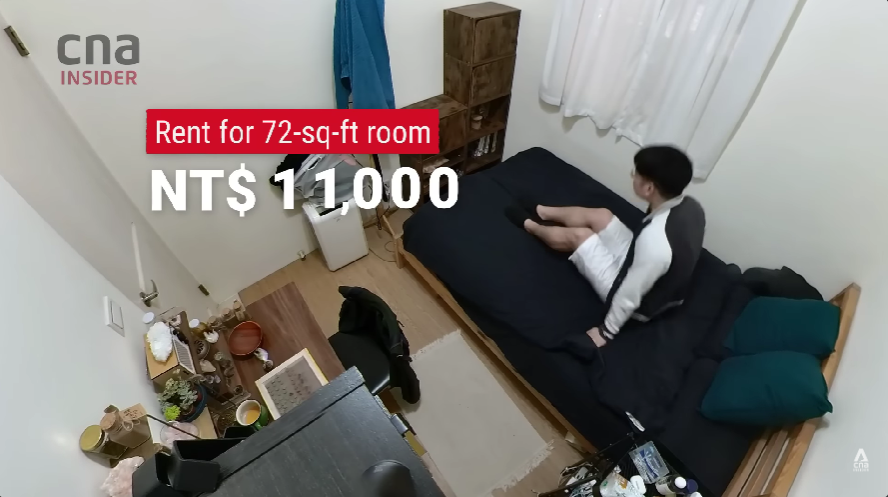
Stuck With Low Pay, How Taiwan’s Young Graduates Cope With High Costs | Asia’s Stuck Generation
As land prices in cities continue to rise, more and more young people are being squeezed into the most personal space they have: their homes, which are often rented. These spaces are becoming increasingly compact and hyper-efficient. For many, the center of comfort is the bed. A small desk with a laptop becomes a multipurpose station for studying, working, eating, and everything in between. Ventilation is often limited, and the rooms themselves can feel closed off.
For young families that are already able to own a house, the situation is not much better. Houses in cities are becoming smaller, often consisting of just two bedrooms. This limits how families grow. Many young couples end up having only one child, or at most two, depending on their financial capacity and available space. How will their children afford homes in the future? Moving out becomes inevitable, as it is impractical for married couples to stay with their parents or in-laws. Or, they might not start a family at all.
So, what is lost when more people live in small spaces?
The function of the home is changing dramatically. It no longer serves as both a private and communal space, as it often does in rural areas. In villages, homes are places where gatherings happen, where guests are welcomed. In contrast, urban homes are becoming places of isolation.
Physical activity also declines. With limited space, people spend more time in bed.
The function of homes is also changing; in tiny houses or rooms, homes were merely places to park a tired body. In previous generations, especially in rural settings, they were multifunctional environments. Larger homes allowed for family gatherings, communal cooking, hobbies, and even small-scale production such as gardening or growing food.
Today, when people grow bored in their small rooms, they are pushed to outsource their experiences outside the home. And the problem is, almost everything outside comes with a cost. Socializing, relaxing, or even just escaping boredom often requires spending money.
Declining Health and Ultra-Processed Food Habits
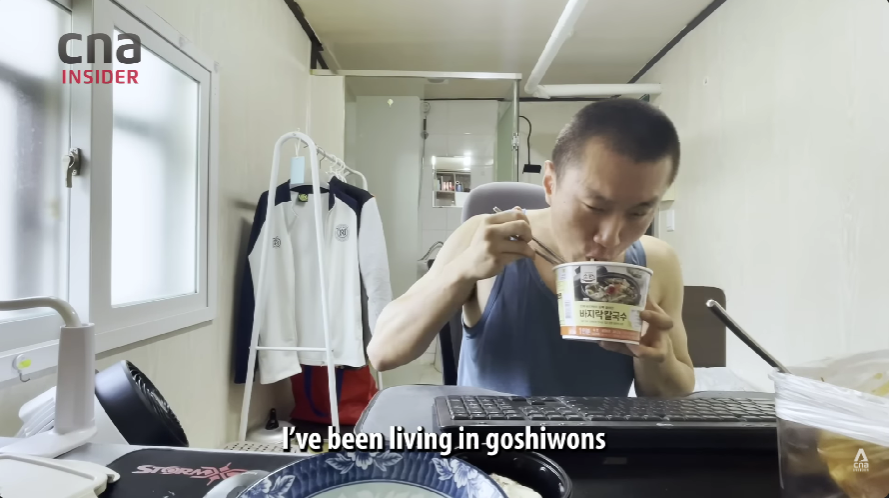
No Sleep, 2 Jobs: Can Young South Koreans Escape Hell Joseon Rat Race? | Asia’s Stuck Generation
As commodity prices continue to rise, especially for fresh food, it becomes almost inevitable that being part of the young urban poor leads to a higher intake of highly processed foods. Many rely on instant noodles, packaged meals from convenience stores or vending machines, and repetitive orders from food delivery apps.
This is not a coincidence. Their busy lives and limited time make eating less about nourishing the body and more about simply refueling. Leaving early in the morning, having limited break times, and returning home late all contribute to a pattern where meals are reduced to quick energy replacements.
Limited time for even basic self-care is further amplified when people skip breakfast, which can increase the risk of digestive problems in the long term, especially when combined with chronic stress.
Limited time also means less planning. People tend to choose what is quick and affordable, which often leads to fast food or ultra-processed meals that are low in nutrients, high in additives, and designed to be addictive.
Limited time also makes cooking for oneself increasingly rare. It feels inefficient, especially when someone is cooking only for themselves after a long and exhausting day.
Then, what is lost in these changing eating habits?
In previous generations, meals were often shared with family or in communal settings. Eating was also about connection. People consumed more home-cooked meals and ate together. Today, many young people eat alone, often mindlessly, in front of screens. Meals happen at desks, accompanied by smartphones or laptops, replacing the instinctive association between eating and social interaction.
At the same time, fewer young people feel confident cooking. Whether due to lack of time or lack of skills, traditional and home-cooked meals are slowly disappearing instead of being passed down. This is significant because these meals are often healthier, richer in vegetables, and more balanced compared to ultra-processed alternatives. They also carry cultural value through the use of spices and traditional preparation methods.
And the consequences are already visible. Poor nutrition is becoming more common, and young people are increasingly vulnerable to health issues at an earlier age, linked to long-term dietary habits.
Individuality, Increased Screen Time, and Toxic Social Media
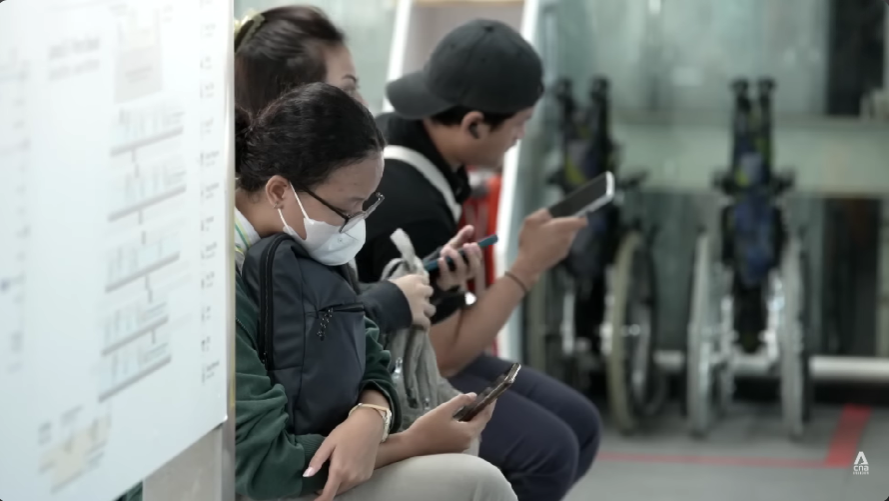
Shrinking Indonesian Middle Class: Why Are They Struggling? | Asia’s Changing Middle Class | Insight
The education system and dominant success narratives in urban areas increasingly reinforce the ideal of individuality. People are encouraged to compete as a way to secure a better life, competing at school, at work, and even in everyday activities. Everything becomes a competition. During rush hour, people compete for space and time. When queuing for lunch, they compete to get served. Even in leisure, there is a subtle pressure to compete.
This creates a culture where success is defined by how much better someone is compared to others. Those who fall behind are often left questioning themselves, turning to toxic productivity trends and self-help ideologies instead of questioning why such intense competition is necessary just to achieve a decent life.
At the same time, this competition becomes more visible than ever through social media. Success is no longer something observed through personal interactions, but something constantly displayed on screens. Through posts, stories, and profiles, people can easily compare their lives to those of others.
However, the daily realities of many young urban poor are rarely represented online. Instead, influencers and highly visible individuals dominate the narrative, presenting curated lifestyles that appear ideal. These images subtly encourage people to consume more, in an attempt to imitate that lifestyle, hoping to make their own lives feel “photogenic” or “presentable.”
This gap between lived experience and digital ideals creates a sense of dissatisfaction. People retreat further into their screens, increasing their screen time.
Then, what is lost in this individualistic and chronically online culture?
As these conditions are widely experienced by many young urban poor, the constant pressure toward individualism makes them less interested in building solidarity. Instead of seeking others who share similar struggles, they are pushed to navigate their problems alone. Yet, collective action, even in small forms, can make a difference.
Finding people to share struggles with, to vent to, and to relate to can create meaningful change, both at an individual level and, potentially, at a systemic level.
The reality of the young urban poor described above must be faced as life continues to become more difficult. However, it cannot be denied that part of this condition is structural and systemic. Struggles with limited financial capacity are amplified by poor urban planning, weak governance with limited public spending, and difficult economic conditions. It is hard to break out of this situation individually.
Still, the most important thing is to stay grounded and protect yourself as best as you can — especially your health and mental well-being.
메타데이터
- post_id
- f3364bbdf902
- slug
- young-urban-poor-f3364bbdf902
- url
- https://medium.com/@luthfiyyahdamayani/young-urban-poor-f3364bbdf902
- canonical_url
- https://medium.com/@luthfiyyahdamayani/young-urban-poor-f3364bbdf902
- author_url
- https://medium.com/@luthfiyyahdamayani
- status
- ok
- fetched_at
- 2026-06-09 15:37:30