The History of Design Thinking and IDEO
Talking about innovation methods, Design Thinking without IDEO is incomplete. Well, I will write a brief history of both of them.
The History of Design Thinking and IDEO
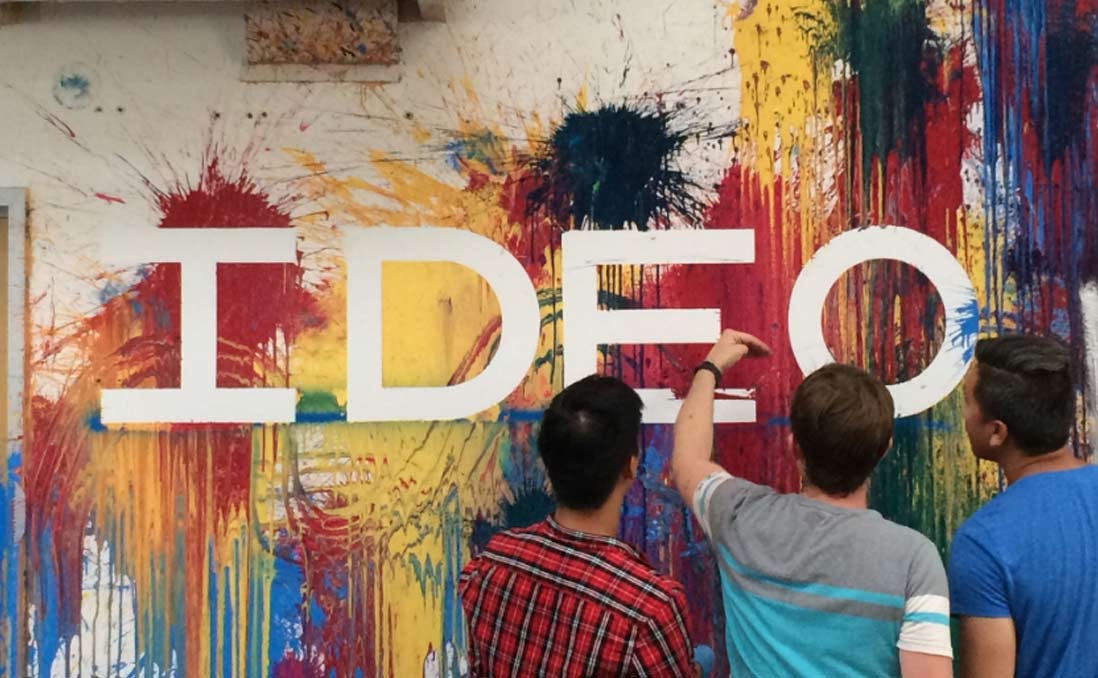
Source:crossing.cw.com.tw
Talking about innovation methods, Design Thinking without IDEO is incomplete. Well, I will write a brief history of both of them.
Design thinking has emerged as a transformative approach to innovation, blending creativity with a user-centered perspective. Its roots are deeply embedded in the evolution of design as a discipline and are closely tied to the influential firm IDEO. This article delves into the history of design thinking, tracing its development and the pivotal role IDEO has played in its popularization and application across various fields.
Origins of Design Thinking
The origins of design thinking can be traced back to the mid-20th century when designers began to formalize their methods. In the 1960s, the field of design started to shift from traditional craftsmanship to a more systematic approach, emphasizing user needs and problem-solving. Key figures, such as Herbert Simon, a renowned social scientist, introduced concepts that would later inform design thinking.
In his 1969 book, The Sciences of the Artificial, Simon described design as a process of formulating problems and creating solutions. He posited that design is not merely about aesthetics but involves understanding and meeting the needs of users. This idea laid the groundwork for later developments in design thinking, highlighting the importance of a structured approach to innovation.
The 1980s: The Human-Centered Approach
As design evolved, the focus on the user became increasingly prominent. In the 1980s, researchers and practitioners began to advocate for a human-centered approach to design. This shift was influenced by advancements in psychology and cognitive science, which emphasized the importance of understanding human behavior and experiences.
One notable figure during this period was Donald Norman, a cognitive scientist and usability engineer. His book, The Design of Everyday Things (1988), emphasized the necessity of designing products that are intuitive and user-friendly. Norman’s work highlighted the critical role of empathy in the design process, advocating for a deeper understanding of users’ needs, motivations, and frustrations.
The Birth of IDEO
In 1991, David Kelley, along with partners Bill Moggridge and Mike Nuttall, founded IDEO in Palo Alto, California. The firm emerged as a response to the growing demand for innovative design solutions and the need for a more structured approach to problem-solving. IDEO aimed to integrate the principles of human-centered design into a comprehensive methodology that could be applied across various industries.
IDEO’s approach was revolutionary. By combining insights from design, engineering, and social sciences, the firm established a unique framework for understanding and addressing complex challenges. The team employed a collaborative, multidisciplinary approach, bringing together experts from diverse fields to foster creativity and innovation.
The 1990s: Defining Design Thinking
Throughout the 1990s, IDEO began to formalize and articulate the concept of design thinking. The firm introduced a systematic process that included stages such as empathy, definition, ideation, prototyping, and testing. This iterative approach allowed teams to explore multiple solutions, gather feedback, and refine their ideas based on real user experiences.
One of IDEO’s most iconic projects during this time was the design of the Apple computer mouse. This collaboration exemplified the firm’s human-centered approach, focusing on the user experience to create a product that was not only functional but also intuitive. The success of the mouse solidified IDEO’s reputation as a leader in design innovation.
In 1998, Kelley and his team published Design Thinking: Understanding How Designers Think and Work, which further defined the principles of design thinking. The book illustrated how empathy, collaboration, and experimentation could drive innovation, making design thinking a critical framework for organizations seeking to enhance their creativity and problem-solving capabilities.
The 2000s: Mainstream Adoption
As the new millennium approached, design thinking began to gain traction beyond the design community. Organizations recognized the value of integrating design thinking into their innovation processes. Companies such as Procter & Gamble, PepsiCo, and GE adopted design thinking to enhance product development and improve customer experiences.
IDEO played a significant role in this widespread adoption. The firm conducted workshops and training sessions, sharing its methodologies with professionals from various sectors. The popularity of design thinking was further bolstered by high-profile case studies showcasing its effectiveness in driving innovation.
In 2005, the publication of Change by Design by Tim Brown, then CEO of IDEO, helped popularize the concept of design thinking even further. Brown emphasized the importance of using design thinking as a strategic tool for addressing complex challenges in business and society. The book outlined the principles of design thinking and provided insights into how organizations could leverage this approach to create meaningful solutions.
The Evolution of Design Thinking Frameworks
Over the years, various frameworks and models of design thinking have emerged, each building on IDEO’s foundational principles. These models emphasize different aspects of the design thinking process but share common themes of empathy, collaboration, and experimentation.
One prominent framework is the Double Diamond model, developed by the Design Council in the UK. This model consists of two diamonds representing two phases: discovery and delivery. The discovery phase focuses on understanding the problem and generating insights, while the delivery phase involves developing and refining solutions. This framework aligns with IDEO’s iterative approach to design thinking, emphasizing the importance of exploration and refinement.
Another notable framework is the Stanford d.school’s design thinking process, which breaks down the stages into five key elements: empathize, define, ideate, prototype, and test. The d.school, founded by David Kelley at Stanford University, has played a crucial role in educating the next generation of designers and innovators. Through hands-on workshops and interdisciplinary collaboration, the d.school has helped disseminate design thinking principles across diverse fields.
Design Thinking in the Digital Age
The rise of digital technology has further transformed the landscape of design thinking. As organizations increasingly rely on digital tools and platforms, design thinking has adapted to incorporate new methods of collaboration and prototyping. Online tools for brainstorming, user testing, and feedback have enabled teams to engage with users more effectively and iterate on their designs in real-time.
Moreover, the emphasis on user experience (UX) in digital product development has reinforced the relevance of design thinking. As companies strive to create seamless and engaging user experiences, the principles of empathy and iteration have become essential in guiding the design process.
Social Impact and Global Applications
In recent years, design thinking has transcended traditional business applications, finding relevance in social innovation and community development. Organizations like IDEO.org, a nonprofit branch of IDEO, focus on applying design thinking principles to address social challenges. By collaborating with underserved communities, IDEO.org develops solutions that are culturally relevant and sustainable.
Design thinking has also gained traction in the public sector. Governments and civic organizations are increasingly adopting design thinking methodologies to improve public services, enhance citizen engagement, and drive policy innovation. By involving citizens in the design process, these initiatives seek to create more responsive and effective solutions.
Challenges and Criticisms
Despite its successes, design thinking has faced challenges and criticisms. Some critics argue that the approach can be overly simplistic, reducing complex problems to a linear process. Others contend that design thinking may not always lead to effective solutions if not applied rigorously or if teams fail to fully engage with users.
Additionally, the commodification of design thinking has raised concerns about its dilution. As organizations adopt design thinking without a deep understanding of its principles, the approach may become a buzzword rather than a transformative practice. To address these challenges, it is essential for practitioners to embrace the core values of design thinking — empathy, collaboration, and iteration — while adapting the process to fit the unique contexts in which they operate.
The Future of Design Thinking
As we look to the future, design thinking is poised to remain a vital framework for innovation. The ongoing evolution of technology, coupled with the growing emphasis on sustainability and social impact, will likely shape the application of design thinking in new and exciting ways.
Organizations that prioritize design thinking as a strategic asset will be better equipped to navigate the complexities of the modern world. By fostering a culture of creativity and collaboration, these organizations can harness the power of design thinking to drive meaningful change and enhance their competitiveness.
Conclusion
The history of design thinking is a testament to the transformative power of empathy, creativity, and collaboration in the innovation process. From its origins in the mid-20th century to its mainstream adoption by organizations worldwide, design thinking has evolved into a crucial framework for addressing complex challenges.
IDEO’s pivotal role in popularizing design thinking has had a lasting impact on various industries, emphasizing the importance of human-centered design in creating innovative solutions. As we continue to face societal and environmental challenges, design thinking will remain an essential tool for fostering creativity, driving change, and enhancing the human experience. Through its iterative process and commitment to understanding users, design thinking is set to shape the future of innovation for years to come.
메타데이터
- post_id
- f3a5604c233a
- slug
- the-history-of-design-thinking-and-ideo-f3a5604c233a
- url
- https://medium.com/@normyunita/the-history-of-design-thinking-and-ideo-f3a5604c233a
- canonical_url
- https://medium.com/@normyunita/the-history-of-design-thinking-and-ideo-f3a5604c233a
- author_url
- https://medium.com/@normyunita
- status
- ok
- fetched_at
- 2026-06-17 12:55:42