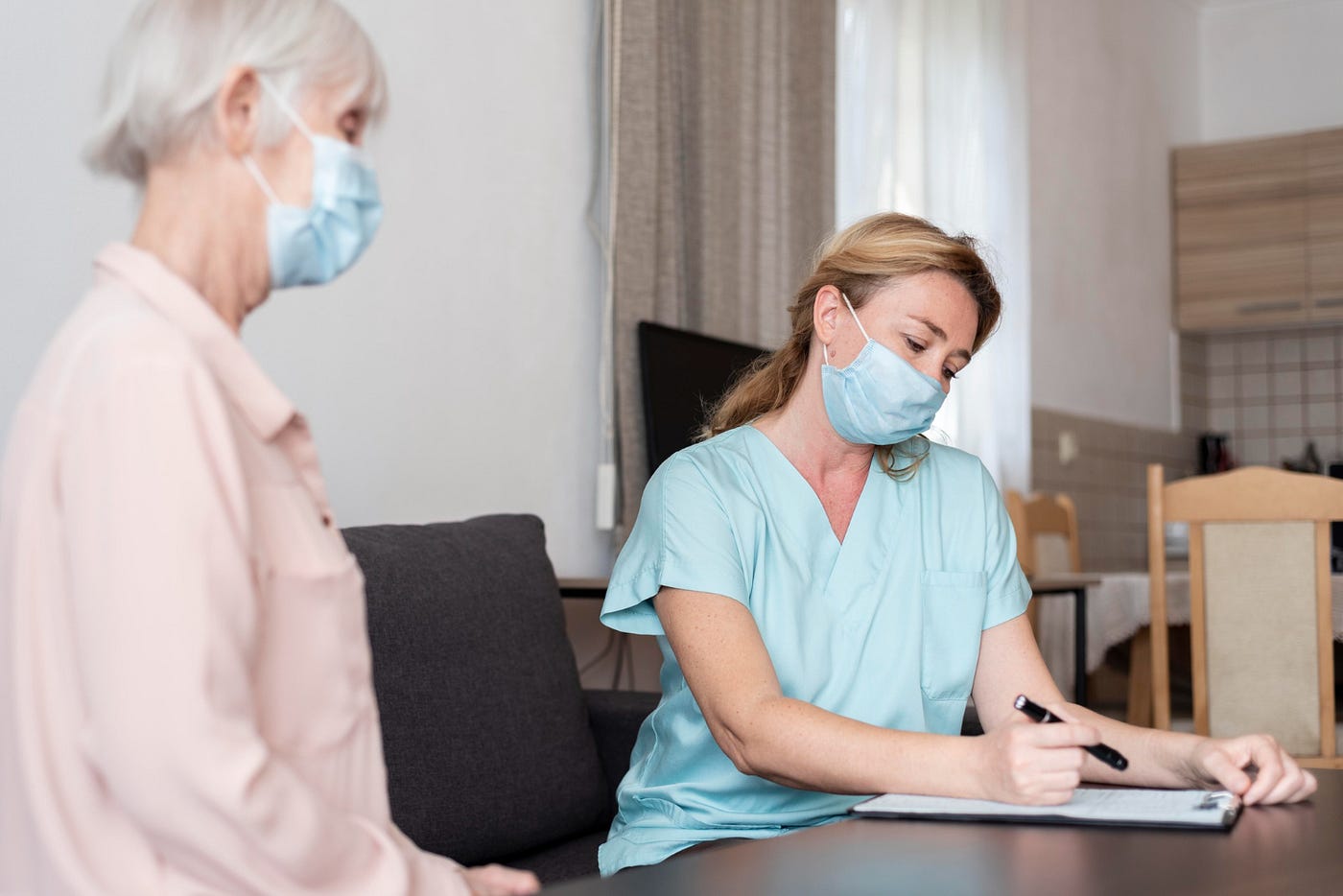
What Courses Do You Need to Become an HCA?
Many people want to work as a Healthcare Assistant but feel confused about where to start. They search online, read different advice, and…
What Courses Do You Need to Become an HCA?

Many people want to work as a Healthcare Assistant but feel confused about where to start. They search online, read different advice, and still do not know which HCA courses are actually required and which ones truly prepare them for real care work. The problem is not a lack of information. The problem is unclear guidance. In health and social care, having the right knowledge is not optional. It directly affects patient safety, dignity, and trust. In this guide, you will learn exactly which courses matter, why they matter, and how they prepare you for real work inside hospitals, care homes, and community settings.
Healthcare Assistants are the backbone of care services across the United Kingdom. Whether in NHS hospitals, private clinics, residential homes, or supported living environments, HCAs provide hands on support to patients who depend on them every day. According to workforce reports published by the NHS, support staff make up a large percentage of frontline care teams. This means the role is in high demand, but it also means employers expect proper training and competence.
Understanding the Role Before Choosing Courses
Before selecting any course, it is important to understand what an HCA actually does. A Healthcare Assistant supports patients with daily living activities such as washing, dressing, feeding, mobility support, and monitoring basic observations. In many settings, HCAs assist nurses with clinical tasks under supervision.
In real practice, the job requires more than kindness. It requires awareness of safeguarding laws, infection control standards, safe handling procedures, and clear communication. I have seen new care workers struggle not because they lacked compassion, but because they were never properly trained in the foundations of care. That gap can create stress for the worker and risk for the patient.
This is why structured training matters.
Core Safeguarding Courses
Adult Safeguarding is one of the most essential courses for any HCA. It teaches how to recognise abuse, neglect, and exploitation in vulnerable adults. In real care settings, safeguarding concerns are more common than many people expect. An HCA must know how to report concerns correctly and follow local safeguarding procedures.
Child Protection and Safeguarding is equally important for those working in community health, paediatric units, or family support services. Even if you primarily work with adults, understanding safeguarding principles strengthens your professional awareness.
These courses are not about theory only. They are about protecting real people from harm.
Moving and Handling in Care Settings
Back injuries are one of the most common workplace injuries in health and social care. Improper lifting techniques can harm both the patient and the caregiver. Moving and Handling in Care Settings teaches safe transfer techniques, use of hoists, slide sheets, and proper body posture.
From practical experience in care homes, safe moving and handling reduces workplace injuries significantly. Employers actively look for this training because it lowers risk and insurance claims while improving patient comfort.
Infection Prevention and Control
Infection control became widely discussed during the Covid nineteen pandemic, but it has always been central to healthcare. Infection Prevention and Control teaches hand hygiene standards, use of personal protective equipment, waste disposal, and cross contamination prevention.
In hospitals and care homes, poor infection control can spread illnesses quickly. The Care Quality Commission inspects services partly based on cleanliness and infection control standards. An HCA must understand these protocols to work safely and professionally.
Medication Administration and Management
Not all HCAs administer medication, but many do in care homes and community settings after proper training. Medication Administration and Management covers safe storage, correct dosage recording, error reporting, and legal responsibilities.
Medication errors can have serious consequences. Proper training reduces mistakes and builds employer trust. It also increases career progression opportunities.
Dementia Awareness and Mental Health Awareness
The UK has a growing ageing population. Dementia cases continue to rise, and many care homes specialise in dementia support. Dementia Awareness helps HCAs understand memory loss, behavioural changes, communication strategies, and person centred care.
Mental Health Awareness is equally important. Patients in hospitals and community care often experience anxiety, depression, or other mental health conditions. Understanding these challenges allows an HCA to respond calmly and appropriately.
From real workplace experience, staff trained in dementia and mental health provide more patient and confident care. Families notice the difference.
End of Life Care
End of Life Care training prepares HCAs to support patients in their final stages of life with compassion and dignity. It includes pain awareness, emotional support, communication with families, and understanding palliative care principles.
This area of care requires emotional maturity and sensitivity. Without training, new HCAs may feel overwhelmed. With training, they feel prepared and supported.
Communication, Privacy, and Dignity
Effective Communication is often underestimated. In healthcare, poor communication can lead to misunderstandings, complaints, and even safety risks. This course focuses on listening skills, clear reporting, professional boundaries, and teamwork.
Privacy and Dignity ensures that patients are treated with respect at all times. Something as simple as knocking before entering a room reflects professional standards. The Care Quality Commission places strong emphasis on dignity in care.
These courses shape the attitude and professionalism of an HCA.
Nutrition and Hydration
Malnutrition and dehydration are serious risks in vulnerable populations. Nutrition and Hydration training teaches signs of poor intake, safe feeding techniques, and documentation requirements.
In real care practice, small observations by an HCA can prevent hospital admissions. This makes nutritional awareness a critical skill.
Information Handling
Healthcare workers manage sensitive patient information daily. Information Handling covers confidentiality, data protection, and record keeping standards aligned with UK GDPR requirements.
Breaches of confidentiality can lead to serious legal consequences. Employers expect HCAs to understand these responsibilities clearly.
Personal Development and Understanding Own Role
Personal Development encourages continuous learning and reflective practice. Healthcare evolves constantly, and professionals must adapt.
Understanding Own Role clarifies boundaries, accountability, and teamwork within multidisciplinary environments. Many workplace issues happen because individuals do not fully understand their responsibilities. This course builds confidence and clarity.
Awareness of Learning Disability and Autism
An Awareness of Learning Disability and Autism equips HCAs to provide inclusive care. Patients with learning disabilities may communicate differently or require adjusted approaches. Training ensures respectful, person centred support.
With increasing awareness and legal protections around equality, inclusive knowledge is no longer optional.
Do You Need All These Courses?
While entry requirements vary by employer, most reputable healthcare providers expect core mandatory training aligned with the Care Certificate standards in England. These courses collectively reflect those standards and prepare you thoroughly.
If your goal is not just to get hired but to become competent and respected in your role, comprehensive training is essential.
Final Thoughts
Becoming a Healthcare Assistant is not about collecting certificates. It is about building competence, confidence, and professional integrity. The right courses protect patients, protect you, and strengthen your career path.
When training is structured, practical, and aligned with real workplace standards, it creates professionals who deliver safe and compassionate care. For those seeking structured and comprehensive preparation aligned with UK care expectations, HCA London provides a complete range of essential HCA training courses designed to build real world competence and professional confidence.
메타데이터
- post_id
- f3a74e2379d4
- slug
- what-courses-do-you-need-to-become-an-hca-f3a74e2379d4
- url
- https://medium.com/@sebastianscott51/what-courses-do-you-need-to-become-an-hca-f3a74e2379d4
- canonical_url
- https://medium.com/@sebastianscott51/what-courses-do-you-need-to-become-an-hca-f3a74e2379d4
- author_url
- https://medium.com/@sebastianscott51
- status
- ok
- fetched_at
- 2026-06-11 11:25:07