Your Yard Is Not Small. It’s Strategic.
Your Yard Is Not Small. It’s Strategic.
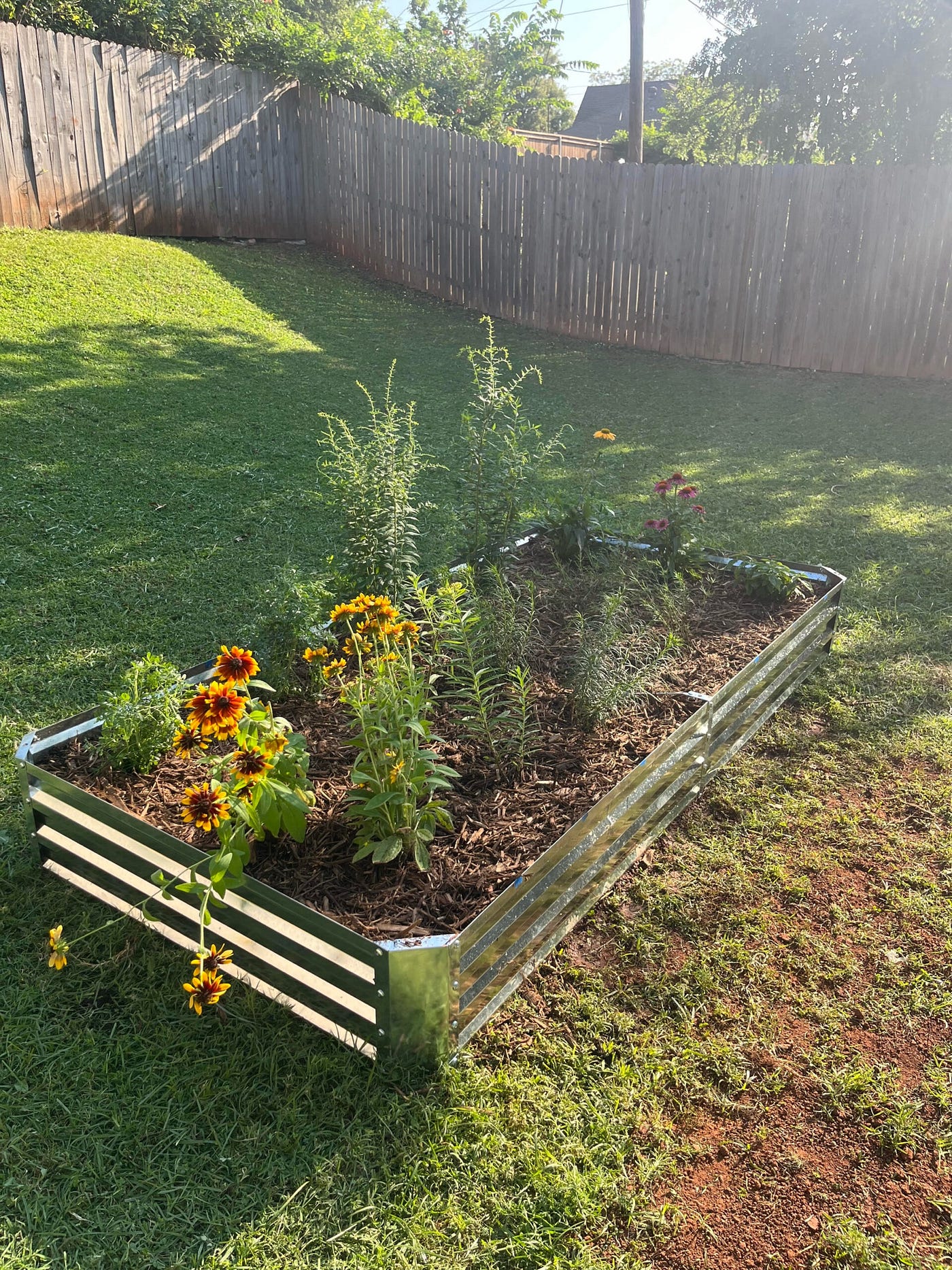
I used to think environmental action required acres of land, funding, permission. I learned through the Pollinator Steward Certification is that scale is built from repetition, not size.
A yard.
A balcony.
A strip of soil next to a sidewalk.
These are not insignificant. They are connective tissue.
Start With What You Already Have
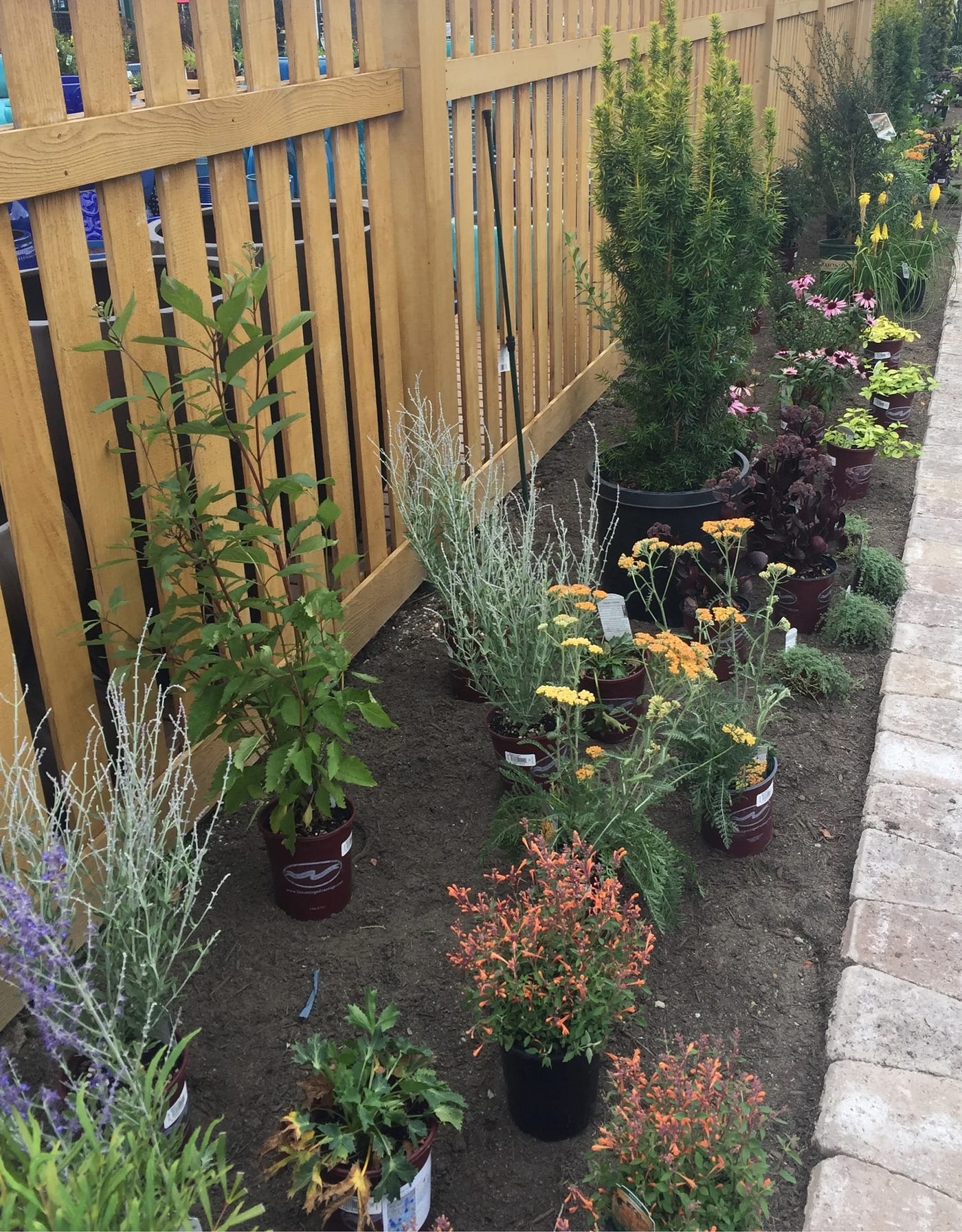
One of the most grounding lessons from Module 5a is that habitat creation begins with not removing. Keep everything there! Leaf litter. Hollow stems. Bare patches of soil. Downed wood. These are often seen as mess. Ecologically, they are infrastructure.
Before adding anything new, the first question to ask is simple:
What life is already here, and how can I stop disrupting it?
Keeping existing habitat by mowing less, tilling less, and allowing plants to complete their life cycles can be just as impactful as planting something new.
Habitat Has Three Jobs
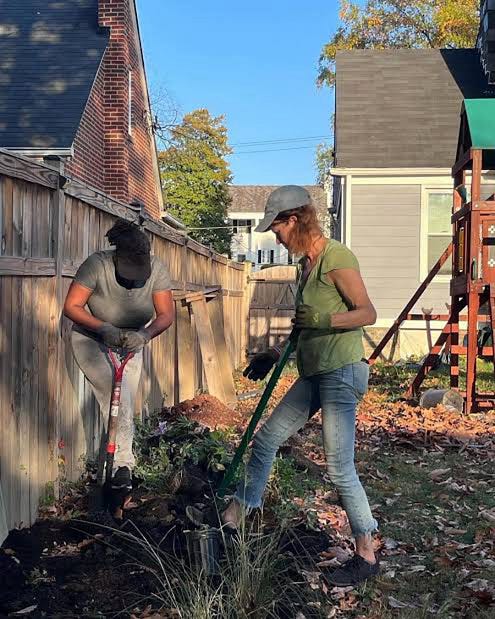
Whether you’re working with containers or a backyard, pollinator habitat must do three things well:
1. Provide food
Continuous blooms matter more than showy blooms. Pollinators need nectar and pollen across seasons, not just in spring.
2. Provide places to live and reproduce
Many native bees nest underground or in hollow stems. Butterflies and moths require specific host plants for their larvae.
3. Avoid poisoning the system
Pesticides, especially insecticides, can have lethal and sublethal effects. Even fungicides and herbicides can disrupt food availability and pollinator health.
If one of these elements is missing, habitat becomes decorative instead of functional.
Planning Is an Act of Care
A concept that stuck with me is planning with the seasons.
Pollinators don’t experience time the way we do. Their life cycles are synchronized with bloom timing, temperature, and daylight. When we plan gardens around our schedules instead of ecological timing, we unintentionally create gaps.
The training encourages thinking in terms of:
• Annuals vs. perennials
• Native vs. ornamental
• Immediate blooms vs. long-term structure
This reframing turns gardening into systems thinking (and that’s my bag!). It’s not about individual plants , but about flows.
Containers Count More Than We Think
One of the most affirming messages from this module is that no landscape is too small.
A single container garden can provide critical resources for a migrating butterfly. A balcony can serve as a stepping stone between fragmented habitats. When multiple people do this across a neighborhood, they form pathways that wildlife can actually move through.
Your yard matters.
Your neighbor’s yard matters more.
Together, they become something resilient.

Stewardship Isn’t Perfection — It’s Attention
What I appreciate most about this work is that it rejects the idea of “doing it right” and replaces it with doing it consciously.
Notice what blooms when.
Notice who shows up.
Notice what disappears when chemicals are introduced.
Creating habitat is not a one-time action. It’s an ongoing relationship that asks us to slow down, observe, and make space for other lives to persist alongside ours.
And that, to me, is the most practical form of environmental justice I know how to practice right now.
메타데이터
- post_id
- f3e7f46c14ff
- slug
- your-yard-is-not-small-its-strategic-f3e7f46c14ff
- url
- https://medium.com/acre-echo/your-yard-is-not-small-its-strategic-f3e7f46c14ff
- canonical_url
- https://medium.com/acre-echo/your-yard-is-not-small-its-strategic-f3e7f46c14ff
- author_url
- https://medium.com/@rinnyssance
- status
- ok
- fetched_at
- 2026-06-09 15:37:30