Smarter Dropbox Organization for Growing Teams
Managing digital files sounds simple until your business begins handling dozens of clients, projects, or departments at the same time…
Smarter Dropbox Organization for Growing Teams
Managing digital files sounds simple until your business begins handling dozens of clients, projects, or departments at the same time. Every new project brings contracts, reports, presentations, images, invoices, and other important documents that need to be stored in an organized way. Without a clear folder structure, even the best cloud storage platform can become cluttered and difficult to navigate.
Many businesses begin with a basic folder system that works well for a small team. As operations expand, different employees often create folders using their own naming styles and organizational methods. Over time, this inconsistency leads to misplaced files, duplicate folders, and unnecessary time spent searching for documents.
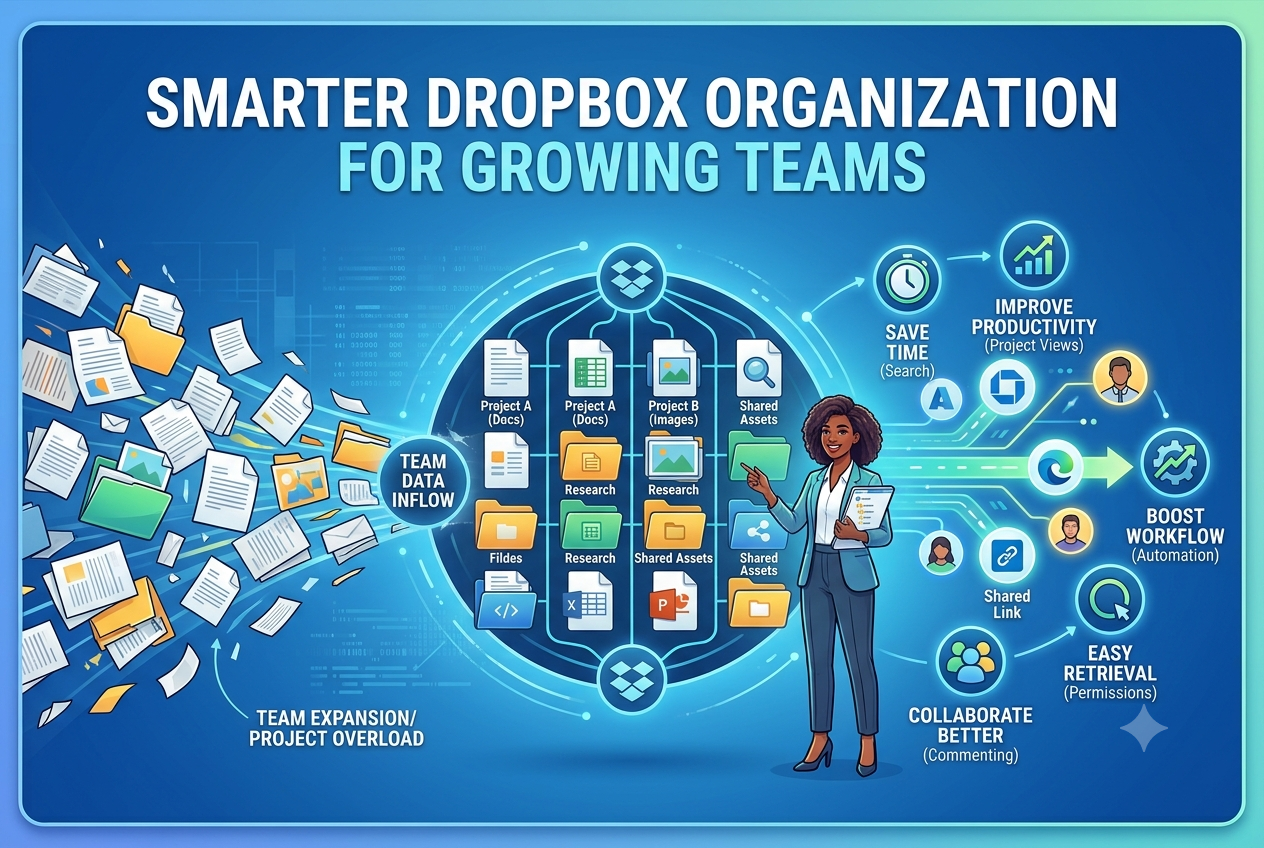
One effective way to avoid these challenges is to **bulk create folders Dropbox**. Instead of manually rebuilding the same folder hierarchy for every new client or project, businesses can use a standardized approach that saves time while maintaining consistency across their workspaces.
Why Folder Organization Matters
An organized folder structure does much more than keep files tidy. It helps employees locate information quickly, improves collaboration, and reduces confusion when multiple people work on the same project.
For example, a marketing agency may need folders for proposals, creative assets, campaign reports, invoices, and final deliverables for every client. If each account manager organizes these folders differently, designers and project coordinators waste valuable time figuring out where documents have been stored.
A consistent structure allows everyone to work more efficiently because the location of every file becomes predictable.
The Hidden Cost of Manual Folder Setup
Creating folders manually may only take a few minutes, but those minutes quickly add up when repeated hundreds of times.
Consider a real estate company managing hundreds of properties throughout the year. Every property requires folders for contracts, inspection reports, maintenance records, photographs, financial documents, and communication with clients.
Repeating the same setup process for every property creates unnecessary administrative work while increasing the possibility of missing folders or inconsistent naming.
Businesses often underestimate how much productivity is lost through repetitive tasks that could easily be standardized.
Real World Benefits of Better Organization
Well planned folder structures provide advantages across many industries.
Construction companies can organize project documentation more effectively.
Schools can maintain separate folders for academic years, classes, and student records.
Healthcare organizations can keep administrative documentation organized while supporting internal compliance requirements.
Consulting firms can ensure every client engagement follows the same documentation process from beginning to end.
These improvements may seem small individually, but together they create smoother workflows and reduce operational inefficiencies.
Planning Before Building Your Folder Structure
Before creating folders, it helps to answer a few important questions.
Which documents will every project generate?
Who needs access to each folder?
How should files and folders be named?
Will the structure continue working as the business grows?
Planning these details early helps prevent future reorganization and makes collaboration much easier for everyone involved.
How Automation Improves Efficiency
Modern businesses automate many repetitive activities, including scheduling, invoicing, and customer communication. File organization can benefit from the same approach.
Automated folder creation reduces repetitive administrative work and allows employees to focus on tasks that require expertise and decision making rather than routine setup.
Instead of spending time building identical folder structures repeatedly, teams can begin working immediately with a standardized workspace.
Solutions such as EZFolders help organizations simplify this process by making folder creation faster and more consistent without requiring technical knowledge.
Preparing for Long Term Growth
As businesses expand, digital information grows alongside them. New employees, additional projects, and increasing collaboration all place greater demands on file organization.
Companies that establish consistent folder management practices early are better prepared for future growth. Organized storage makes onboarding easier, improves collaboration between departments, and reduces the time employees spend searching for documents.
In the long run, effective folder management becomes an important part of overall business efficiency rather than just an administrative task.
Conclusion
Cloud storage is most effective when supported by a clear and consistent organizational system. Businesses that invest in thoughtful folder structures create a stronger foundation for collaboration, productivity, and future growth.
Whether managing client work, internal documentation, or large scale projects, the ability to **create multiple folders at once** helps eliminate repetitive work while ensuring every workspace begins with the same organized structure. A simple improvement in folder management today can save countless hours as your business continues to grow.
Frequently Asked Questions
1. Why is folder organization important for businesses?
A well organized folder structure helps employees find documents quickly, improves collaboration, reduces duplicate files, and increases productivity.
2. Which industries benefit from standardized folder structures?
Marketing agencies, healthcare providers, educational institutions, construction companies, legal firms, consulting businesses, and real estate companies all benefit from organized file management.
3. What should businesses consider when designing folder structures?
Businesses should consider naming conventions, document categories, user permissions, collaboration needs, and future scalability before creating folders.
4. Can folder management tools help growing organizations?
Yes. Folder management tools help businesses standardize their file organization, reduce repetitive work, and maintain consistency as projects and teams expand.
메타데이터
- post_id
- f40d19e6a5c7
- slug
- smarter-dropbox-organization-for-growing-teams-f40d19e6a5c7
- url
- https://medium.com/@jamesssmith077/smarter-dropbox-organization-for-growing-teams-f40d19e6a5c7
- canonical_url
- https://medium.com/@jamesssmith077/smarter-dropbox-organization-for-growing-teams-f40d19e6a5c7
- author_url
- https://medium.com/@jamesssmith077
- status
- ok
- fetched_at
- 2026-07-27 21:01:28