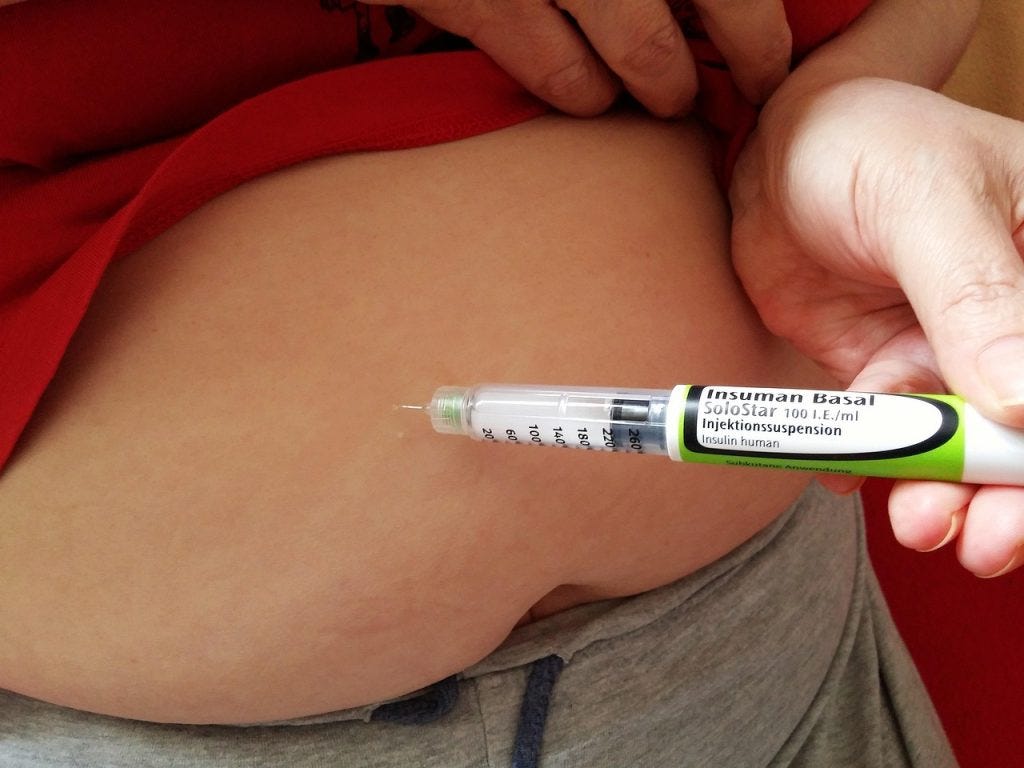
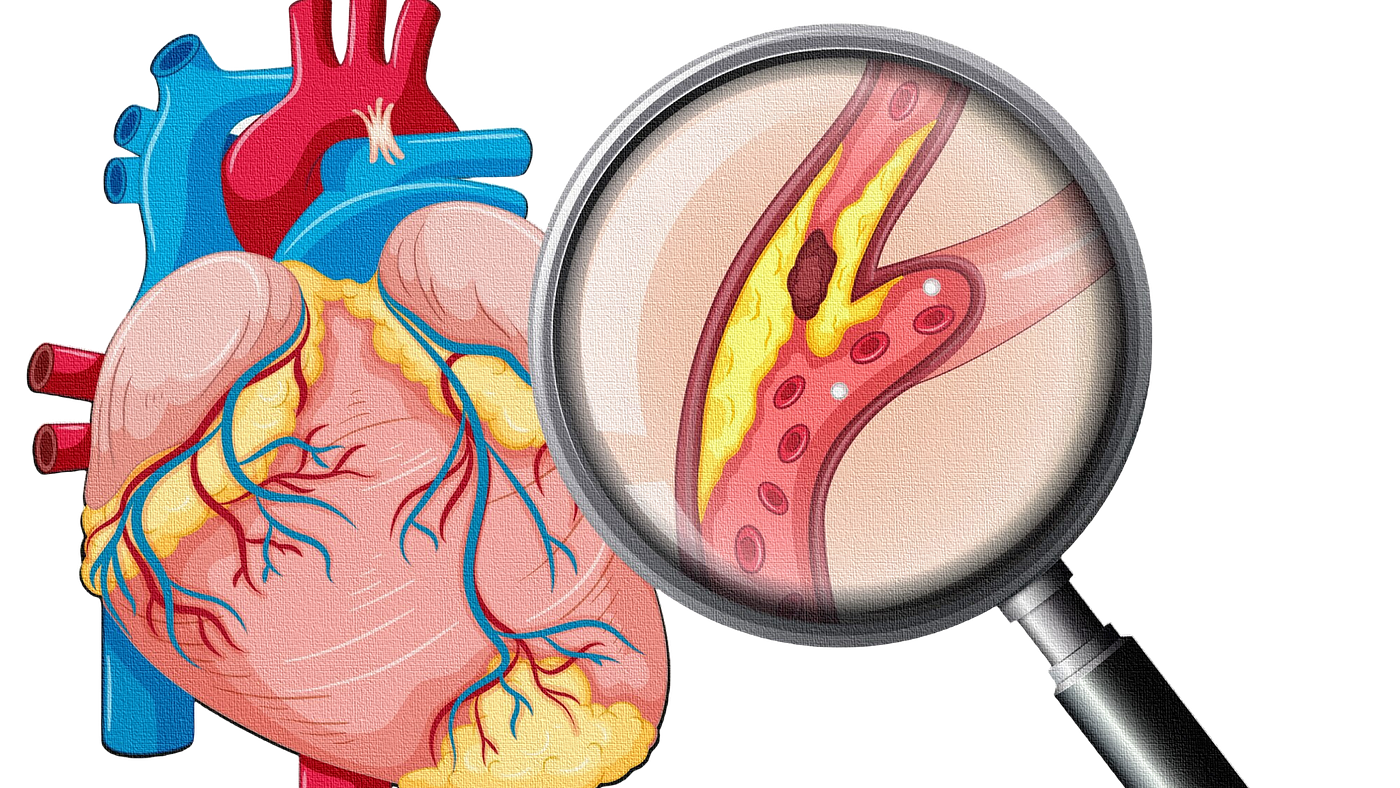
The Liver’s “Night Shift”: Deciphering Fasting Glucose and the Metformin Mystery in 2026
In my two decades of clinical practice — whether I am consulting with families in Iloilo, Philippines, or working with the vibrant…
The Liver’s “Night Shift”: Deciphering Fasting Glucose and the Metformin Mystery in 2026
In my two decades of clinical practice — whether I am consulting with families in Iloilo, Philippines, or working with the vibrant international community in Alicante, Spain — one of the most frequent frustrations I hear from patients with Type 2 Diabetes (T2DM) is what I call the “Fasting Betrayal.”
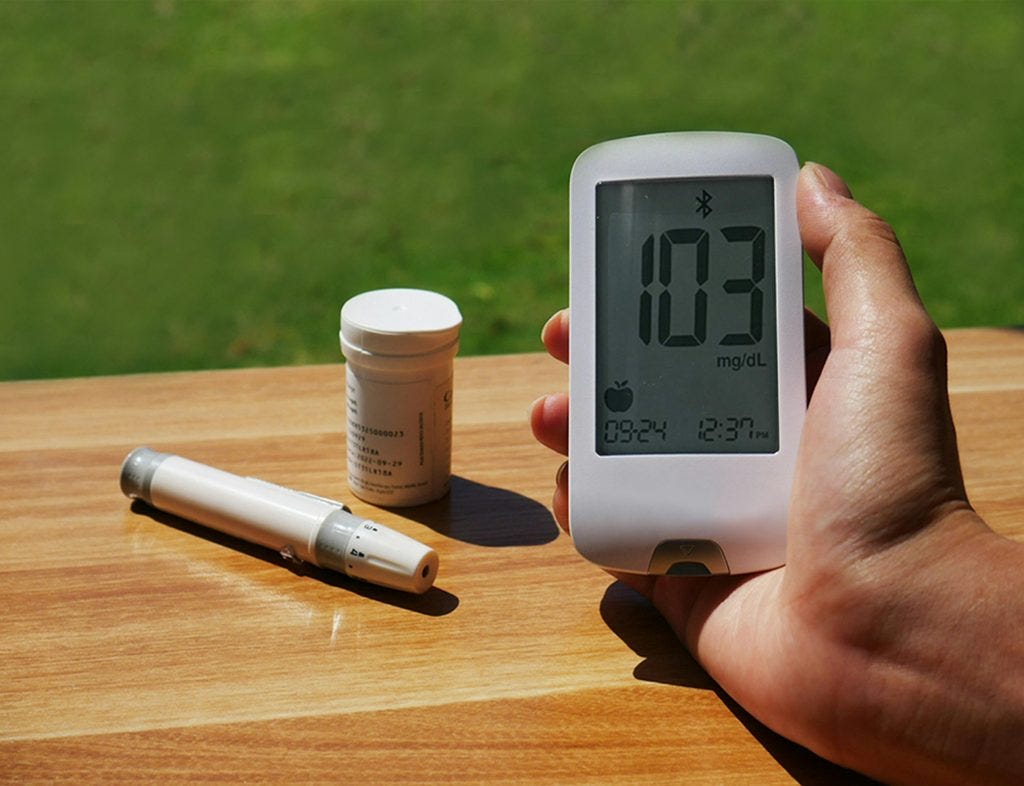
A patient will tell me, with genuine confusion, “Dr. Marie, I followed my diet to the letter. I didn’t eat a single carb after 6:00 PM. I fasted for 12 hours. So why is my blood sugar 140 mg/dL this morning?”
It feels like a betrayal by your own body. You did the work, you skipped the midnight snack, and yet the meter still shows a spike. For years, this has been one of the most confusing aspects of the condition. It feels counterintuitive — if you aren’t eating, where is the sugar coming from?
As of March 24, 2026, thanks to a landmark review from the University of Barcelona and recent clinical advances, we finally have the orchestral score to this “night shift” performed by the liver. We now understand that high fasting glucose isn’t a failure of willpower; it’s a hyperactivation of the liver’s internal sugar factory.
1. The Fasting Glucose Puzzle: Why the Liver Goes into Overdrive
In a healthy metabolism, the liver acts as a sophisticated backup battery. When you fast — such as during sleep — your insulin levels drop, signaling the liver to release stored energy to keep your brain and heart functioning until breakfast.
Understanding Hepatic Gluconeogenesis
This process is called gluconeogenesis: the synthesis of new glucose from non-carbohydrate sources (like amino acids and glycerol). In a flexible, resilient metabolism, this is a beautiful, life-saving mechanism. However, in T2DM, this “factory” loses its off-switch.
The “Insulin Switch” Malfunction
In insulin-resistant patients, the liver essentially “ignores” the signal that there is already enough sugar in the blood. Even though circulating glucose is already high, the liver “thinks” the body is starving and begins to churn out sugar at an industrial rate. This hyperactivation is the primary driver of high fasting glucose levels. It’s not about what you ate at 8:00 PM; it’s about what your liver manufactured at 3:00 AM.
2. Metformin Reimagined: The Complex IV Discovery
Metformin has been the “gold standard” for diabetes for over 60 years, yet for most of that time, we were actually wrong about how it worked at the molecular level. Until recently, the scientific consensus was that Metformin worked primarily by activating a protein called AMPK (a cellular energy sensor) and inhibiting “Complex I” of the mitochondria.
The Shift from Complex I to Complex IV
The 2024 and 2026 data have corrected this long-standing assumption. It turns out that Metformin decreases gluconeogenesis via the inhibition of Complex IV of the mitochondrial electron transport chain.
By targeting Complex IV, Metformin reduces the availability of adenosine triphosphate (ATP) and other substrates the liver needs to synthesize new glucose. This is a much more precise mechanism than we previously realized. It explains why Metformin is so effective at lowering fasting glucose without causing dangerous “crashes” (hypoglycemia) — it simply starves the sugar factory of the power it needs to run its “night shift.”
Metformin and the Gut-Liver Axis
Metformin doesn’t just work in the liver; it starts its journey in the gut, which we now view as a primary “metabolic organ.”
- Intestinal Glucose Uptake: Metformin increases how much sugar the gut uses for its own energy, effectively “intercepting” sugar before it hits the blood.
- Metabolite Signaling: It generates specific metabolites in the gut that travel via the portal vein to the liver, signaling the liver to stop production.
- GLP-1 Stimulation: Metformin stimulates the secretion of GLP-1 in the intestine — the same peptide targeted by modern “weight loss” injections — which further inhibits the liver’s sugar production.
3. New Frontiers: GDF15, TGF-beta, and Future Drug Targets
The University of Barcelona study, led by Professor Manuel Vázquez-Carrera, has identified several “master regulators” that dictate how loud the liver “shouts” during the night. These factors are becoming the primary targets for the next generation of diabetes medications.
GDF15: The Metabolic Brake
Growth Differentiation Factor 15 (GDF15) is a cytokine that has moved to the center of geroscience in 2026. Researchers discovered that GDF15 reduces the levels of proteins required for the liver to manufacture sugar. Essentially, GDF15 acts as a natural “brake” on the liver’s production line. The team is currently working on molecules that can increase circulating GDF15 levels to improve glycemic control system-wide.
TGF-beta and the Fatty Liver Connection
One of the most significant insights for the 2026 clinical landscape is the role of TGF-beta. This pathway is a key driver in MASLD (Metabolic Dysfunction-Associated Fatty Liver Disease).
- The Link: TGF-beta promotes liver fibrosis and metabolic dysfunction.
- The Result: It increases the liver’s drive to produce sugar, explaining why fatty liver and T2DM almost always coexist. Studying this pathway is essential to achieving better glycemic control in patients who suffer from both conditions.
4. The COVID-19 Legacy: Viral Metabolic Hacking
One of the most fascinating sections of the Barcelona review addresses a phenomenon many of us saw during the pandemic: why so many patients hospitalized with COVID-19 developed sudden, severe hyperglycemia, even if they had no history of diabetes.
How SARS-CoV-2 “Hacks” the Liver
The SARS-CoV-2 virus appears to have a direct “hacking” ability on the liver. The virus induces the activity of specific proteins involved in hepatic gluconeogenesis. In my 2026 clinical audits, we often look at “Post-Viral Metabolic Syndrome,” where the liver has been essentially “re-programmed” by a past infection to stay in a high-glucose-production state. This reinforces the idea that metabolic health is not just about diet — it’s about the total inflammatory load the body has carried.
5. Dr. Marie’s 2026 Protocol: Silencing the Metabolic Noise
While we wait for new drugs targeting the TOX3 or GDF15 pathways to hit the market, we can apply the principles of Systemic Resilience to manage fasting glucose today. We have to treat the liver, the gut, and the muscles as a single, unified conversation.
Silencing the “Night Shift”
- Metabolic Integrity Audit: We focus on the Gut-Liver Axis. Incorporating fermentable fibers and high-quality protein helps stimulate that natural GLP-1 response that Metformin exploits.
- The “Newcastle Burst”: I recommend short, high-intensity exercise bursts in the late afternoon. This “empties the tank” of stored glycogen in the muscles, giving the sugar your liver produces somewhere to go, rather than just floating in the blood and damaging your vessels.
- Vascular Shielding: High blood pressure and arterial stiffness exacerbate liver signaling. Keeping your BP strictly under 130/80 helps maintain the proper “pressure” for healthy hormonal signaling.
6. How I Can Help You Protect Your Heart and Metabolism
Understanding why your fasting glucose is high requires a personalized, evidence-based approach that combines internal medicine with specialized rehab. I am here to help you translate the latest geroscience into a plan that protects your liver and extends your vitality.
Online Medical Consultations (Philippines & Global)
Distance should never be a barrier to expert care. I offer 24/7 secure online consultations for the Filipino community and OFWs globally. We can review your metabolic health and cardiovascular risk factors to ensure you are on the right path.
- Metabolic & Longevity Assessments: Evaluating your biomarkers — such as HbA1c, Fasting Glucose, and hs-CRP — through a geriatric and internal medicine lens to find the “early squeeze.”
- Chronic Disease Management: Addressing the hypertension and liver fat that drive T2DM.
**BOOK YOUR CONSULTATION ON SERIOUSMD**
Geriatric Rehab & Anti-Aging Clinic (Alicante & Costa Blanca, Spain)
For the international community in the Valencian region, I offer specialized services to help you stay strong and resilient.
Learn more at: **Puente Costa Blanca | puentecostablanca.es**
- **Sarcopenia y Vitalidad (Sarcopenia & Vitality):** Medically-supervised strength programs to maintain the muscle mass your body needs to “soak up” excess liver glucose.
- Entrenamiento Neuro-Functional: Supporting the brain-liver axis to manage the systemic stress that triggers nighttime sugar production.
- Autonomía y Confort: Managing joint health and ergonomics for a pain-free, active Mediterranean lifestyle.
Final Thoughts: From Reaction to Regulation
The realization that high fasting glucose is a coordinated biological event — rather than just a “bad reading” — changes how we treat it. We aren’t just fighting a number on a meter; we are quieting a shouting match between your liver, your gut, and your mitochondria.
By understanding the new mechanics of Metformin and the potential of targets like GDF15, we are moving closer to a future where we don’t just “manage” diabetes; we regulate the very pathways of life. Let’s keep your metabolic symphony in harmony.
Dr. Marie Gabrielle A. Laguna, MSc, M.D., FPCP, FDip (Geriatric Rehab, UK) Internal Medicine & Senior Health Specialist
메타데이터
- post_id
- f40efe050dbe
- slug
- the-livers-night-shift-deciphering-fasting-glucose-and-the-metformin-mystery-in-2026-f40efe050dbe
- url
- https://medium.com/@fusianpharma/the-livers-night-shift-deciphering-fasting-glucose-and-the-metformin-mystery-in-2026-f40efe050dbe
- canonical_url
- https://medium.com/@fusianpharma/the-livers-night-shift-deciphering-fasting-glucose-and-the-metformin-mystery-in-2026-f40efe050dbe
- author_url
- https://medium.com/@fusianpharma
- status
- ok
- fetched_at
- 2026-08-10 07:42:36