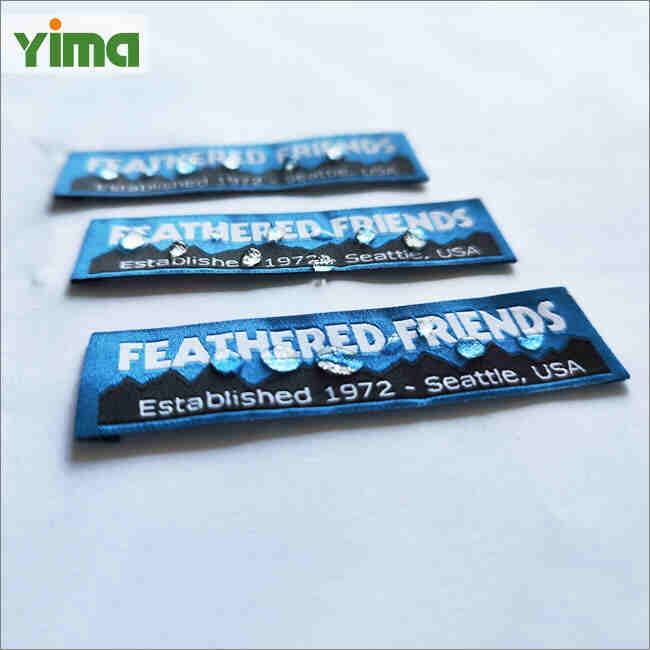
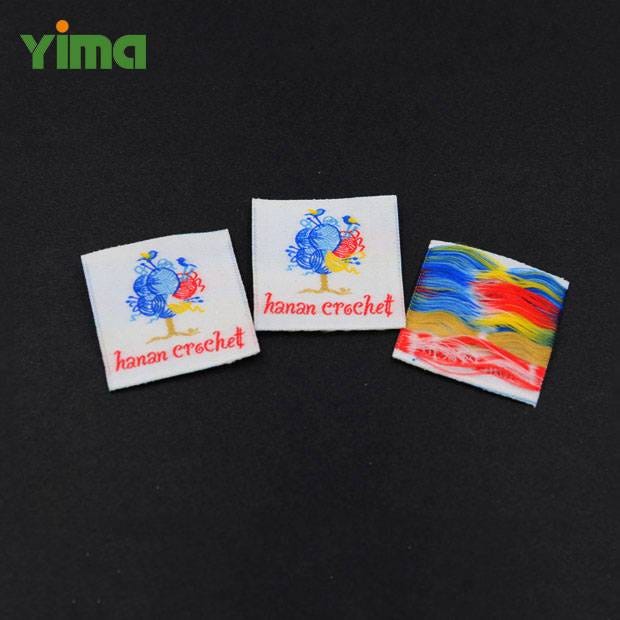
What methods can be used to improve the durability of clothing labels?
To improve the durability of clothing labels, it is necessary to comprehensively consider multiple dimensions such as material selection…
What methods can be used to improve the durability of clothing labels?
To improve the durability of clothing labels, it is necessary to comprehensively consider multiple dimensions such as material selection, process processing, and design optimization, and combine the use scenarios of clothing (such as whether it is often washed, whether it is worn close to the body) and brand needs. The following are specific methods and practical suggestions:
1. Material selection: Improve durability from the source
Match durable materials according to clothing labels types
Clothing that needs to be washed frequently (such as T-shirts, underwear):
Care labels should give priority to synthetic fiber materials such as polyester (polyester) and nylon (nylon). These materials are water-resistant and friction-resistant, and are not easily deformed after multiple washings, and are suitable for printing durable inks (such as disperse dyes). If you pursue environmental protection, you can choose recycled polyester (RPET), which has similar performance to virgin polyester, but is more in line with the concept of sustainability.
Outdoor/functional clothing:
Labels need to withstand high temperatures and sweat corrosion. Polyolefin (PO) film or silicone material can be selected. The former is tear-resistant and chemical-resistant, and the latter is soft and high-temperature resistant (suitable for scenes of skin contact or contact with sweat).
High-end clothing (such as suits and cashmere sweaters):
Hangtags can be made of thick recycled paper, linen paper or vegetable tanned leather. These materials are stiff and not easy to be damaged, and the texture can be improved through embossing, hot stamping and other processes; the main label/size label can be made of mercerized cotton and silk blended fabrics, which are both soft and durable.
Avoid “material shortcomings”
If paper hangtags need to be waterproof, they can be covered with degradable coatings (such as plant wax coatings) to avoid deformation due to moisture;
For labels sewn on underwear, ultrasonic trimming is preferred instead of traditional cutting to reduce wear caused by rough edges.
2. Process optimization: Enhance the physical and chemical stability of labels
Printing and color fixing process
Care labels are made by thermal transfer, screen printing or laser engraving:
Thermal transfer ink has strong adhesion and is suitable for synthetic fibers such as polyester. It is not easy to fade after washing;
Screen printing is suitable for thick material labels (such as canvas tags), with saturated colors and friction resistance;
Laser engraving does not require ink and directly forms a permanent mark on the surface of the material (such as leather, bamboo and wood labels), completely solving the “fading” problem.
Avoid ordinary water-based inks for water-based labels: water-based inks are easy to smudge when exposed to water, especially for clothing that is frequently washed.
Edge and splicing treatment
The edges of the labels are hemmed, locked or rounded:
Hemming (such as wrapping the edges of the labels with sewing thread of the same color) can prevent the fabric from pulling out and extend the life of the care label;
Rounded cutting prevents the edges of paper/cloth labels from cracking due to friction, while reducing the risk of scratching the skin.
Multi-layer labels use ultrasonic bonding instead of glue: glue may become ineffective when exposed to water or high temperature, causing the label to delaminate; ultrasonic bonding uses physical high-temperature welding, which is stronger and has no chemical residue.
3. Design and use scenario adaptation
Simplify the structure and reduce vulnerable points
Avoid “multi-layer superposition” design: If the tag does not need more than 3 layers of paper, a single thick paper + hot stamping / embossing process can be used instead to reduce the risk of breakage during folding;
Integrate information on the care label: Combine the size, ingredients, and care instructions on one label to reduce the number of sewing times (too many stitches will cause uneven force on the label and easy tearing).
Optimize the position and fixing method
Avoid the “high-frequency friction area” when sewing the label:
The care label of underwear can be sewn on the side seam (not the back of the neck) to reduce direct friction with the skin;
The main label of the coat can be “woven directly into the fabric” to avoid edge warping caused by additional sewing.
High-strength environmentally friendly rope for fixing the tag: such as cotton wax rope and degradable nylon rope, instead of easily broken paper rope or thin cotton rope; if it needs to be reused (such as gift boxes of high-end brands), it can be matched with metal snaps for easy disassembly and not easy to damage.
Washing and care methods suitable for clothing
Clothing that needs dry cleaning: avoid using materials that are not resistant to organic solvents (such as some recycled plastics) for label materials, and use chemically resistant inks for printing processes;
Infant and toddler clothing: labels must meet the “skin contact” standard (such as GB 31701), and the material should preferably be soft organic cotton or bamboo fiber, and avoid using small beads, sequins and other decorations that are easy to fall off (to prevent accidental swallowing).
4. Supply chain and quality control
Clear material and process standards
Sign a detailed agreement with the supplier: specify the number of washes the label can withstand (such as the washing label must pass 20 wash tests, with clear handwriting) and the temperature resistance range (such as the ironing label must withstand 150℃ high temperature);
Sampling inspection: Randomly select samples from each batch of labels to simulate consumer usage scenarios (such as soaking, scrubbing, and exposure) to troubleshoot problems in advance.
Reserve room for error
Adaptation test of environmentally friendly materials: For example, when using recycled paper hang tags, test their stability in different humidity environments in advance to avoid deformation after mass production;
Backup plan: If the main “sustainable material” (such as hemp hemp label) is not durable enough, it can be matched with a small amount of reinforcement technology (such as edge composite degradable film) to balance environmental protection and practicality.
Summary
The core of improving the durability of clothing labels is the matching of “materials, processes, and scenarios” — it is necessary to select durable materials according to the frequency of use and washing and care methods of clothing, and to enhance stability through process optimization (such as reinforced edges, water-resistant printing), while avoiding the problem of fragility caused by excessive design. For brands, durable labels can not only reduce after-sales disputes, but also convey a “sense of quality” through details, indirectly enhancing brand trust.
메타데이터
- post_id
- f42e79fcbb51
- slug
- what-methods-can-be-used-to-improve-the-durability-of-clothing-labels-f42e79fcbb51
- url
- https://medium.com/@yimalabel/what-methods-can-be-used-to-improve-the-durability-of-clothing-labels-f42e79fcbb51
- canonical_url
- https://medium.com/@yimalabel/what-methods-can-be-used-to-improve-the-durability-of-clothing-labels-f42e79fcbb51
- author_url
- https://medium.com/@yimalabel
- status
- ok
- fetched_at
- 2026-08-01 10:50:23