When Sugihara Finally Spoke
— The Sugihara Perspective (7): A Voice After Silence
When Sugihara Finally Spoke
— The Sugihara Perspective (7): A Voice After Silence
This post highlights a rare video interview with SThis post highlights a rare video interview with Sugihara Chiune, the Japanese diplomat who saved thousands of refugees during World War II. Speaking calmly in his 80s, Sugihara reflects on the obstacles he faced — including opposition from Tokyo — and reveals subtle traces of how his multilingual life shaped his memories. A quiet but powerful look into the man behind the visas.

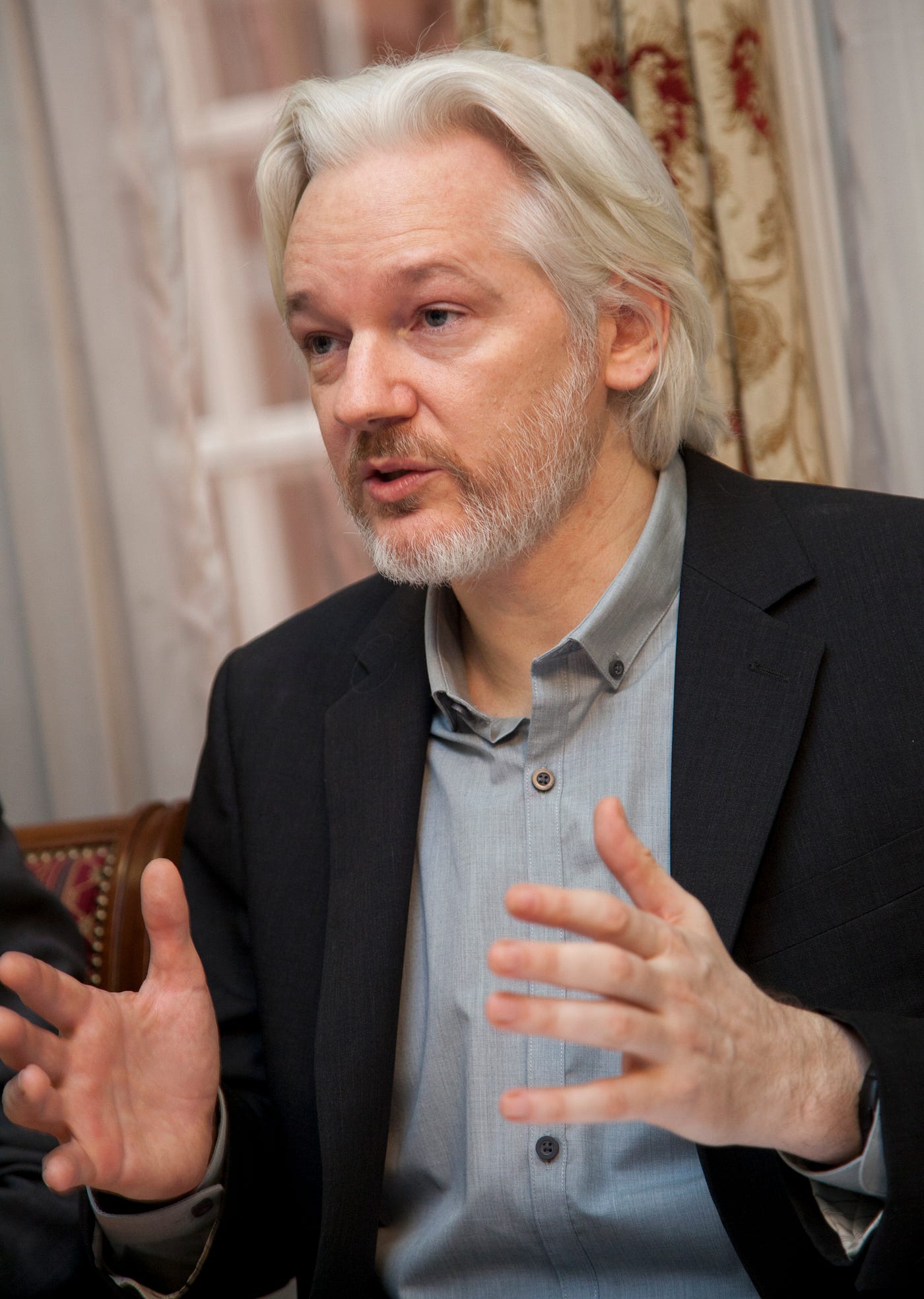
Fig. Conceptual portrait of Sugihara Chiune See the full interview [1].
The video offers a personal, unfiltered glimpse into Sugihara himself. Though over 80 years old at the time of the interview, he speaks with a steady voice and clear, measured tone.
■ Why Tokyo was Against the Visas ?
At 06:54, Sugihara recalls:
“The response to my second telegram said (translation by the author of this post):


One part of this statement — that “even if they get a Soviet visa, it would be meaningless” — is something I had previously overlooked.
Later, I learned how much effort Sugihara had put into securing Soviet transit of the refugees. His remark might seem abrupt at first, but when one considers the geopolitical reality, it makes perfect sense [2]:


Fig. From Kaunas to Vladivostok. source: google earth modified by the author
Sugihara recounts this without drama or bitterness. His calm, factual tone leaves a deep impression — consistent with the famous photographs taken of him in Kaunas.
To non-Japanese viewers, his face may appear unreadable. But to those who look closer, there is a quiet intensity and deep conviction in his words and demeanor.
■ A Telling Moment: Recalling in Another Language?
At 08:06, Sugihara first says “gas chamber” in English — then quickly corrects himself to Japanese: “gasu no heya” (“gas room”).
The phrase “gasu no heya” is not standard Japanese. It’s likely that “gas chamber” felt too foreign or abrupt, and he instinctively tried to soften or translate it. Yet “gasu no heya” also feels improvised — suggesting he didn’t have a more natural Japanese equivalent readily available.
This small slip suggests something profound: his memories of wartime events may have been formed in a different language.
Sugihara was known for his fluency in Russian, German, and English in addition to Japanese. Even decades later, he may have been mentally recalling the events in one of those languages, translating them into Japanese only as he spoke.
🎬 References
메타데이터
- post_id
- f45e4f5ffd4e
- slug
- sugihara-speaks-a-rare-youtube-interview-with-the-man-behind-the-visas-f45e4f5ffd4e
- url
- https://medium.com/@takashimatsumoto_55323/sugihara-speaks-a-rare-youtube-interview-with-the-man-behind-the-visas-f45e4f5ffd4e
- canonical_url
- https://medium.com/@takashimatsumoto_55323/sugihara-speaks-a-rare-youtube-interview-with-the-man-behind-the-visas-f45e4f5ffd4e
- author_url
- https://medium.com/@takashimatsumoto_55323
- status
- ok
- fetched_at
- 2026-07-10 05:19:05