Selecting the Best Remote Distance Learning Solutions A Complete Buyer’s Guide
What educators and institutions must consider before investing in online and hybrid learning technology.
Selecting the Best Remote Distance Learning Solutions A Complete Buyer’s Guide
What educators and institutions must consider before investing in online and hybrid learning technology.

Remote Distance Learning Solutions
Education has evolved far beyond physical classrooms. Institutions across the globe are adopting digital and hybrid learning models to ensure continuity, accessibility, and scalability. However, with numerous platforms and tools available, choosing the right **remote distance learning solutions** can be challenging.
A well-planned solution does more than deliver online classes — it creates an engaging, interactive, and reliable learning environment for both educators and students. This guide outlines the most important factors institutions should consider before making a decision.
1. Understand Your Learning Model and Audience
Before evaluating technology, institutions must define their learning structure. Are you supporting fully remote education, hybrid classrooms, or distance learning for professional training?
Different audiences — school students, university learners, or corporate trainees — have different requirements. For example, higher education often needs advanced video collaboration tools, while K–12 learning benefits from simpler interfaces and interactive content delivery.
Choosing the right remote learning infrastructure begins with understanding who will use it and how often.
2. Prioritize Video Quality and Classroom Interaction
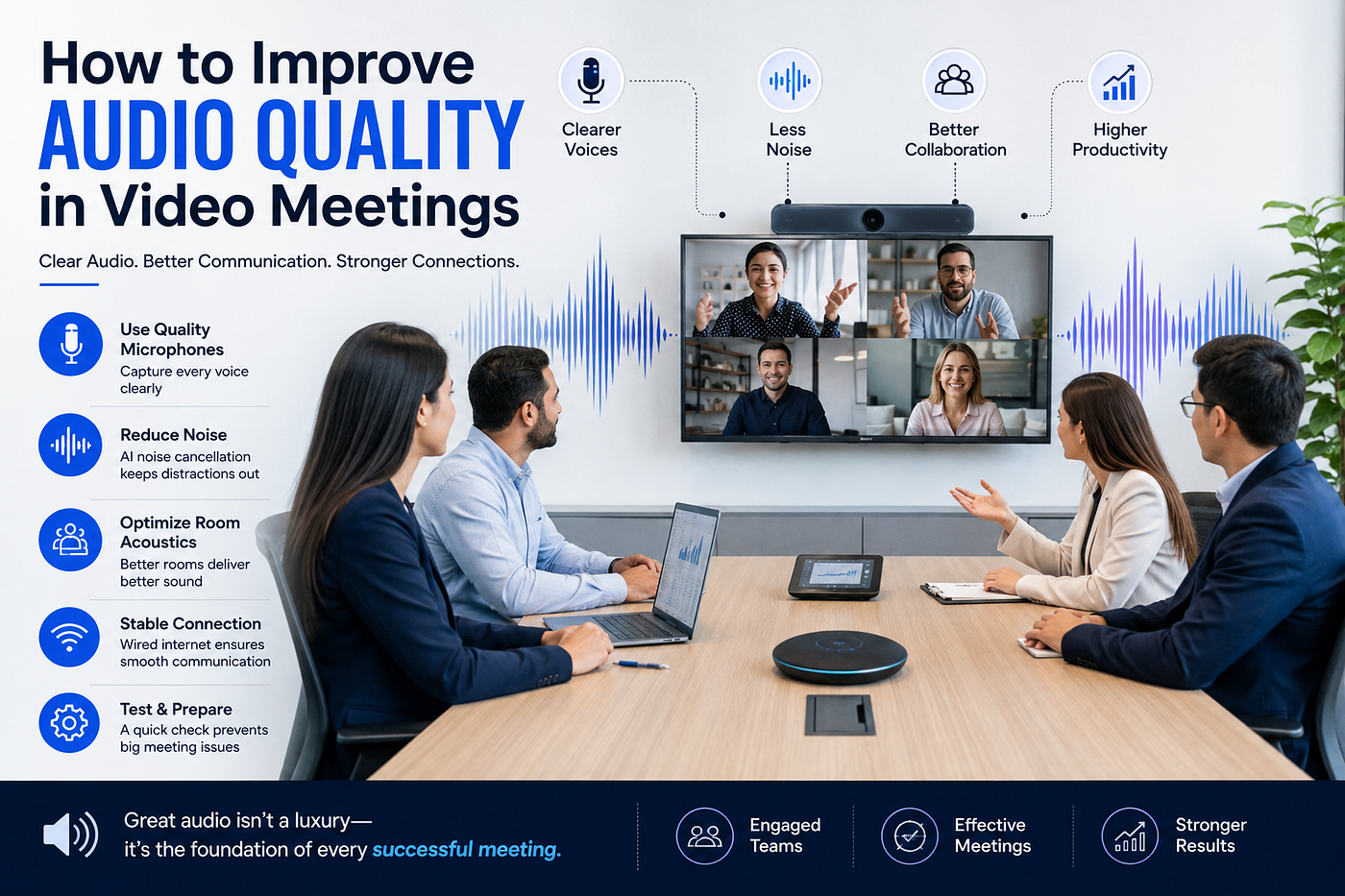
At the core of any distance learning system is video communication. Poor video quality leads to disengagement and learning fatigue.
Institutions should look for solutions that support:
- High-definition video streaming
- Clear audio for instructors and learners
- Intelligent camera tracking for teachers
- Real-time interaction and screen sharing
Modern **remote distance learning solutions** must replicate classroom presence as closely as possible to keep learners focused and involved.
3. Ensure Seamless Integration with Existing Systems
Most institutions already use learning management systems, collaboration tools, or digital content platforms. A good solution should integrate smoothly with existing systems rather than replacing everything.
Integration capabilities reduce training time, simplify administration, and improve adoption rates among educators. This is especially important when deploying smart classroom solutions across multiple campuses or departments.
4. Scalability and Long-Term Flexibility
Education technology investments should be future-proof. Institutions must consider whether the solution can scale as student numbers grow or learning models change.
Cloud-enabled platforms, modular hardware setups, and flexible licensing models allow institutions to expand without major infrastructure changes. This flexibility is critical for organizations planning long-term digital education transformation.
5. Reliability, Security, and Data Privacy
Remote learning platforms handle sensitive student data and academic content. Security and reliability are non-negotiable.
Institutions should evaluate:
- Platform uptime and performance consistency
- Data encryption and secure access controls
- Compliance with regional data protection standards
A trusted distance learning system ensures uninterrupted classes and protects institutional credibility.
6. Ease of Use for Educators and Students
Technology should simplify teaching — not complicate it. Faculty members should be able to start sessions, share content, and manage classrooms without technical expertise.
User-friendly interfaces encourage adoption and reduce dependence on IT teams. The most effective remote distance learning solutions are those that blend advanced features with intuitive usability.
7. Support, Training, and Implementation
Even the best technology needs proper onboarding. Institutions should partner with solution providers that offer:
- Deployment planning and consultation
- Educator training programs
- Ongoing technical support
Strong implementation support ensures that distance learning initiatives succeed from day one and continue to deliver value over time.
Final Thoughts
Choosing the right remote distance learning solution is not just a technical decision — it is a strategic investment in the future of education. Institutions that focus on engagement, scalability, integration, and reliability are better positioned to deliver impactful learning experiences.
As digital education continues to evolve, selecting the right solution today will define how effectively institutions teach, connect, and grow tomorrow.
To explore a detailed framework and real-world considerations, visit this in-depth guide on remote distance learning solutions: 👉 https://www.peoplelinkvc.com/how-to-choose-the-right-remote-distance-learning-solutions/
메타데이터
- post_id
- f45ea544fe82
- slug
- selecting-the-best-remote-distance-learning-solutions-a-complete-buyers-guide-f45ea544fe82
- url
- https://medium.com/@vinay.peoplelinkvc/selecting-the-best-remote-distance-learning-solutions-a-complete-buyers-guide-f45ea544fe82
- canonical_url
- https://medium.com/@vinay.peoplelinkvc/selecting-the-best-remote-distance-learning-solutions-a-complete-buyers-guide-f45ea544fe82
- author_url
- https://medium.com/@vinay.peoplelinkvc
- status
- ok
- fetched_at
- 2026-08-04 04:36:11