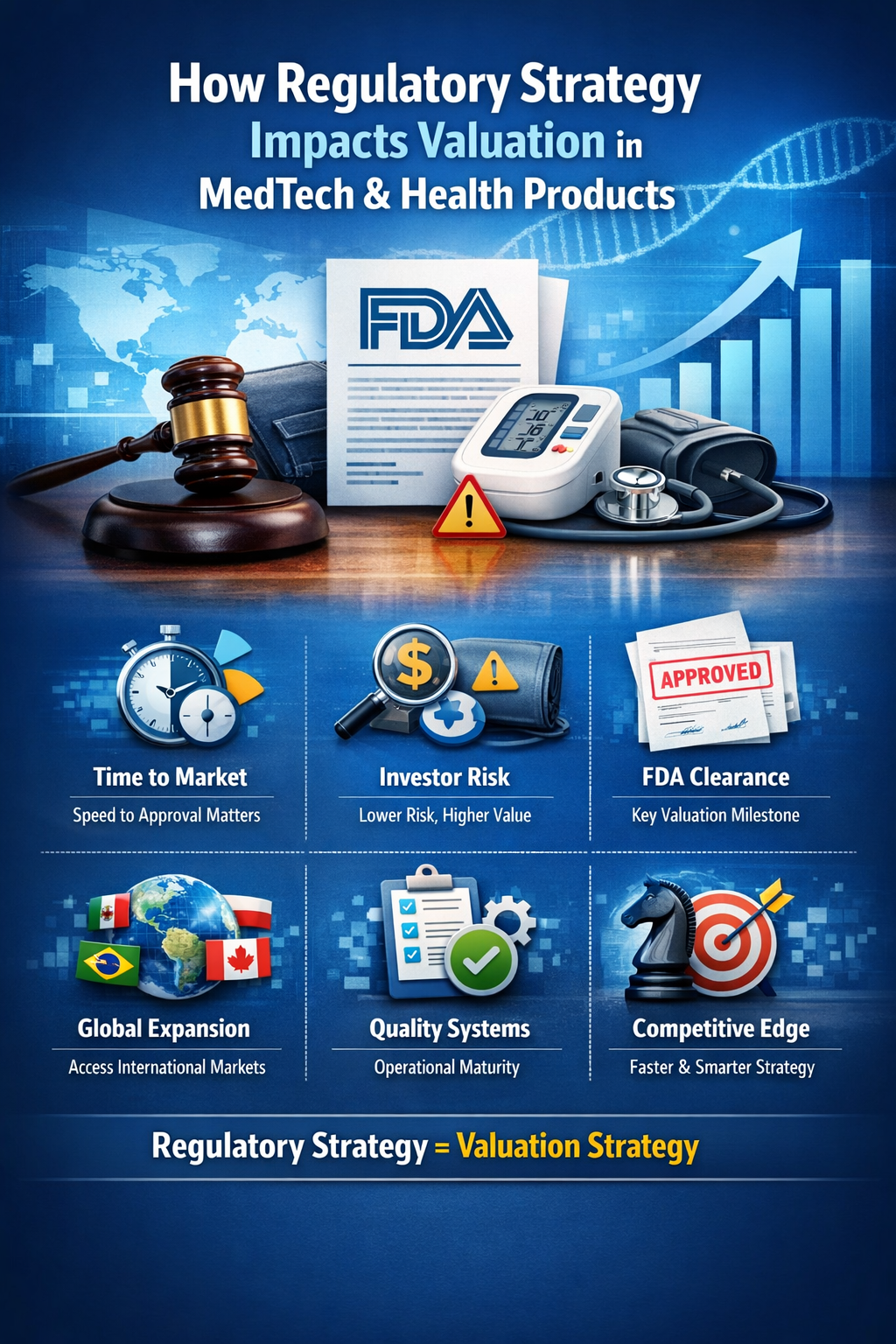
De Novo
The FDA De Novo pathway is a specialized regulatory route for novel, low- to moderate-risk medical devices that lack an existing predicate…
De Novo
The FDA De Novo pathway is a specialized regulatory route for novel, low- to moderate-risk medical devices that lack an existing predicate device, allowing innovators to bring ground-breaking technology to the U.S. market without the constraints of substantial equivalence required by the traditional 510(k) process.
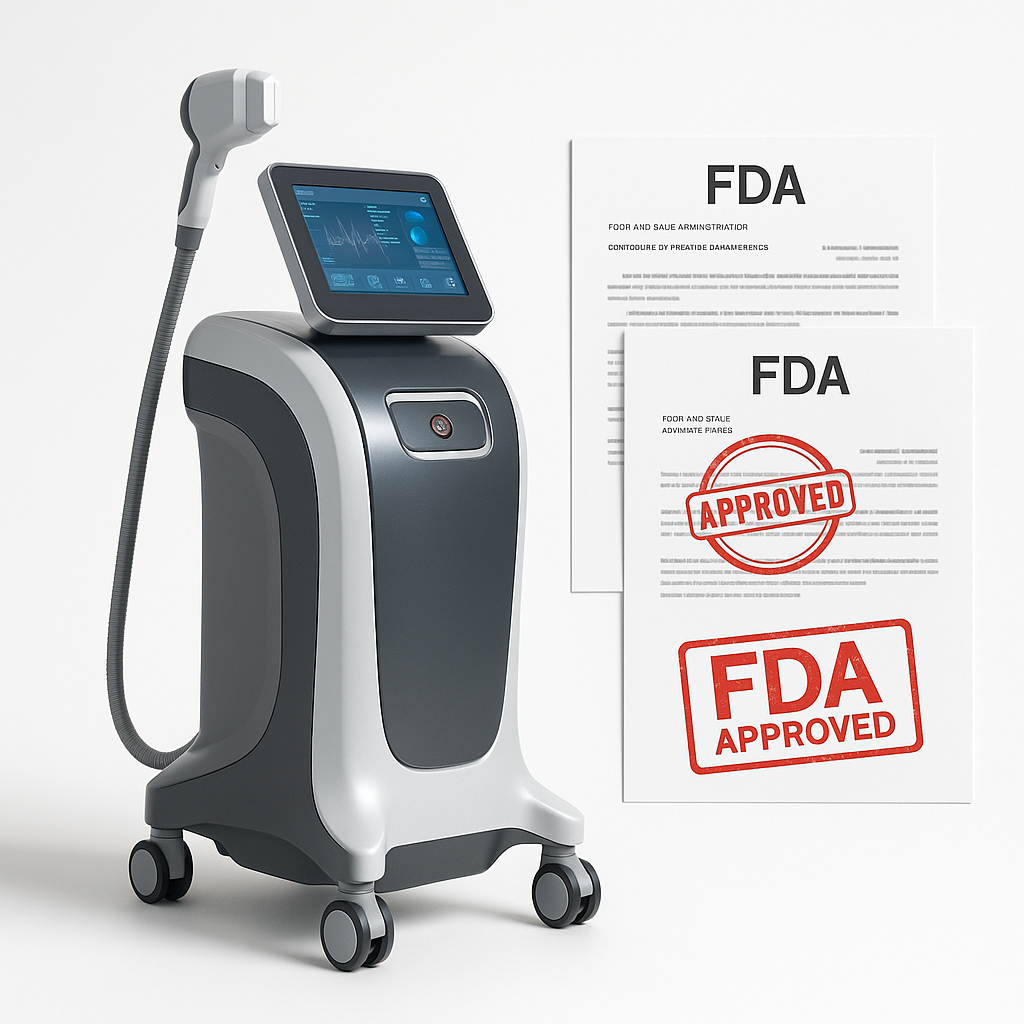
What Is the FDA De Novo Pathway?
The FDA De Novo Classification Request provides a risk-based mechanism for approving medical devices that are fundamentally new and do not fit existing classifications. This pathway is reserved for devices whose design or intended use is novel and cannot be compared to products already on the market (i.e., no predicate device). Devices reviewed through De Novo can ultimately be classified as Class I or Class II, depending on their assessed risk profile.
Why Was the De Novo Pathway Created?
Historically, any new device without a predicate was automatically assigned into Class III — the highest risk category — requiring exhaustive premarket approval (PMA) even if the real-world risk did not warrant it. FDA established the De Novo process to allow more appropriate risk-based classifications for innovative devices, streamlining access to the market for safer technologies and reducing regulatory burden.
When Is the De Novo Pathway Used?
This pathway applies when:
- There is no legally marketed predicate device.
- The device is low to moderate in risk.
- Manufacturers can show that general controls alone (Class I) or combined with special controls (Class II) are sufficient to assure device safety and effectiveness.
Two key scenarios allow for De Novo submission:
- After a “Not Substantially Equivalent” (NSE) determination in a 510(k).
- Directly, where the manufacturer identifies there is no predicate device before submitting a 510(k).
How Does the De Novo Process Work?
- The manufacturer prepares a comprehensive submission addressing device risks, benefits, and risk mitigation strategies.
- The FDA reviews the submission to determine if general and special controls sufficiently mitigate risks for Class I or II classification.
- Upon approval, the device is classified and can serve as a future predicate for 510(k) submissions of similar devices.
Recent Developments and Trends
Recent final rules and guidance updates (2021 onward) have clarified De Novo submission requirements and promoted transparency, with eSTAR and other systems making electronic submissions more efficient. The process supports more rapid innovation in medical technology and allows new devices to define regulatory requirements for their class.
Why the De Novo Pathway Matters
The De Novo pathway has catalyzed the introduction of many novel medical devices, ensuring regulatory rigor while fostering innovation. For device manufacturers, it opens doors that traditional routes may keep closed, marking the first step in defining new regulatory benchmarks for emerging medical technologies.
Final Thoughts
Navigating the De Novo process requires thorough risk analysis, robust regulatory documentation, and an understanding of FDA controls, but its impact on device innovation and patient care is substantial and growing in 2025.
메타데이터
- post_id
- f4a1defd4b2c
- slug
- de-novo-f4a1defd4b2c
- url
- https://medium.com/@verusip/de-novo-f4a1defd4b2c
- canonical_url
- https://medium.com/@verusip/de-novo-f4a1defd4b2c
- author_url
- https://medium.com/@verusip
- status
- ok
- fetched_at
- 2026-07-17 11:44:46