Prosthetics
The prosthetic limb, or prosthetic, is an invention that has been through several changes ever since it was first made. The main goal of…
Prosthetics
The prosthetic limb, or prosthetic, is an invention that has been through several changes ever since it was first made. The main goal of the prosthetic is to replace a lost body part, such as a limb, joint, or organ, to restore mobility and function. Prosthetics might also perform a cosmetic function, but in this blog post I will mainly focus on the mobility and function parts.
The Evolution of the Prosthetic
The prosthetic started out as a simple wooden piece that was attached to amputated or lost limbs, like hands and feet, in order to restore some mobility to the user. As technology got more advanced, we started to see prosthetics look more like the modern ones we see today.
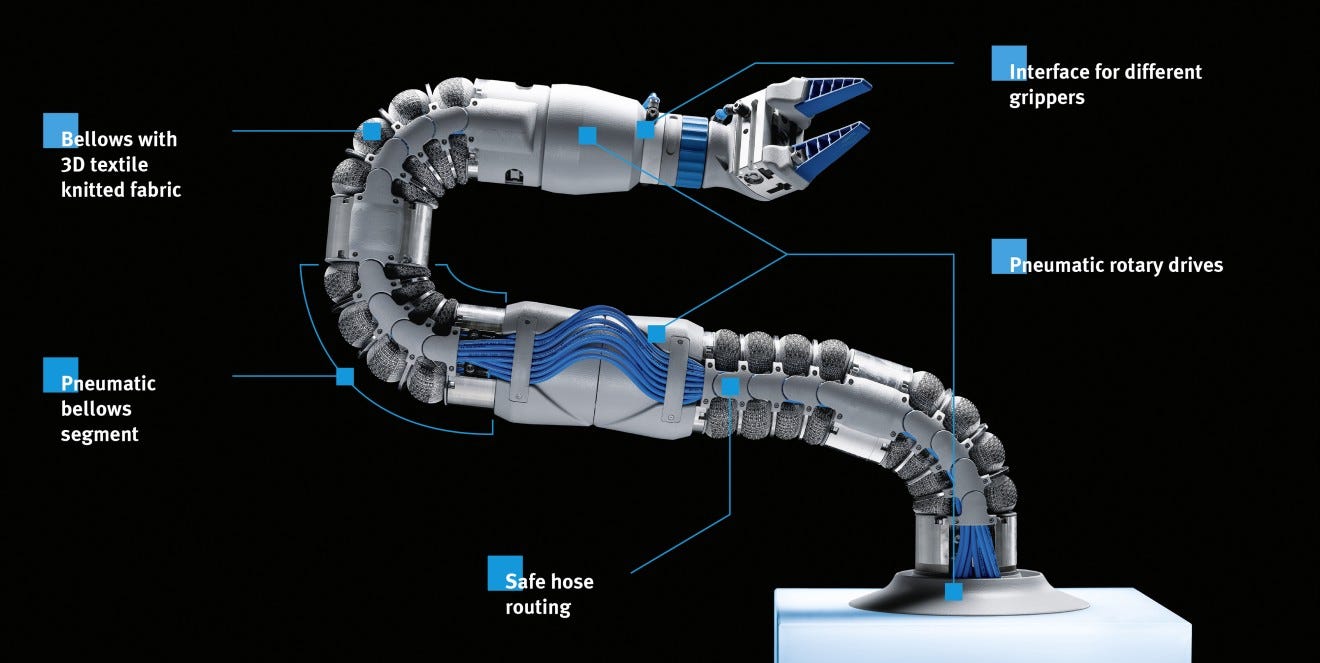
The idea of the prosthetic might have started out by just being an attachment for limbs, but they have evolved to include a variety of other applications. Now, prosthetics can be implemented inside the human body. They can be used in the heart to replace ventricles that fail to pump blood throughout the body. There are also prosthetics that serve as additional fingers to help people carry more things. Although the function of the prosthetic has always been to help the human body perform tasks that it isn’t able to, the definition of the prosthetic has changed from simply being an arm or leg attachment to being something that can be implemented anywhere in the body.
How They Work
There is a lot of tech implemented into prosthetics that allows them to be as precise as possible. Myoelectric sensors detect muscle signals, and help with the control of the prosthetic. Microcontrollers and motors are used to move smaller parts of the prosthetic, like fingers and toes. Carbon fiber sockets reduce the weight of the prosthetic, aiding comfort. There have been many successful prosthetic trials that include AI to add even more control.

Functionality v Accessibility
One major tradeoff in prosthetics is functionality v accessibility. As with many other fields, this means that the prosthetics that work better will cost more, being open to less people, and the prosthetics that don’t work as well will cost less and be available to more people. Currently, a prosthetic arm can cost anywhere from $20k to as big as $100k.
The big question in the field of prosthetics currently is how to provide the best prosthetics to everyone, not just the people who can afford them. The solution to this question can come in many forms, from using cheaper materials, to optimizing the prosthetic itself to need less materials.
A few other gaps
Currently, there are other gaps in the field of prosthetics.
One of these gaps is children outgrowing their prosthetics as they grow. Some of the other gaps are the overall fit of the prosthetic and tailoring it to each person, its battery life in terms of invasive prosthetics, and the comfort of the prosthetic that ties into the fitting.
These gaps are being solved by scientists and engineers all over the world, but anyone who cares can make a difference in this field.
Next Blog Steps
Thank you for accompanying me through my blogging journey! See you in the next post.
메타데이터
- post_id
- f4e43065b1b4
- slug
- prosthetics-f4e43065b1b4
- url
- https://medium.com/@biomechsblog/prosthetics-f4e43065b1b4
- canonical_url
- https://medium.com/@biomechsblog/prosthetics-f4e43065b1b4
- author_url
- https://medium.com/@biomechsblog
- status
- ok
- fetched_at
- 2026-06-09 15:37:30