Personal Protective Equipment for Workplace Safety
Workplace safety is a top priority in every industry, whether it is construction, manufacturing, healthcare, warehousing, or chemical…
Personal Protective Equipment for Workplace Safety
Workplace safety is a top priority in every industry, whether it is construction, manufacturing, healthcare, warehousing, or chemical processing. Employees face various risks during their daily tasks, and employers have a responsibility to create a safe working environment. One of the most effective ways to reduce workplace injuries and protect workers from hazards is the proper use of **Personal Protective Equipment for Workplace Safety**.
Personal Protective Equipment (PPE) refers to specialized clothing, gear, and equipment designed to protect workers from physical, chemical, biological, and environmental dangers. While safety procedures and training are essential, PPE serves as the last line of defense when other control measures cannot fully eliminate workplace risks.
Understanding the Importance of PPE
Every workplace contains potential hazards. Workers may encounter falling objects, sharp materials, harmful chemicals, excessive noise, dust, electrical risks, or airborne contaminants. Without adequate protection, these hazards can lead to serious injuries, illnesses, or even fatalities.
Using **Personal Protective Equipment for Workplace Safety** helps minimize the impact of workplace hazards and provides workers with an additional layer of protection. Properly selected and maintained PPE not only reduces injury rates but also promotes employee confidence and productivity.
Common Types of Personal Protective Equipment
Different work environments require different forms of protection. Employers should conduct risk assessments to determine the appropriate PPE for specific tasks.
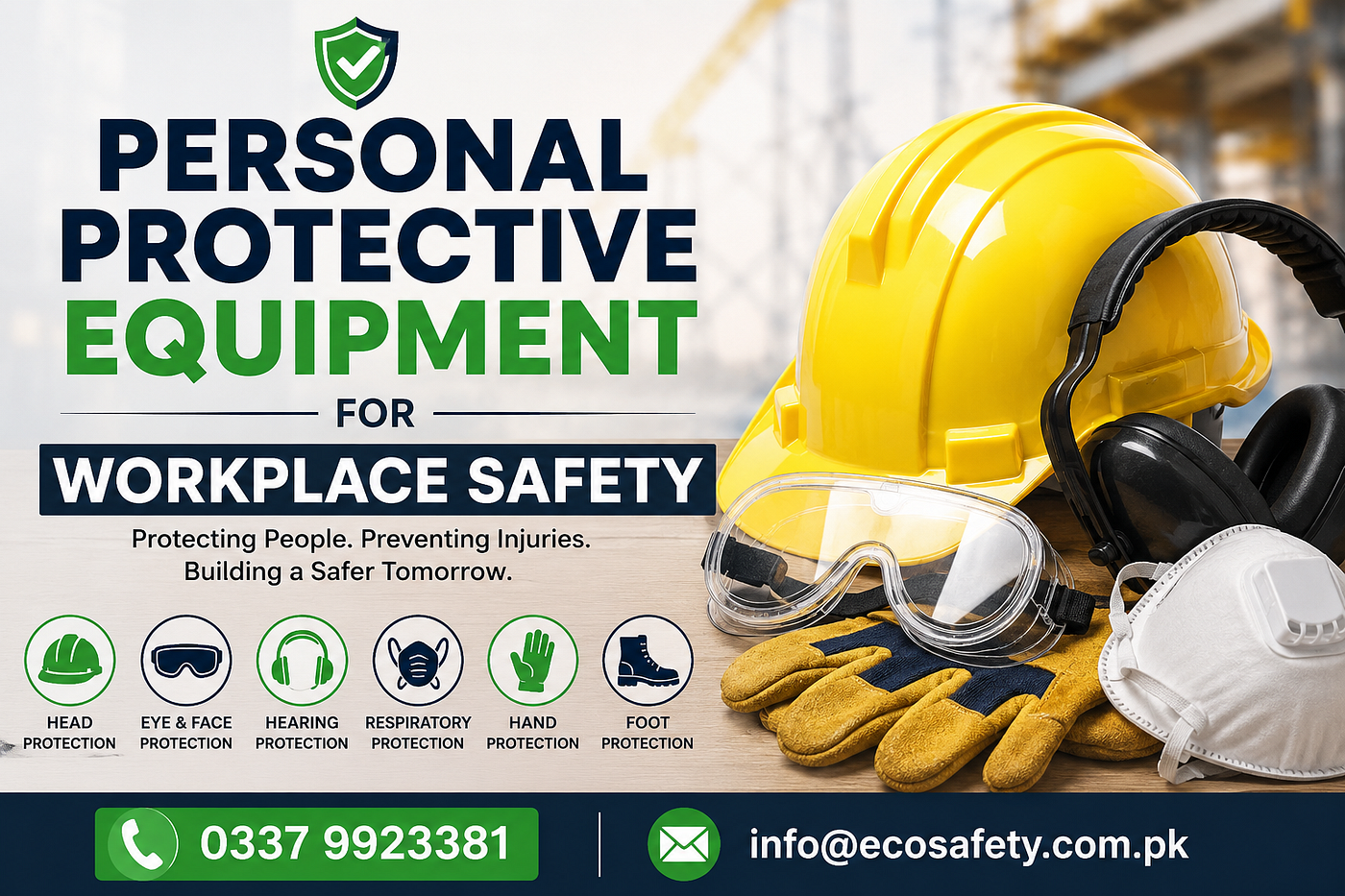
Head Protection
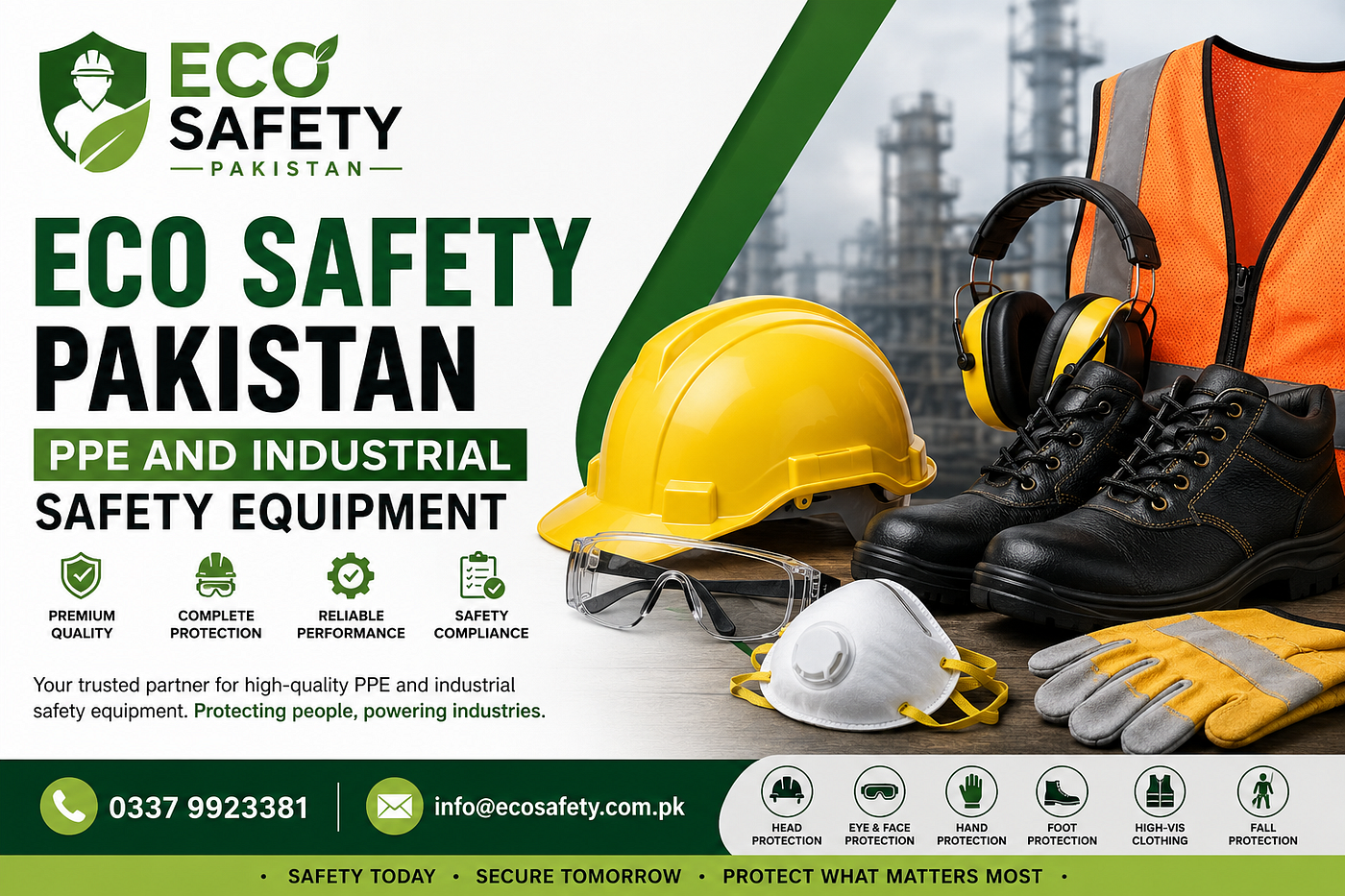
Hard hats and safety helmets protect workers from falling objects, impacts, and electrical hazards. They are commonly used on construction sites, industrial facilities, and warehouses where overhead dangers exist.
Eye and Face Protection
Safety glasses, goggles, and face shields help prevent injuries caused by flying debris, chemical splashes, sparks, and dust. Eye protection is especially important in manufacturing, laboratories, and welding operations.
Hearing Protection
Long-term exposure to high noise levels can result in permanent hearing loss. Earplugs and earmuffs help reduce noise exposure and are essential in factories, airports, and heavy machinery environments.
Respiratory Protection
Respirators and face masks protect workers from harmful airborne particles, fumes, gases, and vapors. These devices are widely used in healthcare settings, chemical plants, and construction projects involving dust-producing activities.
Hand Protection
Safety gloves are designed to protect hands from cuts, burns, chemicals, electrical hazards, and punctures. Different glove materials are available depending on the specific risks involved.
Foot Protection
Safety boots and shoes provide protection against heavy impacts, slipping hazards, and sharp objects. Many industrial workplaces require footwear with steel or composite toe caps for added protection.
Choosing the Right PPE
Selecting the right PPE involves more than simply providing equipment to employees. Employers should evaluate workplace hazards, understand industry regulations, and ensure that protective gear fits workers properly.
Comfort and usability are also important factors. PPE that is uncomfortable or poorly fitted may discourage employees from wearing it consistently. Workers should receive training on the correct use, storage, and maintenance of their equipment to ensure maximum effectiveness.
Maintenance and Inspection
Even high-quality protective equipment can fail if it is not maintained properly. Regular inspections help identify signs of wear, damage, or contamination. Damaged helmets, torn gloves, scratched goggles, or expired respirators should be replaced immediately.
Cleaning PPE according to manufacturer recommendations helps maintain hygiene and extends the equipment’s lifespan. Employers should establish clear inspection and replacement schedules to ensure all protective gear remains in good condition.
Building a Strong Safety Culture
While PPE is essential, it should be part of a broader workplace safety strategy. Safety training, hazard assessments, emergency preparedness, and employee awareness programs all contribute to reducing workplace risks.
Encouraging workers to report hazards, participate in safety discussions, and follow established procedures creates a culture where safety becomes everyone’s responsibility. When employees understand the importance of protective equipment, compliance naturally improves.
Conclusion
Personal Protective Equipment for Workplace Safety plays a vital role in protecting workers from occupational hazards across various industries. From helmets and gloves to respirators and safety footwear, PPE helps reduce injuries and supports a safer work environment. By selecting the right equipment, providing proper training, and maintaining protective gear regularly, organizations can significantly improve workplace safety and protect their most valuable asset — their employees.
메타데이터
- post_id
- f4e9162037cd
- slug
- personal-protective-equipment-for-workplace-safety-f4e9162037cd
- url
- https://medium.com/@pestcontrolmanagementisb/personal-protective-equipment-for-workplace-safety-f4e9162037cd
- canonical_url
- https://medium.com/@pestcontrolmanagementisb/personal-protective-equipment-for-workplace-safety-f4e9162037cd
- author_url
- https://medium.com/@pestcontrolmanagementisb
- status
- ok
- fetched_at
- 2026-06-13 00:08:42