Just Outside the Evacuation Zone
On growing up beside danger I never knew existed
Just Outside the Evacuation Zone
On growing up beside danger I never knew existed
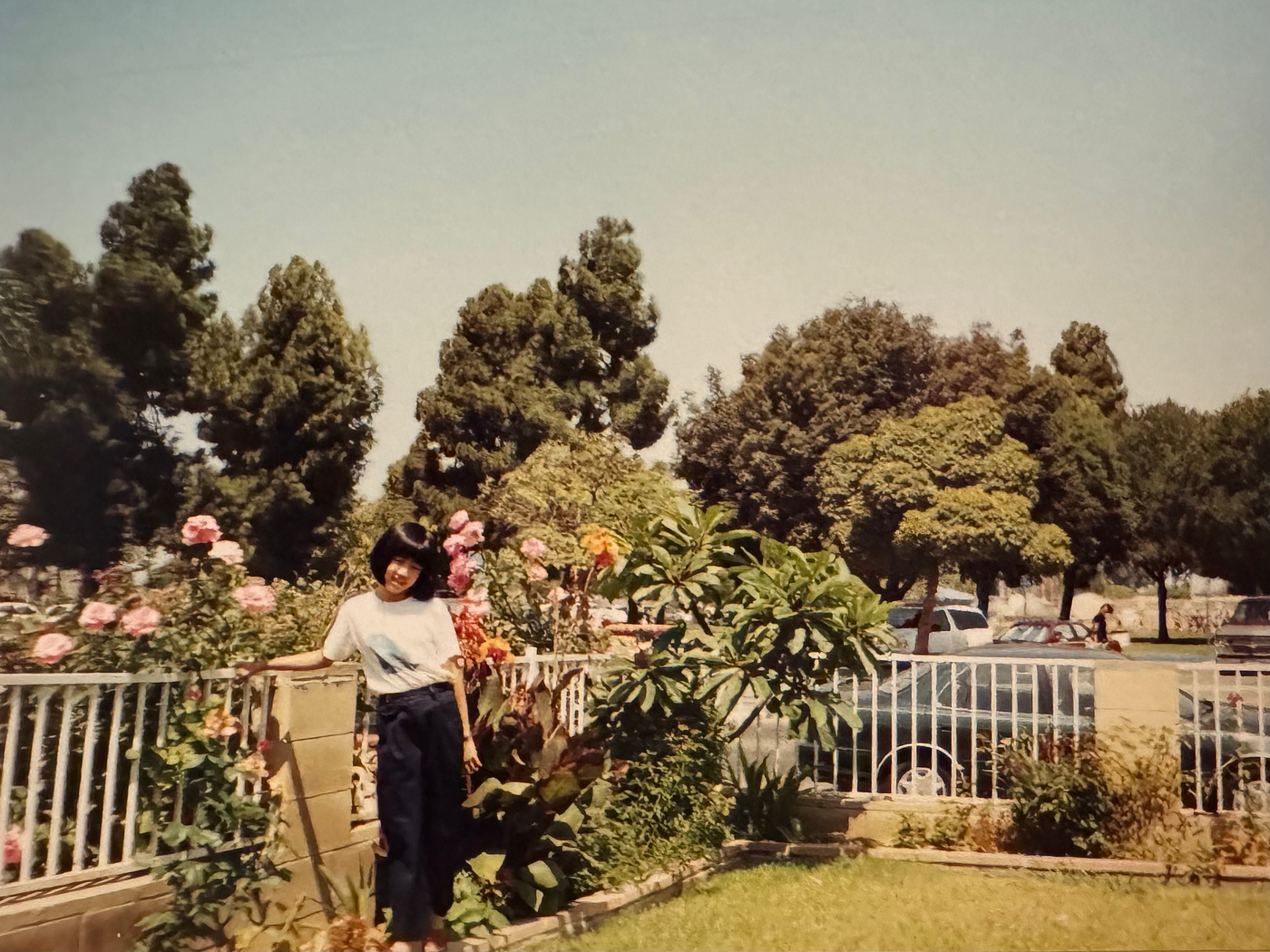
Growing up in Orange County in the 2000s
As I was finishing up work before Memorial Day weekend, I received a flood of text messages about evacuations in Garden Grove, California, caused by a compromised tank holding 7,000 gallons of hazardous chemicals.
I grew up in this vibrant but sleepy area, where much of my family and many of my friends still live. I never realized facilities like this existed nearby, much less knew anything about methyl methacrylate (MMA) — a highly flammable industrial chemical used to make acrylic plastics and other synthetic materials.
The situation became real when I saw that I was just outside the mandatory evacuation zone, with the nearest major street closed to incoming traffic. Just like that, 50,000 people were ordered to leave their homes within hours as authorities and experts scrambled to avoid what they described as two possible outcomes: a chemical spill or an explosion.
The source of the crisis was a faulty tank owned by an aerospace manufacturer that produces parts for commercial and military aircraft. The company had operated in the area for more than 30 years, its facility quietly blending into the surrounding industrial and residential landscape.
This weekend made it clear that we had lived alongside this risk all along.
Time was critical as the unstable tank’s temperature continued rising by roughly one degree per hour. By Saturday, it had reached 90 degrees, dangerously close to the 100-degree threshold that could trigger an explosion. Crews sprayed the tank with water to slow the increase, buying experts time to stabilize the situation.
A spill was considered the preferable outcome, though it still carried serious health risks. An explosion, however, could trigger a chain reaction involving nearby tanks storing other hazardous materials, expanding the evacuation zone and placing me directly inside it.
Although I was outside the blast radius, I remained within the possible path of toxic vapor depending on wind conditions. There were also concerns about chemicals entering the water system and contaminating drinking water and the ocean. The potential long-term effects worried me more than the immediate spill or explosion because I could not imagine that future for our community.
Surprisingly, I felt relatively calm and optimistic, as did much of my family and friends. On Friday night, I went to bed believing — without any factual basis — that we might somehow avoid both catastrophic outcomes. Still, there lingered the unsettling thought that I might not wake up to the same reality the next morning, if I woke up at all.
Being just outside the evacuation zone meant the decision to leave remained my own.
That agency felt strangely heavy.
As I debated whether to evacuate, I realized my indecision was insignificant compared to the urgency facing those forced to quickly find shelter for themselves and their families. Many left with only a few belongings and no idea when they would return home. Others faced even greater challenges due to health conditions, mobility limitations, or the logistics of evacuating with pets. All of it compounded the emotional and financial strain of a disaster that felt potentially preventable.
On Saturday morning, I ate breakfast with my family while my sister’s two cats wandered around the room, unaware of any of it. Despite the risks and the possibility that the evacuation zone could expand into our neighborhood, we decided to stay.
The sound of helicopters circling overhead and police sirens echoing through the city reinforced the seriousness of the situation and the weight of the decisions being made.
By afternoon, the governor declared a state of emergency, confirming the scale of a crisis that felt deeply preventable. Evacuation centers continued to fill as additional shelters opened to accommodate displaced residents.
As the sun began to set, the idea of a third outcome felt increasingly unrealistic. It seemed inevitable that the night would end with either a chemical spill or an explosion.
Before packing a few clothes and essentials, I took a shower so I would feel ready if we had to leave. By then, I already knew what I would grab first.
When I woke up on Sunday, I spent hours checking for updates before finally hearing from local authorities. Overnight, crews had discovered a crack in the tank that was relieving pressure, changing the trajectory of the situation and allowing them to adjust their strategy.
Videos and images later showed firefighters climbing the tank through the mist created by the continuous spray of water used to cool it. The scene felt surreal and haunting.
On Memorial Day Monday, officials announced that areas outside the evacuation zone were safe and that residents could resume normal activities. Later that evening, authorities revised the evacuation map, allowing roughly 65 percent of evacuees to return home.
Although a major catastrophe had been avoided, approximately 16,000 residents remained displaced for at least another night.
메타데이터
- post_id
- f4e9b9b0bb1f
- slug
- just-outside-the-evacuation-zone-f4e9b9b0bb1f
- url
- https://medium.com/@haiyen.duong07/just-outside-the-evacuation-zone-f4e9b9b0bb1f
- canonical_url
- https://medium.com/@haiyen.duong07/just-outside-the-evacuation-zone-f4e9b9b0bb1f
- author_url
- https://medium.com/@haiyen.duong07
- status
- ok
- fetched_at
- 2026-06-09 15:37:30